

Antique Oak Desk Seat
An antique oak desk seat brings solid timber character and robust utility to a home workspace, drawing on centuries of vernacular and formal seating design.
Antique Oak Desk Seat
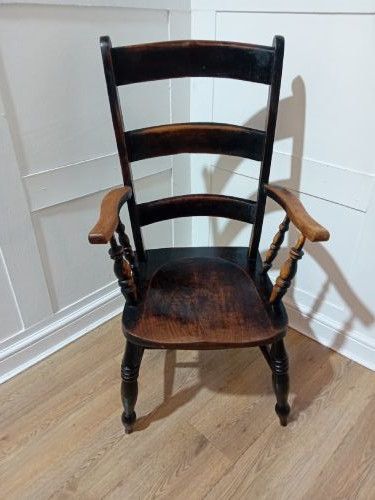
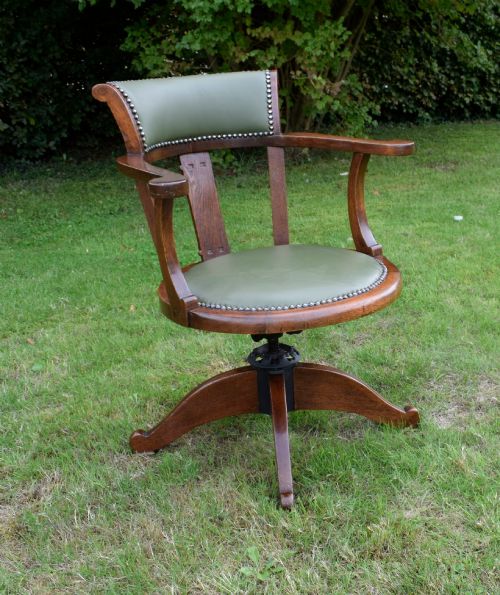
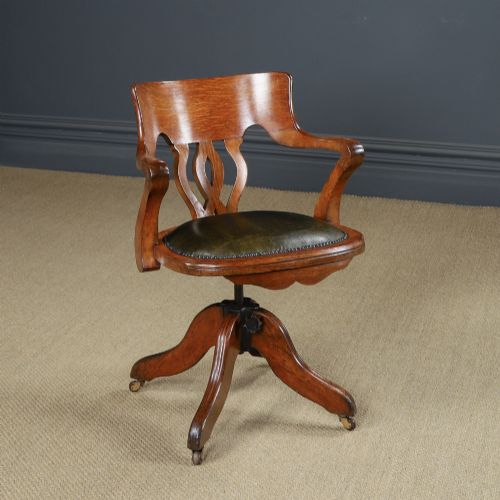
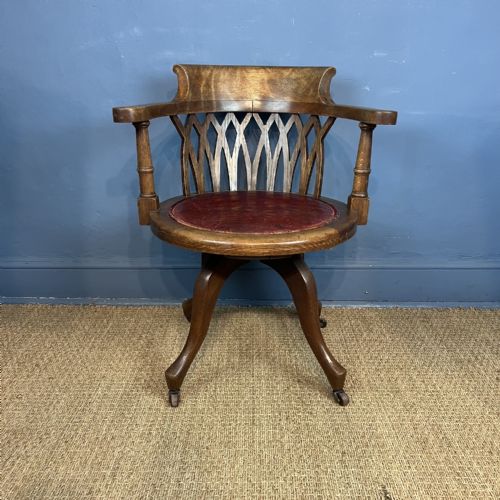
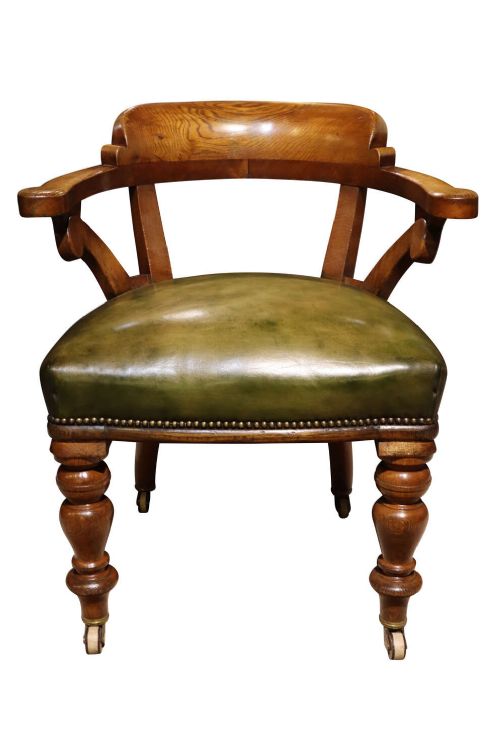
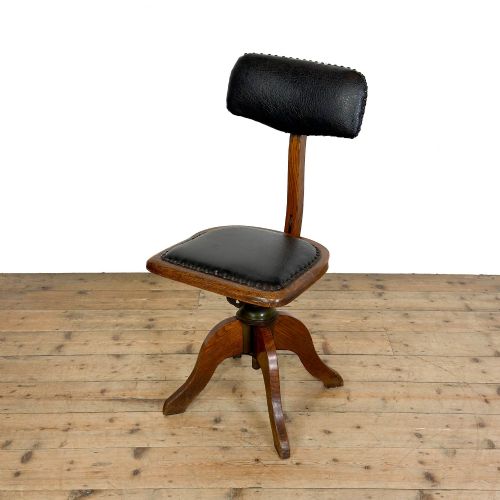
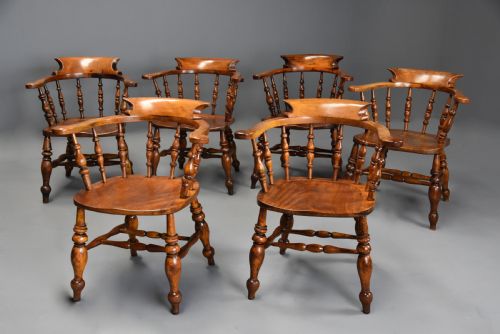
You are most likely to meet Victorian and Edwardian examples on this page, particularly revolving mechanisms mounted on four-legged spider bases or solid seat smokers bows. The forms reflect a transition from domestic dining and library seating into specialised office furniture designed for clerks, solicitors and home studies.
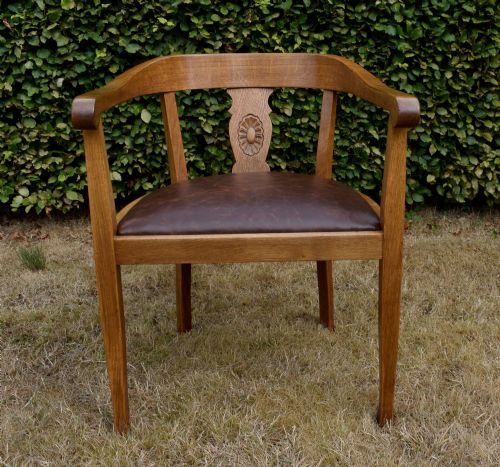
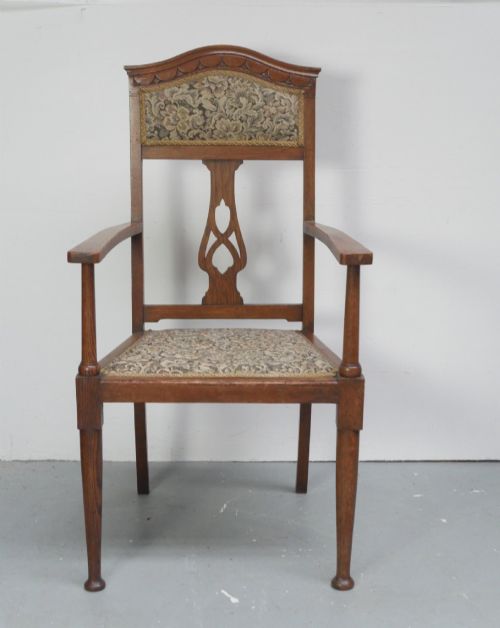
The aesthetic spans plain English country vernacular, carved Gothic Revival library armchairs, and linear Arts and Crafts forms. While many items were built for everyday administrative work in professional offices, others served in grand libraries or simple rural households.
Materials and construction methods
Makers relied on solid oak as the principal structural timber, supplemented by elm or beech for bent components and subsidiary framing. Oak provided the heavy density and pronounced grain needed to withstand constant pivoting, tilting and daily office use.
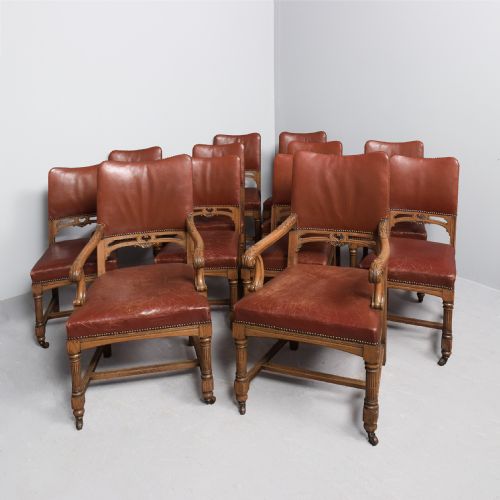
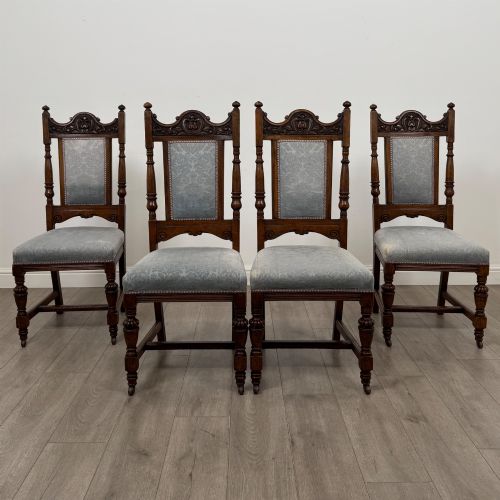
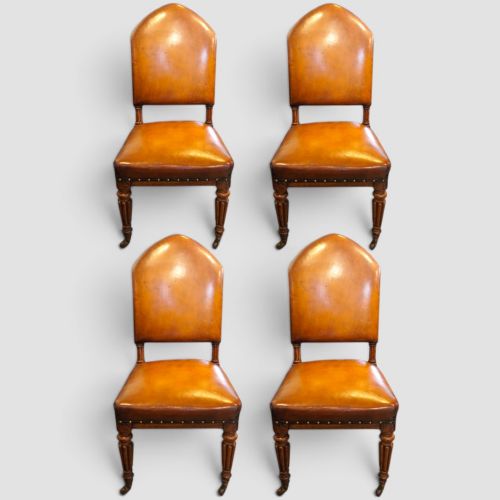
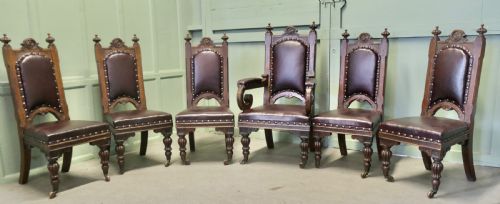
Leather, hide and fabric upholstery appear inset into saddle seats or stretched over padded backrests, often secured with brass studs. Metal hardware such as iron spindles, brass swivel mechanisms and bronze adjustment screws facilitated the mechanical movement found in late nineteenth and early twentieth-century office chairs.
Listings span periods from the late eighteenth century through the Edwardian era, predominantly utilising solid oak alongside beech, elm and leather.
Factors that separate the finest examples
Quality rests in the integrity of the rotating mechanism and the retention of original timber patination. Superior pieces combine smooth swivel and tilt functions with robust joinery, avoiding excessive replacement parts or structural weakening.
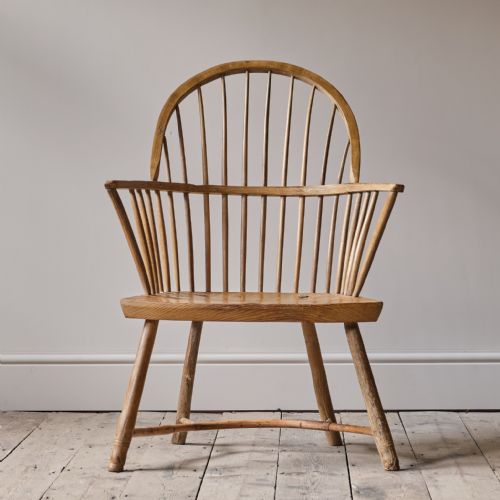
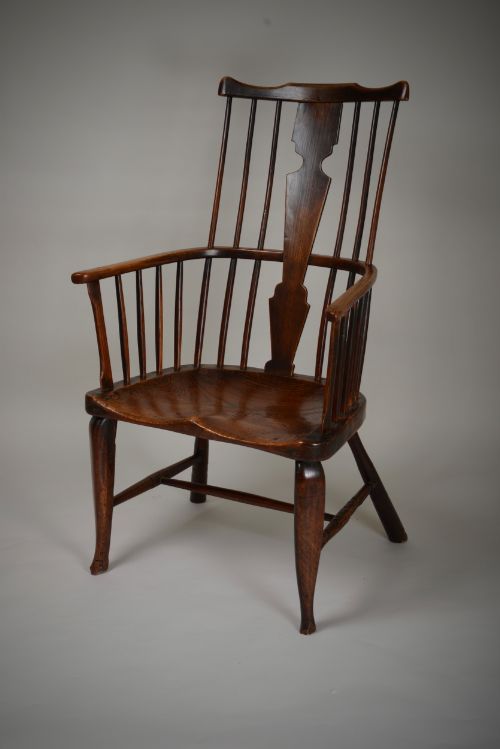
Carved detail, timber selection such as golden or figured oak, and well-proportioned Windsor hoops or Gothic tracery elevate an everyday office seat into a notable piece of vernacular or revivalist design.
Gillows·Bruce James Talbert
The Antique Oak Desk Seat Glossary
- Swivel chair
- A seat mounted on a central spindle that allows it to rotate horizontally. These mechanical variants became popular in offices from the late Victorian period onward.
- Smoker's bow
- A low-backed Windsor-style wooden armchair with a continuous curved armrail supported by turned spindles. They frequently served as robust desk seats in studies and commercial offices.
- Gothic Revival
- A nineteenth-century design movement drawing inspiration from medieval architecture. Pieces in this style often display pointed arches, trefoil details and heavy carved tracery.
- Saddle seat
- A solid wooden seat base carved into a contoured, concave shape to resemble an equestrian saddle. This shaping provided ergonomic comfort before the widespread use of upholstered cushions.
Antique Oak Desk Seat: Frequently Asked Questions
How do I identify a genuine Victorian desk chair?
Examine the timber patination, construction joints and mechanical fixings for signs of period hand-workmanship. Victorian examples typically feature heavy oak framing joined with traditional methods alongside early cast-iron or brass swivel mechanisms.
Check for honest wear consistent with decades of use rather than artificial distress. The presence of nineteenth-century hardware and appropriate secondary woods like beech or elm further confirms the era.
Were these chairs originally meant for offices?
Many were indeed built for commercial counting houses, legal chambers and Victorian administration. Others began life as library armchairs, domestic writing seats or dining chairs later adapted to desks.
The inclusion of swivel actions and leather saddle seats usually points specifically towards professional workspace duties, whereas rigid wooden frames served multiple domestic functions.
Can I use an antique desk chair daily?
Solid oak construction makes these chairs exceptionally durable for modern daily use. Regular seating places little strain on sound historical joinery, provided the timber remains stable and dry.
Mechanisms on swivel models should be checked by a restorer to ensure smooth operation without excessive wobble. Leather upholstery can be cleaned and fed gently with appropriate wax or conditioner.
What is the difference between a captain's chair and a Windsor chair?
A captain's chair generally refers to a low-backed wooden armchair with a continuous curved armrail, often associated with nineteenth-century office or domestic use. A Windsor chair encompasses a broader family of seating where spindles are driven directly into a solid wooden seat.
Many captain's chairs are technically a sub-category of Windsor construction featuring comb backs or bow backs adapted for a lower profile.