

Antique Oak Bedding Box
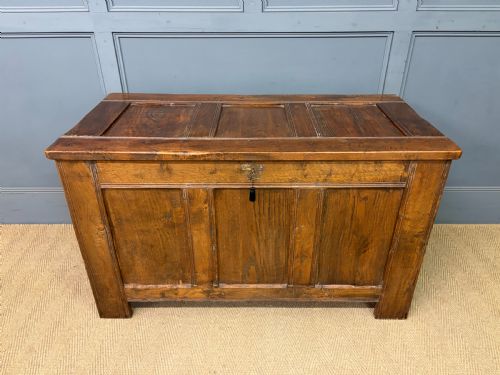
An antique oak bedding box is a sturdy timber chest designed for household linens, carrying centuries of practical history into a modern bedroom.
Antique Oak Bedding Box
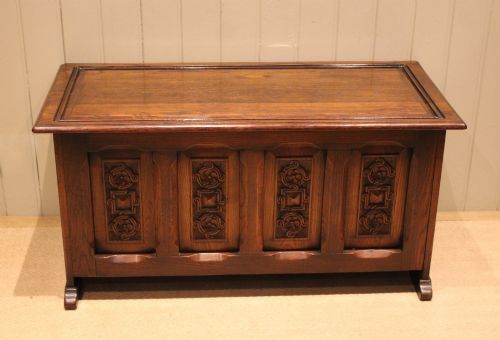
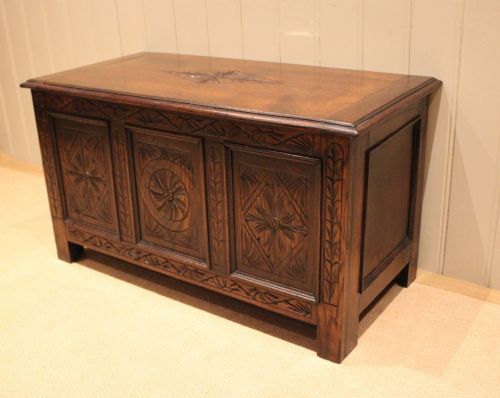
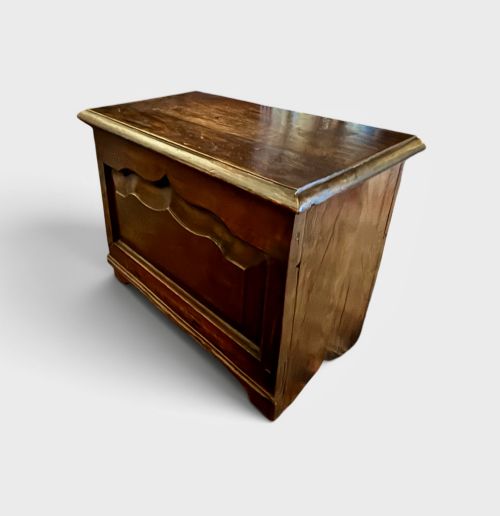
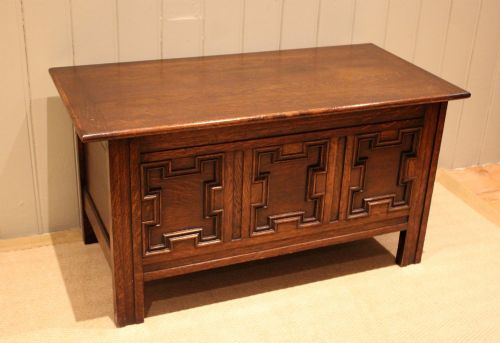
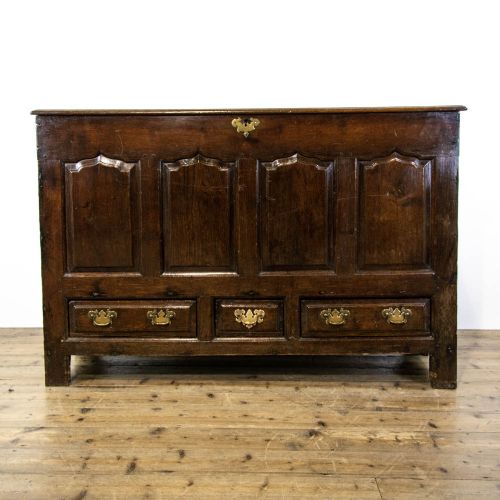
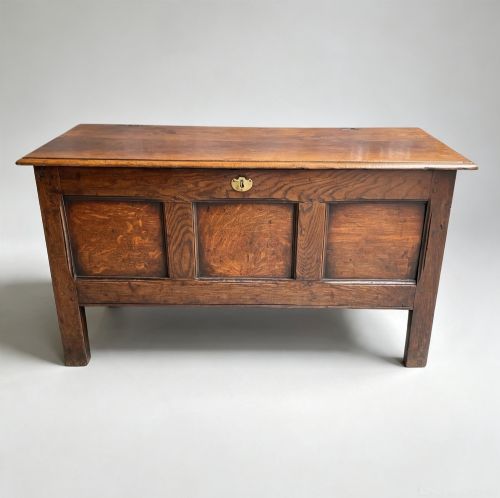
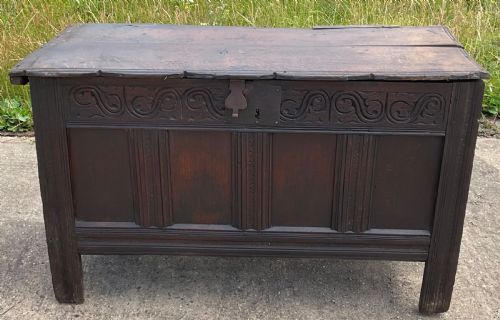
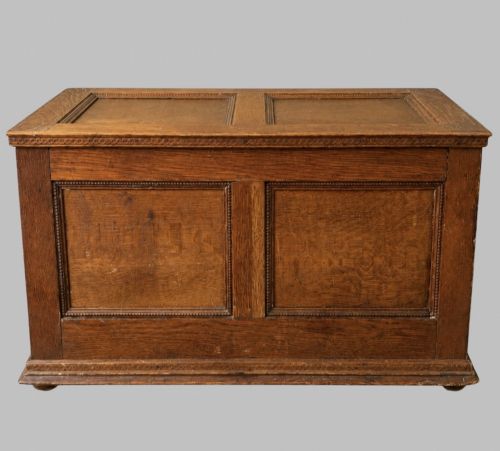
When you search for an antique oak bedding box, you are looking at substantial lidded chests and mule chests primarily originating from the seventeenth and eighteenth centuries, alongside later nineteenth and early twentieth century revivals. These utilitarian pieces served generations of households for storing blankets, garments, and domestic valuables.
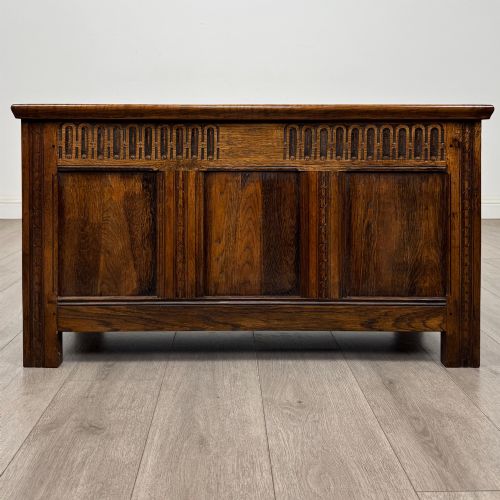
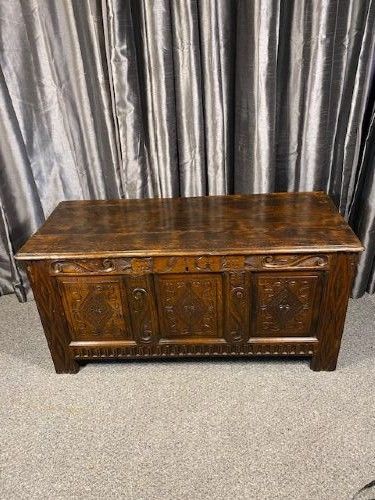
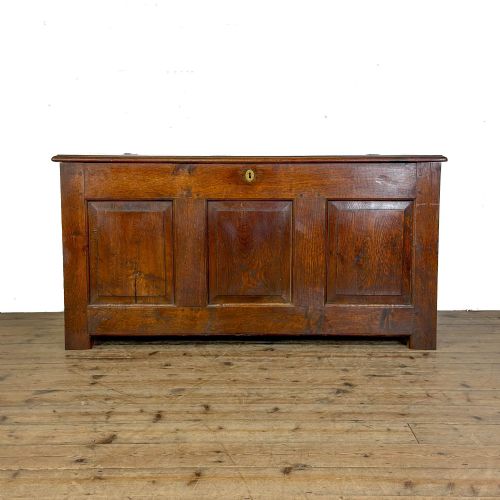
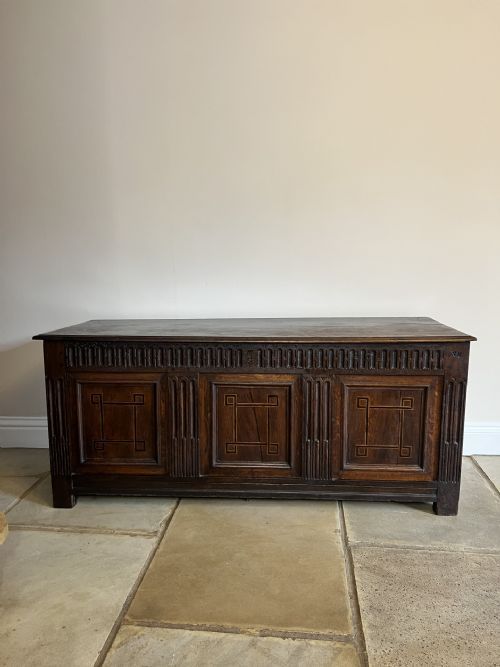
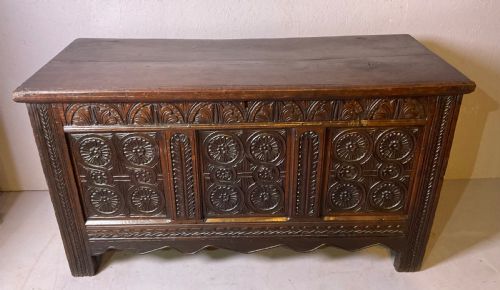
You are most likely to meet solid oak coffers and mule chests displaying regional English and Welsh craftsmanship, often featuring panelled construction or carved details. Examples span from austere seventeenth-century forms to Georgian pieces fitted with drawers beneath the main storage compartment.
Materials and construction methods
These pieces rely on solid oak timbers, chosen for durability and local availability, joined using traditional frame-and-panel methods that accommodate natural wood movement. Metal elements such as iron and brass appear frequently as hinges, locks, and carrying handles.
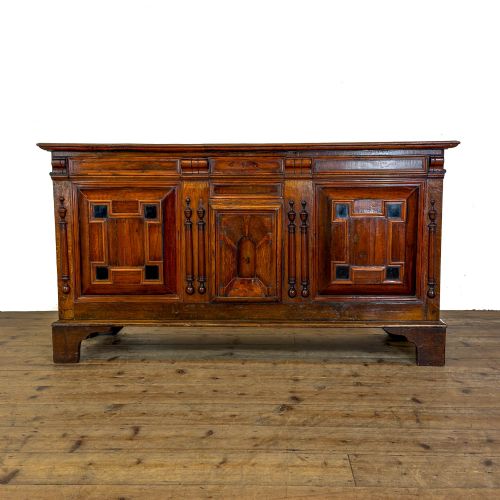
Decoration involves hand-carving directly into the timber or applying wood inlay and ebonised wood details. Makers utilised simple hand tools to shape panels and assemble robust joints designed to endure heavy daily use.
Current listings span from the seventeenth century through to the nineteen-thirties, featuring oak combined with brass, iron, and ebonised wood.
Factors that distinguish quality
The standard of an antique oak bedding box rests upon the integrity of its timber and the depth of its carving. Early examples with untampered structural joinery and original hardware stand apart from heavily restored or later revival pieces.
Proportion and execution define the hierarchy of these chests. Cleanly fitted panel work and balanced proportions distinguish finer vernacular commissions from simpler, coarser utility boxes.
Heals
The Antique Oak Bedding Box Glossary
- Coffer
- A large wooden chest traditionally used for storing valuables or household goods. Most examples feature a hinged lid and robust panelled construction.
- Mule chest
- A storage chest that incorporates one or more drawers beneath the main lift-top compartment. This form emerged as domestic storage needs evolved.
- Kist
- A regional term for a traditional wooden chest or box. These pieces are often associated with Scottish or northern English vernacular traditions.
- Marquetry
- Decorative woodwork in which thin slices of various woods are fitted into a veneer to form geometric or pictorial patterns. It appears on select high-status pieces.
- Panelled construction
- A method of joining timber where a central floating panel sits within a grooved frame. This technique prevents the wood from splitting as humidity changes.
Antique Oak Bedding Box: Frequently Asked Questions
What is the difference between a coffer and a mule chest?
A coffer is a simple lidded box accessed only from the top, designed primarily for bulky blankets and heavy textiles.
A mule chest includes one or more drawers built underneath the main compartment, offering more organised storage for smaller garments.
How do I date an oak bedding box?
Dating relies on observing construction marks, hardware types, and stylistic details such as geometric mouldings or carved panels. Seventeenth-century pieces typically show pegged mortise and tenon joints, while eighteenth-century examples often introduce dovetailed drawer construction.
Revival pieces from the Edwardian era or the nineteen-thirties imitate these older styles but display modern machining marks and cleaner timber surfaces.
Where should I place a bedding box in my home?
These chests function well at the foot of a bed for holding spare duvets, pillows, and seasonal blankets. Their flat lids also allow them to serve as window seats or hallway benches.
Keep them away from direct heat sources and strong sunlight to prevent the solid oak timber from drying out and cracking.
Are these chests suitable for everyday storage?
Solid oak chests remain robust enough for daily use, offering deep, secure cavities for household items. Their heavy lids require careful handling, particularly around children.
Lining the interior with acid-free tissue helps protect delicate fabrics from direct contact with older untreated timber.