



Antique Novelty Decanter
An antique novelty decanter brings humour and fine craftsmanship to the table, taking the form of animals, birds, and everyday objects.
Antique Novelty Decanter
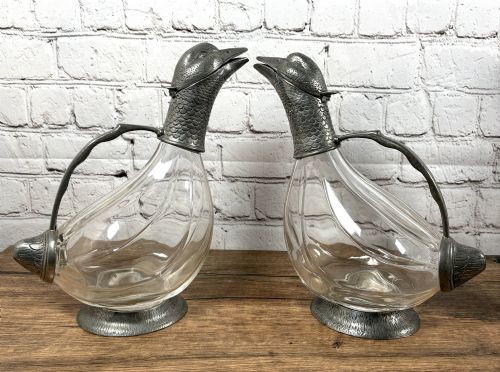
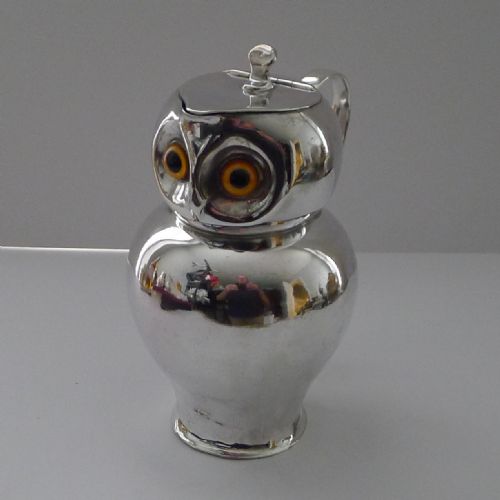
An antique novelty decanter takes playful shapes that depart from standard vessel forms, drawing the eye with sculptural interpretations of animals, birds, and transport. When exploring antique novelty decanter options, buyers encounter distinct creations shaped like owls, ducks, dogs, roosters, and even Scottish thistles or champagne bottles.
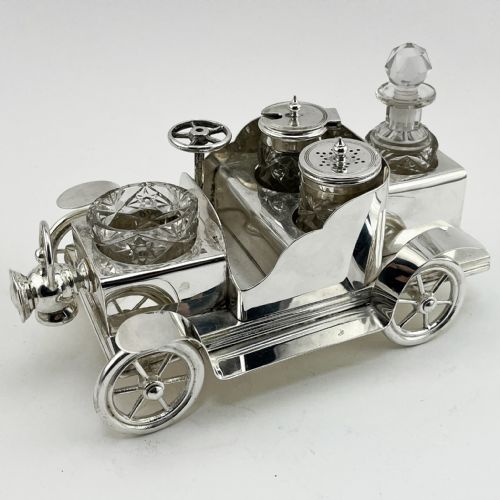
These pieces emerge predominantly from the Victorian and Edwardian eras, spanning the late nineteenth century into the early decades of the twentieth century. Alongside spirited glass bird and animal decanters, the category encompasses silver-plated spirit barrels mounted on carriages and miniature liquor bottles.
Makers utilised diverse materials to bring these imaginative forms to life, pairing cut glass and frosted crystal with silver plate, sterling silver, and metal mounts. Some examples incorporate glass eyes or enamel detailing to heighten the character of the subject, whether a cat wine bottle stopper or a monkey claret jug.
Materials and construction
Silversmiths and glassmakers shaped these vessels using traditional techniques of moulding, cutting, and silver plating. Metal mounts and hinged heads required precise engineering to ensure secure closures for storing spirits.
Cut glass and frosted crystal form the translucent bodies of many bird and animal containers, catching the light alongside polished silver-plated mounts. Details such as glass eyes and enamel coatings were applied carefully to complete the figurative appearance of owls, dogs, and roosters.
Antique Novelty Decanter Retail Price Guide 2026
Typical asking prices for novelty decanter among the pieces listed under this phrase on Sellingantiques today, from the lower quarter to the upper quarter. They describe what is for sale here now, not the wider market.
Current listings demonstrate a strong Victorian presence, uniting silver plate, cut glass, and frosted crystal in animal and barrel forms.
Judging quality and execution
The distinction between standard and exceptional pieces lies in the sculptural fidelity of the form and the crispness of the chased metalwork. Finer examples capture realistic anatomical details in animal subjects and maintain tight, well-fitted mounts and stoppers.
The integration of materials also dictates overall merit, where high-grade cut glass or heavy silver plating shows superior longevity and weight. Marks of wear should blend naturally with the age of the piece without compromising the structural integrity of the pourer or mechanism.
The Antique Novelty Decanter Glossary
- Silver Plate
- A thin layer of silver bonded to a base metal core, widely utilised for Victorian animal and barrel frames. This technique offered the brilliance of solid silver at a more accessible cost.
- Frosted Crystal
- Glass treated to produce a textured, opaque surface, frequently chosen for the bodies of birds and barrel dispensers. It diffuses light differently than clear cut glass.
- Claret Jug
- A pouring vessel specifically designed for serving red wine, often transformed into figurative novelty forms featuring silver mounts and hinged heads.
- Spirit Barrel
- A cylindrical container mounted horizontally on a stand or carriage, frequently produced in sets for storing different liquors like whiskey, gin, and brandy.
Antique Novelty Decanter: Frequently Asked Questions
How were novelty decanters used?
These vessels served spirits and wines at the Victorian and Edwardian dining table or sideboard, combining practical function with entertaining conversation pieces.
Guests poured drinks directly from the imaginative forms, which ranged from animal figures to miniature champagne bottles and mounted spirit barrels.
How do I date these decanters?
Dating relies on stylistic clues, registered design marks, and the specific combination of materials like silver plate and frosted crystal seen across the late nineteenth and early twentieth centuries.
Victorian pieces often display heavier casting and distinct animal motifs, while later Edwardian and Art Deco examples introduce enamelling and streamlined silhouettes.
Are the stoppers and mounts original?
Original stoppers and mounts fit the specific contours of each vessel, matching the wear and patina of the main body.
Inspect the hinges and collars carefully to ensure they align with the manufacturing standards of the period.
How do I care for silver-plated glass?
Clean the glass body gently with warm soapy water while keeping abrasive polishes away from delicate silver-plated surfaces and mounted details.
Store the pieces away from direct moisture to protect internal corks and metal fittings from unnecessary deterioration.