
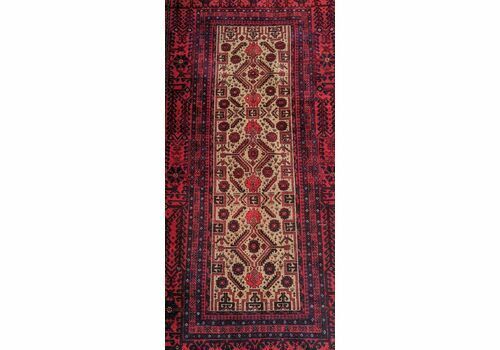
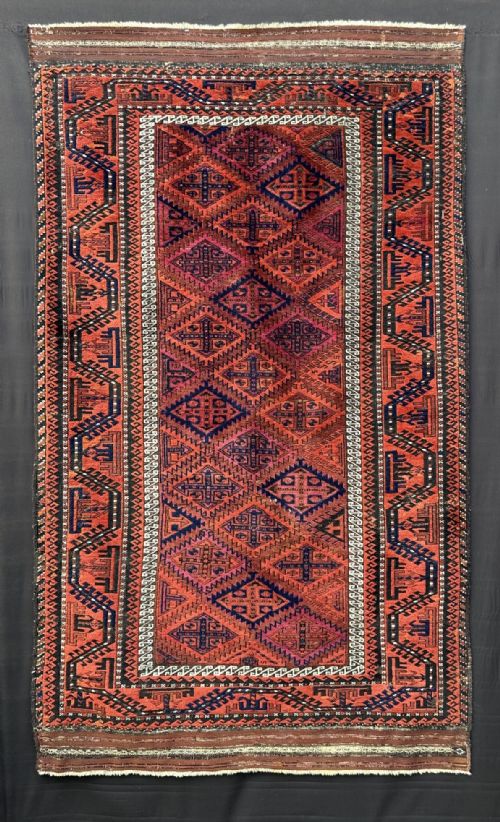

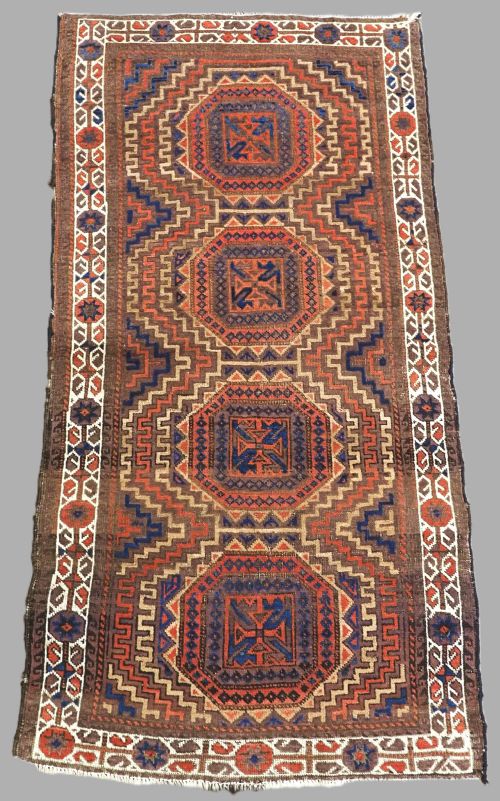
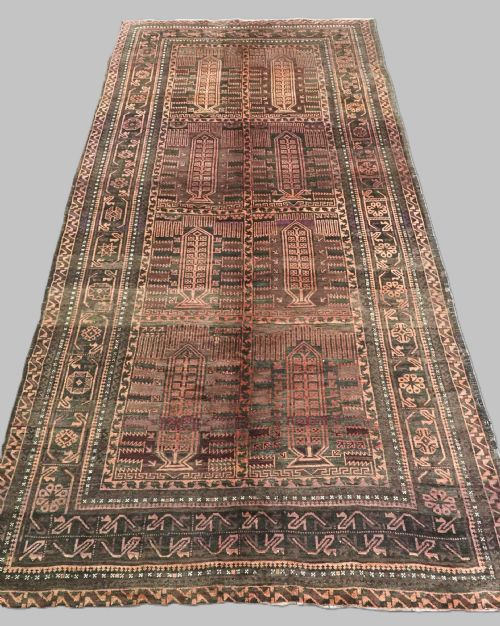
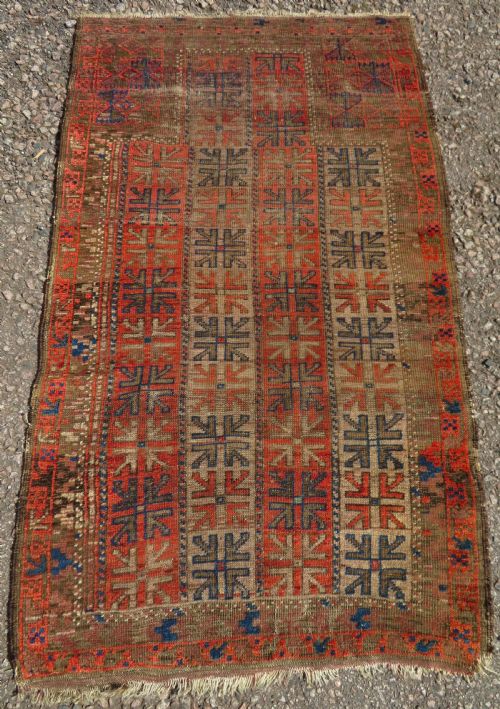
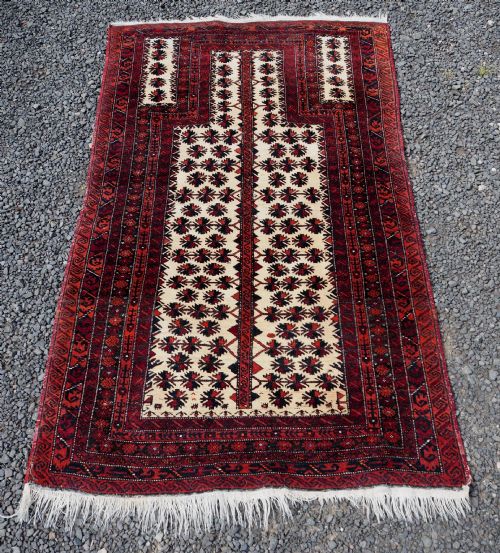
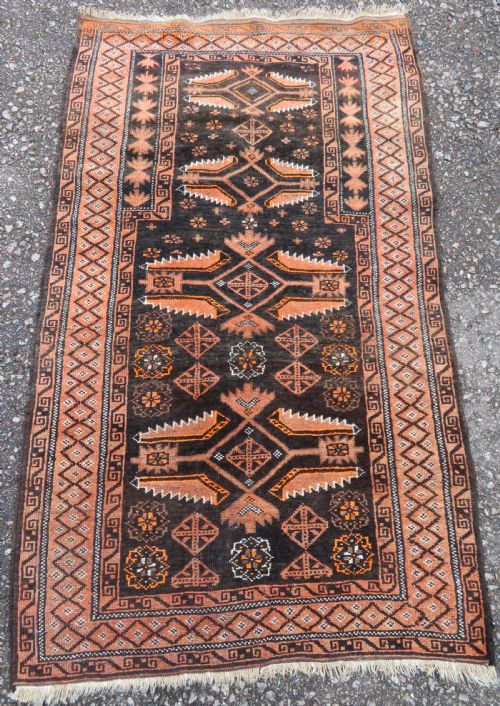
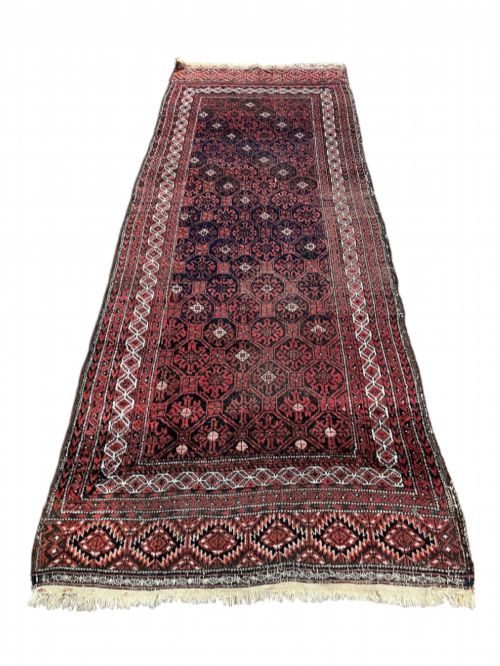




Antique Nomadic Baluch Carpet
When you handle an antique nomadic baluch carpet, you touch the woven history of borderland weavers working in wool and natural dyes.
Antique Nomadic Baluch Carpet
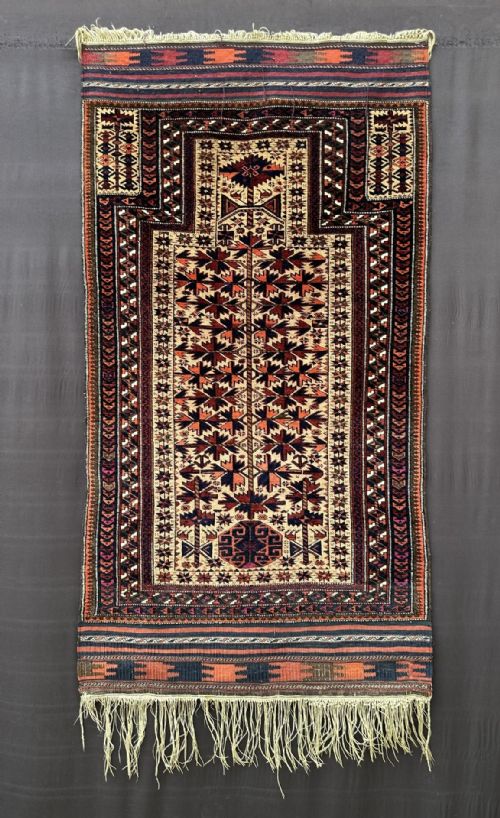
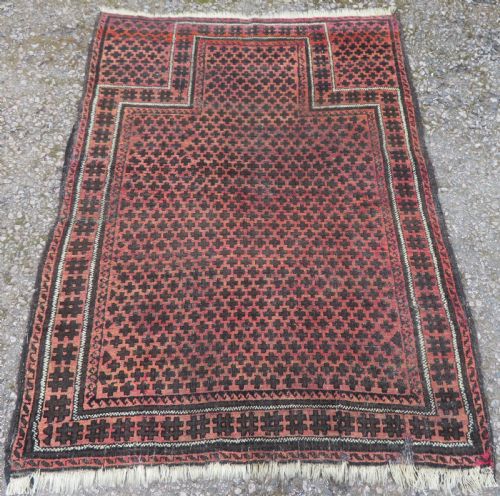
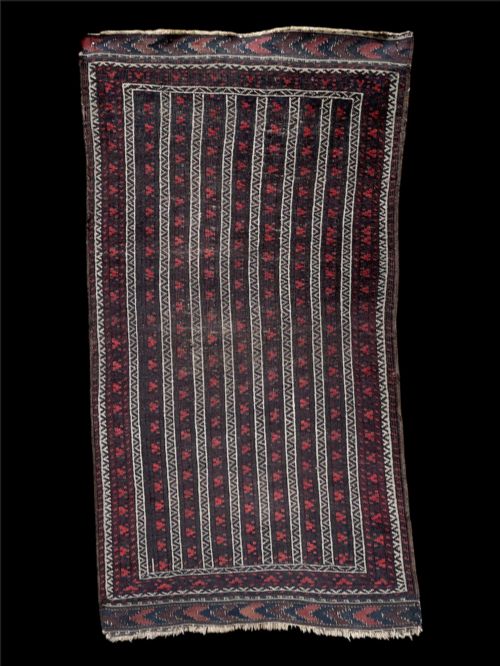
An antique nomadic baluch carpet represents the textile heritage of tribal groups weaving across the borders of Persia and Afghanistan. These floor coverings and utility textiles include prayer rugs, main carpets, flatweaves, and sofreh eating cloths.
You are most likely to encounter smaller formats such as prayer rugs and area rugs dating from the late nineteenth century to the early decades of the twentieth century. The designs typically feature repeated guls, mihrab arches, and distinctive tribal motifs passed down through generations.
How They Were Made
Weavers constructed these textiles predominantly using hand-spun wool foundation and pile, frequently incorporating goat hair and camel hair for dark contours and structural durability. Natural dyes provide the enduring palette of deep reds, indigos, and earth tones.
Production methods rely on traditional vertical and horizontal looms set up in nomadic and village camps. Artisans employed pile knots alongside flatweave techniques to create functional rugs, runners, and kilims.
Eating cloths known as sofreh record the daily domestic routines of nomadic families right alongside formal tribal prayer rugs.
What Varies in Quality
The finesse of the wool preparation and the tightness of the knotting largely determine the calibre of an individual piece. Softer hand-spun wool and deeply saturated natural dyes elevate the handling and visual depth of the weave.
Design clarity and the precision of geometric motifs separate standard village output from superior tribal examples. Distinct structural traits, such as well-preserved selvedges and balanced proportions, indicate higher craftsmanship.
Timuri Tribe·Yaqoub Khani Tribe·Taimani Sistan·Mahdad Khani
The Antique Nomadic Baluch Carpet Glossary
- Mihrab
- A niche design element resembling a prayer arch, frequently doubled or tripled on tribal prayer rugs. This motif points toward Mecca during daily devotions.
- Sofreh
- A flatwoven or piled cloth used historically for spreading meals or processing dough. These domestic utility textiles display striking tribal geometry.
- Gul
- A repeating medallion or octagonal motif central to many Central Asian and tribal rug designs. Each pattern often signifies a specific clan or lineage.
- Kilim
- A tapestry-woven carpet or textile made without a pile. These pieces rely on tightly packed horizontal wefts concealing the vertical warps.
- Latch hook
- A geometric hooked appendage extending from larger medallions or borders. This rectilinear ornament is common in nomadic weaving traditions.
Antique Nomadic Baluch Carpet: Frequently Asked Questions
How do I identify a prayer rug?
Prayer rugs feature a distinct arch or mihrab shape at one or both ends of the field. This architectural motif directs the placement of the weaver during prayer.
Such formats are generally smaller in scale, intended for individual use rather than covering a large floor space.
Where were these carpets made?
These textiles originated in the borderlands of northeast Persia and northwest Afghanistan. Nomadic and village groups moved across these arid expanses, bringing their regional aesthetics with them.
Local access to grazing animals directly shaped the availability of wool and camel hair.
How should I care for an antique rug?
Vacuum gently without using a rotating brush roll to protect the aged wool foundation and pile. Keep the textile out of direct sunlight to prevent natural dyes from fading over time.
Professional cleaning should be undertaken sparingly by specialists familiar with antique tribal carpets.