

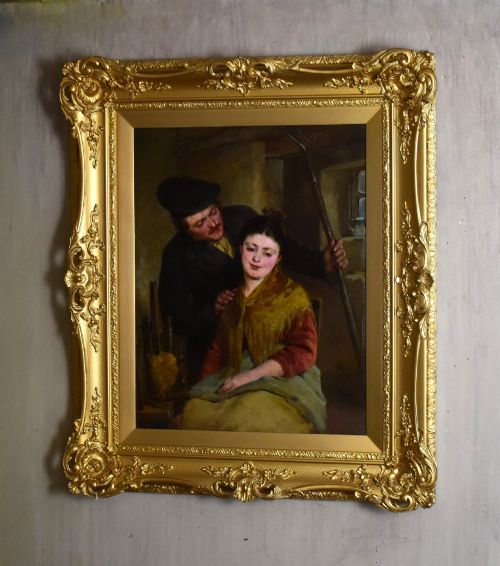
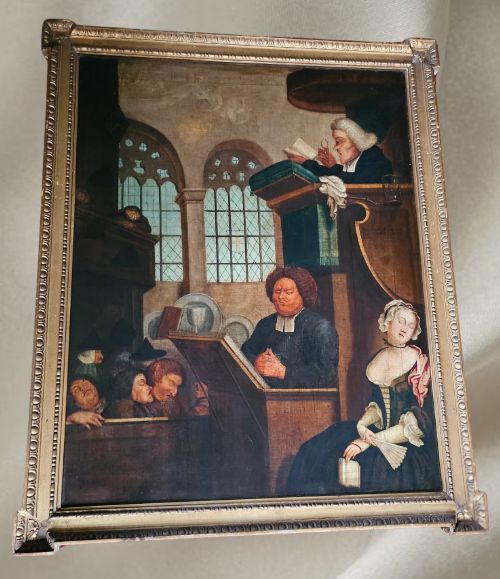
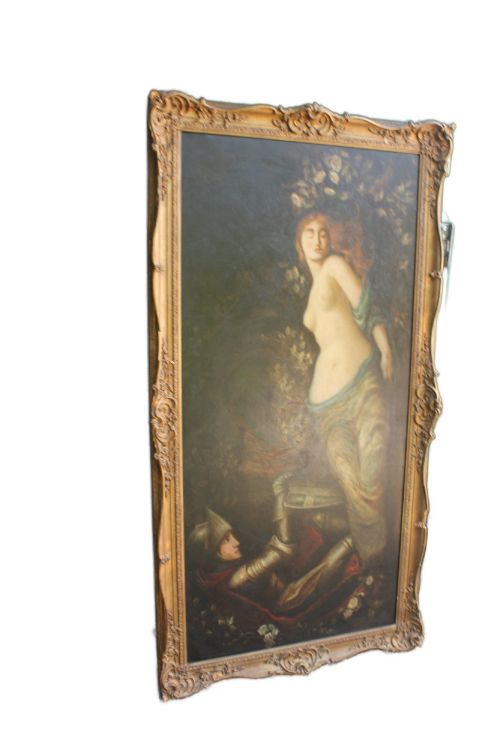
Antique Narrative Painting
Antique narrative painting depicts stories from literature, history, and daily life, capturing moments of human drama on canvas.
Antique Narrative Painting
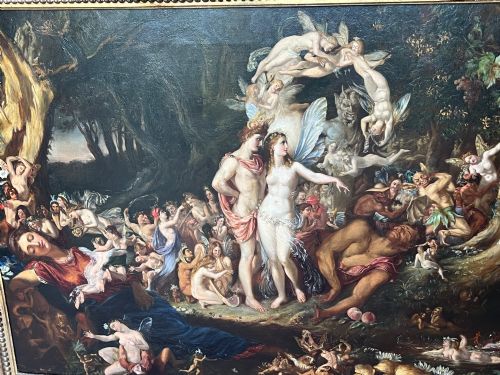
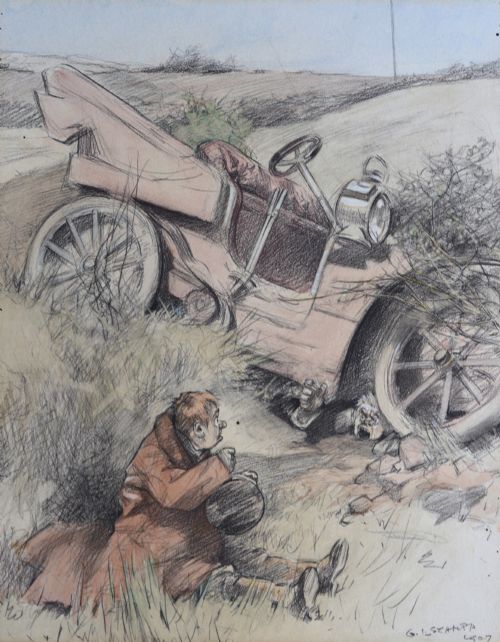
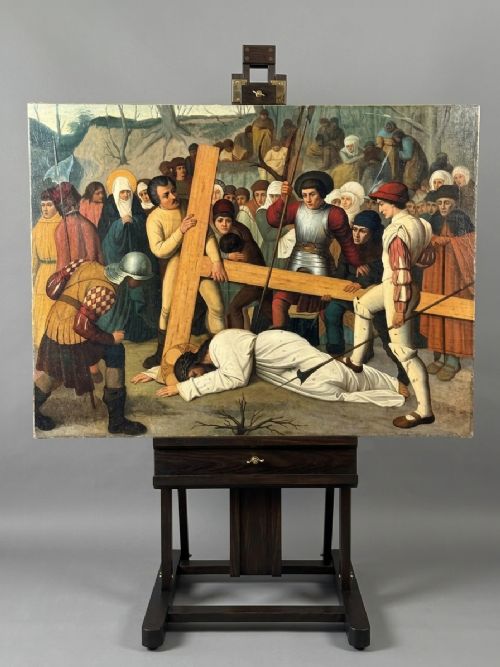
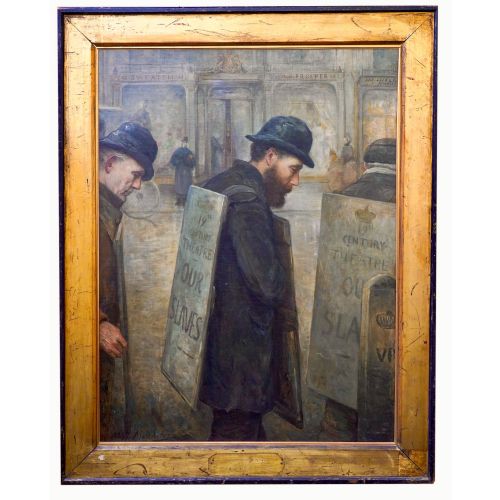
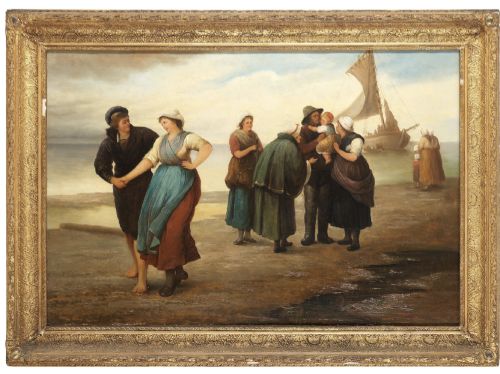
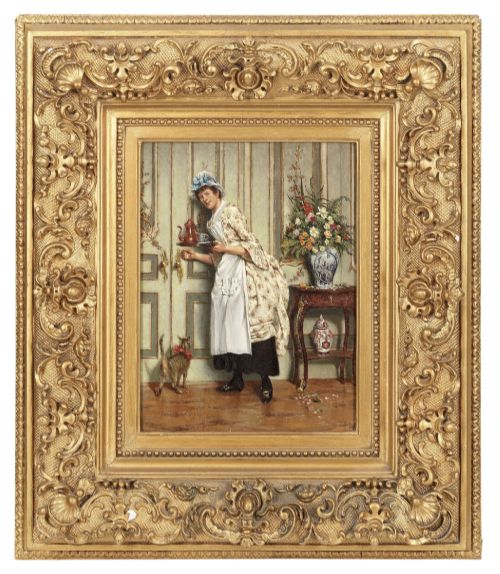
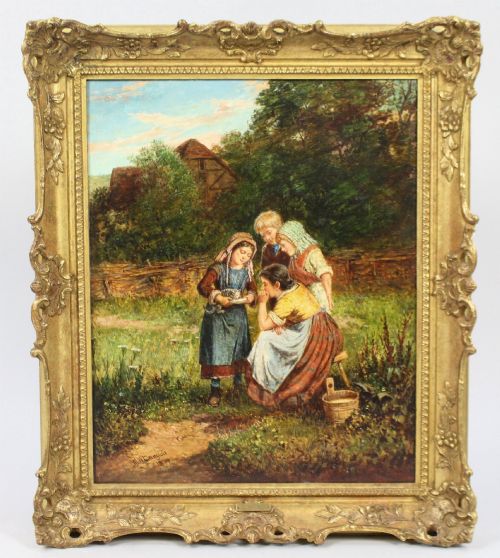
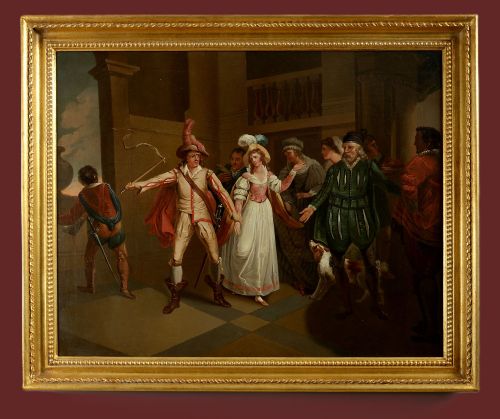
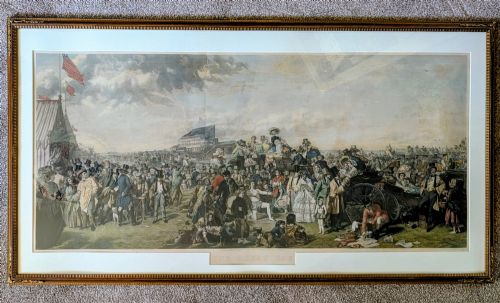
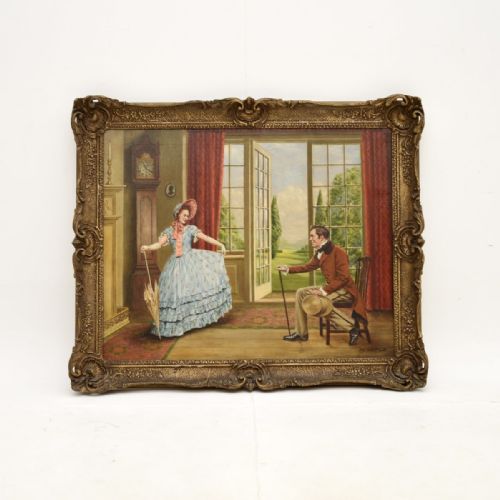
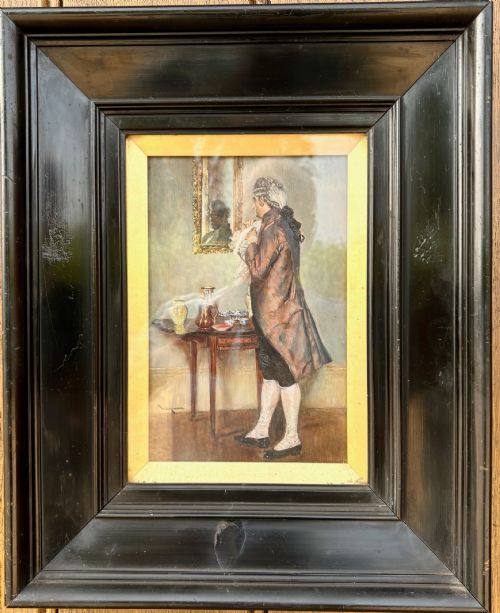
Antique narrative painting encompasses framed artworks and oil paintings that tell a story, often drawing from Shakespeare, domestic scenes, or historical events. The pieces available here span from the eighteenth century through the Edwardian period, with a strong representation of Victorian genre painting.
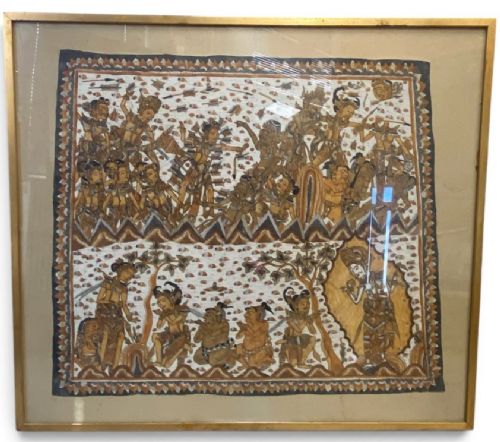
Buyers encounter works executed on canvas, wood panels, and textiles, capturing subjects ranging from classical mythology to domestic interiors. These images function as visual storytelling, recording social history and personal drama through figurative compositions.
How They Were Made
Artists built these works primarily using oil paint applied to canvas or wood boards, sometimes employing watercolour on paper or textile supports. Pigments were manipulated to create depth in interior settings, landscapes, and character studies.
Many of these paintings retain their original giltwood and gesso frames, which frequently incorporate ornate decorative mouldings characteristic of the nineteenth century.
Antique Narrative Painting Retail Price Guide 2026
Typical asking prices for narrative painting among the pieces listed under this phrase on Sellingantiques today, from the lower quarter to the upper quarter. They describe what is for sale here now, not the wider market.
Listings feature works created across the eighteenth, nineteenth, and early twentieth centuries, executed in oil and watercolour.
What Varies in Quality
The standard of execution in narrative art depends upon the precision of figurative drawing, the handling of facial expressions, and the arrangement of compositional elements. Finer examples display a sophisticated command of light and shadow that enhances the dramatic tension of the scene.
The preservation of the paint surface and the integrity of the support material influence the visual impact of the work, alongside the authenticity and condition of the period frame.
Sir Joseph Noel Paton·George Lorain Stampa·Felix Stone Moscheles·Stephen Samuel Lewin·Mark William Langlois·Alfred Lyndon Grace·Howard Helmick·Herbert Ashwin Budd·James Hamilton·Abraham Cooper·Delapoer Downing·Joseph H Barnes·Harry Brooker·Byam Shaw·Thomas Hicks·William Arthur Breakspeare·Charles Bellay·John Arthur Lomax·Charles Haigh Wood·Haynes King
The Antique Narrative Painting Glossary
- Genre painting
- A style of art depicting scenes from everyday life, ordinary people, and domestic interiors rather than grand historical or mythological subjects.
- Gesso
- A plaster-like mixture applied to wood panels or frames to prepare a smooth surface for painting or gilding.
- Giltwood
- Wood that has been treated and coated with a thin layer of gold leaf or metallic paint for decorative effect.
- Oil on canvas
- A traditional painting medium utilising pigments bound with drying oils applied to a stretched woven fabric support.
- Watercolour painting
- An artwork created using water-soluble pigments on paper, valued for its translucent qualities and delicate washes.
Antique Narrative Painting: Frequently Asked Questions
What is an antique narrative painting?
An antique narrative painting is a work of art that tells a specific story, whether drawn from literature, historical events, or domestic scenes of daily life.
These pieces use human figures and expressive settings to communicate a distinct moment or moral tale.
How do I date a narrative painting?
Dating involves examining the clothing styles of the figures, the framing materials, and the pigments used on the canvas.
Signatures, artist records, and period characteristics such as Victorian genre conventions also provide reliable chronological indicators.
Where should I hang these paintings?
These works suit traditional living spaces, libraries, or studies where the rich detail of the figures can be closely appreciated.
Positioning them away from direct sunlight protects the oil paint and the surrounding giltwood frames from fading.
What subjects are common in these works?
Common subjects include Shakespearean plays, domestic interior scenes, historical events, and literary adaptations.
Artists frequently focused on emotional interactions between characters to engage the viewer in the narrative.