


Antique Mythology Bronze Sculpture
These antique mythology bronze sculpture pieces bring classical figures into the room, cast in metal and shaped by centuries of sculptural tradition.
Antique Mythology Bronze Sculpture
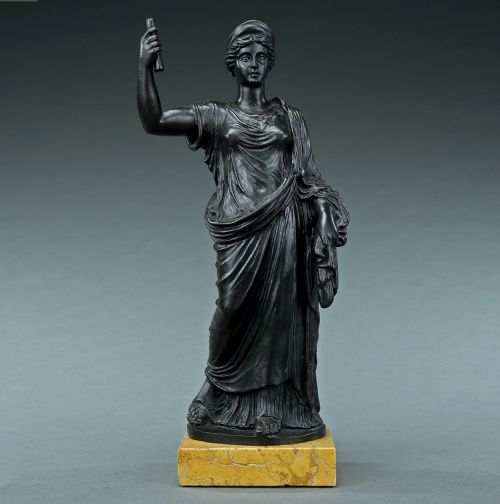
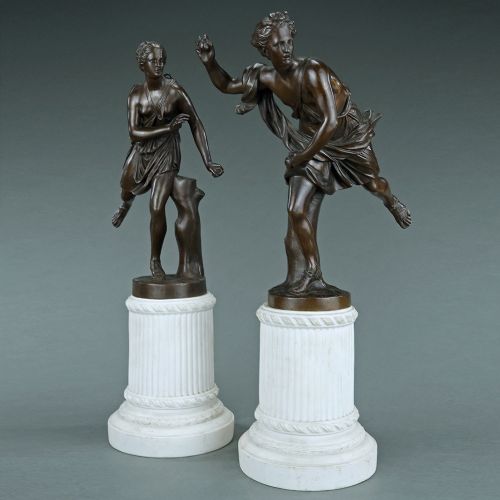
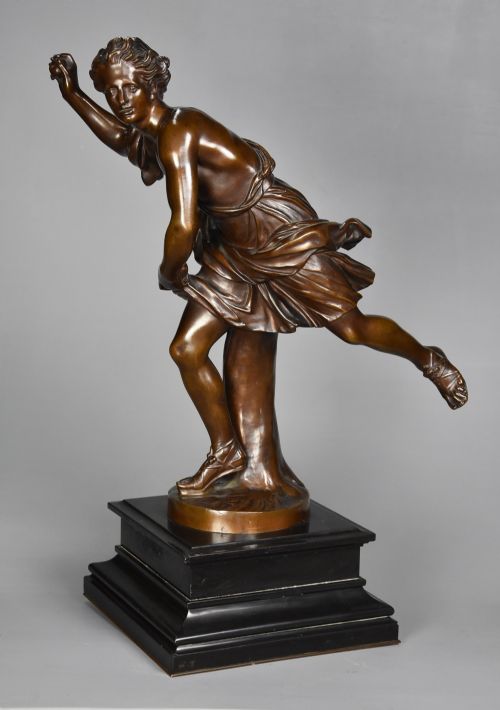
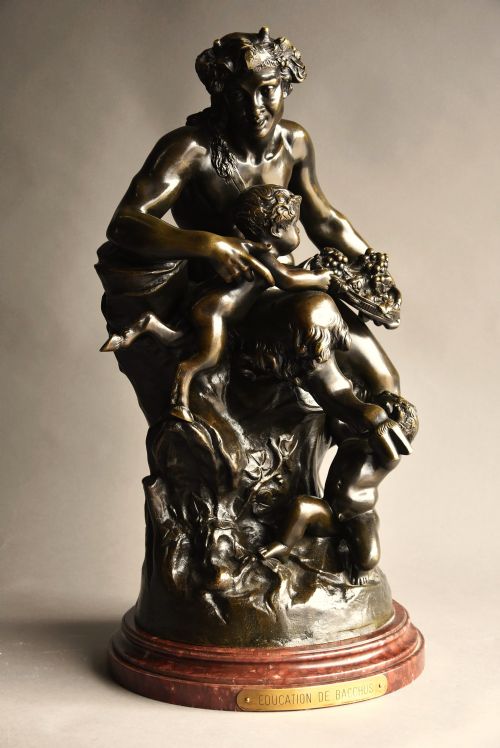
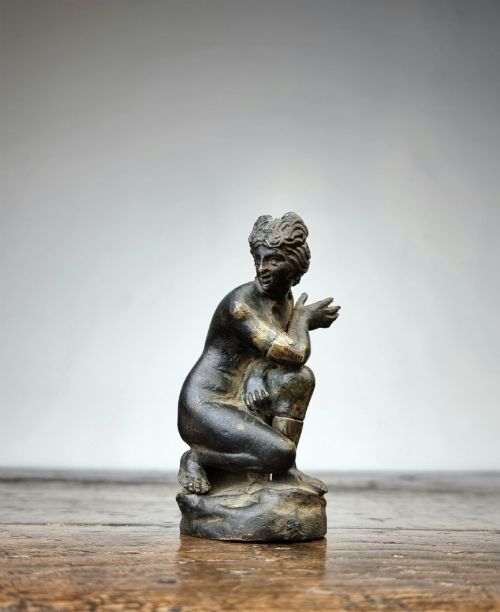
An antique mythology bronze sculpture portrays gods, heroes, and mythical narratives drawn from classical antiquity. These works range from small Grand Tour souvenirs to substantial signed foundry casts produced across the nineteenth century.
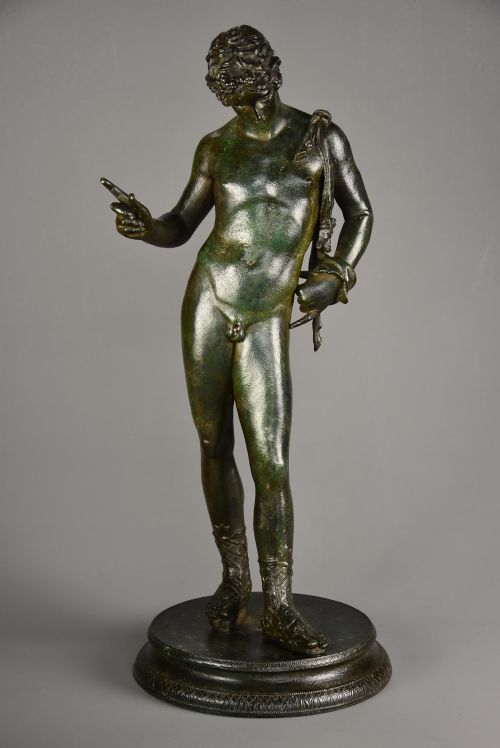
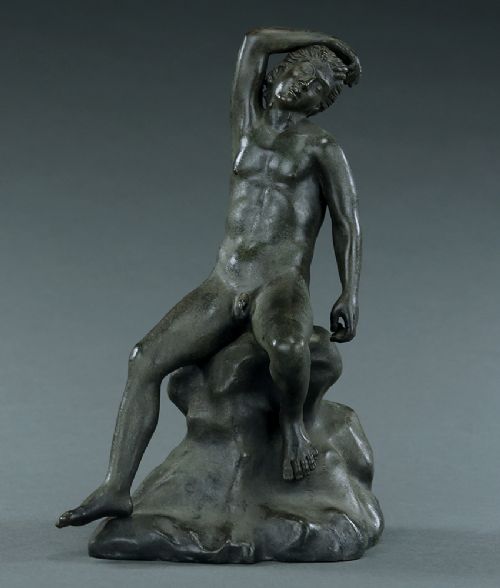
The subjects on this page lean heavily toward Greco-Roman deities and figures such as Bacchus, Narcissus, Venus, and various satyrs and fauns. Many follow famous classical or Renaissance prototypes discovered during excavations or housed in European museums.
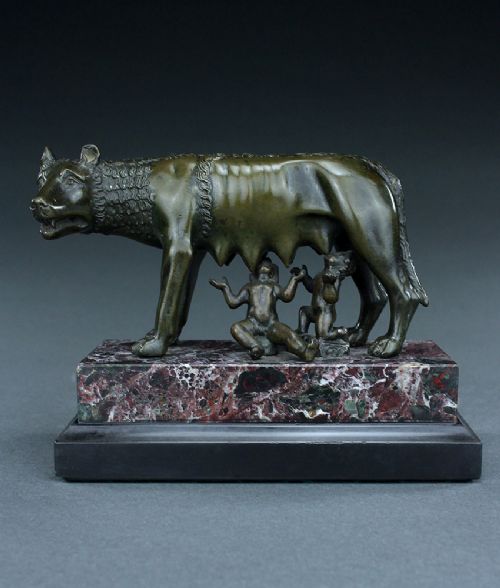
Most examples originate from French and Italian foundries, capturing the enduring nineteenth-century appetite for classical revival aesthetics. Figures appear either as standalone statuettes or part of sculptural groups mounted on stone bases.
How they were made
Foundries utilised the lost-wax casting technique or sand casting methods to translate modelled clay or plaster into durable bronze. Molten metal filled the mould, capturing fine details of drapery, musculature, and facial expression before cooling.
Makers applied chemical patination treatments to the metal surfaces, producing deep brown tones, bright verdigris, or nuanced green finishes that mimic ancient patinas. Bases of marble or ebonised wood often support the bronze figures, providing structural stability and visual contrast.
The listings feature works spanning from the seventeenth century through the 1930s, with a strong concentration of nineteenth-century French and Italian foundry production.
What varies in quality
The depth and nuance of the applied patination dictate the visual life of the sculpture. A sophisticated patina displays subtle tonal variations and light reflectivity, whereas inferior applications appear flat and uniform.
Barbedienne·Claude Michel Clodian·Augusto Rivalta·Albert Hussmann·Franz Iffland·Simon Louis Boizot
The Antique Mythology Bronze Sculpture Glossary
- Grand Tour
- A traditional travel itinerary undertaken by European elites through France and Italy to study classical art and acquire souvenirs. These portable bronze sculptures formed a core part of that collecting tradition.
- Patinated Bronze
- Metal treated with chemical solutions to alter its surface colour and texture. This process protects the bronze and simulates the appearance of buried antiquities.
- Ormolu
- Finely ground high-carat gold applied to a bronze base using a mercury amalgam technique. This decorative gilding appears on select busts and mounts within the collection.
- Neoclassical
- An artistic movement drawing inspiration from the art and culture of classical Greece and Rome. Works in this style emphasise proportion, order, and mythological subject matter.
- Lost-wax casting
- A metalworking process where a molten metal is poured into a mould that has been created by means of a wax model. The wax is melted and drained away to leave the cavity for the bronze.
Antique Mythology Bronze Sculpture: Frequently Asked Questions
What is a Grand Tour bronze?
A Grand Tour bronze is a smaller-scale replica of a famous classical statue, cast during the nineteenth century for travellers touring Italy and France.
These pieces served as educated souvenirs for collectors wishing to bring museum antiquities into private domestic spaces.
How do I care for antique bronze?
Dust the sculpture regularly with a soft, dry brush and avoid using commercial metal polishes that strip the historic patina.
Keep the piece away from direct heat sources and high humidity to protect the metal surface and any attached marble bases.
What is patination on bronze?
Patination is the intentional surface coloration applied to bronze using chemical treatments, heat, or acids.
Foundries used these finishes to simulate the aged appearance of ancient excavated bronzes or to achieve rich brown and green tones.
Why are some bronzes green?
Green patination, often called verdigris, mimics the natural oxidation layer that forms on copper alloys over long periods of exposure.
Nineteenth-century makers deliberately applied this green finish to evoke the look of ancient Roman sculptures discovered during archaeological digs.