
Antique Music Paper Rack
An antique music paper rack is a practical stand for sheets and folios, mostly seen here as mahogany or rosewood canterburys from the Georgian and Victorian periods.
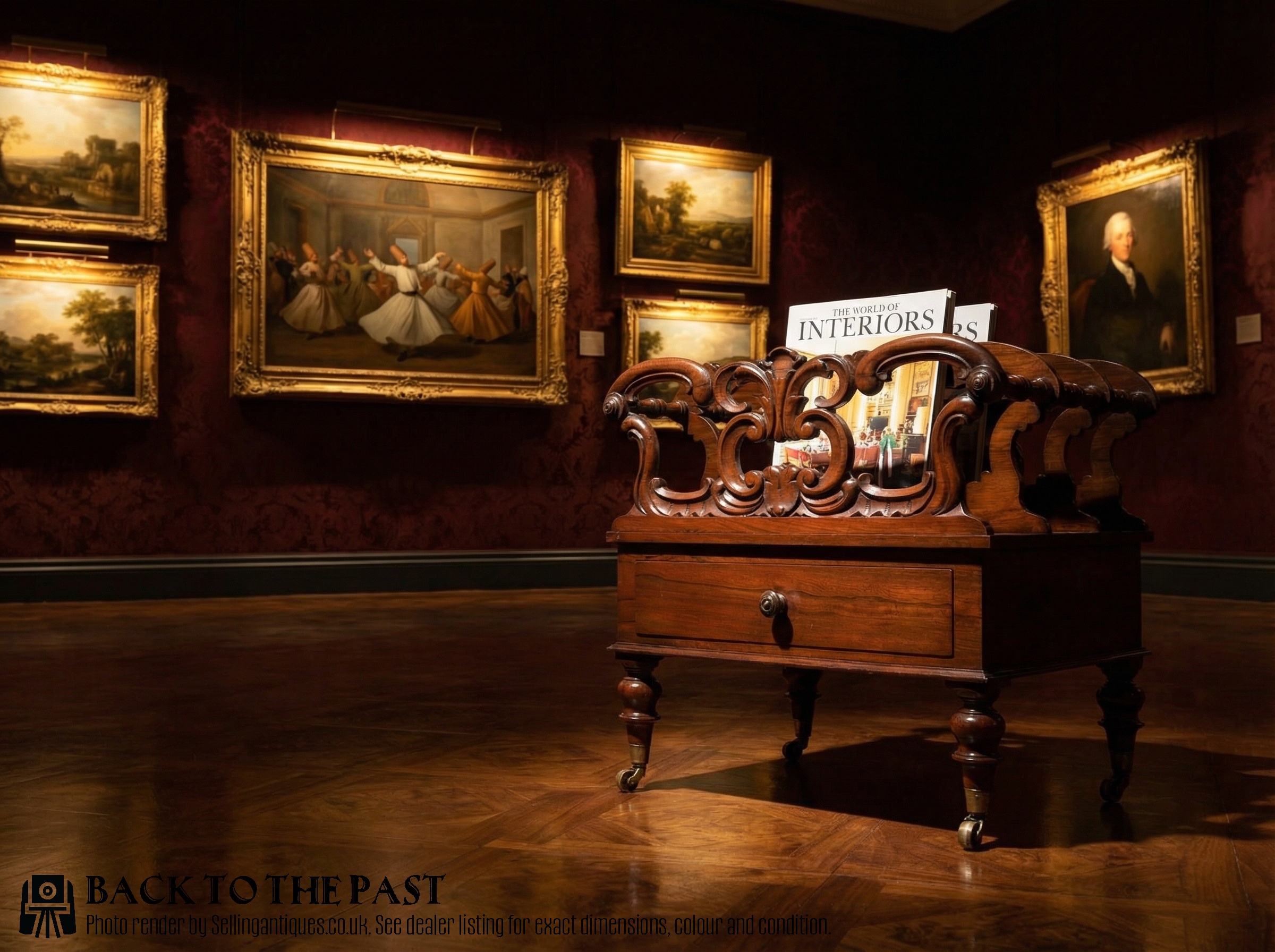
Antique Music Paper Rack
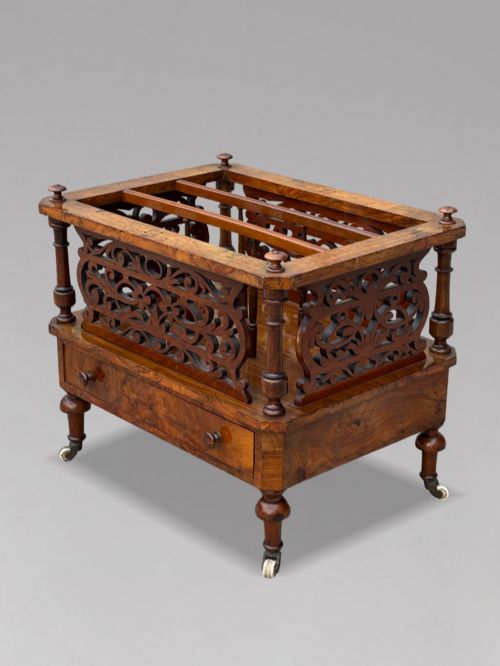
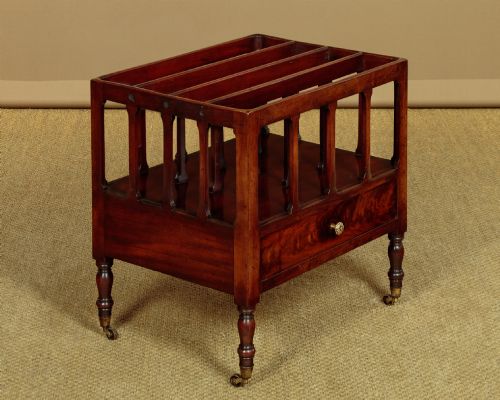
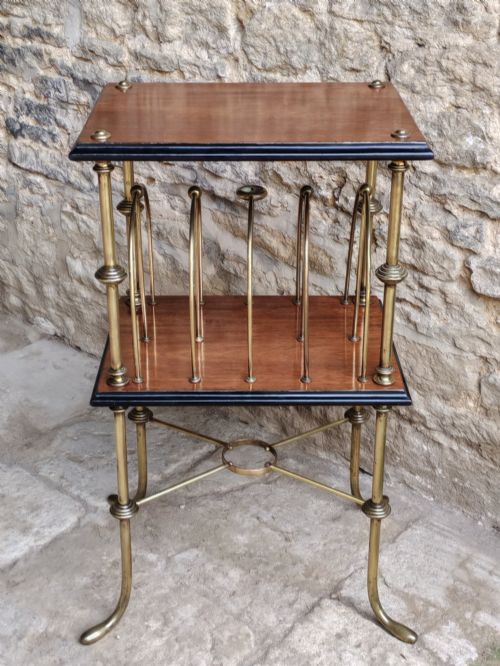
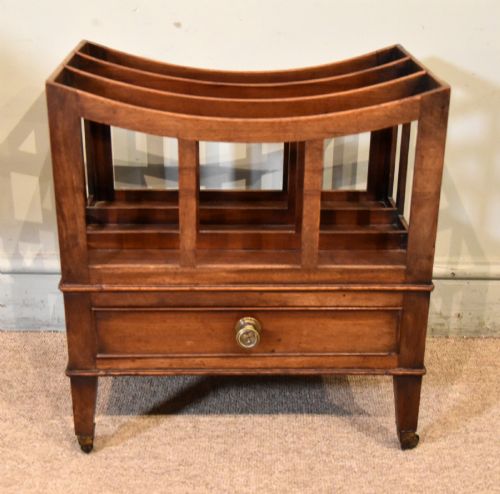
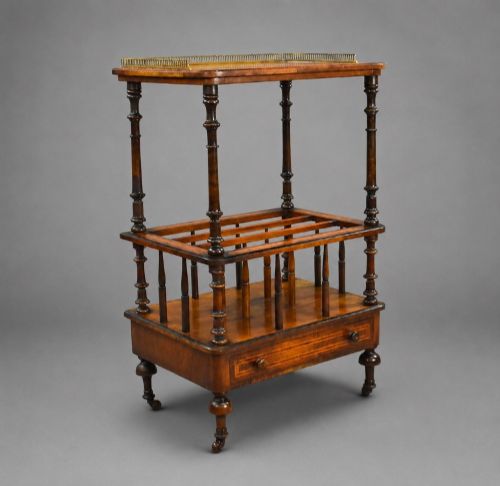
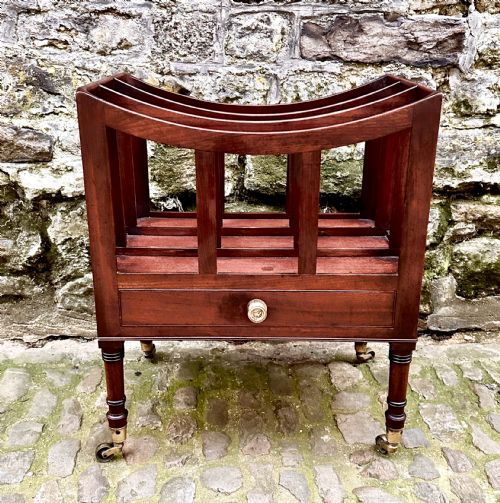
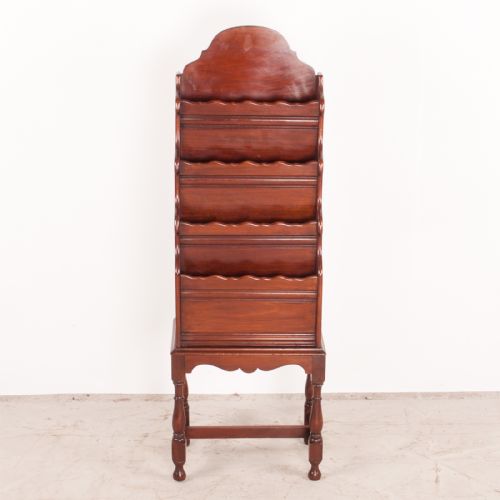
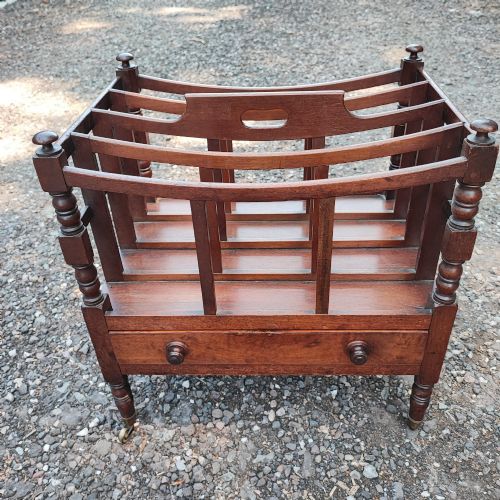
An antique music paper rack is typically encountered as a canterbury, a compartmentalised stand designed to hold folios, sheets and newspapers upright near a piano or seating area. These pieces range from open slatted frames to multi-tiered stands incorporating drawers and lower shelves.
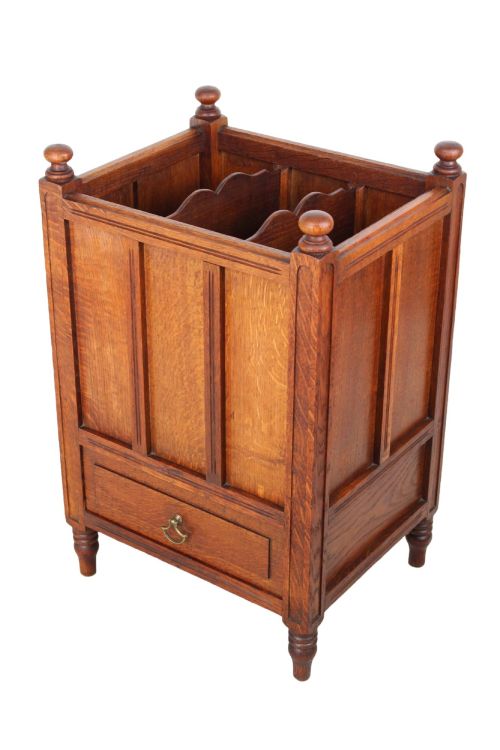
The pieces appearing on this page span the 18th, 19th and early 20th centuries, covering Georgian, Regency, William IV, Victorian and Edwardian eras. Mahogany and rosewood forms dominate the earlier centuries, while burr walnut and oak appear frequently in Victorian and Edwardian examples.
How They Were Made
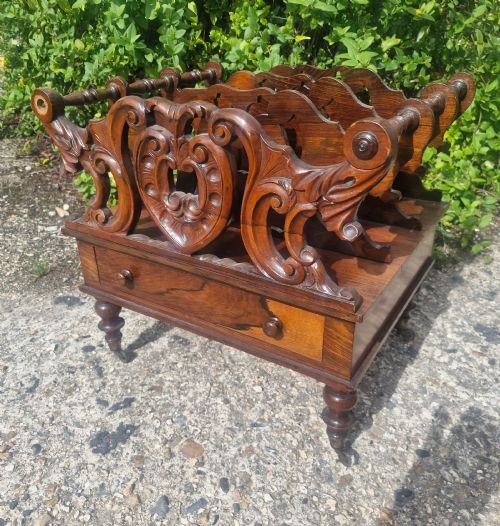
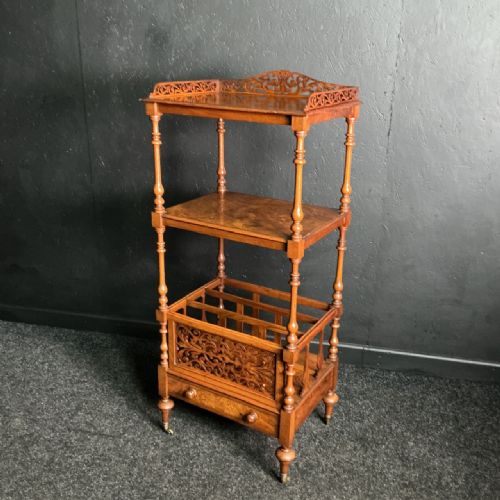
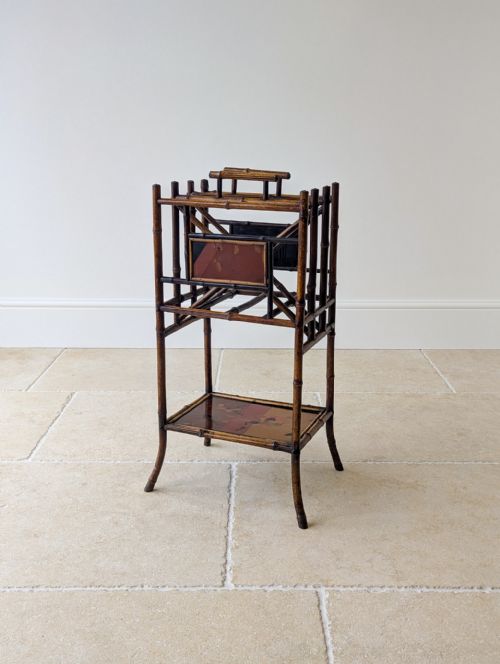
Cabinetmakers utilised dense timbers such as mahogany, rosewood and burr walnut, often framing the vertical divisions with turned spindles or pierced fretwork slats. Inlay, brass mounts and occasional bamboo work define the decorative vocabulary across different decades.
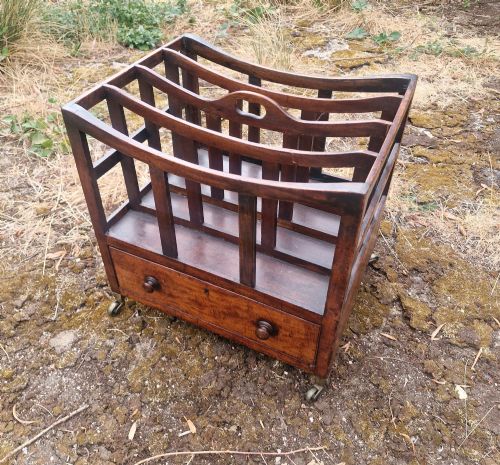
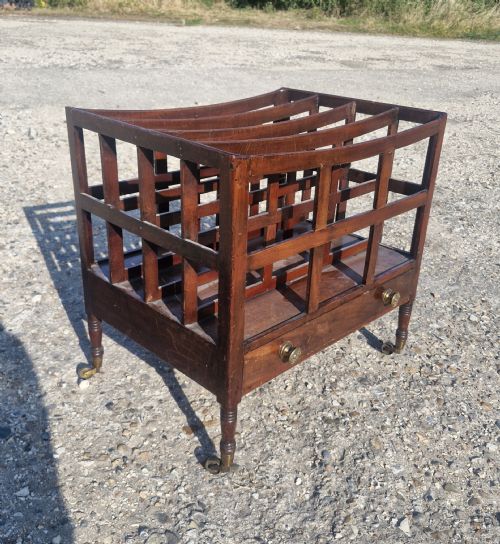
Joinery techniques rely on solid timber construction for structural uprights and internal dividers, supported by brass castors on many floor-standing models to allow smooth movement across rooms.
Listings feature woods spanning mahogany, rosewood, walnut, burr walnut and oak, alongside bamboo and ceramic elements.
What Varies in Quality
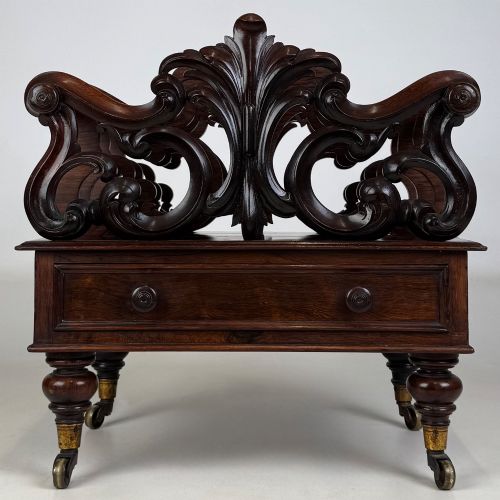
Quality rests in the crispness of the turning on spindles, the depth of figure in the mahogany or burr walnut veneer, and the restraint or elegance of the inlay. Pieces with finely carved details, such as Prince of Wales feathers, stand apart from plainer utility stands.
Structural integrity of the slatted dividers and the quality of the original brass castors or mountings distinguish high-end cabinet work from simpler workshop production.
The Antique Music Paper Rack Glossary
- Canterbury
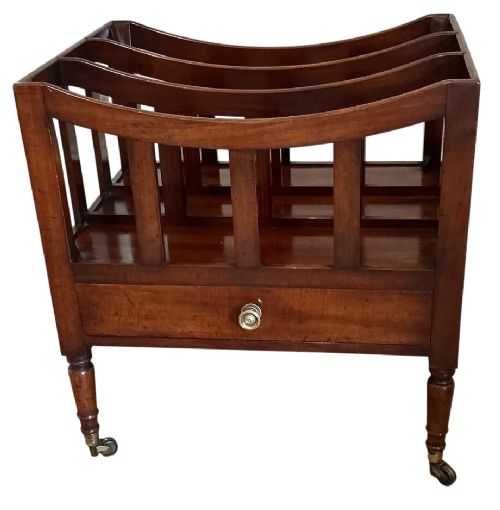
- A low stand with vertical divisions used for holding sheet music, newspapers and magazines. These typically feature three or four partitions above a small drawer.
- Whatnot
- A piece of open shelving furniture with multiple tiers supported by slender columns. Examples on this page often combine shelving with lower canterbury compartments.
- Regency
- A style period dating roughly from the early 19th century, characterised by classical restraint, rosewood veneers and brass inlay or fittings.
- William IV
- A transitional period between Regency and Victorian styles, known for robust proportions, rosewood timber and substantial carved details.
- Inlay
- A technique where contrasting materials such as lighter woods are fitted into the surface of a primary timber to form decorative patterns.
Antique Music Paper Rack: Frequently Asked Questions
What is a canterbury?
A canterbury is a compartmentalised stand designed specifically for holding sheet music, newspapers and folios upright.
Most examples feature slatted divisions above a low drawer, mounted on small castors for easy placement beside a piano.
How were music paper racks used?
These racks kept unbound sheet music, folios and daily newspapers organised and accessible in drawing rooms and parlours.
Musicians placed their scores within the vertical partitions for quick selection during practice or performance.
How do I date a music rack?
Dating relies on timber choice, construction methods and stylistic markers associated with periods like Regency, William IV and Victorian.
Mahogany and rosewood dominate early pieces, while burr walnut and oak become prevalent in the later Victorian and Edwardian eras.
Can these racks hold modern magazines?
Most antique canterburys and music racks accommodate standard contemporary magazines and oversized art books within their divisions.
The spacing between vertical slats varies, so checking individual dimensions ensures a proper fit for modern publications.