


Antique Mule Box
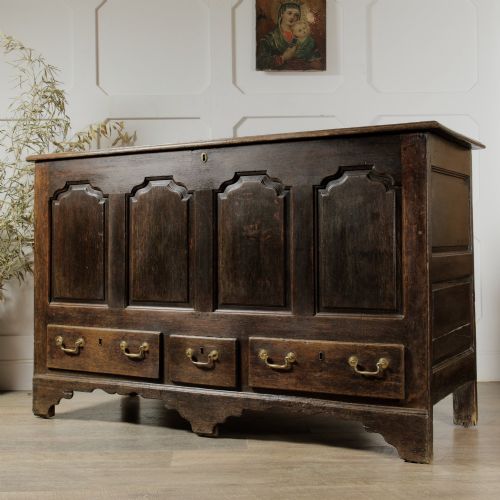
An antique mule box brings centuries of sturdy storage into a room, offering heavy timber construction and practical depth.
Antique Mule Box
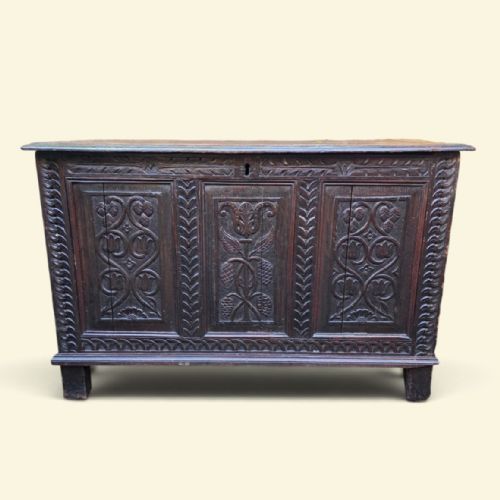
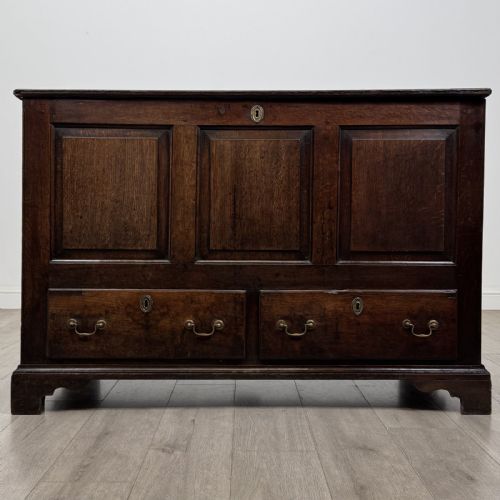
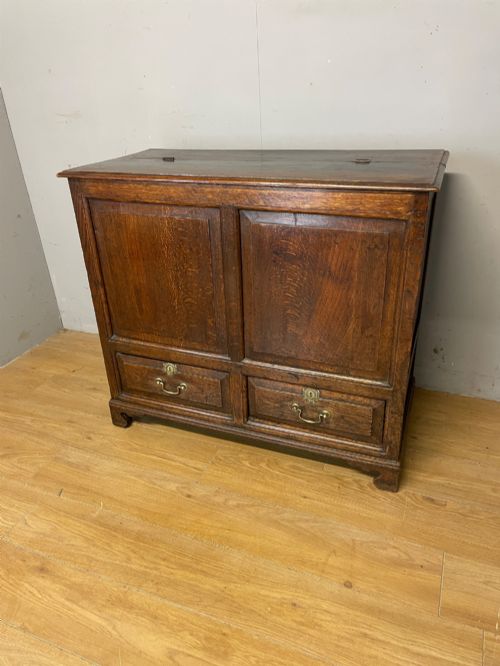
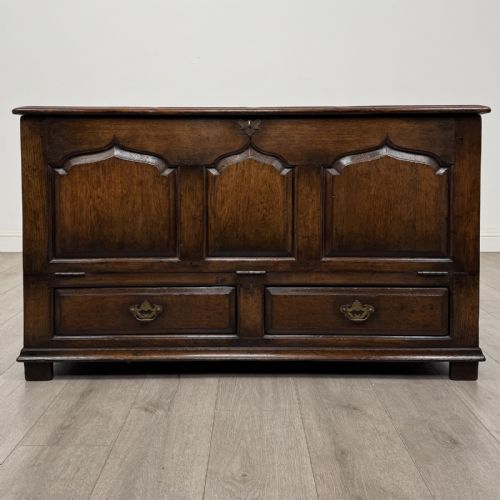
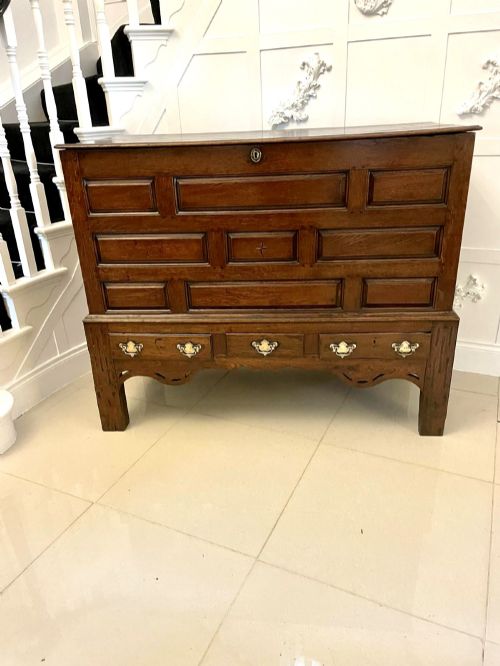
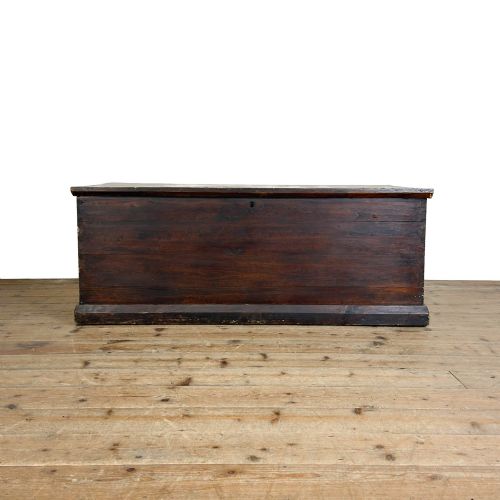
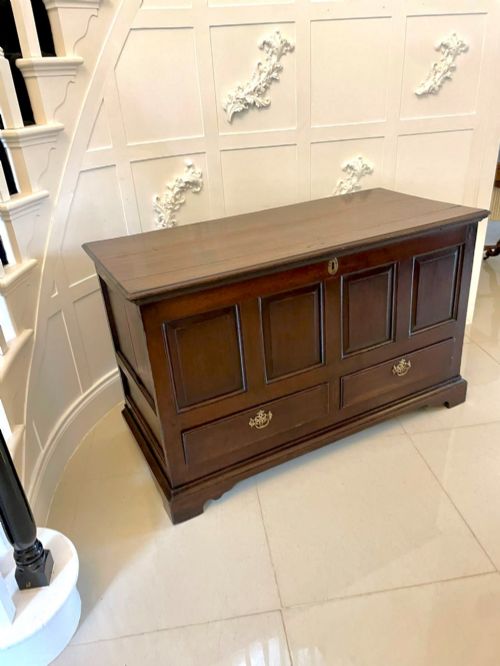
An antique mule box sits in the lineage of coffers and storage chests, frequently appearing alongside mule chests and blanket boxes in the evidence. Buyers seeking this phrase encounter solid timber forms designed for household storage, often combining a lower drawer with an upper chest compartment.
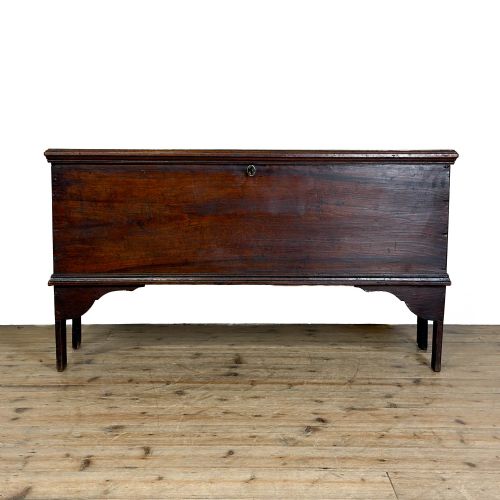
The pieces available span from the seventeenth century through the eighteenth and nineteenth centuries, with later revival examples extending into the twentieth century. English oak dominates the earlier periods, while pine and elm emerge in nineteenth-century interpretations.
Regional variations surface across the selections, including Welsh pieces from Carmarthenshire alongside English examples from Dorset. These regional forms retain the utilitarian character of domestic furniture intended for daily utility.
How they were made
Cabinet makers built these boxes primarily from solid English oak, elm, and pine, relying on heavy timber planks to create rigid structural integrity. Joined construction and panelled methods allowed the wood to expand and contract naturally over decades.
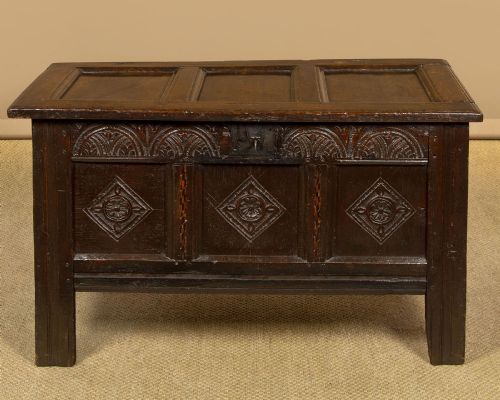
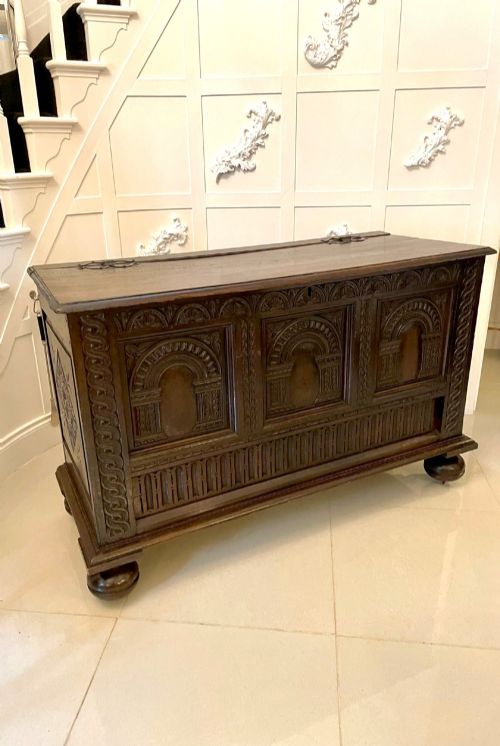
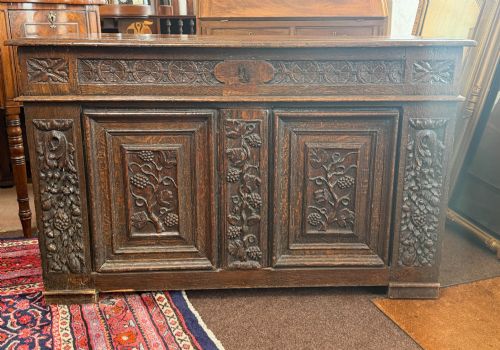
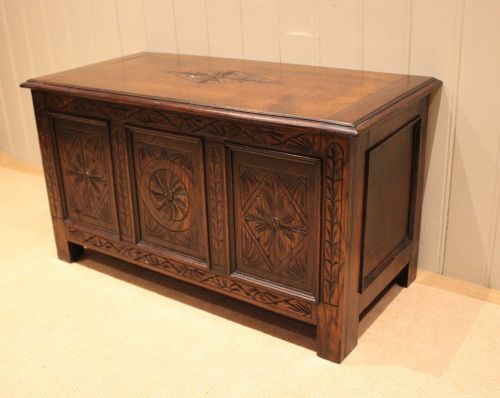
Decoration involved hand carving, fluting, and marquetry inlay applied directly to the timber surfaces. Iron and brass hardware, including hinges and locks, secured the lids and drawers against regular use.
Antique Mule Box Retail Price Guide 2026
Typical asking prices for mule box among the pieces listed under this phrase on Sellingantiques today, from the lower quarter to the upper quarter. They describe what is for sale here now, not the wider market.
Several seventeenth-century chests arrive bearing carved dates, ensuring the timber's age is permanently etched into the oak.
What varies in quality
The integrity of the original timber and the depth of hand carving separate standard storage boxes from exceptional examples. Pieces retaining their original joined framework and unblemished board surfaces demonstrate superior historical preservation.
The refinement of the marquetry inlay and the retention of period brass or iron hardware influence the overall distinction of a piece. Finer examples display meticulous attention to joint construction and harmonious proportions across the panels.
The Antique Mule Box Glossary
- Mule chest
- A storage chest featuring one or more drawers beneath the main lift-top compartment. This form bridged the transition between simple coffers and multi-drawer chests of drawers.
- Coffer
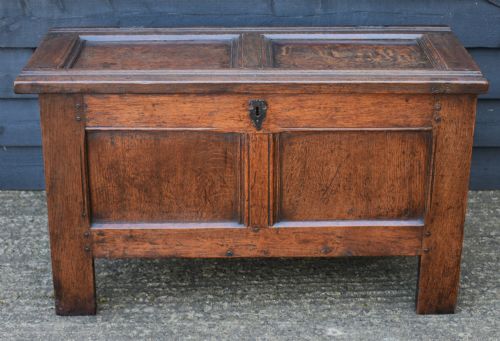
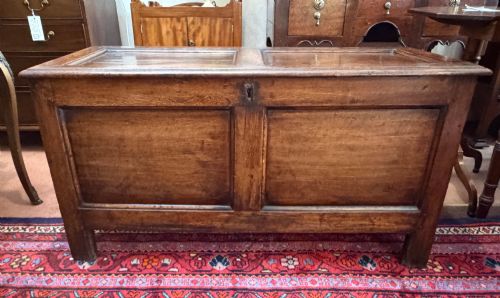
- A heavy wooden box with a hinged lid used for storing valuables, linens, or documents. Early examples often utilised joined oak panels.
- Marquetry inlay
- Decorative patterns formed by fitting contrasting pieces of wood veneer into the primary timber surface. This technique added ornamentation to panels and drawer fronts.
- Joined oak
- Furniture constructed using mortise and tenon joints secured with wooden pegs rather than modern fasteners. This method provided exceptional strength to seventeenth-century pieces.
- Six-plank coffer
- A primitive chest constructed from six individual boards joined directly at the edges. Elm and pine frequently served as the primary timber for this regional form.
Antique Mule Box: Frequently Asked Questions
What is an antique mule box used for?
These boxes served primarily to store household textiles, blankets, and personal valuables in domestic settings.
Today, they function effectively as living room coffee tables, bedroom blanket chests, or hallway storage units.
How do I identify a seventeenth century oak coffer?
Seventeenth-century examples feature heavy joined oak construction, often displaying hand-carved panels and pegged mortise joints.
Surface patination on these early pieces shows deep colour and wear accumulated over hundreds of years of handling.
Are pine trunks different from oak mule chests?
Pine trunks generally date from the nineteenth century and offer a lighter, more utilitarian appearance than seventeenth-century oak furniture.
They frequently feature painted or stained finishes suited for rural domestic storage rather than formal parlour use.
What distinguishes a mule chest from a standard coffer?
A mule chest incorporates one or more drawers at the base beneath the main storage well accessed through the top lid.
Standard coffers provide only top-access storage without the lower drawer compartments.