

Antique Mirrored Girandole Sconces
Antique mirrored girandole sconces combine reflective glass with integrated candle arms to throw warm, multiplied light across a room.
Antique Mirrored Girandole Sconces
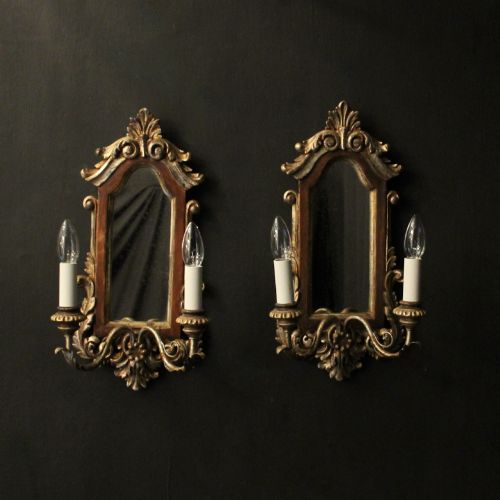
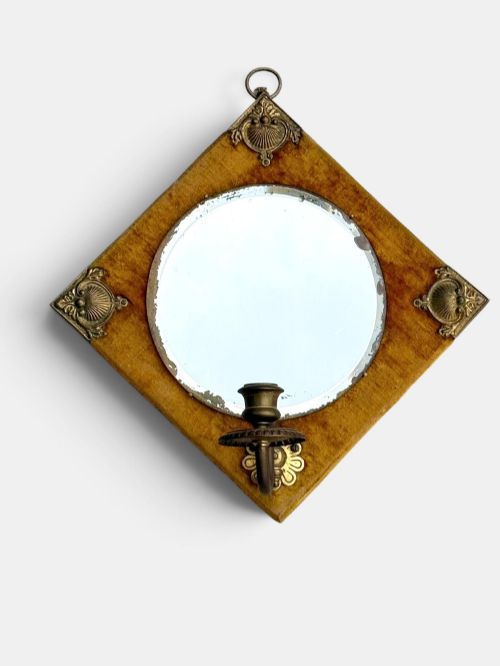
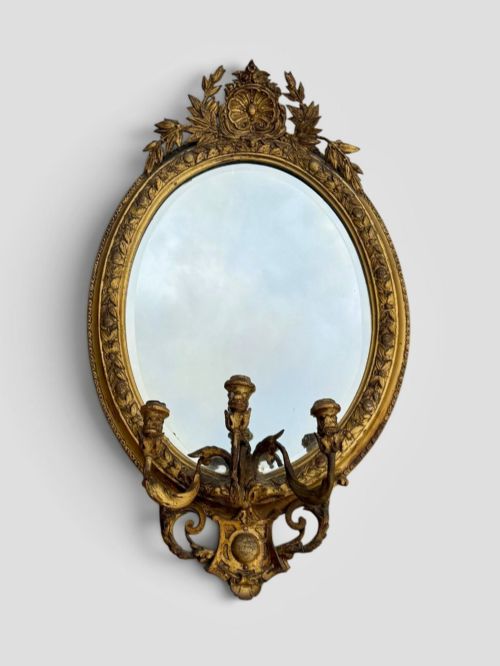
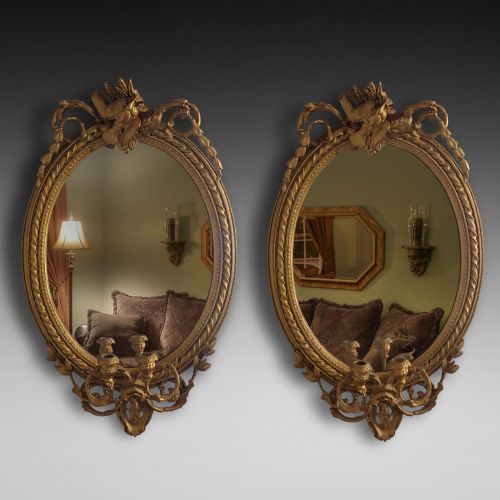
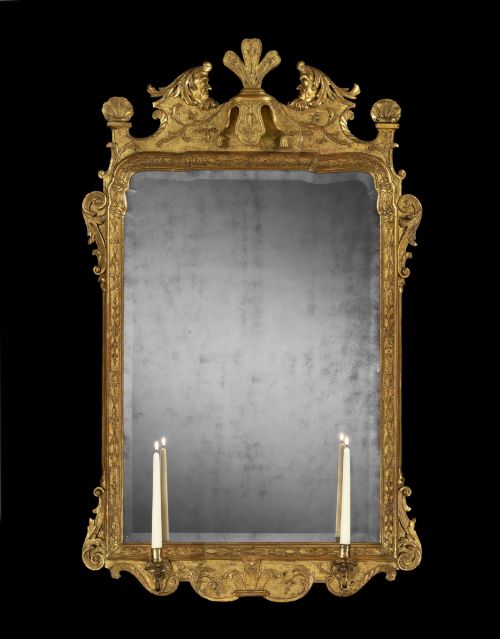
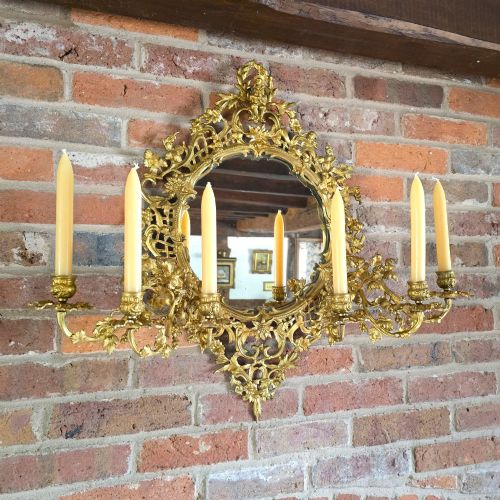
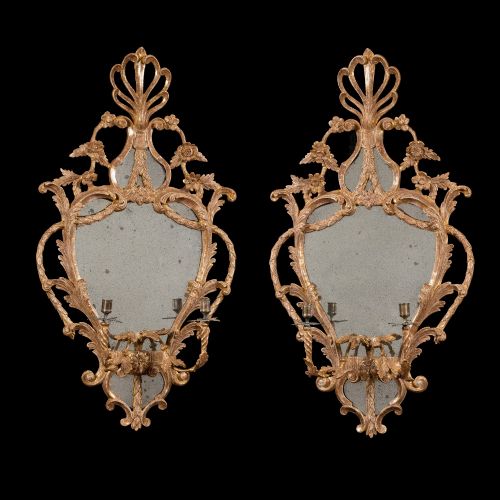
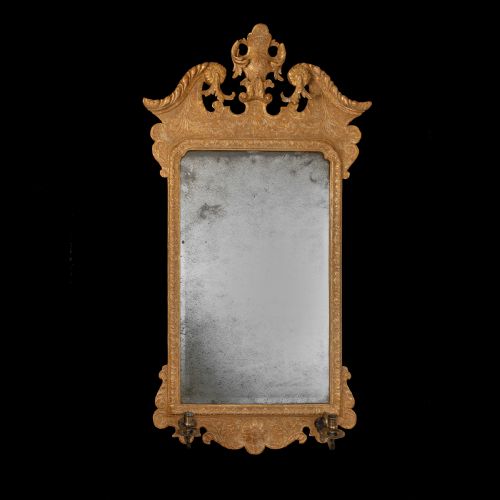
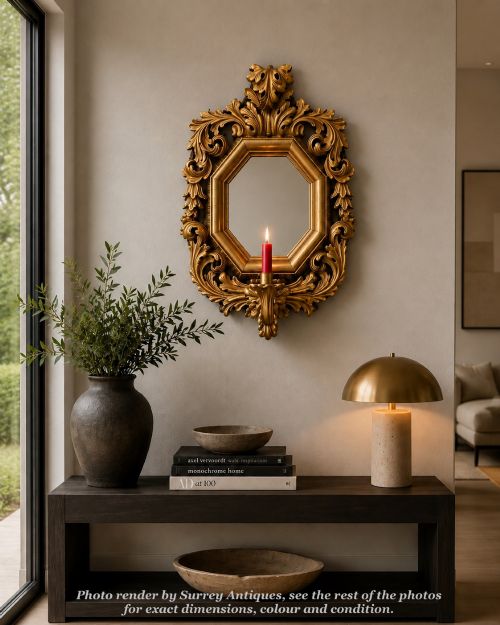
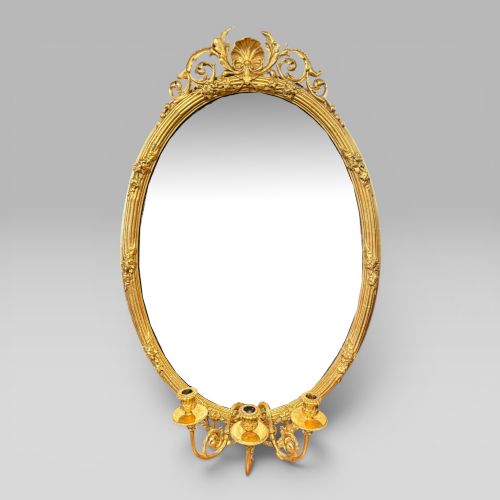
Antique mirrored girandole sconces are decorative wall lights that combine a reflective glass plate with one or more projecting candle arms. These pieces serve to amplify candlelight within a room while functioning as ornamental wall furniture. Buyers search this phrase to find reflective wall fixtures that date from the eighteenth century through to the early twentieth century.
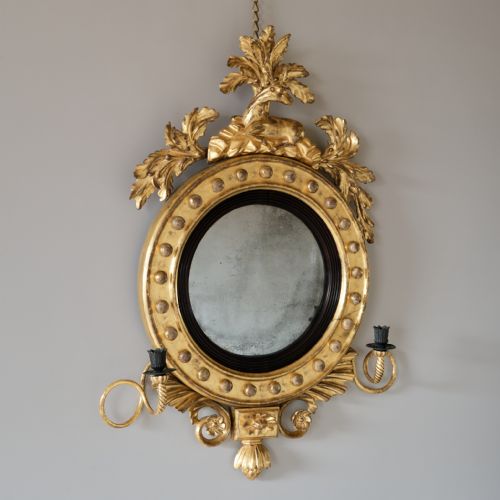
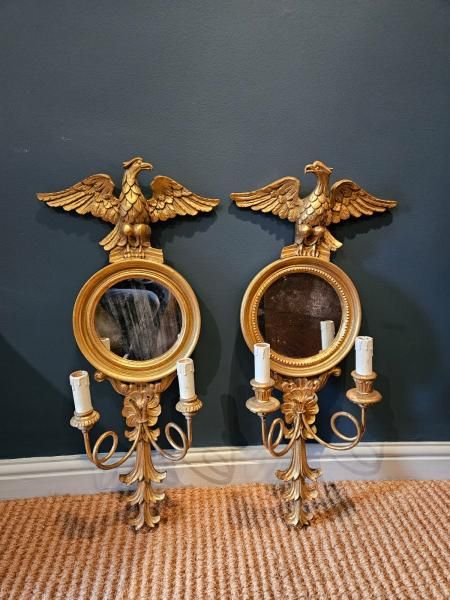
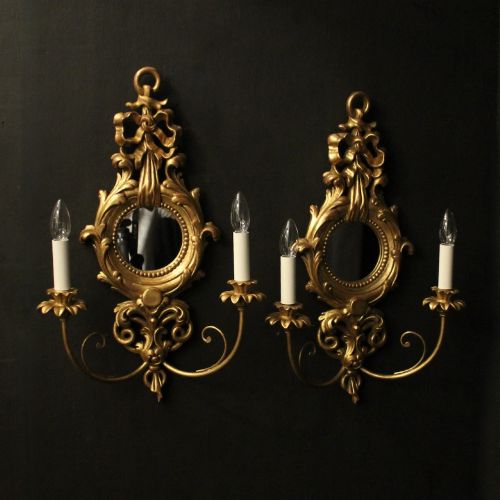
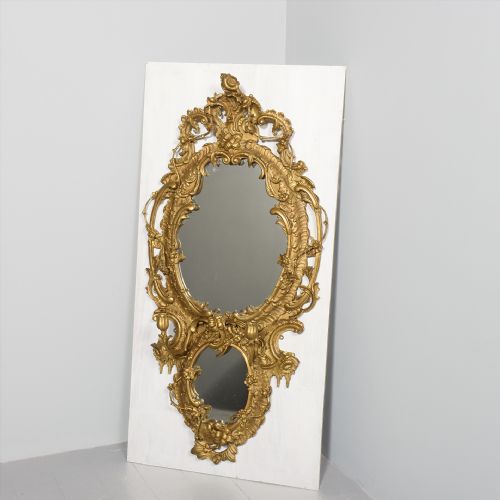
The selection on this page relies heavily on nineteenth-century examples, alongside pieces from the eighteenth and early twentieth centuries. Forms range from convex wall mirrors to twin-arm girandoles and multi-branch candelabra mirrors. Common aesthetic treatments span Regency, Rococo Revival, Neoclassical, and Italian Rococo styles.
How they were made
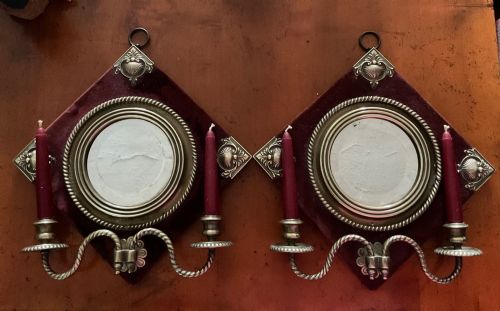
Carvers and gilders built the foundational frames of these wall fixtures from timber such as wood, applying layers of gesso before laying gold leaf over the surface. Other examples utilise cast brass, bronze, copper, or ebonised wood to form the structural body and candle arms. Mirror glass plates are set within these frames to catch and reflect the light from attached sconces.
Ornamentation relies on carved detail and applied gilt or paint, often reflecting specific period tastes like the ornate scrolls of the Rococo Revival or the strict symmetry of the Regency era. Metal components are cast or mounted securely to support the weight of the candle branches without straining the main mirror frame.
Convex girandoles were once known as butler's mirrors because their wide-angle reflection allowed estate staff to survey an entire dining room at a glance.
What varies in quality
The depth and crispness of the carved detail separate standard production from finer work, particularly in how sharply the gesso and giltwood ornament is defined. Superior examples show precise hand-carving on the wooden frames and well-cast metal candle arms that integrate cleanly with the mirror structure.
The integrity of the original gilding and the preservation of the mirror glass contribute significantly to the character of a piece. Better-preserved specimens retain their original surfaces and structural assemblies without heavy later intervention or replaced candle branches.
Benjamin Goodison·Cottier & Co.
The Antique Mirrored Girandole Sconces Glossary
- Girandole
- A branched wall-light or sconce featuring a reflective mirror plate behind the candles. This design multiplies the light cast into the room.
- Gesso
- A plaster-like mixture applied to wood frames to create a smooth surface for gilding. Carvers cut fine details directly into this hardened layer.
- Giltwood
- Timber coated in gold leaf or gold paint to give a luxurious metallic finish. It forms the primary visual body for many period frames.
- Convex mirror
- A round glass plate curved outward to provide a wide, distorted panoramic reflection of the interior. These mirrors often feature integrated candle sconces.
- Ormolu
- Gilded bronze used for decorative mounts and structural components on French pieces. The technique involves applying a mercury and gold amalgam to the metal base.
Antique Mirrored Girandole Sconces: Frequently Asked Questions
How do I hang a heavy girandole?
These wall fixtures require secure fixing directly into wall studs or solid masonry using appropriate weight-bearing brackets. The considerable combined weight of the timber frame, glass, and metal candle arms demands professional installation to ensure stability.
Position the fixture at eye level where the reflective surface and candle arms can catch ambient light effectively. Ensure the wall anchors match the specific construction material of your interior wall before mounting.
Can I burn real candles in them?
While these pieces were built to hold candles, modern use requires caution to protect delicate giltwood, gesso, and antique glass from heat and dripping wax. Using drip-resistant candles or LED alternatives helps preserve the original materials from damage.
Keep flames away from overhanging frames and wall hangings to prevent soot accumulation and scorching. Regular inspection of the metal candle sockets ensures the branches remain stable.
How do I clean antique gesso and giltwood?
Dust the carved frames gently using a soft, dry artist brush or a feather duster to remove surface particles. Avoid liquid cleaners, damp cloths, and chemical solvents, which can strip away fragile gold leaf and soften historical gesso.
Professional restoration is recommended for frames showing active flaking or structural instability. Gentle maintenance preserves the existing patina without altering the historical surface.
How do I tell Regency from Victorian pieces?
Regency pieces often feature clean architectural lines, convex mirror plates, and restrained classical motifs influenced by Neoclassicism. These designs lean toward strict symmetry and polished giltwood finishes.
Victorian girandoles typically embrace heavier ornamentation, asymmetrical Rococo Revival scrolls, and more elaborate cast metal or gilt and gesso decoration. Examining the specific motifs and framing techniques helps separate the earlier Regency style from later Victorian revivals.