



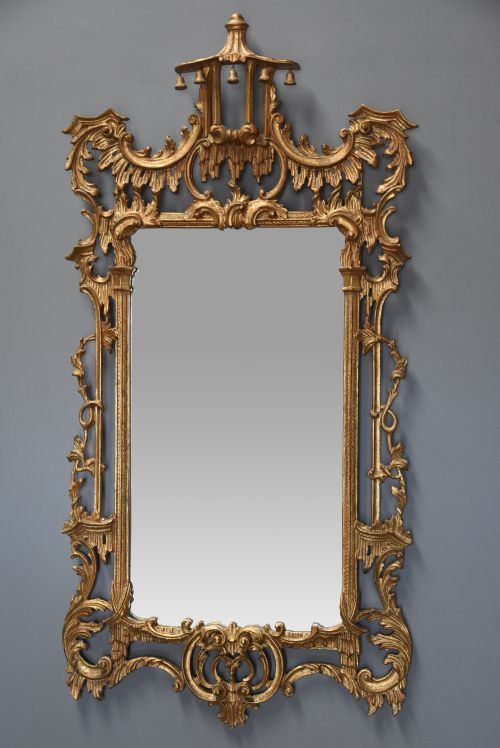

Antique Mirror with Frame
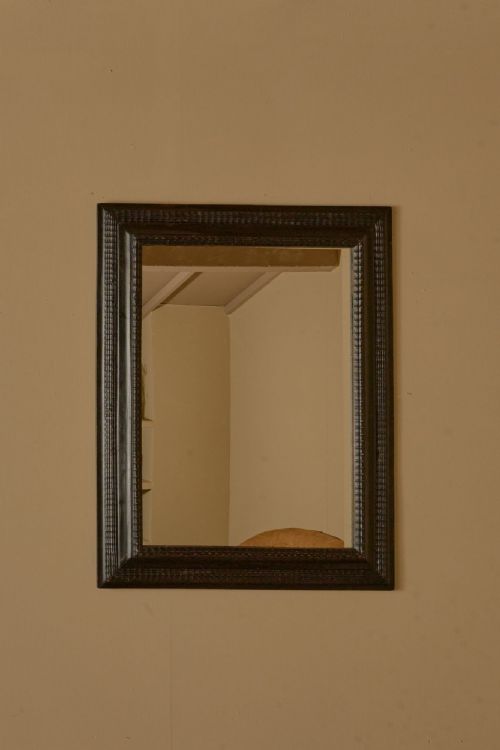
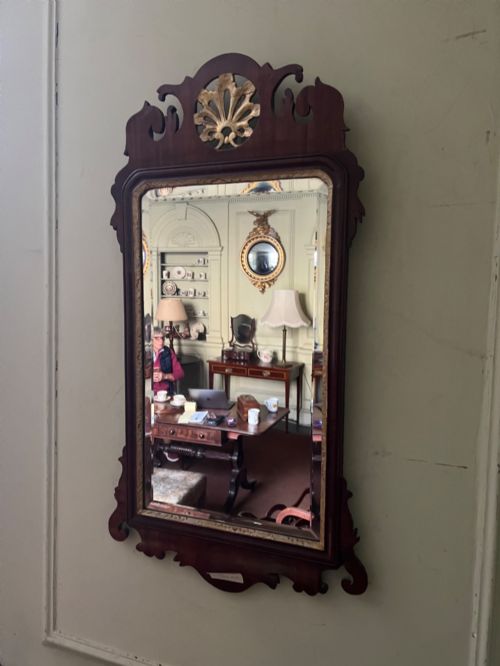
An antique mirror with frame brings centuries of hand-carved joinery and reflective glass into a room, offering historical presence and practical depth.
Antique Mirror with Frame
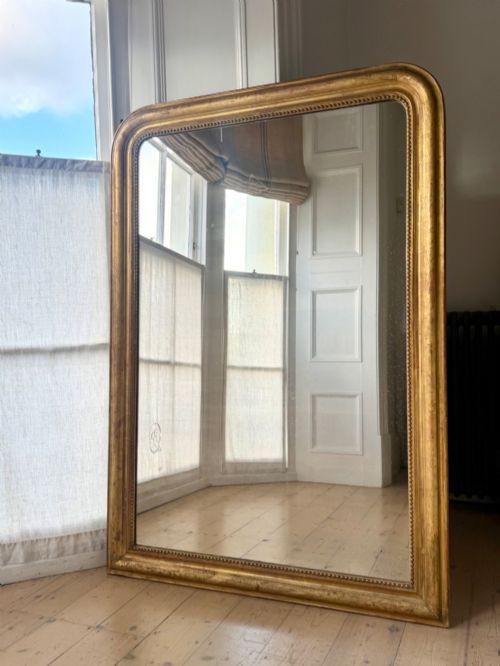
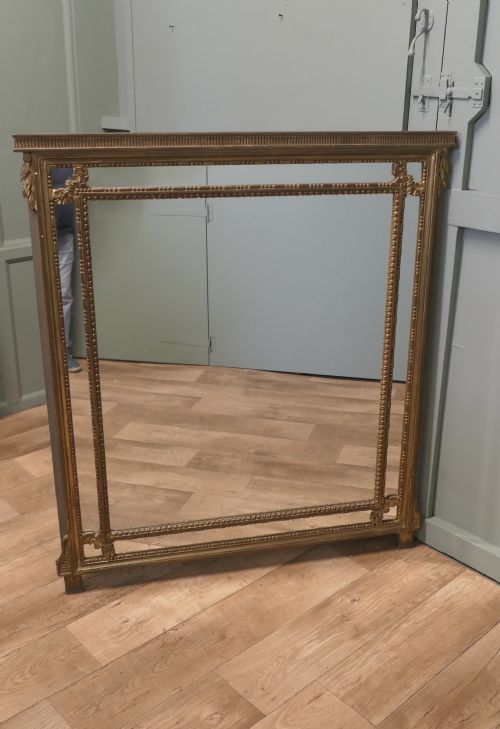
Most examples you meet on this page hail from the nineteenth century, reflecting Victorian, Regency, and French revival tastes. These objects serve both functional and decorative roles, often combining carved wooden surrounds with gilded finishes and original glass plates.
Materials and construction
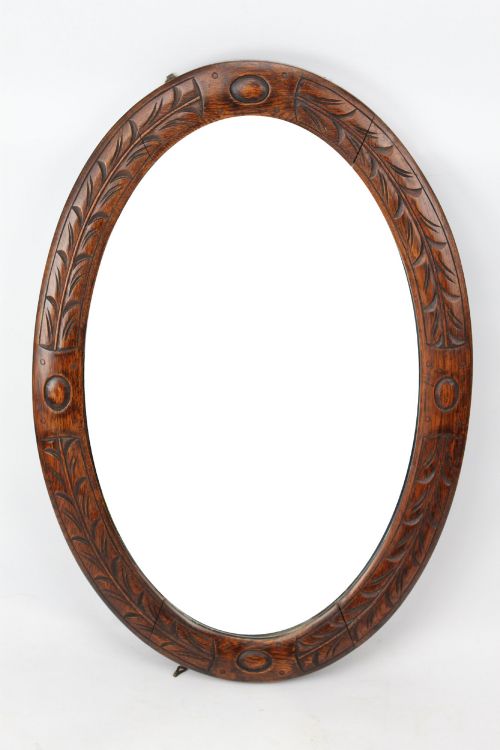
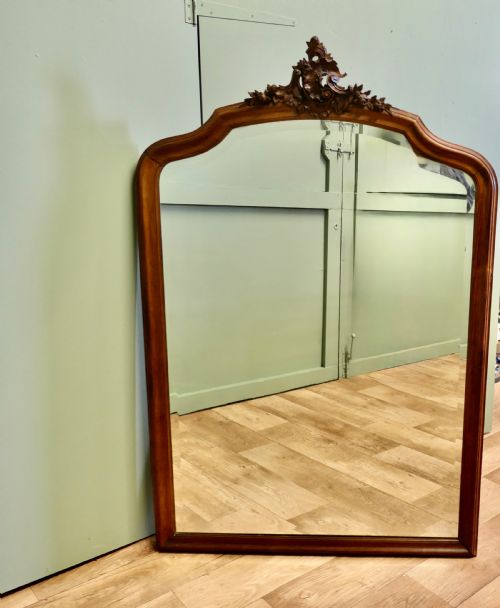
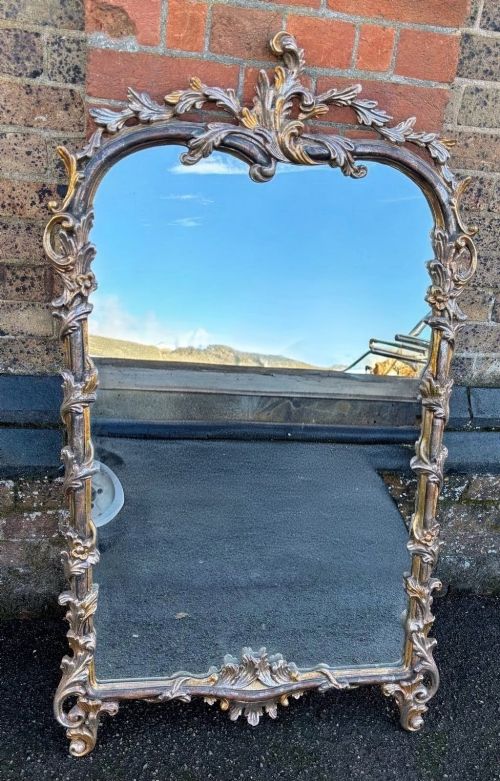
Frames are constructed from foundational timbers such as oak, mahogany, and walnut, frequently coated in gesso before receiving layers of gold leaf, silver-gilt, or oil gilding. Carvers utilised softwoods for intricate scrollwork and floral crests, while specialists applied specialised techniques to achieve deep relief.
Glass production evolved from early mercury plates to later bevelled and silvered sheets. Many surviving examples retain their original foxed plates, showing characteristic dark spots where the backing has aged over generations.
Antique Mirror with Frame Retail Price Guide 2026
Typical asking prices for mirror with frame among the pieces listed under this phrase on Sellingantiques today, from the lower quarter to the upper quarter. They describe what is for sale here now, not the wider market.
Listings feature pieces spanning the 18th century, Victorian era, and early 20th century, constructed in glass, giltwood, gesso, oak, and mahogany.
Judging quality
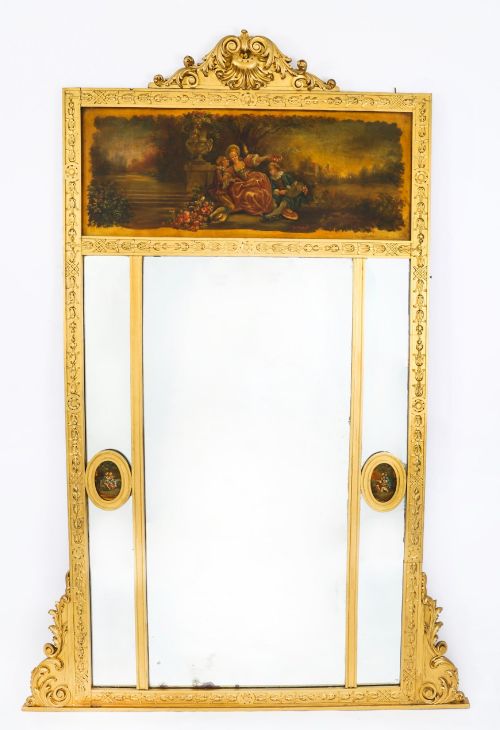
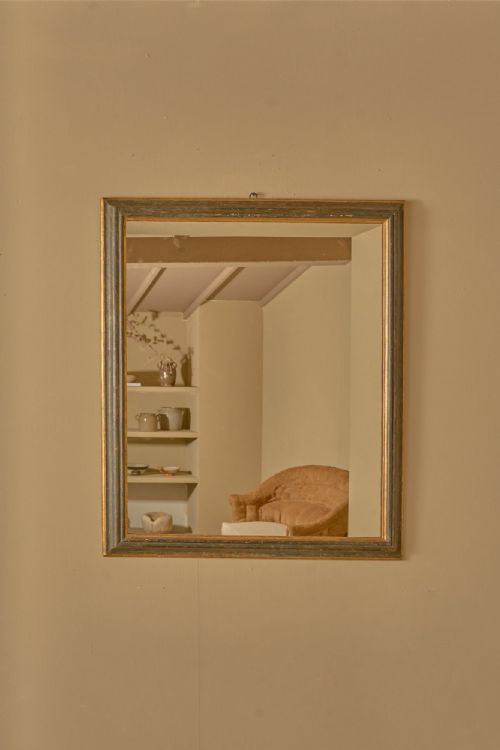
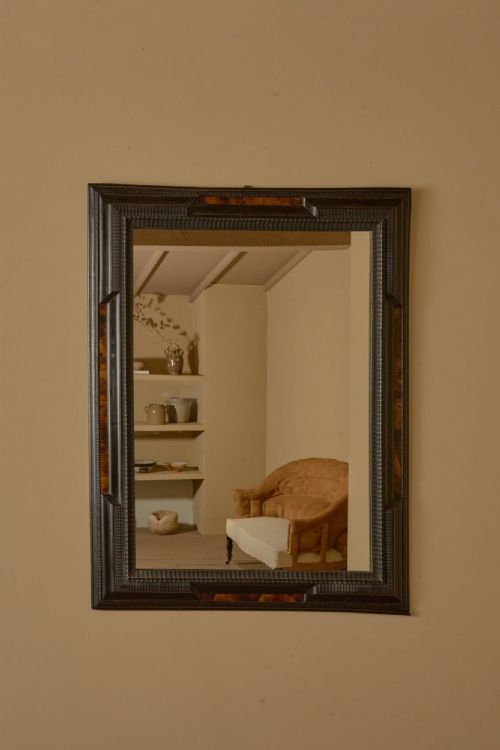
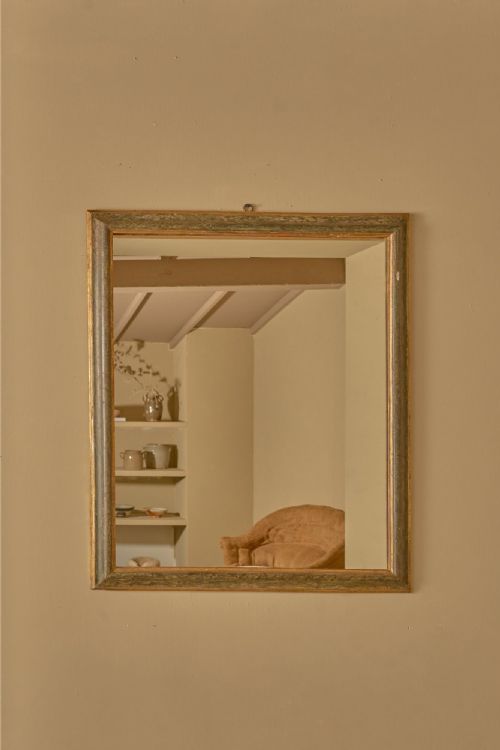
Quality rests in the crispness of the hand-carving and the integrity of the original surface finish, whether giltwood, walnut veneer, or painted trumeau panels. Pieces displaying deep relief work on crests and borders demonstrate superior craftsmanship compared to simpler moulded frames.
The relationship between the glass plate and its frame dictates authenticity and desirability. Original mercury or heavily foxed glass retained within its primary backing holds greater historical weight than modern replacement mirror plates.
The Antique Mirror with Frame Glossary
- Gesso
- A plaster-like mixture applied to wooden frame bases to provide a smooth surface for gilding. It allows carvers to achieve sharp details before applying gold leaf.
- Trumeau
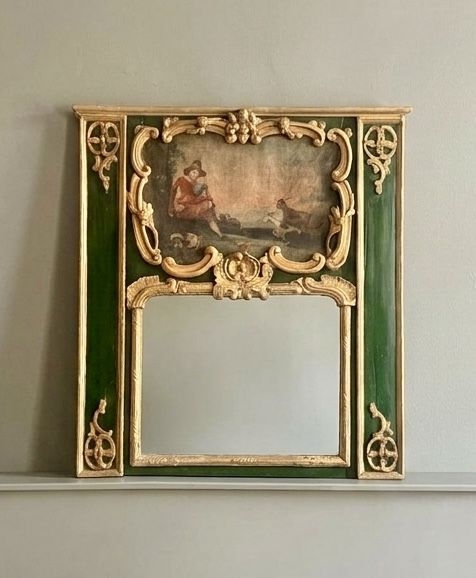
- A decorative wall mirror paired with an oil painting or panel above the glass. These French pieces often feature pastoral or nautical scenes.
- Overmantel
- A large horizontal mirror designed to hang directly above a fireplace mantelpiece. They frequently incorporate architectural mouldings and arched tops.
- Foxed
- The natural ageing of mirror glass resulting in mottled dark spots and clouded areas. This chemical change occurs as the reflective backing deteriorates over time.
- Giltwood
- Timber that has been coated with thin sheets of gold leaf over a prepared base. It provides a bright, reflective metallic surface for ornate frames.
Antique Mirror with Frame: Frequently Asked Questions
How do I date an antique mirror?
Dating relies on examining the construction methods of the wooden frame, the type of backboards used, and the characteristics of the glass plate. Georgian and Victorian pieces often show distinct joinery techniques and nail types that help establish their period.
Secondary clues include the style of any applied crests, such as carved eagles or ho-ho birds, and the chemical composition of the silvering behind the glass.
Can I hang a heavy overmantel mirror safely?
Hanging a heavy overmantel or wall mirror requires fixing directly into structural wall studs or using heavy-duty wall anchors rated for the specific weight of the timber and glass. Professional installation is recommended due to the substantial mass of giltwood and thick mirror plates.
Ensure the weight is distributed evenly across multiple fixing points on the back of the frame rather than relying on a single central wire.
What is a trumeau mirror?
A trumeau mirror is a traditional French wall mirror that incorporates an oil painting or decorative wooden panel directly above the glass plate. These pieces were designed to be mounted flush against wall panels in formal drawing rooms.
Subjects depicted in the upper panels often include pastoral landscapes, floral arrangements, or maritime scenes featuring sailing ships.
Should I replace foxed glass?
Replacing foxed glass is generally discouraged by collectors because the clouded spots and darkened areas are authentic signs of age. Original plates contribute significantly to the historical character and overall value of the piece.
Keeping the original glass maintains the visual harmony between the aged frame and its reflective centre, preserving its antique integrity.