

Antique Mirror on Stand
An antique mirror on stand provides a movable reflective surface supported by its own frame, offering both utility and traditional elegance.
Antique Mirror on Stand
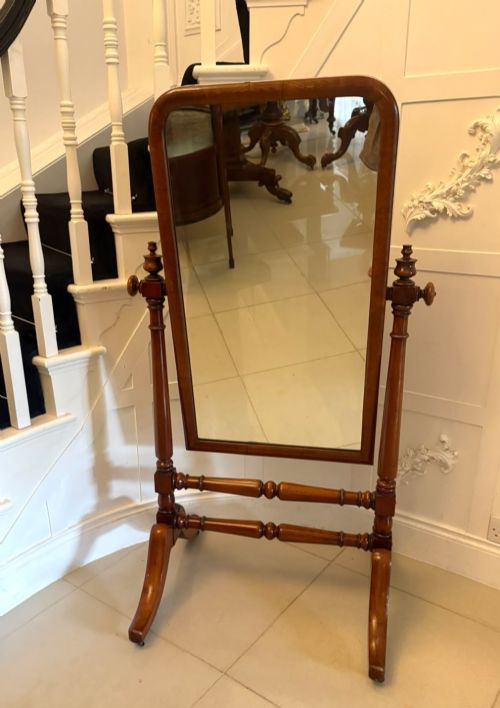
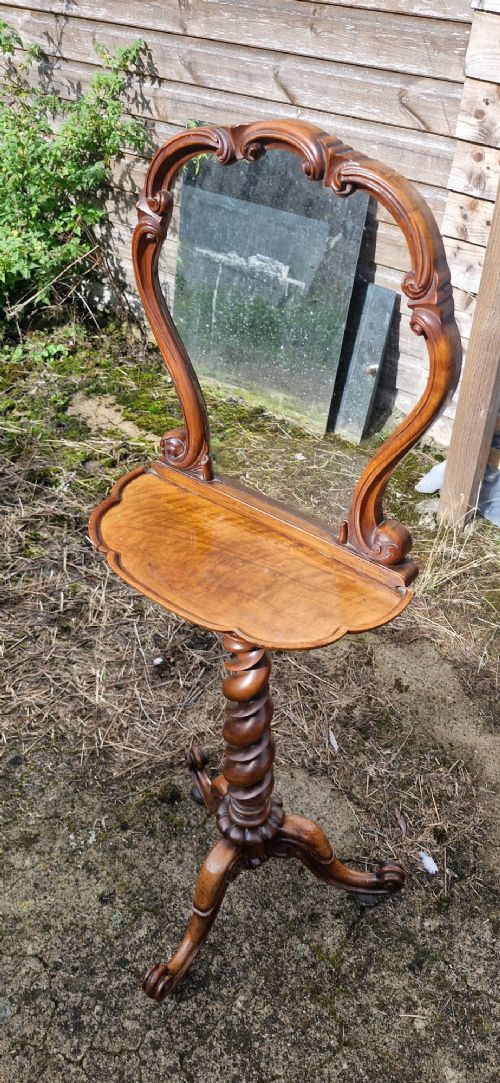
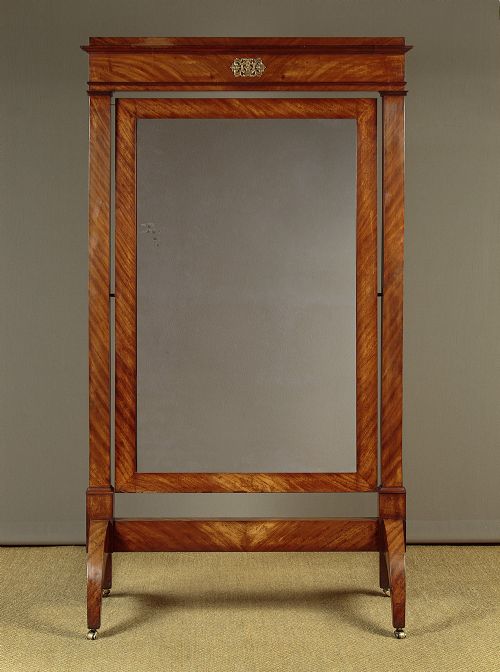
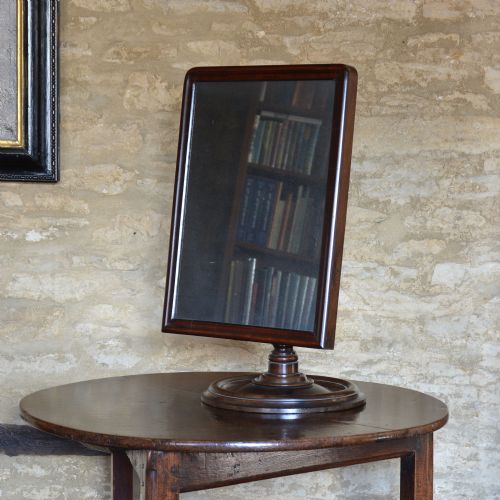
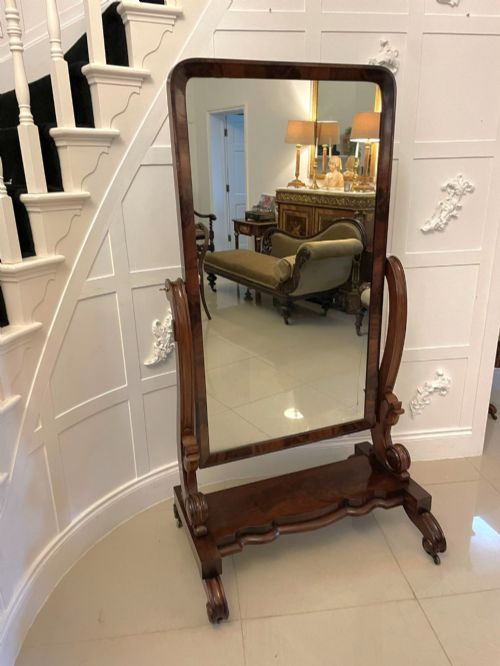
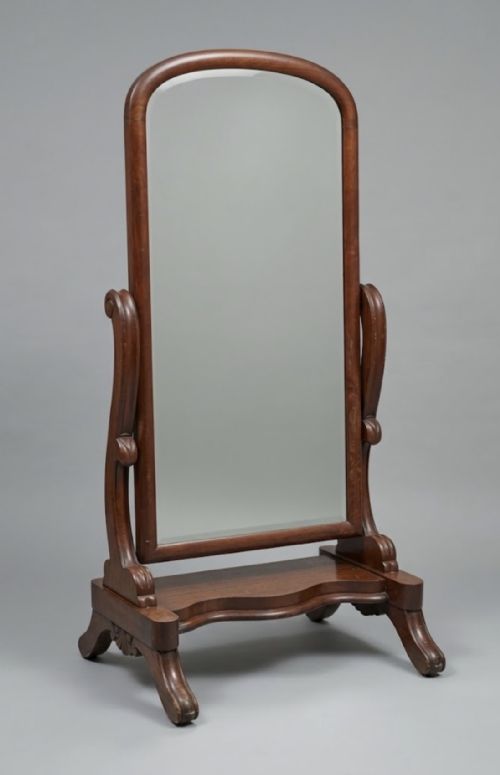
An antique mirror on stand encompasses a variety of freestanding forms designed for dressing, shaving, or general reflection, originating from periods such as the Georgian, Victorian, and Edwardian eras. Buyers searching this phrase most frequently encounter mahogany and walnut cheval mirrors, swing mirrors, and shaving stands supported by feet or pedestals.
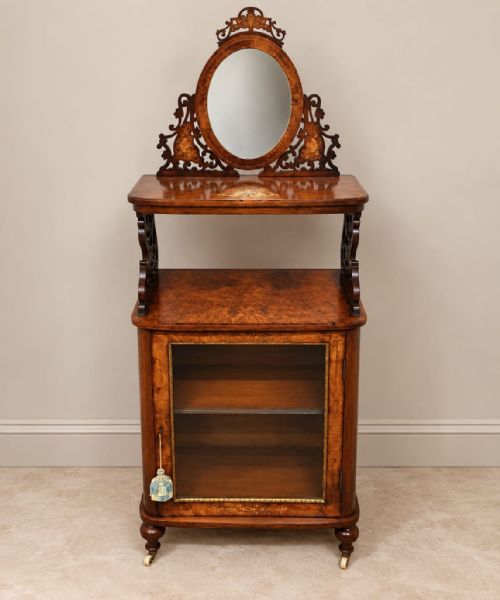
The selection ranges from large floor-standing cheval mirrors to smaller table and dressing mirrors placed upon furniture. These pieces reflect the stylistic shifts of their times, incorporating Georgian proportions, Victorian mass, and Edwardian or Arts & Crafts detail.
How they were made
Cabinet makers utilised dense hardwoods like mahogany, walnut, rosewood, and oak to construct the supportive frames, swing arms, and stands. These timbers were often selected for their grain pattern or burr figures, then polished or waxed.
Metal components such as brass pivots, cast iron frames, and champleve bronze mounts provide structural movement and decorative contrast to the timber. Silvered glass plates are held within rebated frames, sometimes backed with supportive wooden panels.
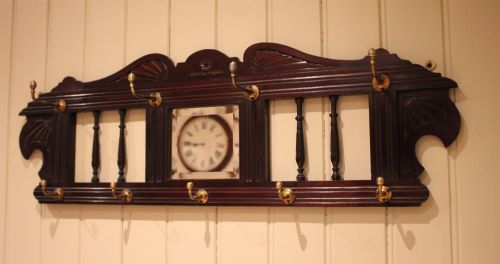
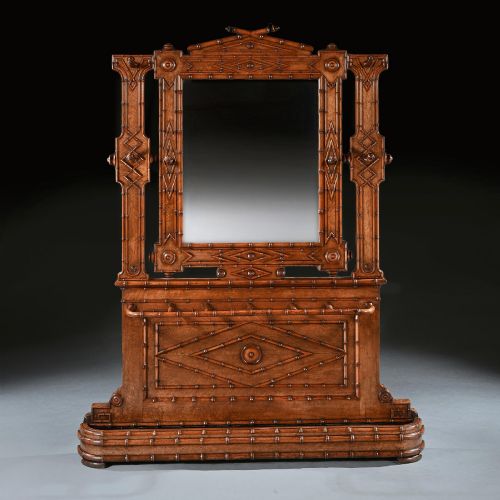
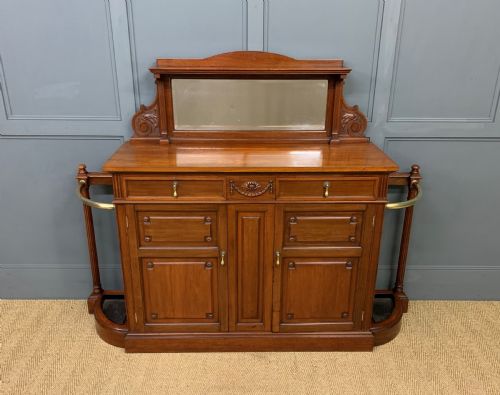
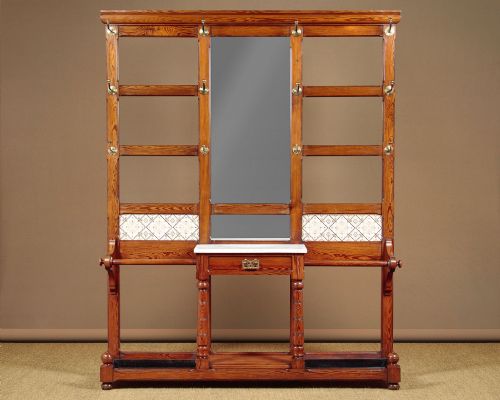
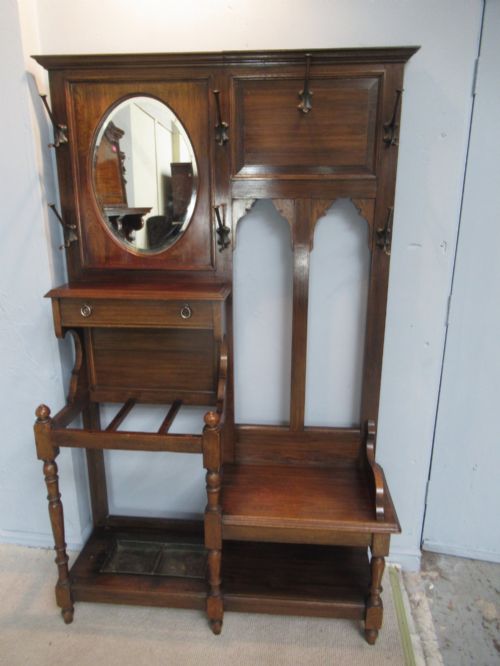
Several stands double as umbrella holders and coat racks, proving that Victorians expected their hallways to multitask just as hard as we do.
What varies in quality
The standard of timber selection and cabinet work dictates the baseline quality, with figured veneers, solid secondary woods, and precise joinery separating superior items from simpler utility pieces. Attention to carved details, original brass hardware, and the integration of the mirror plate within the frame indicate higher workshop standards.
Proportion and scale also define the hierarchy, particularly in floor-standing cheval mirrors and dressing stands where balance and stability depend entirely on the correct engineering of the base and swing mechanism.
Shoolbred & Co.·Collinson & Lock·Gillow·WMF·Heal & Sons
The Antique Mirror on Stand Glossary
- Cheval mirror
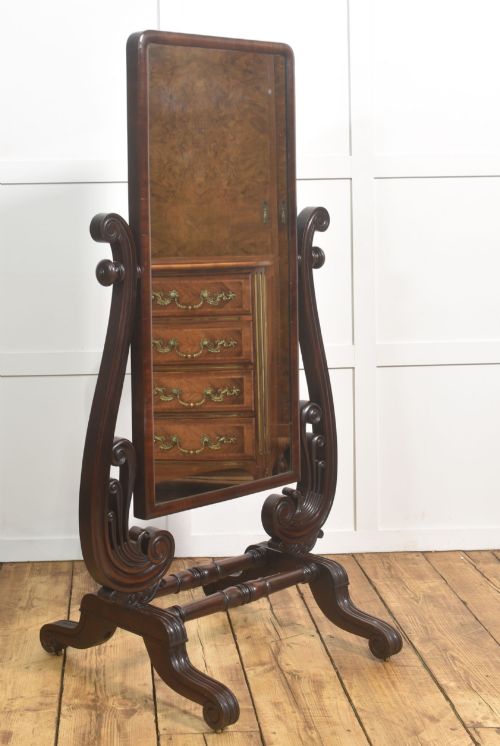
- A large freestanding mirror supported by a frame with vertical pivots that allow the glass to tilt. This form became popular in the late 18th century and continued through the Victorian period.
- Swing mirror
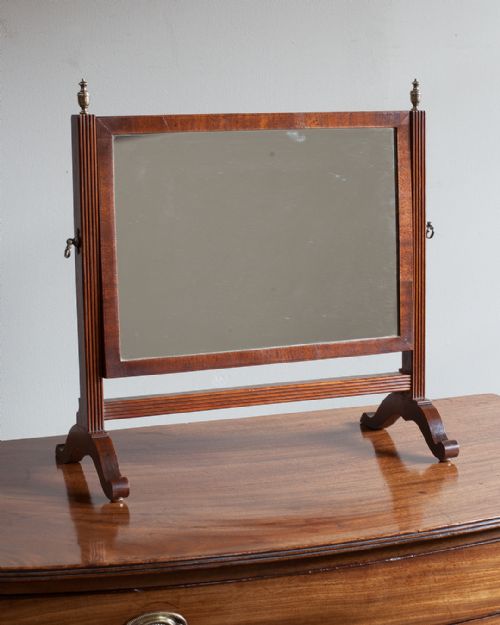
- A smaller mirror mounted on vertical uprights set into a base or dressing table, designed to pivot back and forth. They are also frequently referred to as dressing or toilet mirrors.
- Shaving stand
- A specialist piece of furniture combining an adjustable mirror with small surfaces or drawers for grooming implements. They date across the Georgian and Victorian eras.
- Champleve
- An enamelling technique where troughs are dug into a metal surface and filled with vitreous enamel before firing. It appears on decorative frames and tabletop mirrors from the late 19th century.
- Burr walnut
- Timber taken from the wart-like growths on walnut trees, yielding highly figured patterns. Cabinet makers prized it for veneering the prominent surfaces of Victorian cabinets and mirrors.
Antique Mirror on Stand: Frequently Asked Questions
How do I identify a cheval mirror?
A cheval mirror is a tall, floor-standing glass set into a frame that uses side pivots to tilt forward or backward. These pieces are designed to show the full length of a person.
They typically feature four legs or a heavy supportive trestle base to keep the tall pivoting frame stable during use.
Where were shaving stands used?
Shaving stands were traditionally placed in bedrooms or dressing rooms to assist with morning grooming routines. The inclusion of an adjustable mirror and small surfaces for water or razors made them practical.
By the Victorian era, many incorporated small cupboards or drawers to keep personal items neatly stored away.
Are swing mirrors fixed in place?
Swing mirrors are mounted on vertical side posts using threaded screws or metal pins that let the glass tilt. They are usually designed to sit on top of dressing tables, chests, or sideboards rather than standing on the floor.
This pivoting mechanism allows the user to adjust the angle of reflection depending on their height.