

Antique Mirror Bevelled Glass
Antique mirror bevelled glass pieces bring distinct light and depth to a room through angled plate edges shaped by hand or early machine.
Antique Mirror Bevelled Glass
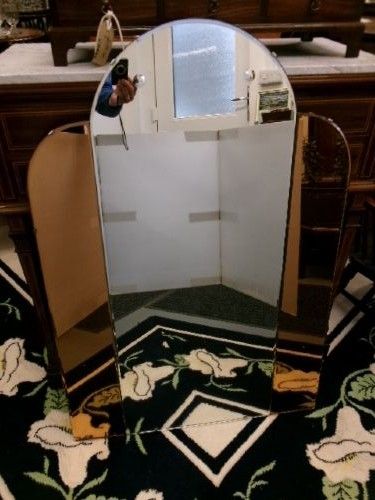
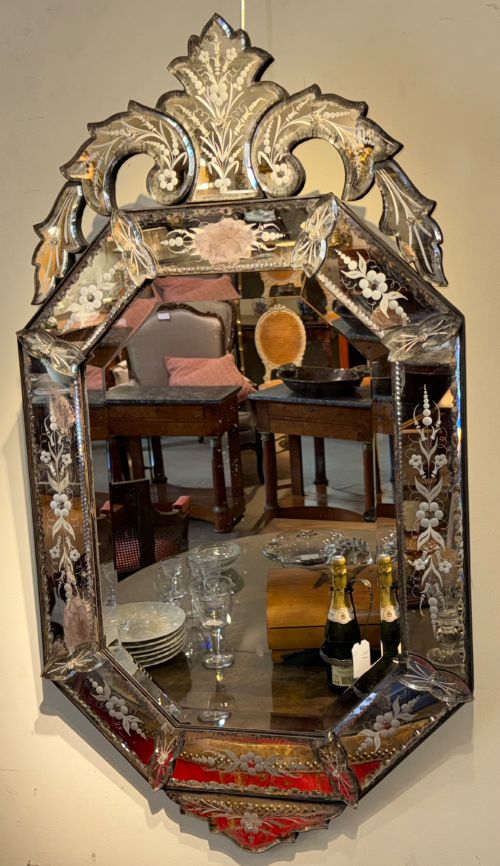
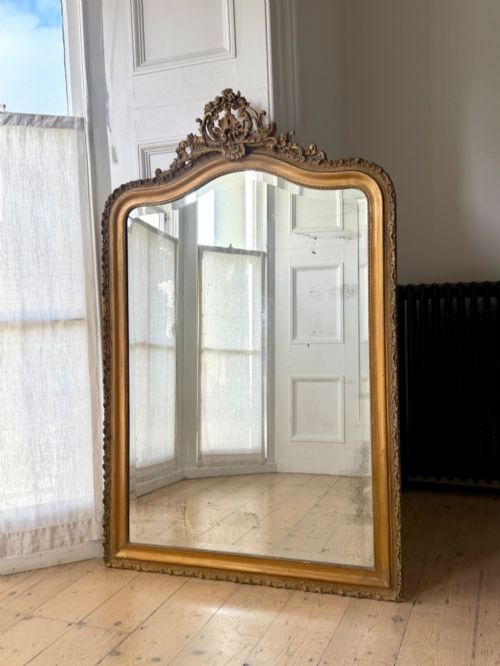
An antique mirror bevelled glass selection encompasses wall mirrors, overmantle mirrors, and dressing pieces originating from the nineteenth and early twentieth centuries. Buyers encounter styles ranging from Rococo Revival and French Louis XVI to clean-lined Art Deco and Venetian designs.
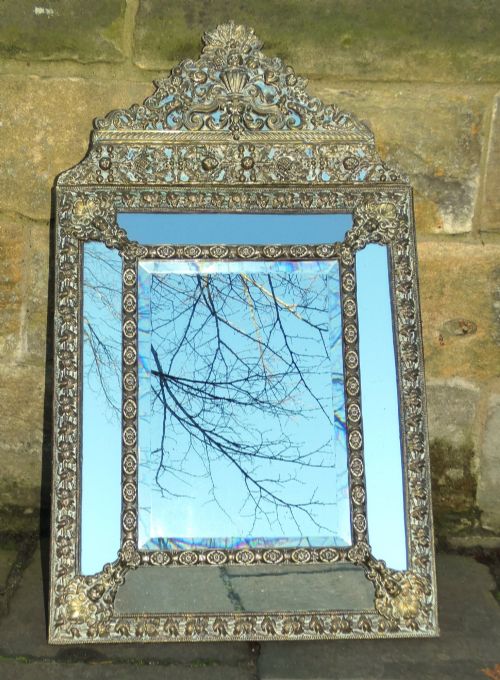
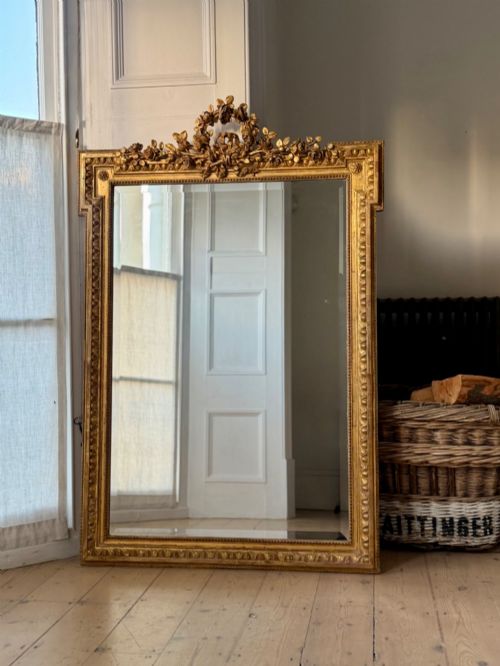
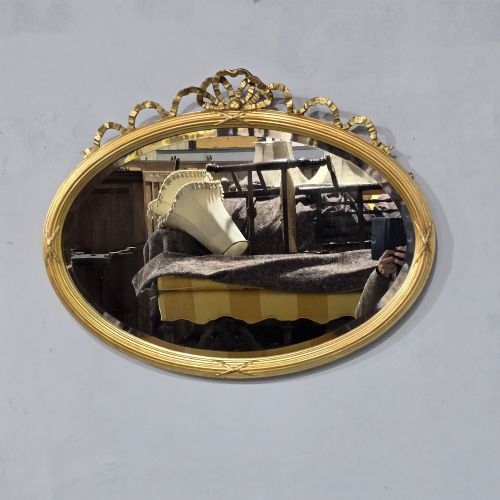
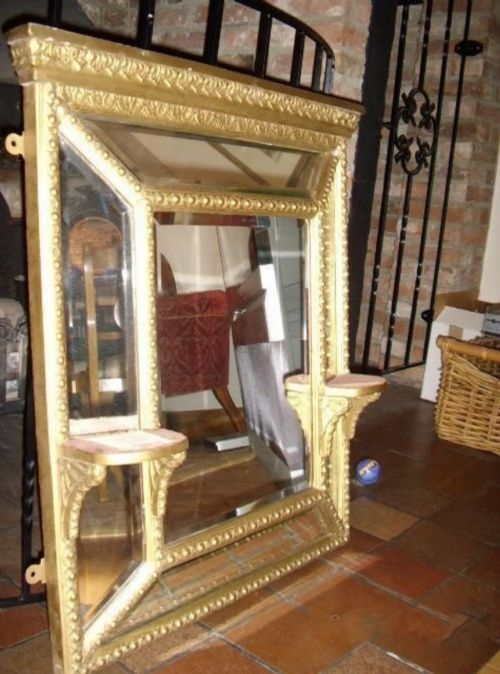
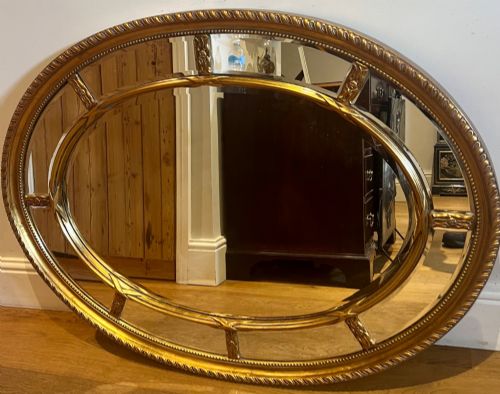
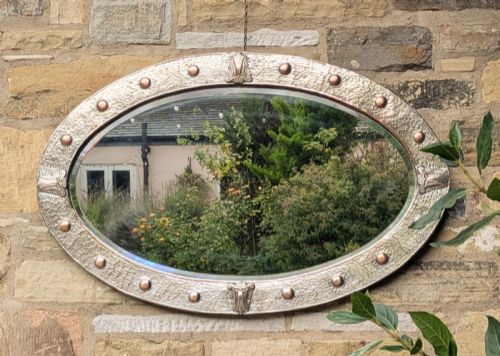
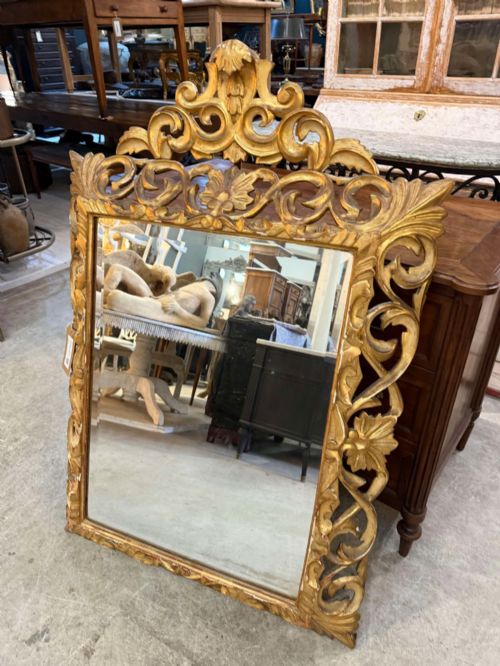
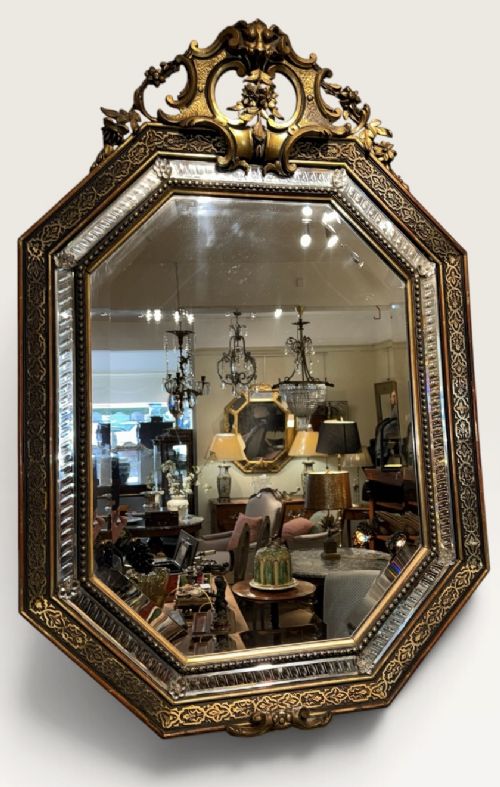
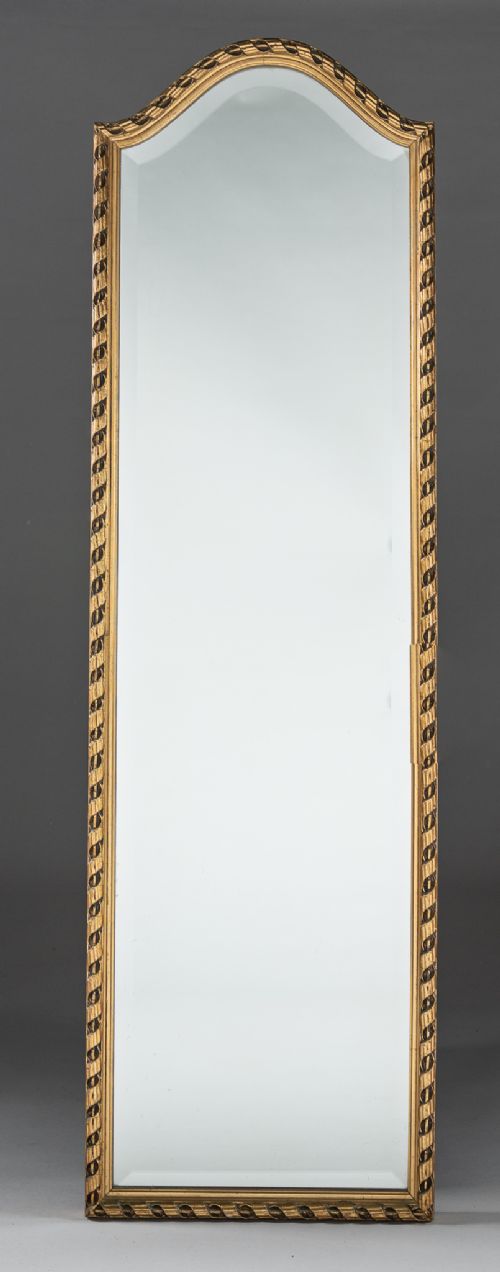
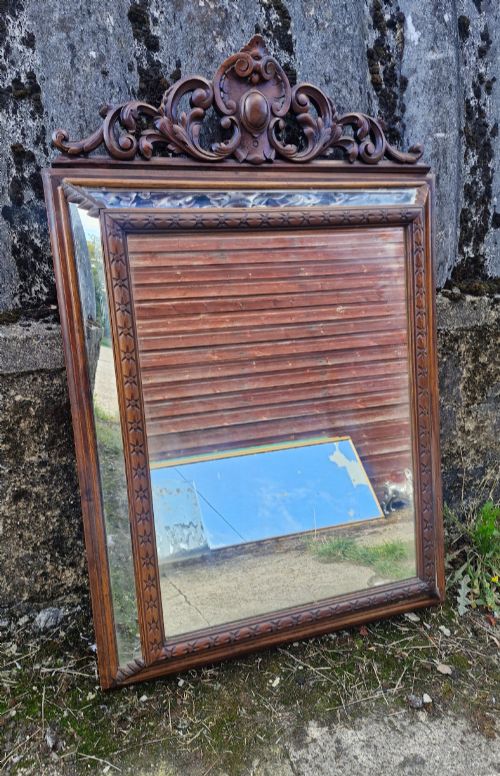
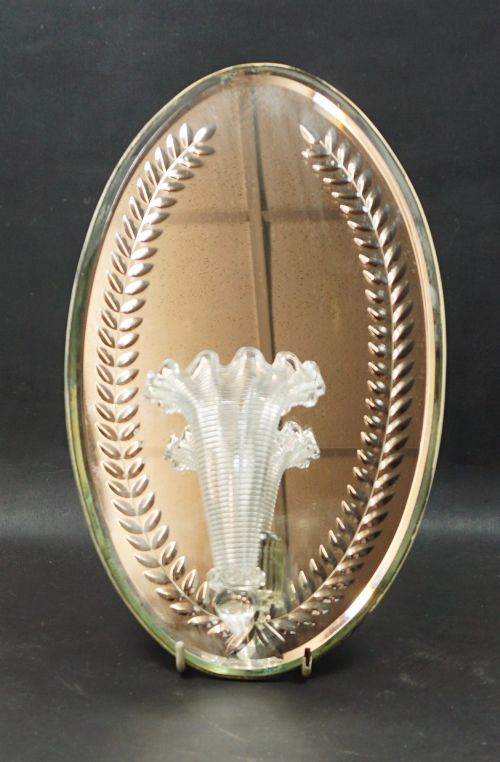
The most common examples on this page are wall and overmantle mirrors framed in giltwood, carved oak, or brass. These items span Victorian, Edwardian, and nineteen-twenties periods, showing various plate shapes including oval, rectangular, and octagonal formats.
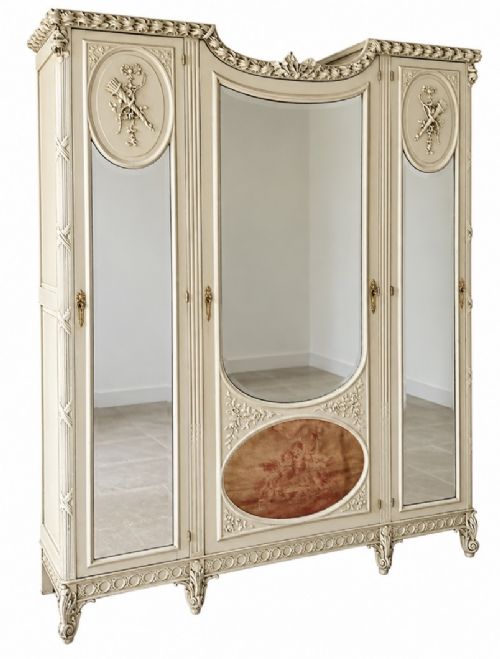
Beyond standard wall hanging pieces, the listings include occasional fire screens, wardrobe doors, and margin mirrors. Each object reflects the prevailing interior taste of its decade, balancing functional reflection with decorative woodwork or metalwork.
How they were made
Makers utilised glass plates set into frames of giltwood, gesso, solid oak, walnut, and brass. Giltwood frames typically combined carved timber built up with gesso layers before the application of gold leaf.
The characteristic bevel edge was produced by grinding the margin of the glass plate at an angle against abrasive stones, followed by polishing. Frames often featured hand-carved ornamentation, eglomise glass panels, or applied metal elements such as copper and silver.
Antique Mirror Bevelled Glass Retail Price Guide 2026
Typical asking prices for mirror bevelled glass among the pieces listed under this phrase on Sellingantiques today, from the lower quarter to the upper quarter. They describe what is for sale here now, not the wider market.
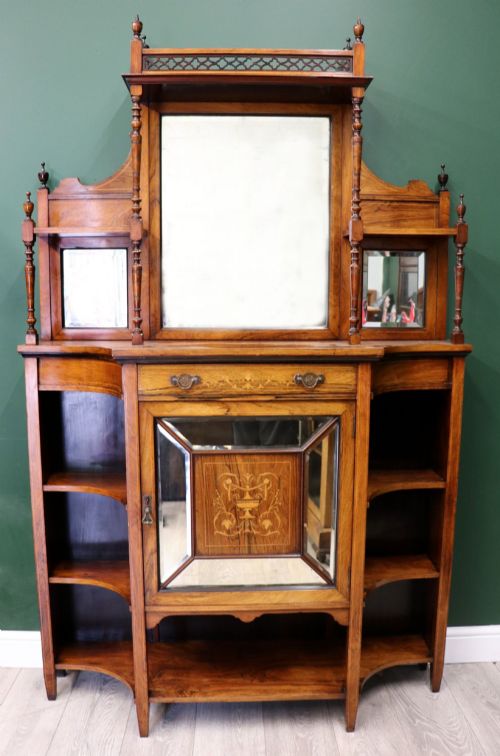
Some Edwardian dressing mirrors kept busy reception halls tidy by hiding compartments for visiting cards behind bevelled glass doors.
What varies in quality
The refinement of the frame carving and the depth of the bevel set apart finer examples from simpler workshops. Pierced giltwood and deeply moulded Rococo Revival frames demonstrate higher artisan skill than plain wooden mouldings.
The clarity of the mirror plate and the integrity of its silvering contribute significantly to the overall standard of a piece. Original mercury silvering showing soft oxidation differs visibly from later replacements, altering the quality of the reflection.
Waring & Gillow
The Antique Mirror Bevelled Glass Glossary
- Bevelled glass
- Glass featuring an angled edge ground and polished along the perimeter. This treatment refracts light and creates a decorative border effect.
- Giltwood
- Timber carved and coated with gold leaf or metallic powder over a prepared gesso base. This finish provides a bright reflective surface popular in formal interiors.
- Overmantle mirror
- A large mirror designed to hang directly above a fireplace mantelpiece. These pieces often span the full width of the chimney breast.
- Eglomise
- A technique where gold or silver leaf is applied to the rear of glass and etched or painted. It produces a rich, decorative panel often seen in Venetian style pieces.
- Margin mirror
- A mirror featuring a central larger plate surrounded by smaller angled border segments. The outer plates are held in place by decorative clips or wooden dividers.
Antique Mirror Bevelled Glass: Frequently Asked Questions
How do I hang a heavy antique mirror?
Heavy mirrors require secure fixings anchored directly into wall studs or solid masonry using appropriate brackets. The weight must be distributed evenly across the frame structure rather than relying solely on the hanging wire.
Professional installation is recommended for large overmantle or giltwood pieces to prevent movement over time. Ensure the wall surface is structurally sound before mounting any antique frame.
What is an overmantle mirror?
An overmantle mirror is a large horizontal or vertical glass designed specifically to sit above a fireplace. These pieces traditionally anchored the decorative scheme of a nineteenth-century reception room.
They scale to match the proportions of fire surrounds, reflecting light back into the seating area. Victorian and Edwardian examples often feature moulded wooden or gilt frames.
How do I clean antique mirror glass?
Antique glass requires gentle cleaning with a soft microfibre cloth and a minimal amount of distilled water or mild soap. Avoid spraying liquid directly onto the glass edge where moisture can seep behind the silvering.
Harsh chemical cleaners strip original finishes and damage fragile silver backing. Wipe the surface lightly and dry immediately to preserve the plate.
How do I date an antique mirror?
Dating relies on examining the frame style, construction methods, and the characteristics of the glass plate. Hand-bevelled edges and heavy timber frames typically point toward nineteenth or early twentieth-century manufacture.
Backboards, fixings, and screw types offer further clues to the period of origin. Original backing papers or maker labels provide definitive confirmation when present.