

Antique Milk Pitcher
These antique milk pitcher pieces bring genuine period character to the table, offering a tangible link to domestic history that collectors prize.
What an antique milk pitcher is
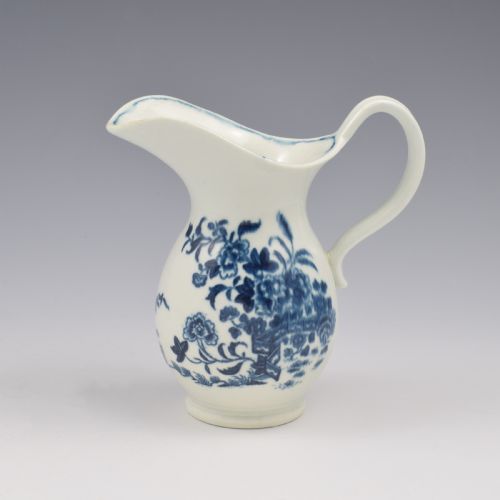
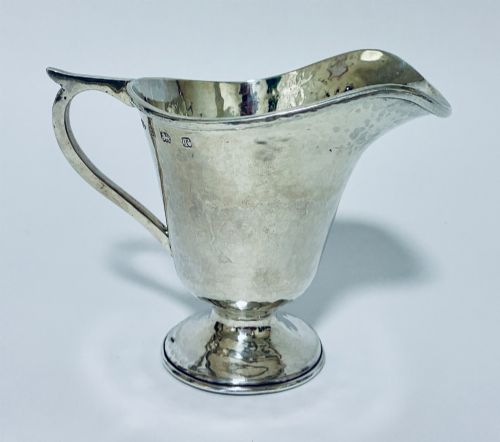
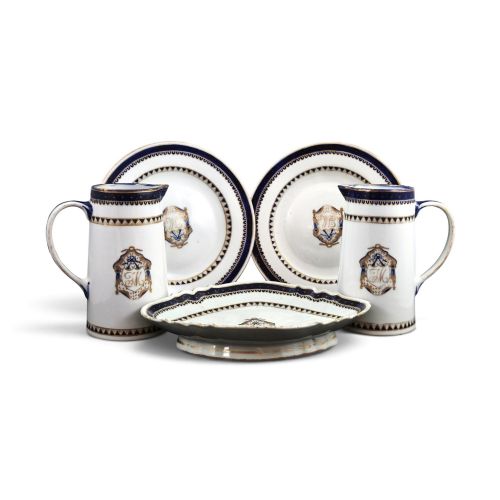
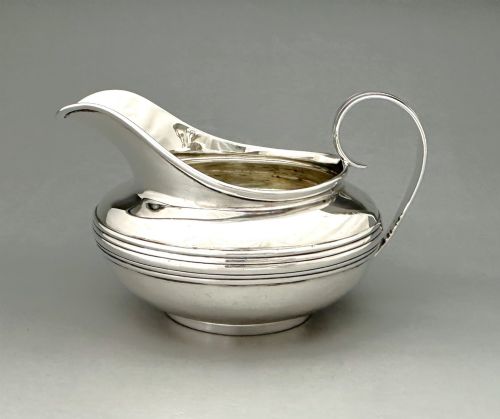
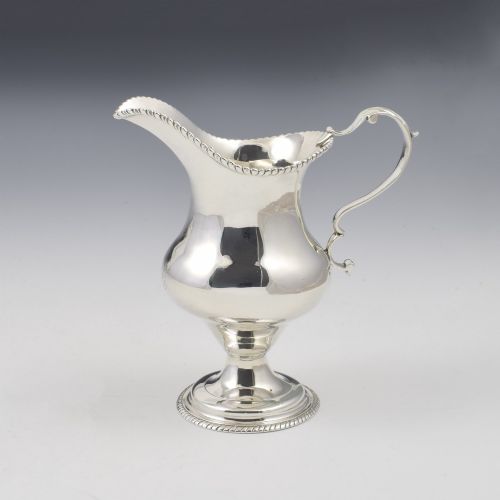
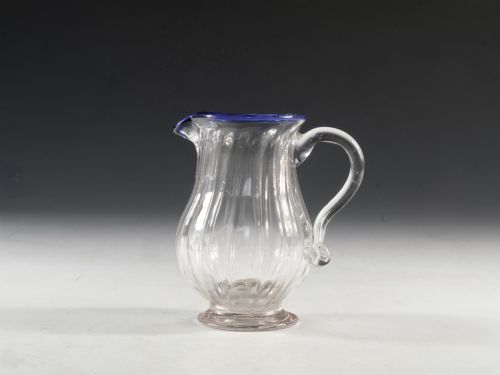
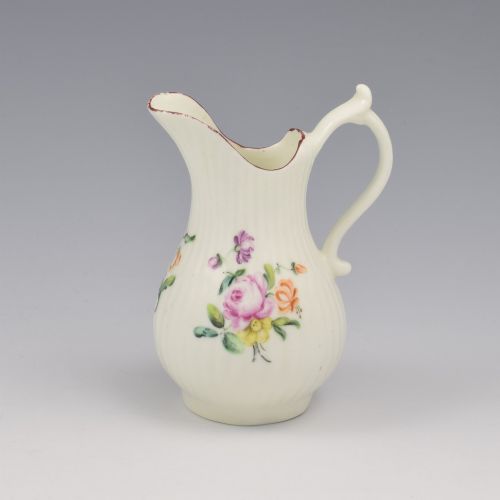
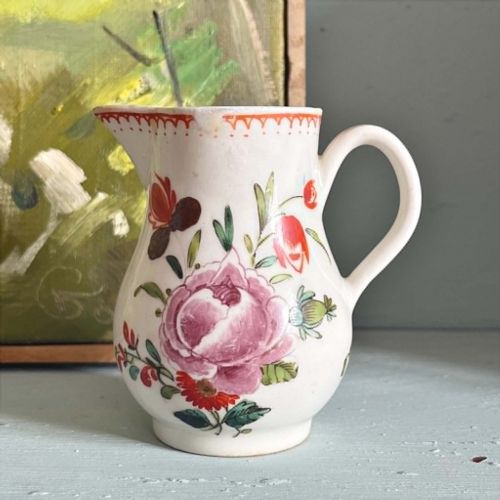
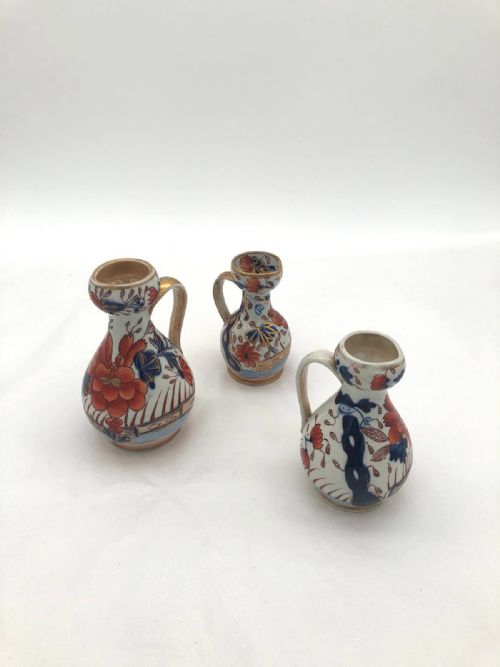
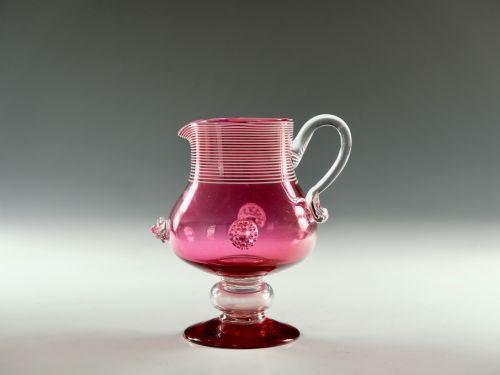
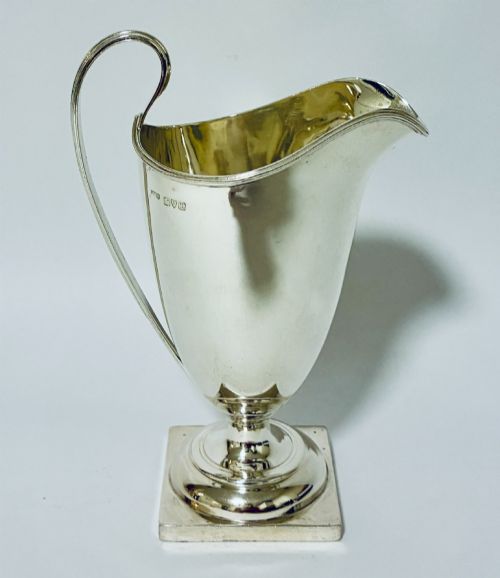
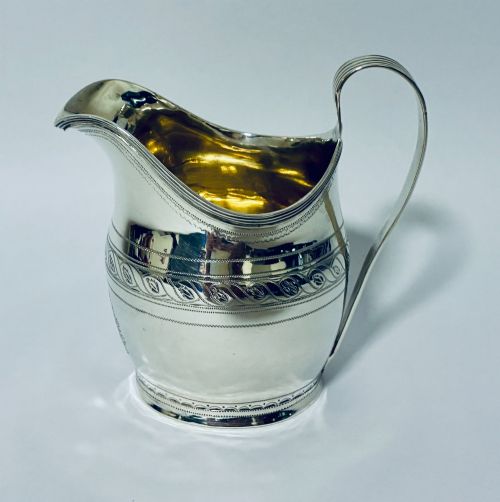
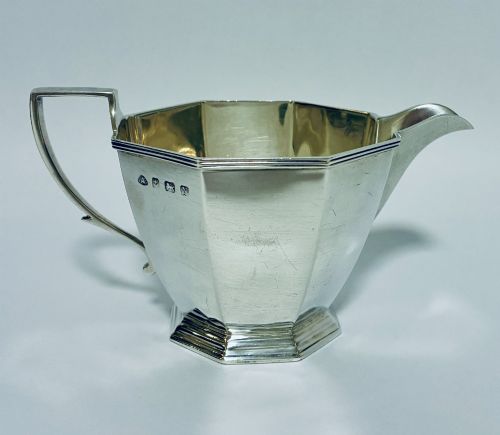
The pieces on this page draw from the Georgian and Victorian periods, showing the evolution of tablewares over generations. Forms range from miniature Mason's Hydra jugs and New Hall porcelain creamers to robust sterling silver and colourful glass vessels.
How they were made
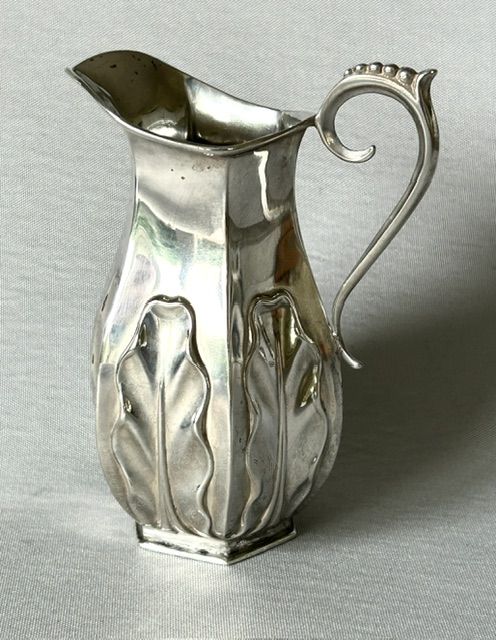
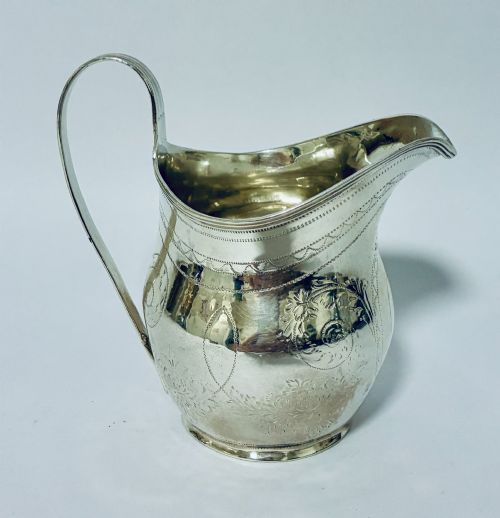
Makers utilised a diverse array of materials, combining sterling silver, porcelain, enamel, ironstone, and cranberry or clear glass. Silversmiths hammered and chased precious metal into ornate figural designs and tavern scenes.
Ceramic pieces relied on traditional moulding and hand-painting techniques, while glass examples incorporated applied elements like white piping or contrasting liners in Bristol blue.
Retail Price Guide 2026
Typical UK retail prices for milk pitcher, calculated from the Sellingantiques database of over a million retail prices indexed since 2003. This retail price guide relies exclusively on Sellingantiques data; no external sources or auction records are used, so the figures do not describe the wider market.
What varies in quality
Quality reveals itself in the crispness of the chased decoration on silver or the fineness of the porcelain body. Sterling silver pieces with detailed figural work or unusual designs display a higher level of artisanal skill than plain domestic vessels.
Material choice and decorative complexity set individual examples apart, from simple clear glass to vibrant cranberry glass with delicate piping or early New Hall porcelain.
Hamilton Crichton And Co·Thomas Smily
The Antique Milk Pitcher Glossary
- Georgian
- A historical period spanning the reigns of the first four Georges, noted for elegance in silver and ceramic design. Pieces from this era often display classic proportions.
- Sterling silver
- A standard alloy consisting of silver and other metals to ensure durability for household items. It forms the primary metal for many collectible pitchers.
- Ironstone
- A heavy, durable type of earthenware developed in the nineteenth century as a robust alternative to porcelain. It takes glazes and enamels exceptionally well.
- Chased
- A metalworking technique where patterns are hammered into the front surface from the exterior rather than engraved by cutting away metal. This raises the design in relief.
Frequently Asked Questions
How do I date an antique milk pitcher?
Dating relies on hallmarks on silver pieces, ceramic body types, stylistic markers, and recorded manufacturing periods.
Georgian examples tend to show earlier neoclassical or classic forms, whereas Victorian items often feature heavier ornamentation and chased tavern or figural scenes.
Were these pitchers used for milk or cream?
They were utilised interchangeably for serving milk or cream with tea and coffee, depending on household preference and scale.
Smaller vessels often functioned specifically as creamers, while larger forms accommodated milk service for the household.
How should I clean silver milk pitchers?
Silver pitchers require gentle cleaning with appropriate silver polish to preserve the chased details and hallmarks without removing the underlying metal.
Avoid abrasive cloths or harsh chemicals that can damage antique surfaces and diminish the character of the piece.