



Antique Military Figure
An antique military figure captures historical campaigns and notable commanders in durable bronze, earthenware, or cast iron.
Antique Military Figure
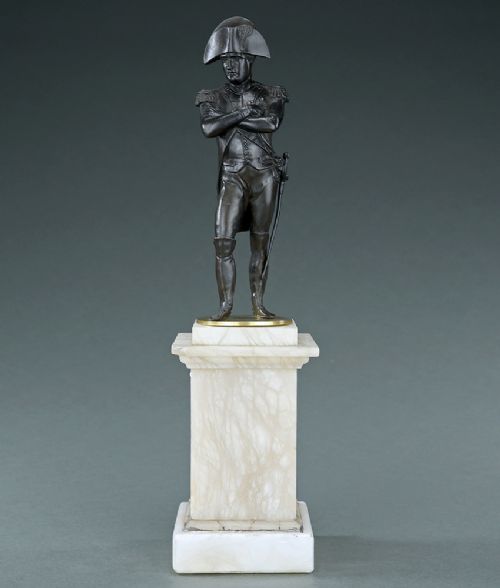
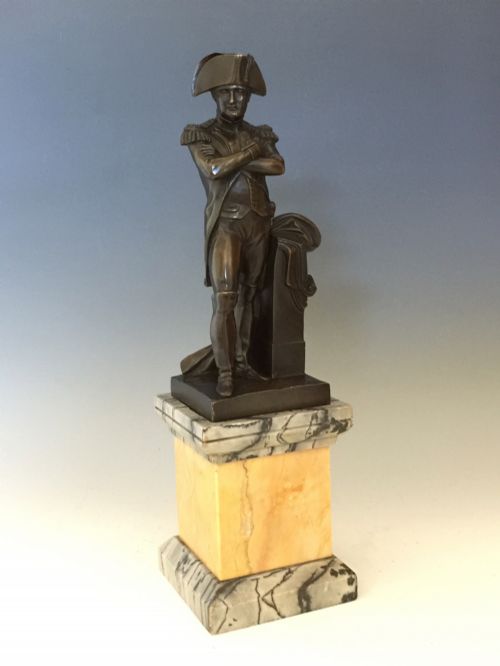
An antique military figure captures historical campaigns, regiments, and notable commanders in solid bronze, earthenware, or cast iron. When searching this phrase, a buyer encounters everything from grand bronze equestrian sculptures of Napoleon to Victorian Staffordshire pottery figures depicting admirals and generals.
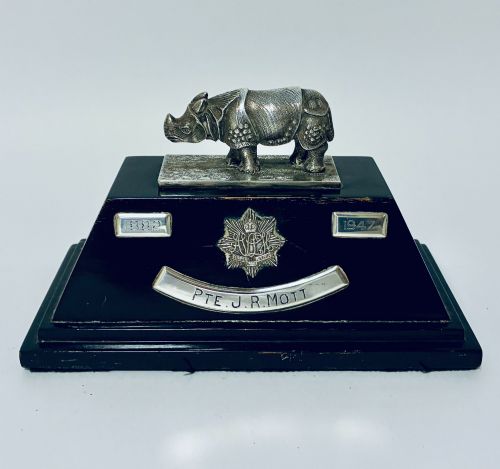
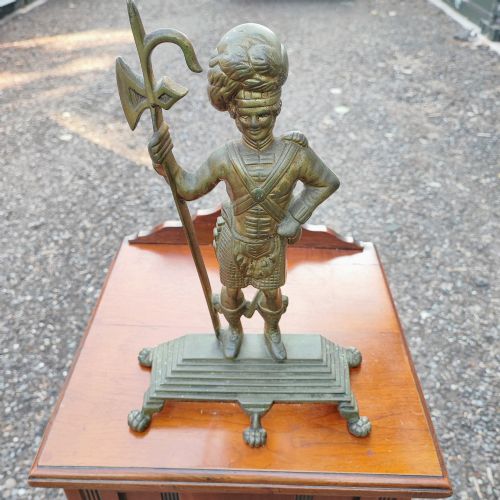
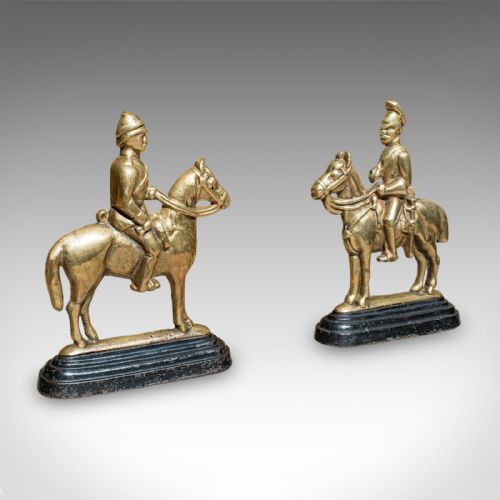
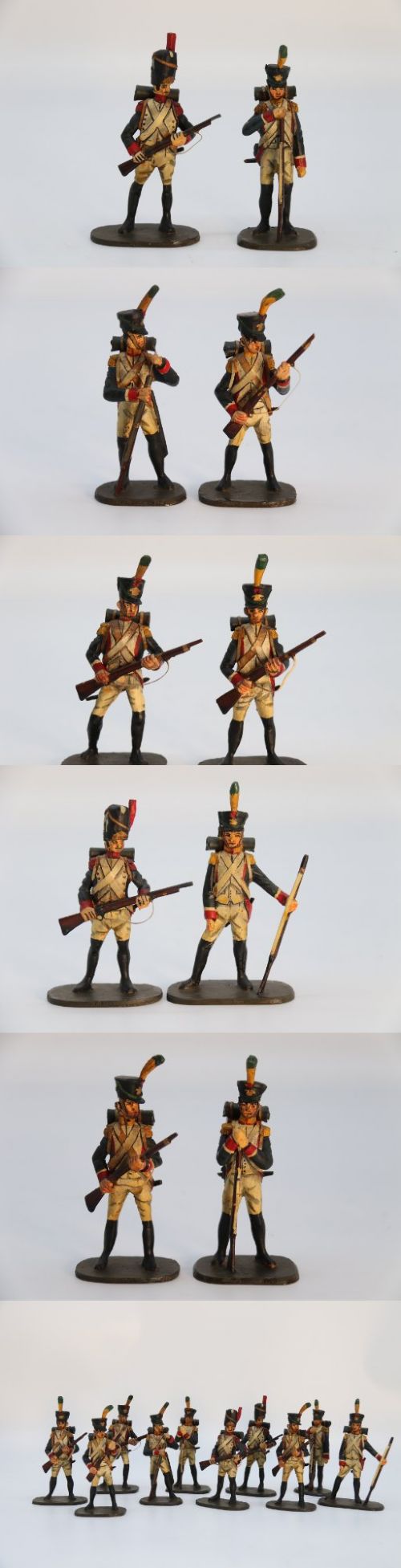
The versions met most frequently on this page span the nineteenth century and early twentieth century. They range from utilitarian brass and cast iron door stops shaped as naval heroes to finely cast French cabinet bronzes and hand-painted wooden figures.
Many of these pieces serve functional roles beyond pure display, appearing as heavy bookends, desk ornaments, or door keeps. Others take the form of flatback pottery figurines intended for mantelpieces in Victorian parlours.
How they were made
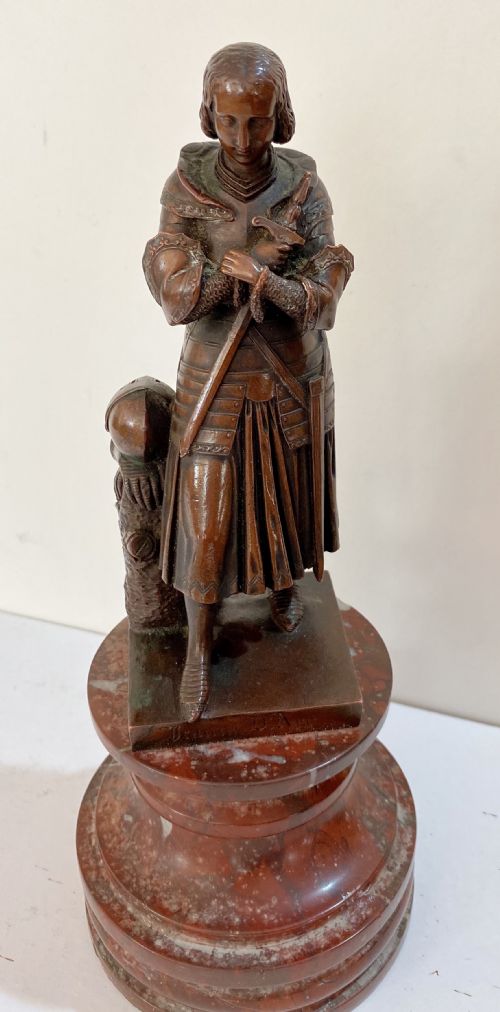
Foundries produced bronze figures using the lost-wax method or sand casting, capturing intricate uniform details before applying rich patination or cold-painted finishes. Sculptors then mounted these metal casts onto polished marble or stone bases.
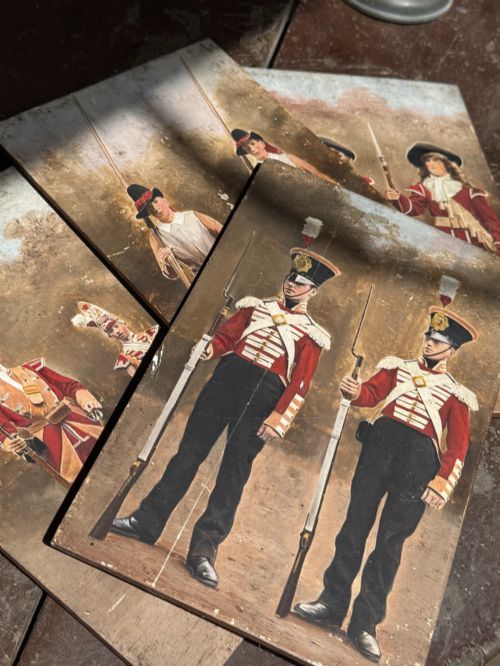
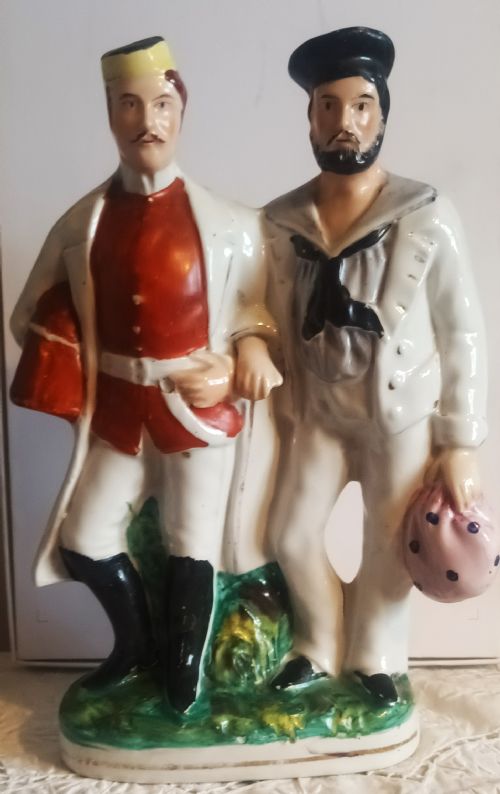
Potteries shaped earthenware figures by press-moulding clay, applying hand-painted polychrome glazes, and firing them to create the glossy Staffordshire portrait pieces. Wood and panel pieces involved careful hand carving followed by layered paintwork.
Listings feature items spanning the 19th century and early 20th century, executed in bronze, earthenware, brass, and painted wood.
What varies in quality
In pottery pieces, the precision of the hand-painting distinguishes superior output. Expertly decorated earthenware retains bright, clean enamel colours without bleeding, and the modelling of the horse and rider remains well-proportioned.
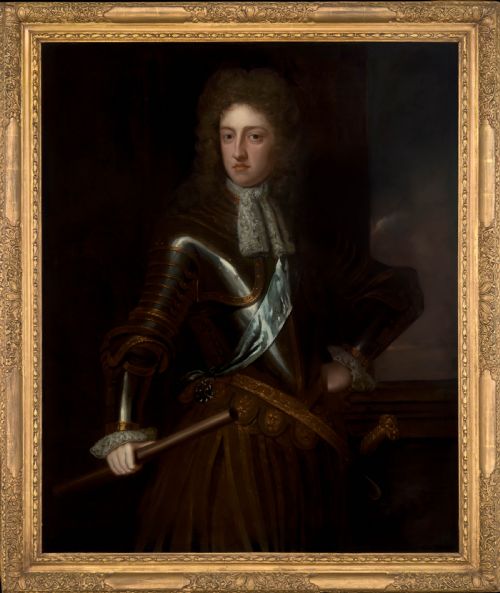
Studio of Sir Godfrey Kneller·Emile Guillemin·E.H. Dumaige·Fabergé·James Pradier·Thomas Parr
The Antique Military Figure Glossary
- Cold-painted bronze
- A manufacturing technique where bronze figures receive a layer of non-fired paint. The delicate pigments require careful preservation to prevent flaking over time.
- Staffordshire flatback
- An earthenware figure modelled primarily for display against a wall, leaving the reverse unglazed and flat. These pieces typically depict contemporary military heroes or royal figures.
- Patination
- The surface coloration and sheen developed naturally through age or applied chemically by the foundry. This finish protects the metal underneath while adding visual depth.
- Grand Tour
- A cultural journey undertaken by nineteenth-century elites who acquired small-scale bronze sculptures of classical and historical commanders as souvenirs.
- Door stop
- A heavy functional object, often cast in iron or brass, designed to hold doors open while depicting standing soldiers or naval commanders.
Antique Military Figure: Frequently Asked Questions
What materials are used for these figures?
Makers utilised a variety of sturdy materials depending on the intended function of the piece. Bronze and brass predominate among sculptural works and door stops, while earthenware defines the Staffordshire pottery tradition.
Wooden and panel versions also appear alongside cold-painted metal editions, showing how different workshops adapted military subjects to suit domestic interiors.
How do I identify a Victorian piece?
Victorian examples often display specific stylistic markers linked to nineteenth-century manufacturing methods. Staffordshire pottery figures frequently feature titles or names inscribed in raised gilt script along the base.
Heavier utilitarian items like door stops rely on cast iron or solid brass construction, reflecting the industrial output of the period. Examining the casting seams and the style of the uniform helps confirm the era.
Were these figures meant to be toys?
Most surviving examples served decorative, commemorative, or functional purposes rather than acting as children's playthings. Heavy bronze equestrian statues and marble-mounted figures were designed for libraries, studies, and drawing rooms.
Similarly, cast iron door stops and painted wooden panels functioned as practical household accessories or shop displays rather than items for active play.
How should I care for a bronze figure?
Bronze requires minimal intervention to preserve its original surface and patination. Dusting gently with a soft, dry cloth prevents the accumulation of grime without disturbing the finish.
Avoid applying liquid polishes or abrasive cleaners, as these can strip away historic patination and damage cold-painted details permanently.