




19th Century Napoleon Figure
A 19th century napoleon figure captures the striking likeness of the emperor in bronze, porcelain or earthenware, bringing distinct military history to a desk or mantel.
19th Century Napoleon Figure
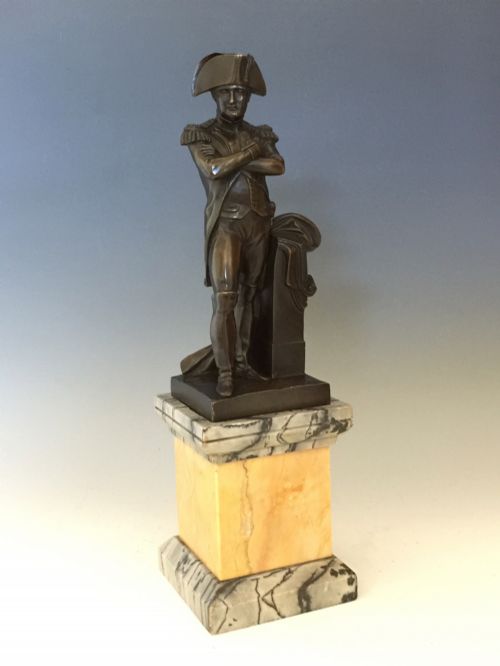
A 19th century napoleon figure most frequently appears as a French bronze desk sculpture, an equestrian cast on marble, or a Staffordshire pottery portrait group from the Victorian era. These works portray the emperor standing in his classic uniform or mounted on horseback, reflecting the enduring fascination with his legacy.
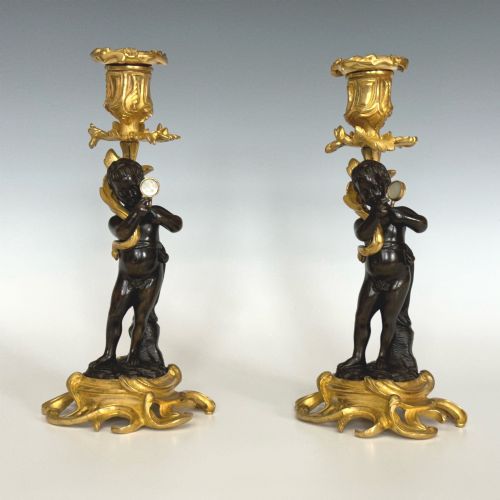
The selection extends beyond standalone sculptures into functional objects where the emperor's likeness or imperial style is integrated into mantel clocks, inkstands, candlesticks, and garniture sets. Pieces range from grand marble and bronze clock garnitures to modest earthenware figures produced in England and France.
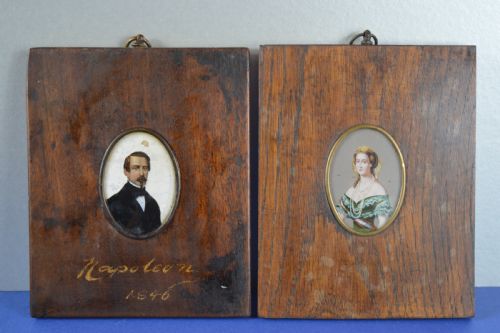
Buyers encounter items spanning the 1850s, 1860s, 1870s, and 1880s, encompassing French Empire, Napoleon III, and Victorian aesthetic movements. Whether executed in gilt bronze or hand-painted porcelain, each object serves as a tangible link to nineteenth-century decorative arts.
Materials and Technique
Foundry workers cast metal figures using bronze and ormolu, frequently mounting them upon heavy marble bases to create substantial library and mantel pieces. Gilt bronze highlights contrast with patinated surfaces, particularly in French works from the mid to late nineteenth century.
Potters shaped earthenware and porcelain to create Staffordshire figures and decorative table pieces, applying lead glaze and hand-painted enamel details. These ceramic works capture the likeness of Napoleon and his family through moulded earthenware forms finished with coloured glazes.
Empress Eugenie frequently shares the mantelpiece with the emperor in Staffordshire pottery groups.
Assessing Quality
The choice of supporting materials significantly influences the overall character, notably the depth and weight of the marble base or the richness of the ormolu mounts. Integrated objects such as clock sets and inkstands depend on the harmonious balance between the sculptural figure and its functional housing.
The 19th Century Napoleon Figure Glossary
- Ormolu
- Gilded bronze used extensively in French decorative arts and furniture mounts. The technique involves applying a gold amalgam to a bronze base before heating.
- Garniture set
- A matched set of decorative objects, typically comprising a central clock flanked by matching candelabra or vases. These sets dominated Victorian mantelpieces.
- Staffordshire pottery
- Earthenware figures and groups produced in the Staffordshire potteries of England. They frequently depicted royalty, military leaders, and contemporary political figures.
- Lead glaze
- A glossy coating applied to pottery before firing to achieve a smooth finish. It enhances the vibrant colours found on nineteenth-century earthenware.
19th Century Napoleon Figure: Frequently Asked Questions
Where were these figures displayed originally?
Figures of the emperor occupied prominent positions on library desks, study mantels, and drawing-room cabinets throughout France and Britain. Equestrian bronzes and library busts signified political allegiance and historical interest.
Larger garniture sets and clock suites anchored the mantelpiece in formal reception rooms, often paired with matching candelabra or decorative tazzas.
What is the difference between French and English pieces?
French pieces predominantly utilise cast bronze, ormolu, and carved marble within Empire and Napoleon III stylistic frameworks. The emphasis lies on classical military precision and rich metal patination.
English examples lean towards Staffordshire pottery and earthenware portrait groups depicting the emperor alongside family members. These ceramic works offer a vernacular interpretation of French imperial iconography.
How should I clean a bronze figure?
Dust the surface gently with a soft, dry brush to prevent accumulation in the recesses of the casting. Avoid abrasive cleaners or metal polishes that strip the historic patina.
Maintain stable indoor humidity levels to protect any underlying marble bases and prevent oxidation on exposed bronze and ormolu surfaces.