





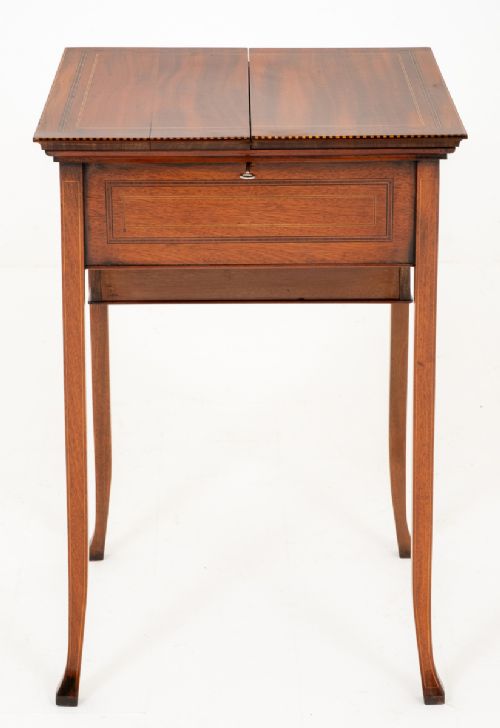


Antique Metamorphic Desk
An antique metamorphic desk transforms from a simple table or cabinet into a fully equipped writing workspace through clever mechanical cleverness.
Antique Metamorphic Desk
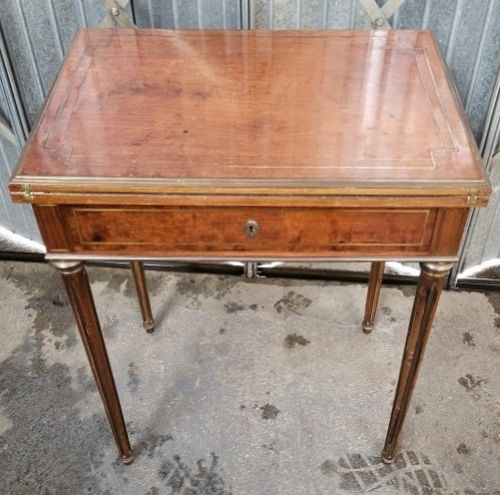
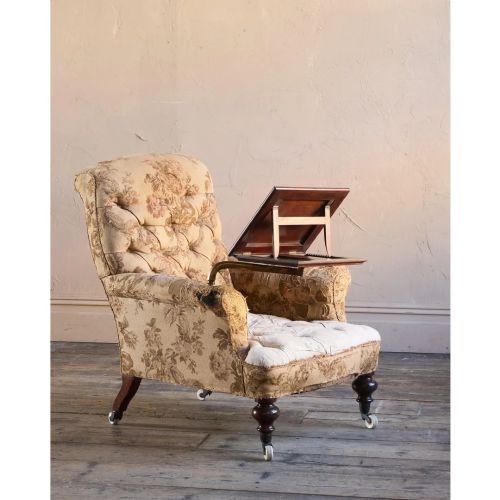
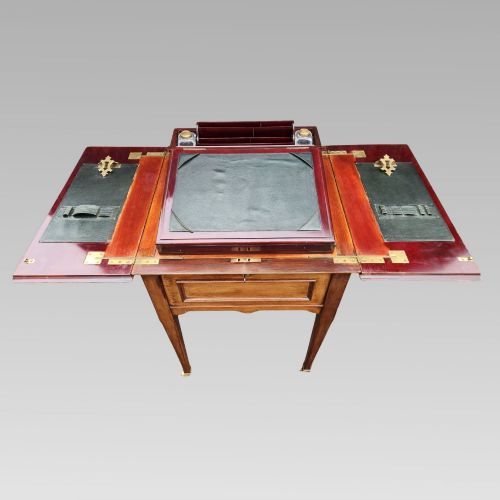
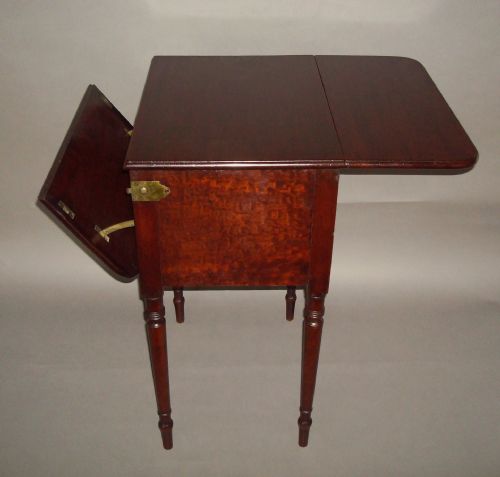
An antique metamorphic desk changes its form through clever mechanical actions to serve multiple functions in a room. When you examine this selection, you encounter writing tables, side tables, armchairs with reading stands, and cupboards that shift from one purpose to another.
The pieces span several periods from the seventeenth century through the Edwardian era, with mahogany tables and desks appearing most frequently. These versatile items originate from English workshops as well as French and Syrian makers, reflecting diverse approaches to space-saving furniture.
Materials and Construction
Cabinetmakers constructed these pieces primarily using solid and veneered mahogany, walnut, and oak, often embellishing surfaces with boxwood and satinwood inlay. Brass hardware provides the functional hinges, handles, and mechanical supports required for the folding and lifting actions.
Leather panels frequently line the writing surfaces, while secondary woods and iron mechanisms support the internal transformations. Artisans relied on precise joinery to ensure that the moving leaves, rising desks, and fold-over tops operated smoothly without jamming.
Antique Metamorphic Desk Retail Price Guide 2026
Typical asking prices for metamorphic desk among the pieces listed under this phrase on Sellingantiques today, from the lower quarter to the upper quarter. They describe what is for sale here now, not the wider market.
The pieces span the seventeenth, eighteenth, nineteenth, and early twentieth centuries, including Regency and Edwardian styles.
Craftsmanship and Mechanism
Superior examples distinguish themselves through the smoothness and reliability of their internal mechanisms, which operate without sticking or straining the surrounding timber. The precision of the joinery where moving parts meet fixed frames dictates whether a piece maintains its structural integrity over decades of use.
The choice of figured timber, the crispness of inlaid satinwood and boxwood details, and the quality of the brass fittings separate standard items from exceptional ones. Finer pieces retain their original leather writing surfaces and exhibit thoughtful engineering that conceals the moving parts entirely when closed.
J.C Vickery of London·Britisher
The Antique Metamorphic Desk Glossary
- Metamorphic desk
- Furniture designed with concealed hinges, ratchets, or folding leaves that allow it to transform from a table, cabinet, or chair into a writing surface. This adaptability made such pieces popular in compact domestic spaces.
- Writing slope
- A portable or stationary box with an angled lid designed to hold paper and provide a slanted surface for handwriting. Inside, small compartments store inkwells, pens, and stationery.
- Cellarette table
- A low cabinet or table originally designed to hold wine bottles, which in metamorphic forms incorporates writing drawers or fold-out desks. These dual-purpose items served dining and study rooms alike.
- Campaign desk
- Folding or modular furniture constructed for military officers on active service, featuring durable timbers like camphor wood and protective brass corners. They dismantle or fold compactly for transport.
- Sheraton Revival
- A late nineteenth and early twentieth century style that reinterprets the lighter, neoclassical furniture designs of the eighteenth century. Pieces often feature delicate inlay, satinwood, and tapered legs.
Antique Metamorphic Desk: Frequently Asked Questions
How do metamorphic desks work?
These desks utilise hidden hinges, pivoting brackets, and counterweighted ratchets that allow leaves to fold out or platforms to rise from within the body of the furniture. The transformations rely on precise mechanical linkages concealed within the timber framework.
Users pull, lift, or rotate specific sections to convert a side table, cupboard, or armchair into a functional writing desk. Once returned to its closed position, the piece resumes the appearance of standard furniture.
What periods do these desks cover?
The available selection spans from seventeenth-century vernacular oak pieces through Georgian and Regency examples up to Edwardian and early twentieth-century designs. Each era brought different aesthetic preferences to the mechanics of space-saving furniture.
Earlier pieces often feature heavy oak or walnut construction with simple mechanical actions, while later Victorian and Edwardian examples introduce lighter mahogany frames and more complex brass-assisted movements.
Where were these pieces used?
Metamorphic furniture found homes in libraries, studies, and drawing rooms where maximising floor space was essential. Compact townhouses and country estates alike utilised these versatile items to provide writing facilities without cluttering a room.
Campaign versions also travelled with military officers on active service, providing portable workspace in temporary quarters. Their dual-purpose nature made them particularly popular in multi-functional living spaces.
How do I maintain the mechanisms?
Keep the moving parts clean and free from dust accumulation, and occasionally inspect brass hinges and ratchets for proper alignment. Avoid forcing any folding or lifting action if it encounters resistance.
Apply suitable paste wax to wooden sliding surfaces to ensure smooth movement without relying on modern lubricants that might damage historic timbers. Professional conservation is recommended if internal springs or complex linkages require adjustment.