

Antique Metal Relief
Antique metal relief brings three-dimensional ornament into the home through cast, chased, and hammered work on bronze, copper, and brass.
Antique Metal Relief
When you search for antique metal relief, you encounter vessels, plaques, and architectural elements that carry raised surface decoration. The pieces span domestic and decorative objects from the sixteenth century onwards, with a strong representation of nineteenth-century European and Japanese work.
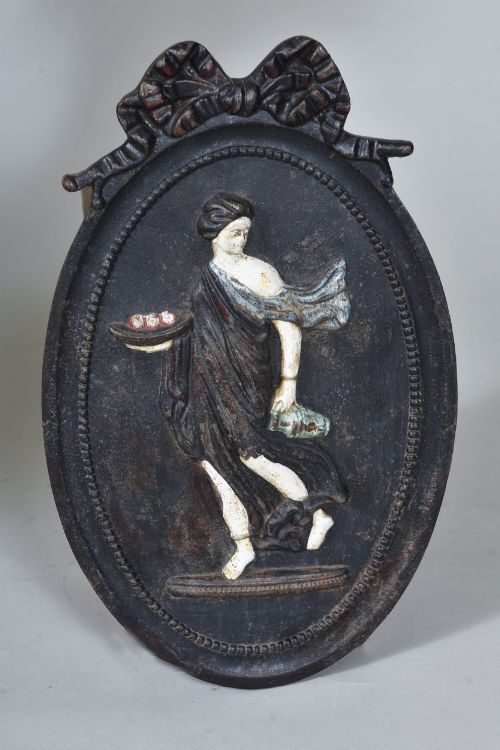
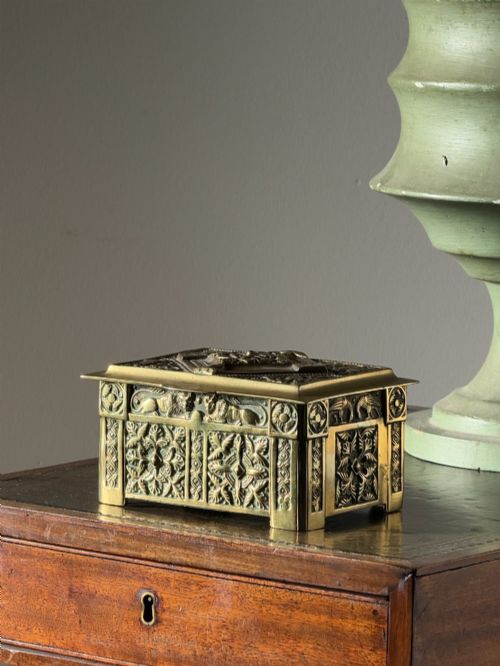
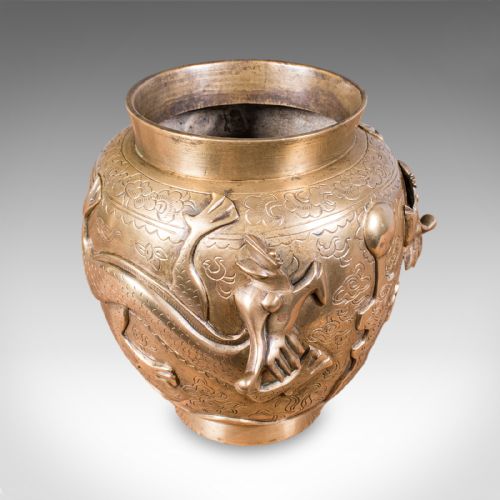
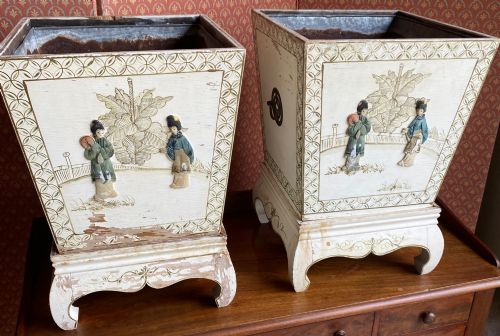
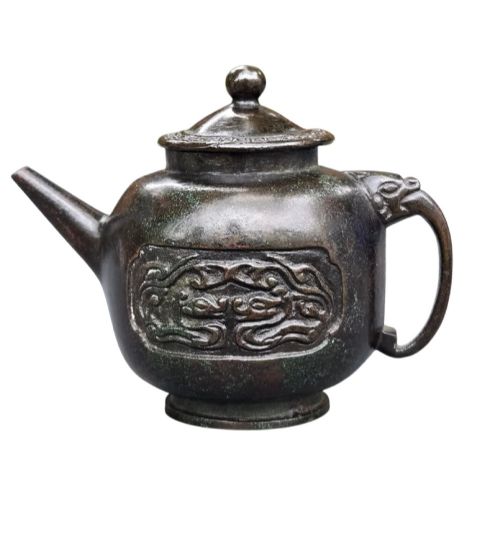
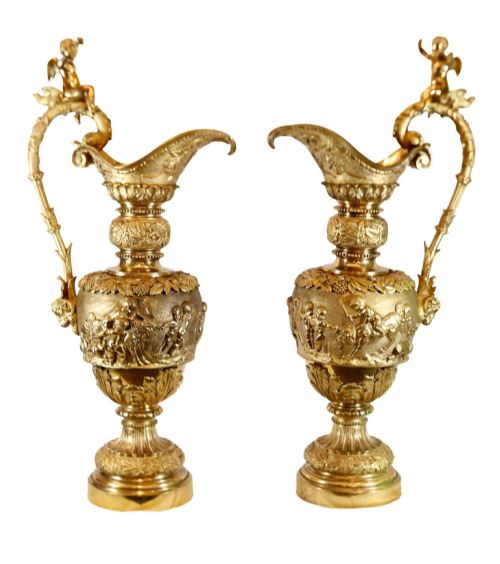
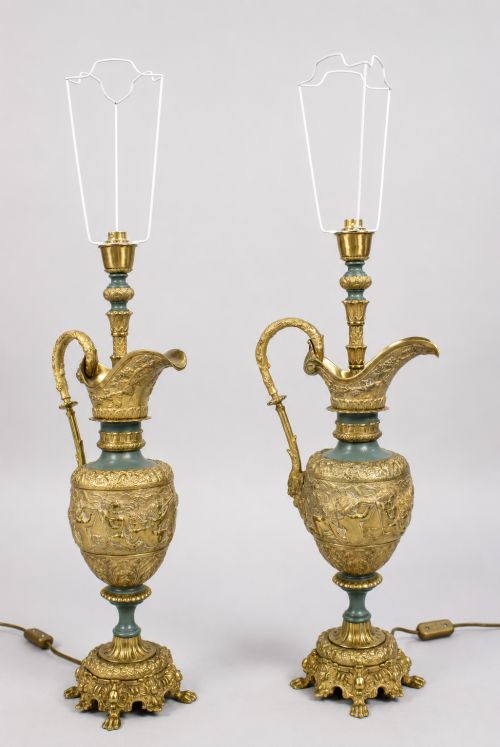
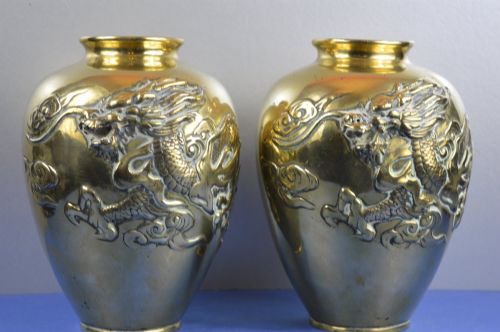
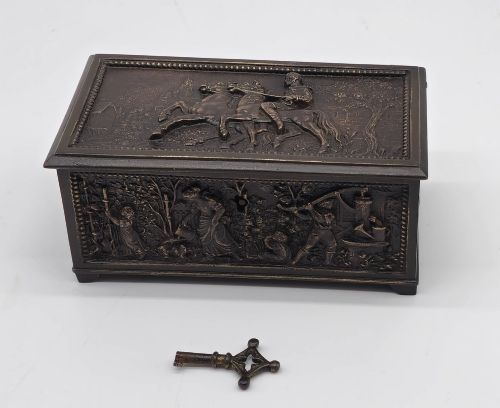
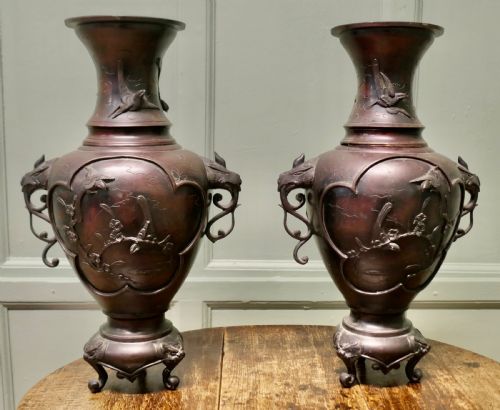
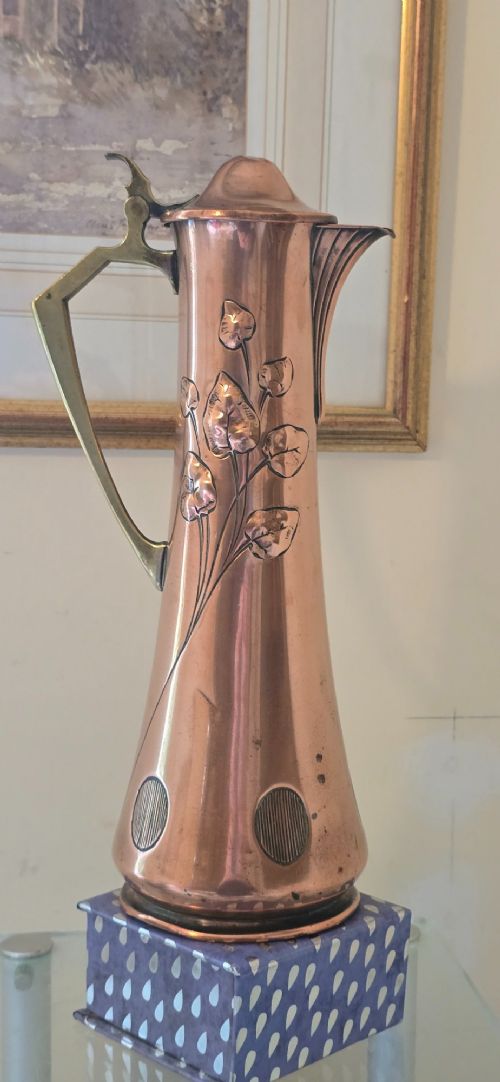
Vases, wall plaques, planters, and ewers dominate the forms, often displaying figures, flora, or mythological motifs. Japanese Meiji period bronzes and Victorian European copper or brass pieces appear frequently in the selection.
Origins stretch from English workshops and French foundries to Japanese metalworkers and Chinese imperial periods. Each piece utilises sculptural depth to bring texture to flat surfaces.
How they were made
Maker utilise casting, hammering, and appliqué techniques to raise designs above the ground metal. Bronze, copper, and brass provide the primary substrates, sometimes patinated, gilded, or silver-plated.
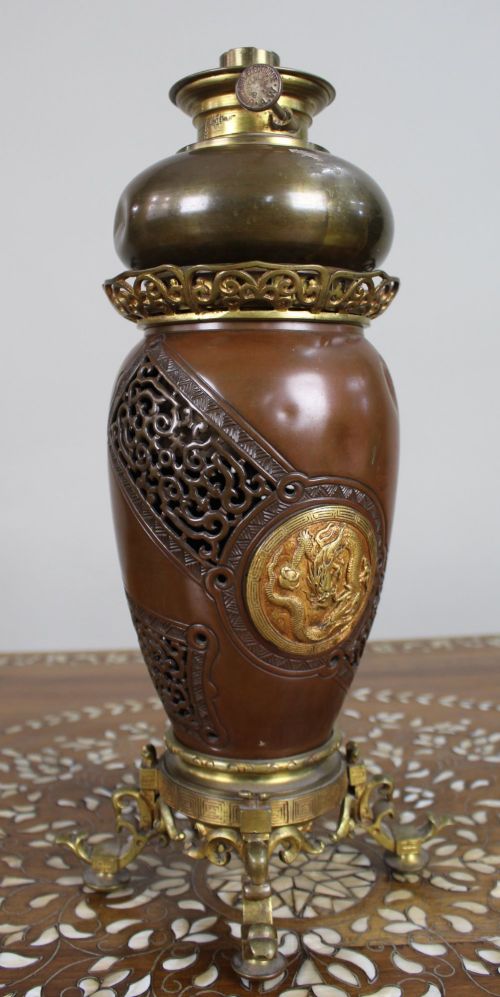
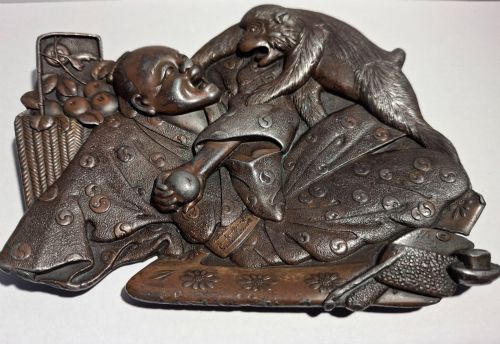
Casting creates the foundational shape of vessels and urns, while chiselling and repoussé push the metal from behind or carve it from the front to build detailed relief panels. Appliqué elements like takazōgan add contrasting metals directly onto the surface.
Antique Metal Relief Retail Price Guide 2026
Typical asking prices for metal relief among the pieces listed under this phrase on Sellingantiques today, from the lower quarter to the upper quarter. They describe what is for sale here now, not the wider market.
Henry IV and Queen Marie de' Médicis peer out from twin copper wall chargers, watching over the room with royal disapproval.
What varies in quality
The definition and depth of the chasing separate standard production from superior work. Crisp undercuts, sharp details in hair or foliage, and clean casting seams indicate skilled hand-finishing.
The harmony between the metal alloy and the patination dictates visual success. Rich, stable patination and balanced proportions elevate an object above mass-produced items.
WMF·Smith Beck and Beck·Eugene Canneel·Keswick Arts and Crafts
The Antique Metal Relief Glossary
- Relief
- Sculpture where figures or designs project from a flat background. High relief raises elements significantly, while low relief keeps them shallow.
- Repoussé
- Metalworking technique where a malleable sheet of metal is hammered from the reverse side to create a raised design on the front.
- Patination
- The surface coloration and sheen that develops naturally over time or through chemical treatment on metals like bronze and copper.
- Takazōgan
- Japanese inlay technique involving high-relief metal applications secured to a background plate.
- Casting
- Pounding or pouring molten metal into a mould to form vessels, plaques, or sculptural bases.
Antique Metal Relief: Frequently Asked Questions
How do I clean antique metal relief?
Dust gently with a soft, dry brush to prevent dirt from settling in the recessed areas of the design. Avoid harsh chemical polishes that strip away original patination and age surfaces.
For copper and brass, apply a microcrystalline wax if protection is required against moisture. Leave bronze patination entirely undisturbed.
How do I date Japanese Meiji metalwork?
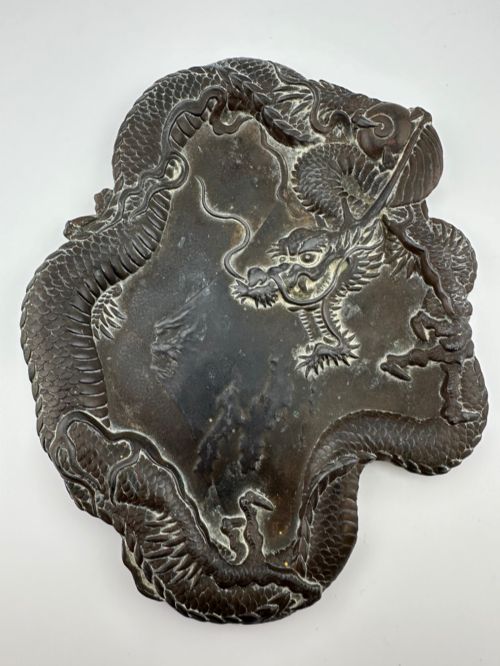
The Meiji period spans from 1868 to 1912, aligning with the reign of Emperor Meiji. Objects from this era often show naturalistic motifs like birds, blossoms, and dragons.
Export demand during this period drove high production standards in patinated bronze and mixed-metal inlay work.
Where were wall plaques displayed?
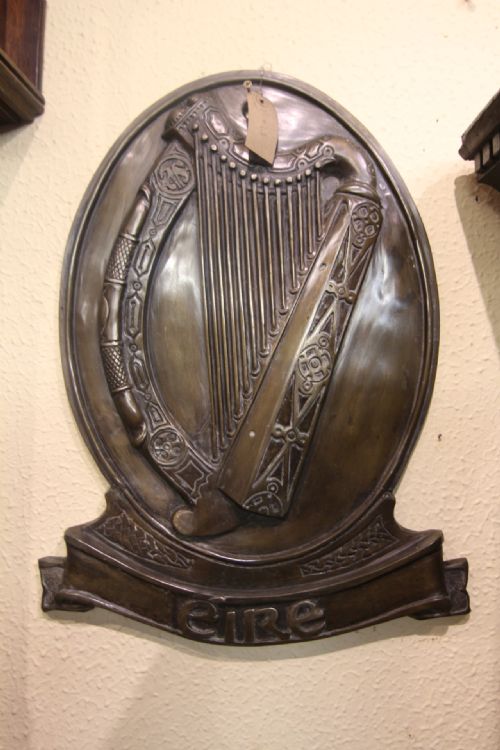
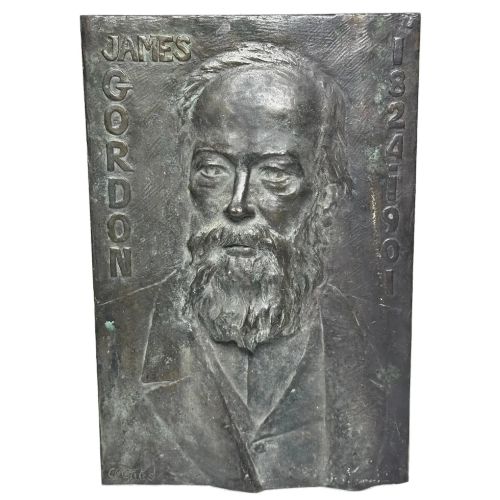
Wall plaques and chargers served as decorative interior focal points in Victorian and Edwardian drawing rooms. They were hung directly on walls or displayed on sideboards using plate stands.
Their relief scenes brought classical, historical, and narrative themes into domestic spaces.