

Antique Metal Pans
These antique metal pans bring warmth and utility to interiors, ranging from heavy copper preserving vessels to brass chestnut roasters.
Antique Metal Pans
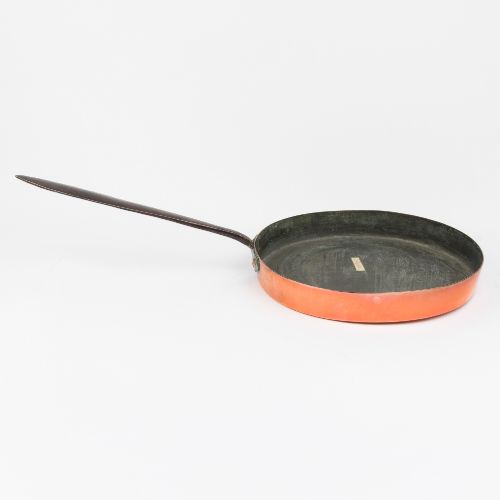
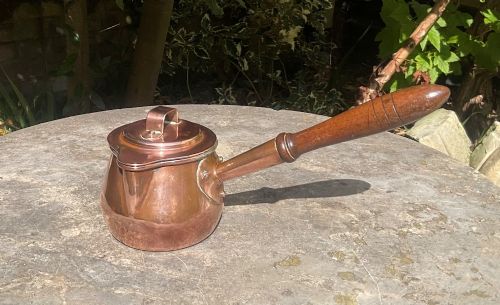
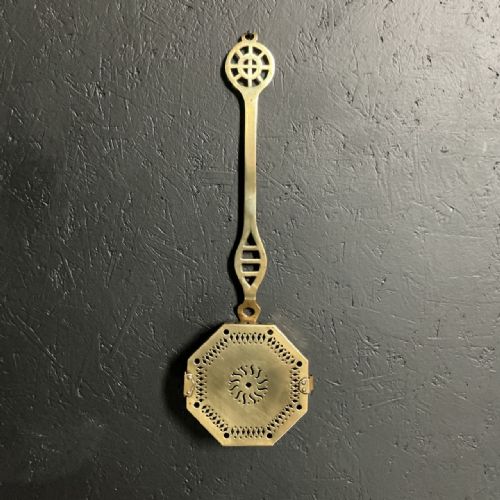
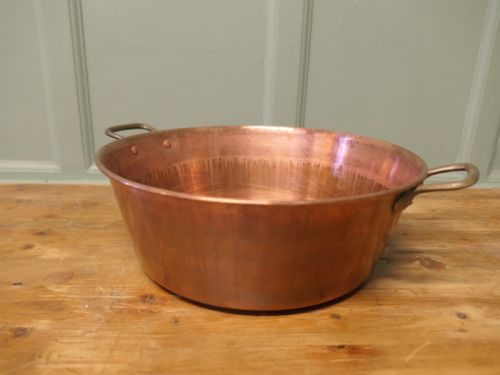
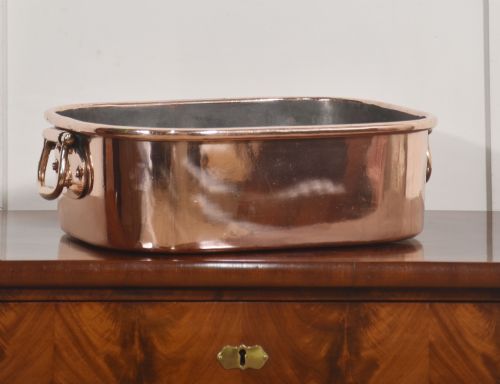
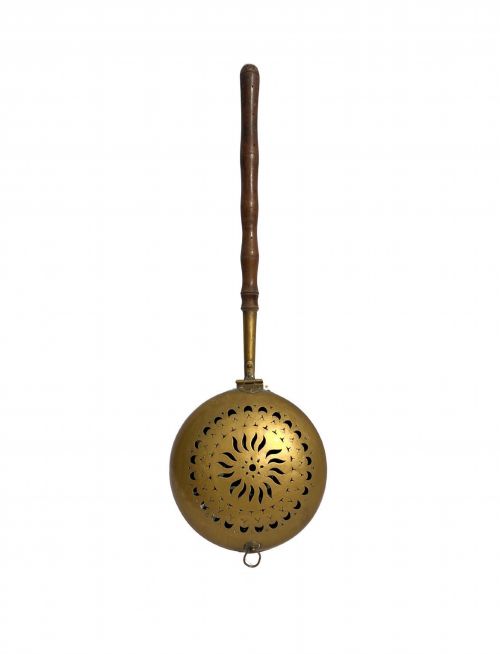
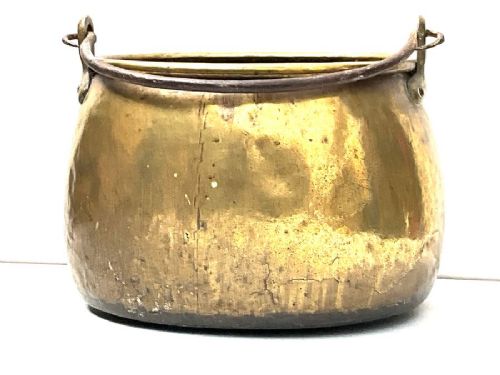
When you search for antique metal pans, you encounter functional kitchen and hearth items forged from copper, brass, and iron during the Georgian, Victorian, and Edwardian eras. These pieces include large preserving pans, saucepans, jam pales, and chestnut roasters shaped for open fires and early stoves.
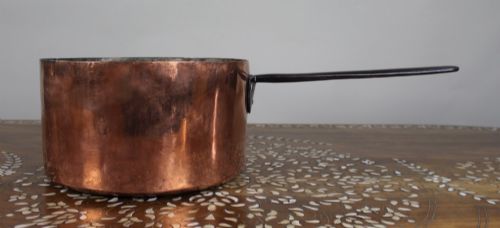
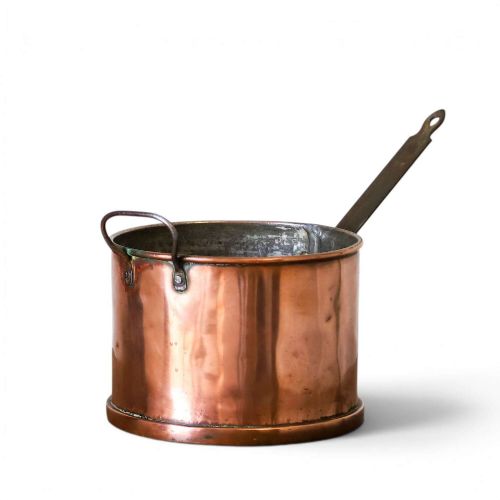
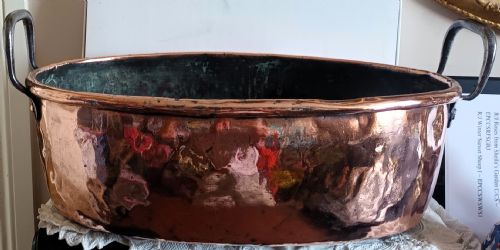
You are most likely to meet heavy Victorian and Georgian copper preserving pans and saucepans featuring sturdy iron handles and hand-beaten surfaces. Many examples survive from French and English workshops, reflecting robust domestic and culinary traditions.
Materials and construction methods
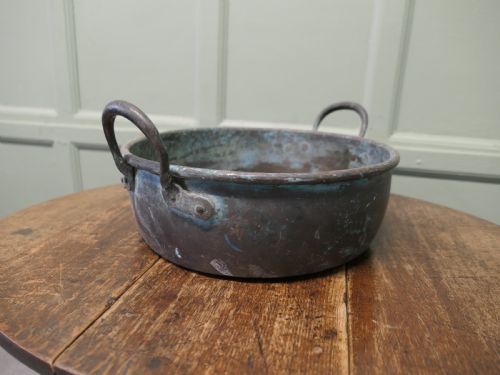
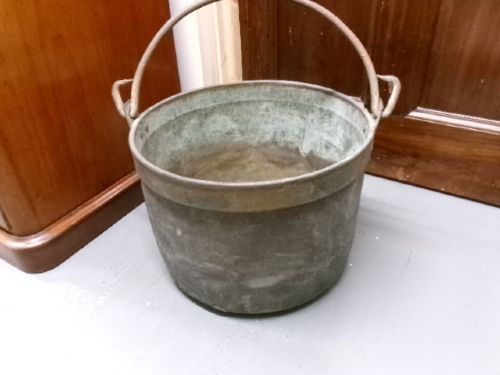
Metalworkers formed these vessels primarily from heavy gauge copper, brass, and iron, utilising hand-beating techniques to shape the thick metal sheets. Rivets secure iron handles and swing bales to the main bodies, while interiors often retain traces of protective tin linings.
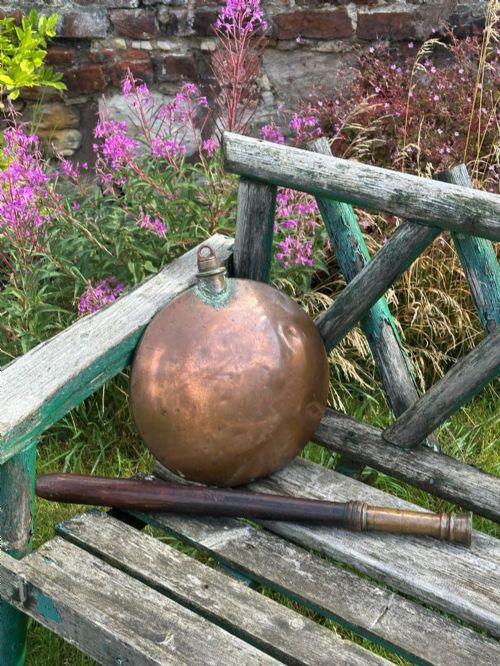
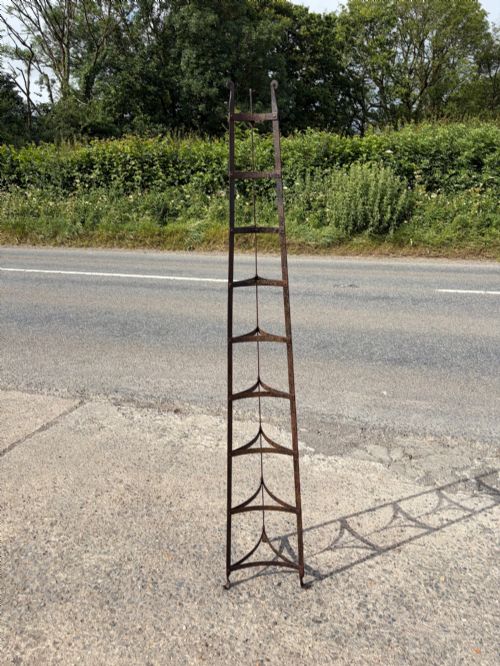
Cast iron and wrought iron provided durable structures for larger pots, cauldrons, and stands. Wood appeared frequently as turned handles on warming flasks and roasters, providing insulation against heat.
Assessing quality in early metalware
The standard of a piece rests on the thickness of the metal gauge and the integrity of the original construction. Heavy gauge copper and substantial brass retain their structural form better over centuries of hearth use than thinner variants.
Superior examples display crisp hand-beating marks, robust dovetail or riveted seams, and well-balanced handles fashioned from iron or oak. Pieces that retain matching sets or original tin linings demonstrate greater historical completeness.
Hodges & Sons
The Antique Metal Pans Glossary
- Preserving pan
- A wide, deep vessel designed for boiling fruit and sugar, commonly constructed from heavy copper with dual handles.
- Chestnut roaster
- A long-handled pan featuring a pierced lid, used over open coals to roast nuts.
- Tin lining
- A protective interior coating applied to copper cookware to prevent chemical reactions between acidic foods and the copper metal.
- Gauge
- The thickness of the sheet metal used to form the body of a pan, where heavier measurements denote superior utility.
Antique Metal Pans: Frequently Asked Questions
How do I clean antique copper pans?
Wash the metal gently with mild soap and warm water, avoiding harsh abrasives that remove historical patina. Apply a traditional copper cleaner only if you prefer a bright finish.
Dry the vessel thoroughly immediately afterwards to prevent water spots and tarnishing on the surface.
Can I still cook with these pans?
Most antique copper and brass vessels require a fresh food-grade tin lining before safe culinary use. Many collectors prefer to display them as decorative kitchenalia rather than subjecting them to modern heat.
Examine the interior and handles carefully to determine if the structural integrity supports everyday domestic tasks.
How do I distinguish Georgian from Victorian pans?
Georgian pieces often display simpler, hand-beaten forms with heavy Dovetailed bases dating from the eighteenth and early nineteenth centuries. Victorian examples frequently incorporate heavier cast components and standardised manufacturing markers.
Examine the handle attachments and the weight of the metal gauge for clues regarding the manufacturing era.
What were chestnut roasters used for?
Chestnut roasters held nuts over open hearth fires during the autumn and winter months. The pierced lids allowed heat to circulate while keeping the chestnuts contained within the pan.
Their long wooden or iron handles kept the user safely away from the flames of the fireplace.