




Traditional Brass Pans
Traditional brass pans and related copper and iron hearth wares bring sturdy utility and warm metallic tones directly into modern interiors.
Traditional Brass Pans
Traditional brass pans encompass various forms of historical metalware, including preserving pans, jam pails, and bed warming pans originating primarily from the Georgian and Victorian eras. These items span domestic cookware and fireplace accessories, frequently incorporating complementary materials such as iron, copper, and wood.
The version most commonly encountered on this page is the heavy Victorian preserving or jam pan, often featuring a swing handle and riveted construction. Alongside these, buyers will frequently find bed warming pans and balance scales utilising the same resilient metals.
How traditional brass pans were made
Construction relies heavily on sheet or cast brass and copper, frequently joined with iron handles, rivets, or wooden grips suited for heavy domestic tasks. Metalworkers shaped these vessels through hammering, spinning, or casting, ensuring durability for open hearth cooking and preserve making.
Makers utilised contrasting metals within a single piece, pairing warm brass and copper bodies with sturdy wrought iron handles or walnut fixtures. Riveting techniques secured these components firmly, creating robust culinary and fireside objects designed for generations of daily use.
Listings feature items spanning the 18th, 19th, and 20th centuries, predominantly utilising brass, copper, and wrought iron.
What varies in quality
The distinction between standard domestic items and superior pieces often lies in the thickness of the metal sheet and the integrity of the riveted joints. Heavier gauges of brass or copper provide structural solidity that resists warping from intense hearth heat.
Finishing details, such as neatly turned wooden handles, well-balanced wrought iron bails, and harmonious proportions, separate utilitarian vessels from finer examples produced by established makers.
Hodges & Sons·Bartlett & Sons
The Traditional Brass Pans Glossary
- Brass
- An alloy of copper and zinc known for its bright golden appearance and durability in household utensils. It formed the primary material for many decorative and utilitarian vessels.
- Preserving Pan
- A wide, open vessel designed for boiling fruit and sugar to make jams and preserves. These pans typically feature flat bases and sturdy swing handles for steady pouring.
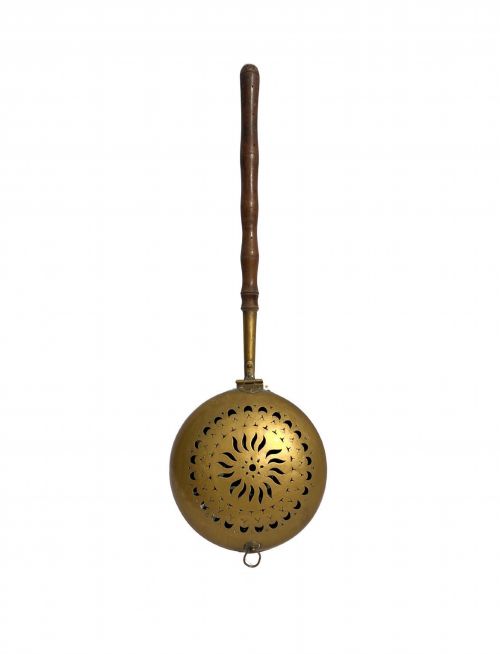
- Bed Warming Pan
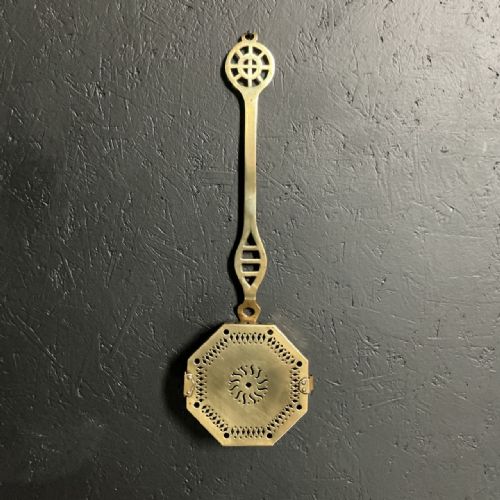
- A covered metal container filled with hot coals and slid between bedsheets to warm the linen. They often display punched or engraved decorative lids made of brass or copper.
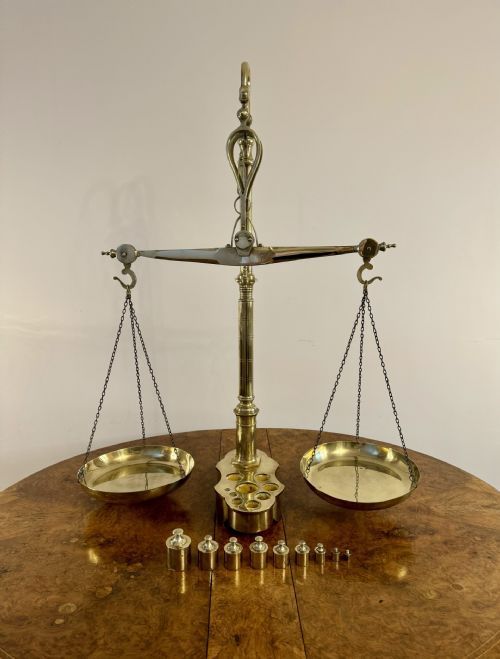
- Beam Scales
- A weighing instrument consisting of a central balancing beam suspended above two hanging pans. They appear in both commercial and decorative formats utilising brass and iron.
- Brasero
- A traditional Spanish heated basin used for warming rooms or burning charcoal. These deep metal vessels often feature decorative surface work and sturdy carrying handles.
Traditional Brass Pans: Frequently Asked Questions
How were traditional brass pans used?
These vessels served demanding domestic roles such as boiling down fruit preserves, heating bed linens, or carrying hot coals for room warmth. Their robust construction allowed them to withstand direct contact with open hearth fires and heavy daily handling.
Over time, many of these utilitarian objects transitioned from active kitchen duty to decorative interior display, particularly as modern cooking appliances replaced hearth-side metalware.
How do I clean brass and copper?
Maintenance typically involves washing with mild soapy water and drying thoroughly to prevent water spots. Gentle polishing with specialised metal cleaners helps maintain the metallic sheen if a bright finish is desired.
Many collectors prefer to leave an aged patina untouched, as it records the history and authenticity of the piece far better than a mirror polish.
Are these pans safe for cooking?
While historical pieces were designed for food preparation, vintage metalware intended for display or collection may require inspection before active culinary use. Modern standards for metal composition and interior linings differ significantly from nineteenth-century practises.
Using them primarily as decorative elements or for dry storage ensures the historical integrity of the metal remains undisturbed.
How can I date a brass pan?
Dating relies heavily on manufacturing marks, construction methods such as hand-riveting, and stylistic cues associated with Georgian or Victorian design periods. Heavy cast handles and hand-beaten surfaces often point to earlier production dates. Nomenclature recorded in maker stamps or specific regional forms also provides reliable chronological markers for collectors.