


Antique Metal Mantel Ornament
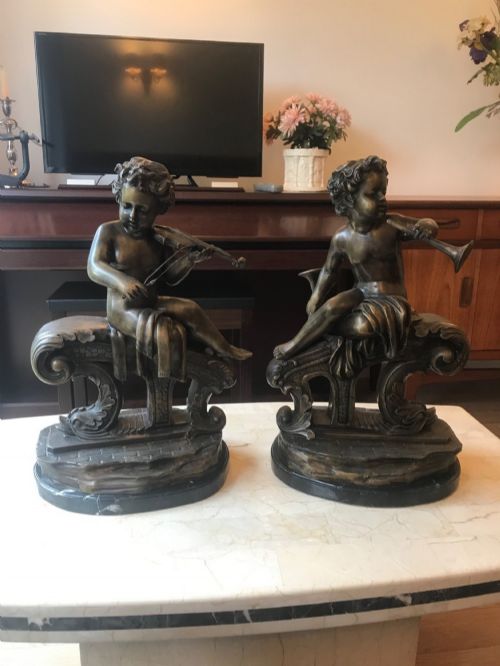
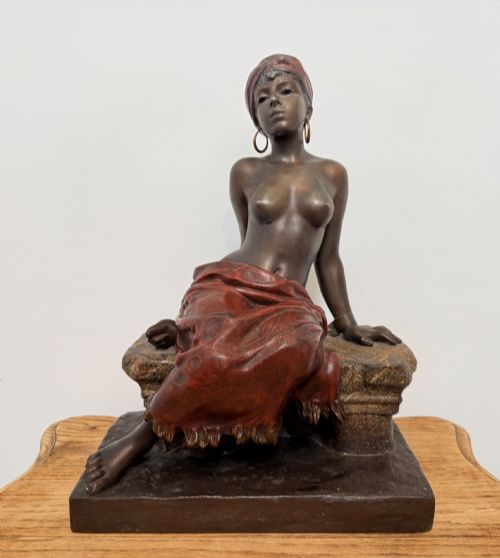
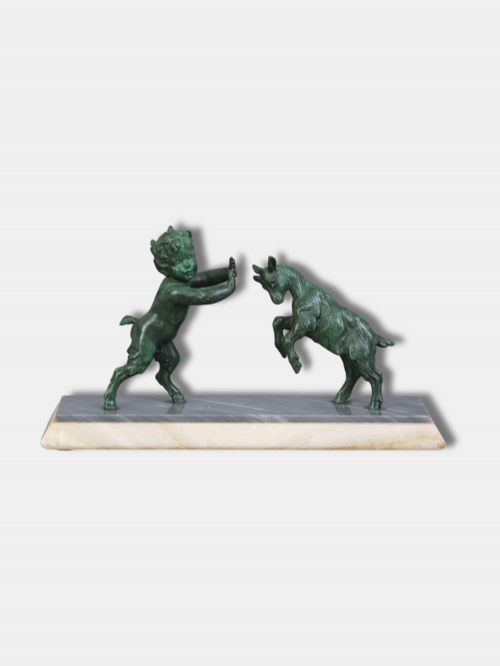
An antique metal mantel ornament brings the weight of the nineteenth or early twentieth century to a hearth, offering bronze, spelter or brass cast into figures, animals and classical urns.
Antique Metal Mantel Ornament
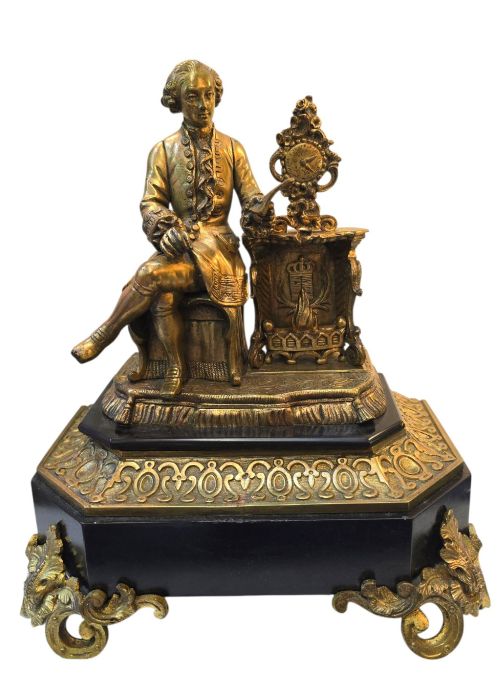
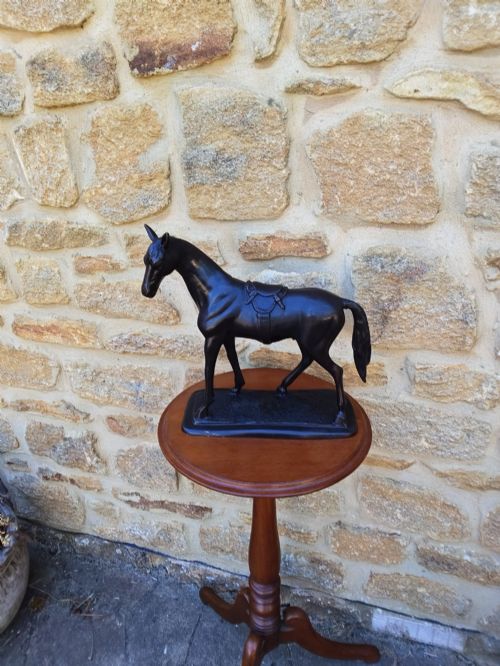
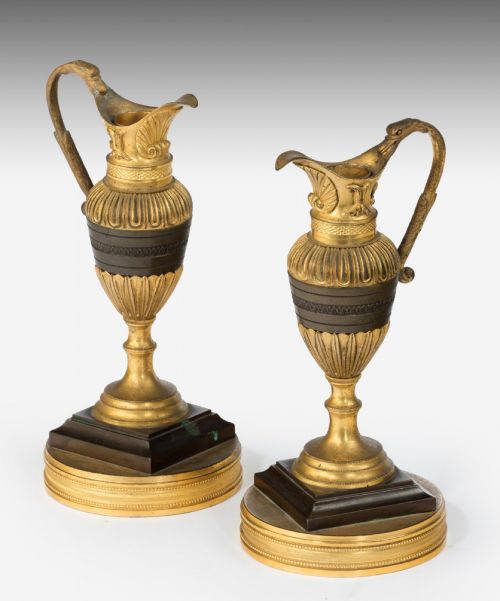
An antique metal mantel ornament takes the form of a bronze, brass or spelter sculpture, a pair of decorative ewers, or a garniture set designed to sit upon a fireplace. These pieces span the nineteenth century, the Victorian era, the Regency period, and the Art Deco style of the 1930s.
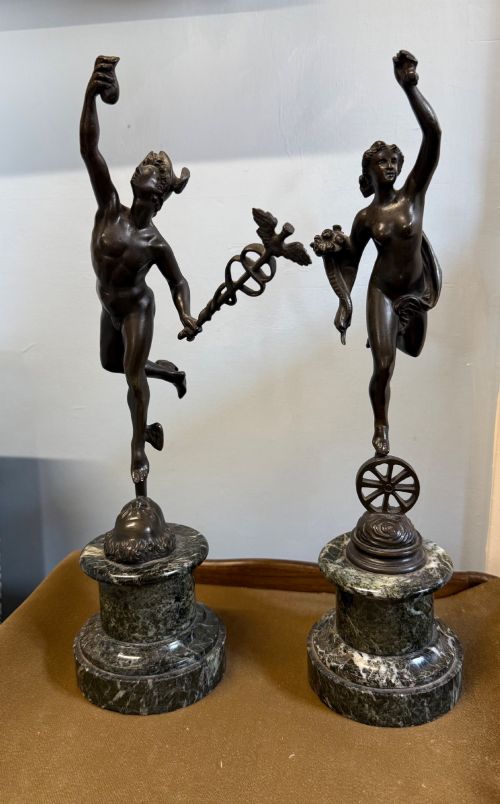
The most common version met on this page is the pair, whether cast as classical figures, animals, or campana urns. Single figural sculptures and decorative vases also appear frequently, often mounted on marble, onyx or alabaster bases.
How they were made
Foundry workers cast these pieces in bronze, brass, or spelter using traditional metal-working methods, frequently applying patinated, gilt, or silvered finishes to the surface. Spelter works as a cheaper alternative to bronze, offering similar sculptural detail when cast and painted.
Many sculptures and urns incorporate contrasting natural materials, uniting cast metal with marble, sienna marble, onyx, or alabaster plinths and bases to add stability and visual weight.
Materials span solid bronze, patinated bronze, silvered bronze, brass, spelter, marble, onyx, and alabaster across periods from the Regency era to 1960.
What varies in quality
The choice of base material also marks the grade of the object. Heavy mounted marble and finely turned ormolu mounts signify a higher investment than plain timber or simple stepped plinths.
Pierre-Augustin Caron de Beaumarchais·E Villanis·Emile Carlier·P. Sega·Claire Colinet·Josef Lorenzl·Michel Decoux·Geo Maxim·Louis Riche·Charles Korschann
The Antique Metal Mantel Ornament Glossary
- Spelter
- A zinc alloy used as a substitute for bronze in decorative figures and ornaments. It is softer and lighter than bronze.
- Ormolu
- Gilt bronze created by applying a finely ground high-carat gold-mercury amalgam to a bronze object. It provides a bright, lasting golden finish.
- Cassolette
- A decorative vase or urn with a reversible lid that functions either as a vessel or as a burner for scented powders. They often appear in pairs during the Regency period.
- Animalier
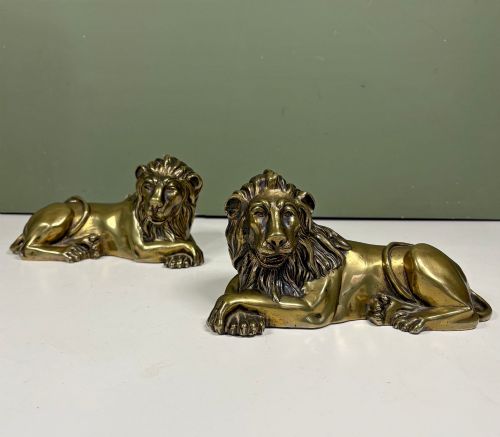
- A nineteenth-century artistic style focused on the realistic portrayal of animals. Figures of lions, horses, and panthers are typical examples.
- Garniture set
- A matched set of three or more ornamental vases or figures designed to be displayed together on a mantelpiece. They are frequently made of toleware, porcelain, or metal.
Antique Metal Mantel Ornament: Frequently Asked Questions
What metals were used for these ornaments?
Foundries cast these mantel pieces primarily in bronze, brass, and spelter. Many examples feature specialised surface treatments such as gilding, silvering, or dark patination.
Some pieces combine multiple metals, pairing bronze figures with ormolu mounts or brass details.
How do I identify Art Deco pieces?
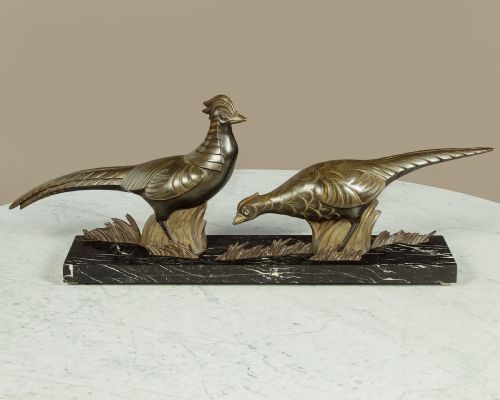
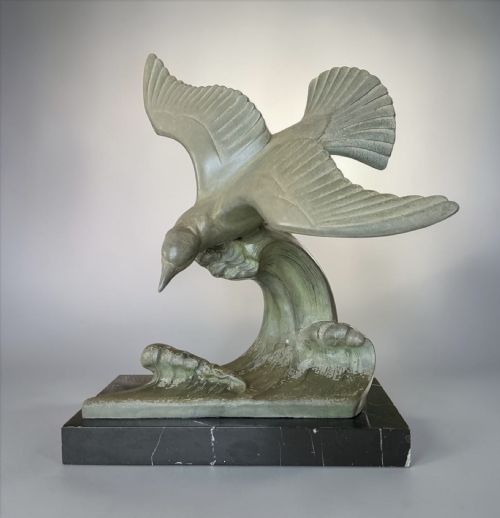
Art Deco pieces typically date from around 1930 and show distinct stylistic traits such as streamlined female figures, geometric animals like panthers and seagulls, and materials like spelter on alabaster bases.
They lack the classical drapery or overt ornamentation found in Victorian or nineteenth-century French works.
Were these ornaments made as pairs?
Many objects on this page were produced as symmetrical pairs, including ewers, lions, horses, and decorative urns meant to flank a central clock or mirror.
Single figural sculptures and standalone vases also appear frequently among the listings.
What are the common base materials?
Sculptures and urns frequently rest on heavy natural stone plinths to provide balance and a formal presentation. Marble, onyx, sienna marble, and alabaster serve as the primary materials for these bases.
Stepped metal plinths also appear on certain nineteenth-century cast items.