
Antique Metal Kitchenware
These robust antique metal kitchenware pieces range from heavy Georgian preservation pans to Victorian jelly moulds forged in copper, brass, iron, and toleware.

Antique Metal Kitchenware
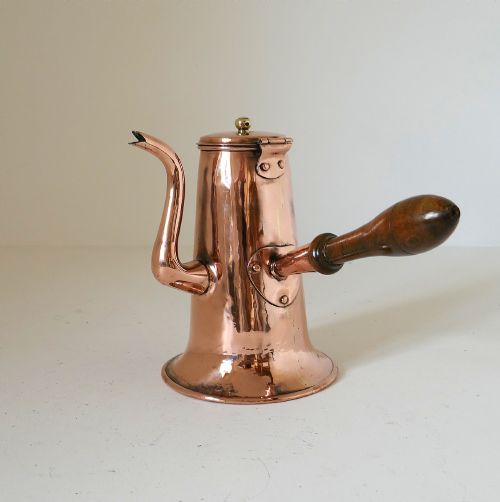
When you search for antique metal kitchenware, you encounter utilitarian vessels created for food preparation, preservation, and service in past centuries. The selection on this page leans heavily toward domestic copper objects from the Georgian and Victorian eras, alongside brass, iron, and toleware pieces.
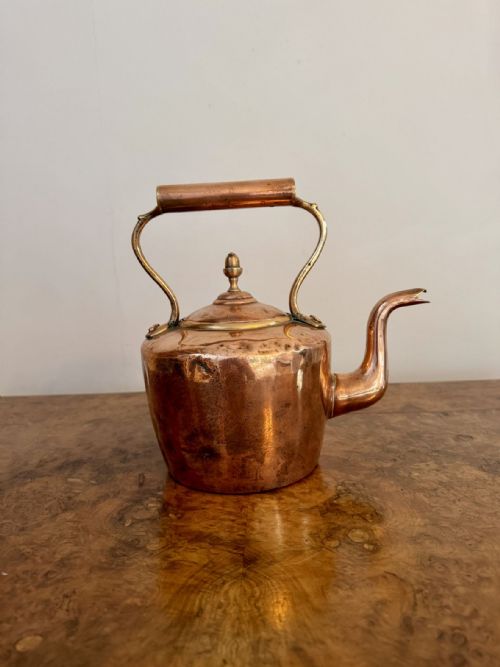
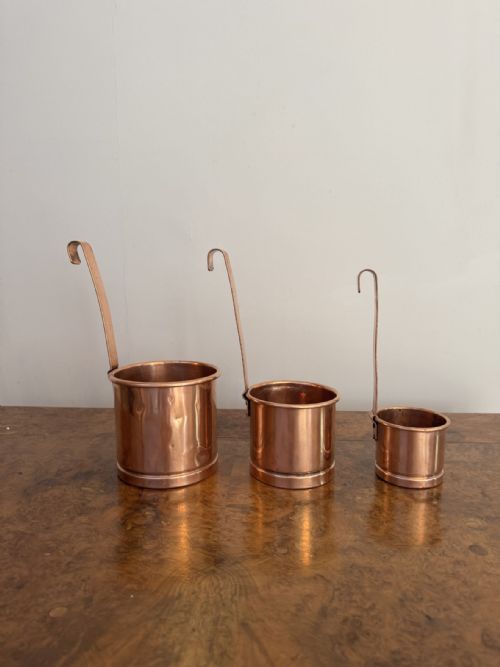
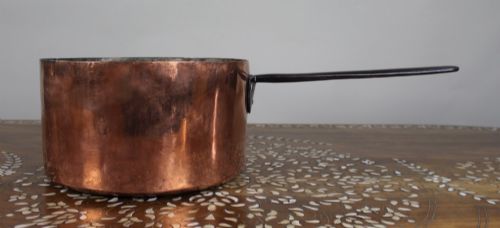
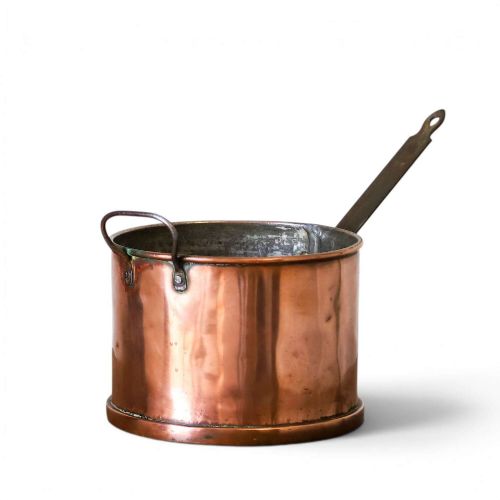
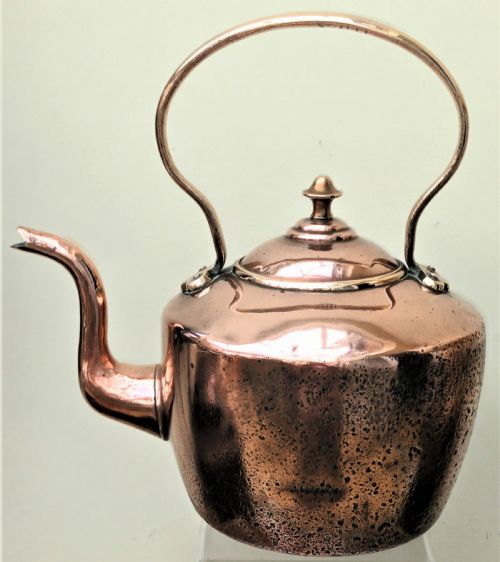
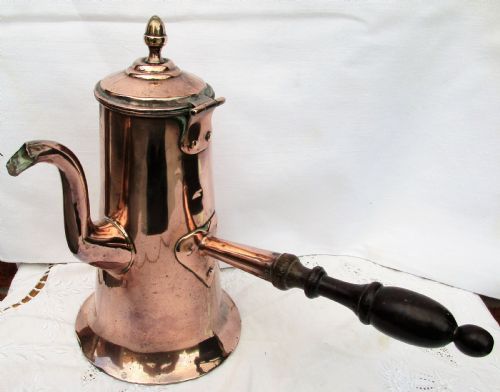
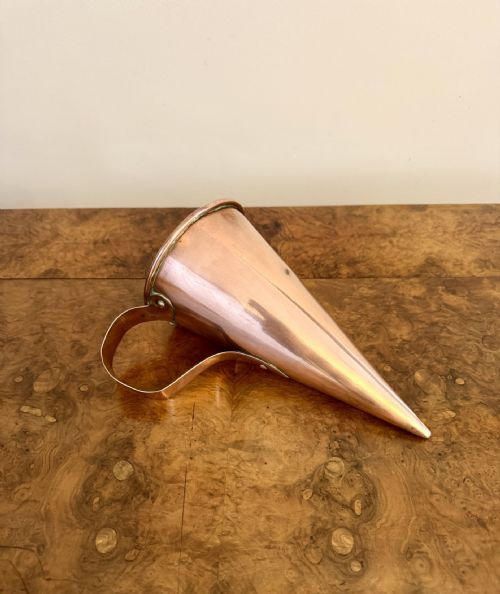
The items span practical kitchen mainstays such as kettles, coffee pots, saucepans, and preserving pans, alongside specialised items like jelly moulds and measures. These functional forms reflect the cooking requirements of 18th-century hearths and 19th-century range kitchens.
Geographic origins vary from English and Dutch workshops to French provincial kitchens and Middle Eastern smiths. Most pieces show the robust construction necessary for daily use over open fires or coal stoves.
How antique metal kitchenware was made
The primary material across these listings is copper, hammered from heavy gauge sheets into vessels with dovetailed or brazed seams. Smiths shaped these objects by hand, often leaving visible hand-beaten marks on the surface.
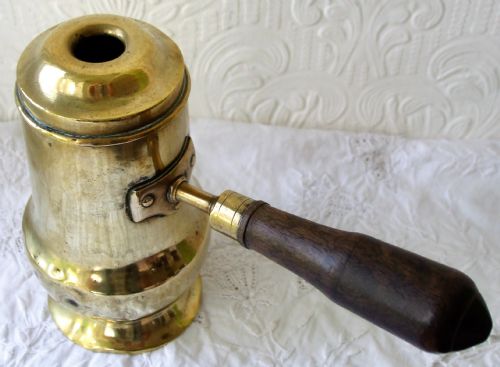
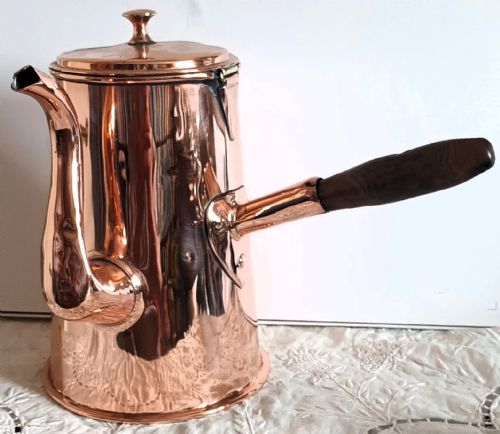
Brass and bronze items, such as mortars, pestles, and chocolate pots, utilised traditional casting methods. Iron pieces relied on blacksmithing techniques for wrought items or foundry casting for heavy saucepans.
Surface treatments included tinning on the interior of copper cooking vessels to prevent food toxicity, while toleware pieces received painted and japanned finishes over metal bases.
Materials represented include copper, brass, iron, cast iron, wrought iron, tin, wood, and toleware.
What varies in quality in antique metal kitchenware
The standard of a piece rests in the thickness of its metal gauge and the integrity of its construction. Heavy gauge copper pans and thick-walled brass mortars indicate superior utility and longevity compared to lighter domestic wares.
Subtleties in hand-shaping, such as evenly spaced hammer blows, dovetailed seams executed with precision, and well-balanced handles riveted securely, separate ordinary vessels from finer examples. Matching sets and graduated groups also command greater interest.
State of preservation matters greatly, including the retention of original tin linings, minimal patching, and the natural patination accumulated through age and use rather than aggressive modern polishing.
The Antique Metal Kitchenware Glossary
- Toleware
- Japanned or painted metalware, usually iron or tin, finished with decorative lacquer or enamel coatings. Victorian flatback flour bins represent this category.
- Preserving pan
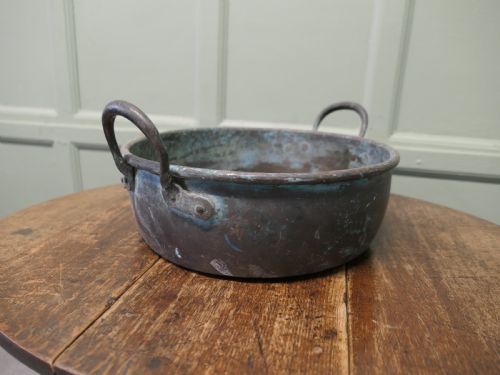
- A large, open metal vessel, typically heavy copper, designed for boiling fruits and sugar over a heat source. These often feature strong side handles for lifting heavy loads.
- Gauge
- The thickness of the metal sheet used to form a vessel. Heavy gauge indicates a thick, durable wall that resists warping under intense heat.
- Dovetailed seam
- A method of joining sheet metal by interlocking fingers of metal at the joint before hammering flat and sealing. This technique appears frequently on Georgian and Victorian copper pans.
- Jelly mould
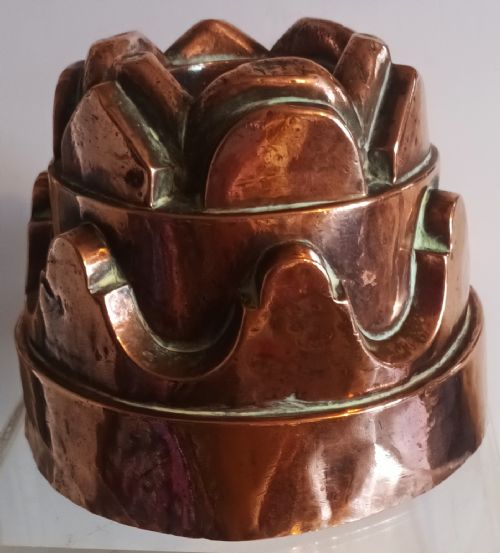
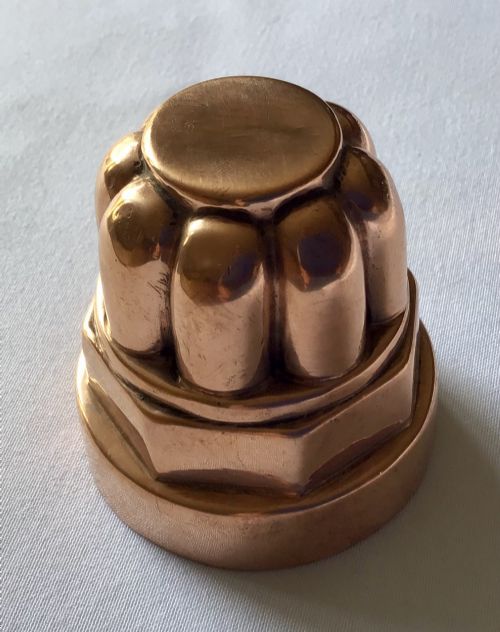
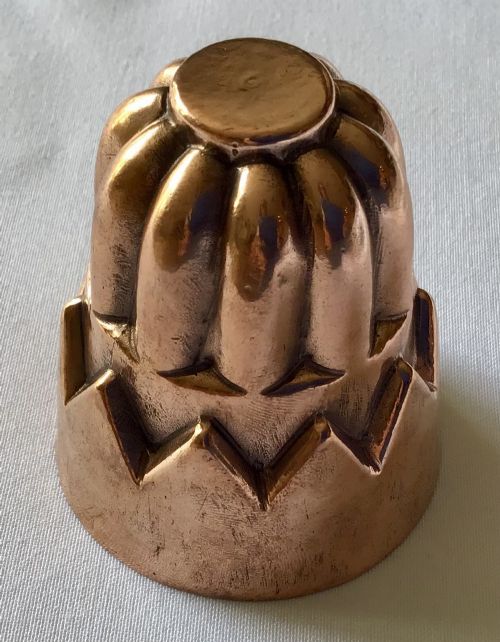
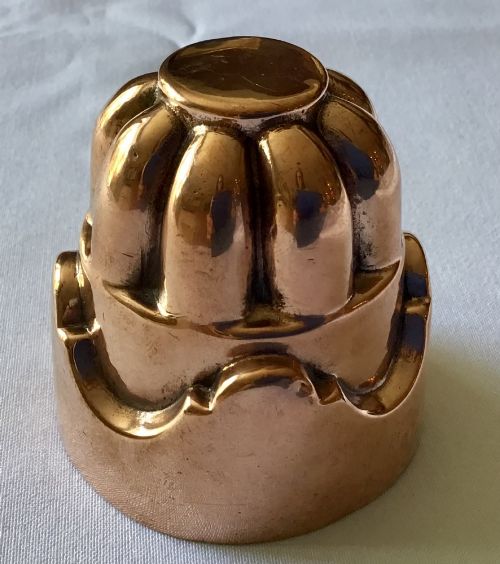
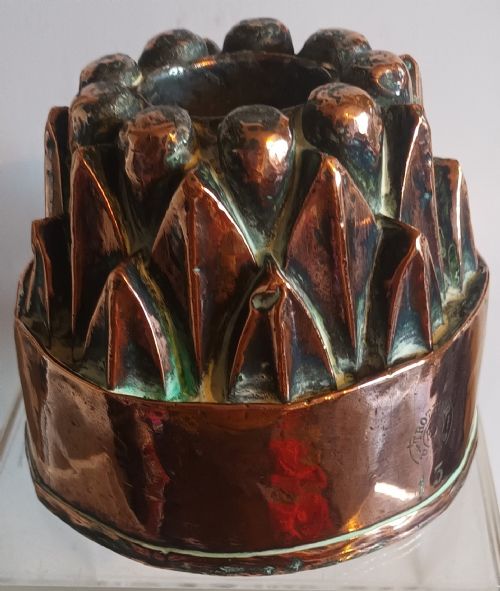
- A rigid culinary form made of copper or tin used to shape aspics, jellies, and desserts. Examples frequently incorporate elaborate interior designs such as castle tops.
Antique Metal Kitchenware: Frequently Asked Questions
What metals were used in antique kitchenware?
The listings show items formed primarily from copper, brass, iron, cast iron, wrought iron, tin, and toleware. Bronze also appears in heavy items like mortars.
These metals were selected for their thermal conductivity, durability, and suitability for hearth or stove cooking.
How do I date a copper kitchen pan?
Dating relies on stylistic markers, construction methods, and period characteristics such as those from the Georgian or Victorian eras. Hand-beaten surfaces, dovetailed seams, and specific handle shapes help place a piece in time.
Evidence from stamps, makers' marks, or regional design traits further narrows the manufacturing window.
Were antique copper pots used for cooking?
These vessels served as functional kitchen equipment for boiling, preserving, and brewing. Interiors were typically lined with tin to prevent chemical reactions between copper and acidic foods.
Today, many collectors display them as decorative kitchenalia while maintaining their historic structural integrity.
What is a toleware flour bin?
Toleware flour bins are painted or japanned metal containers made to store dry goods in the kitchen. The flatback design allowed them to sit flush against a wall or counter.
They combine utilitarian storage with decorative surface finishes characteristic of the 19th century.
Why do copper pans have dovetailed bottoms?
Dovetailing joined sheet metal securely before modern welding techniques existed. Smiths interlocked fingers of metal at the base and seam, then hammered them flat to create a strong joint.
This construction method is a hallmark of quality hand-beaten copperware from the Georgian and Victorian periods.