


Antique Metal Handles
These antique metal handles and fitted vessels span centuries of metalworking, offering practical hardware and decorative domestic objects cast in bronze, copper, and brass.
Antique Metal Handles
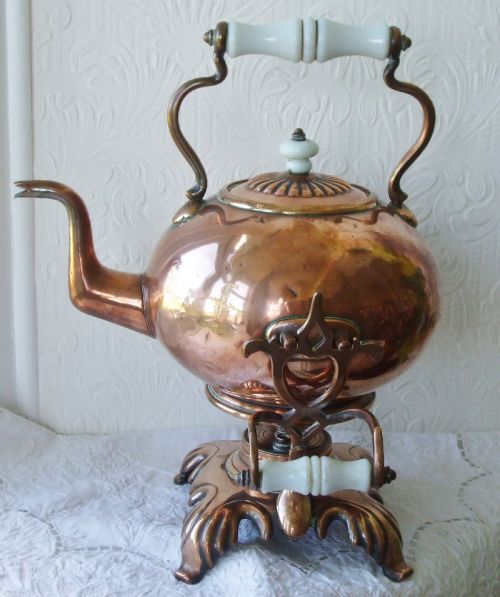
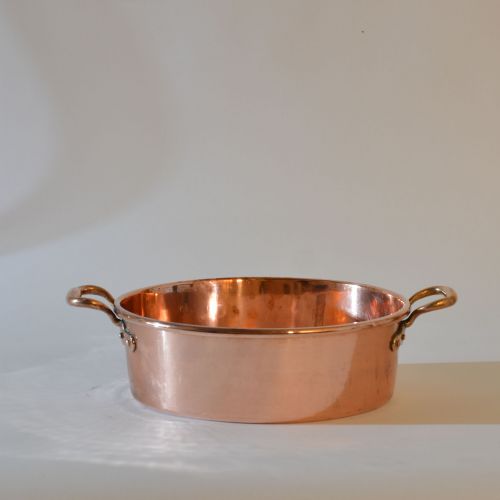
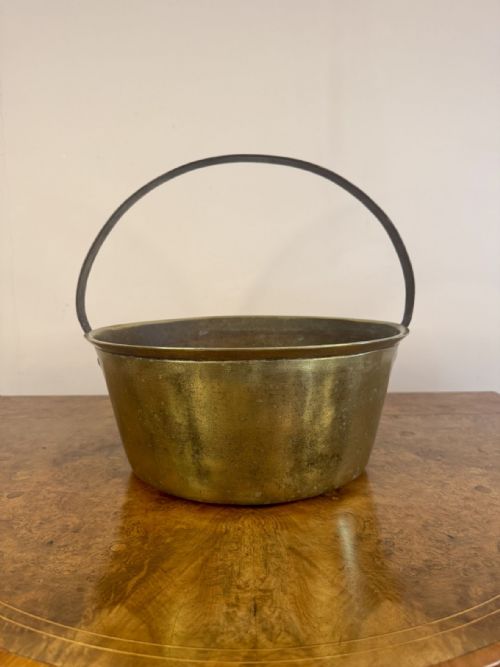
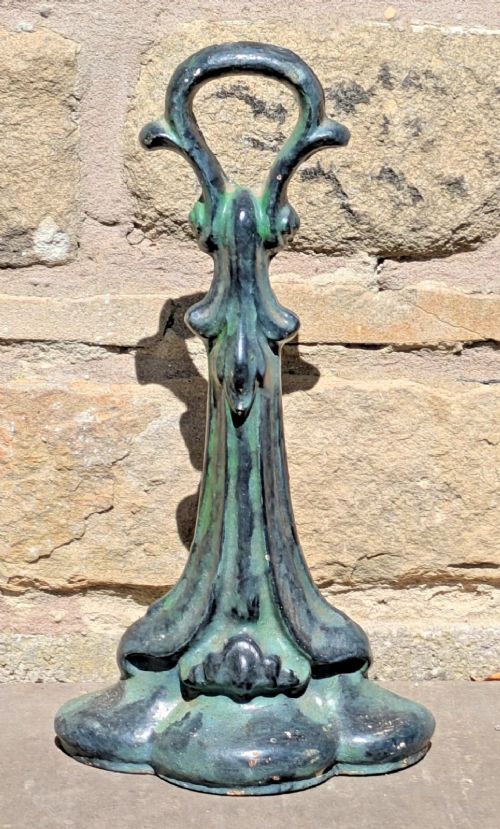
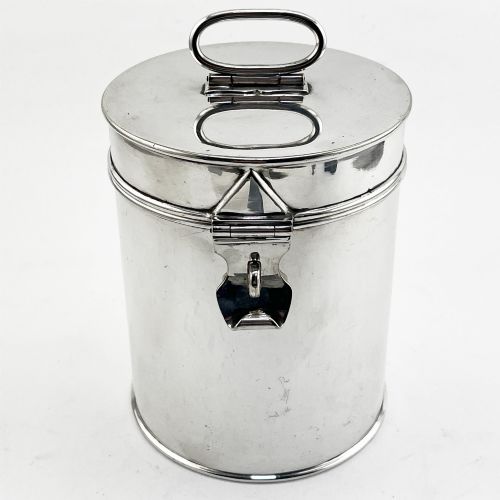
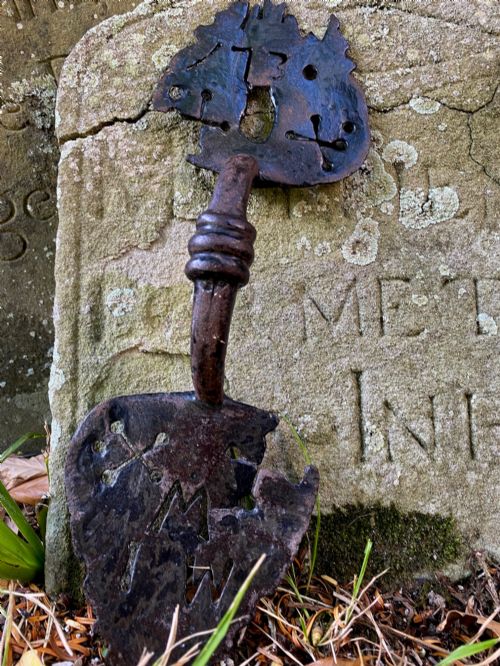
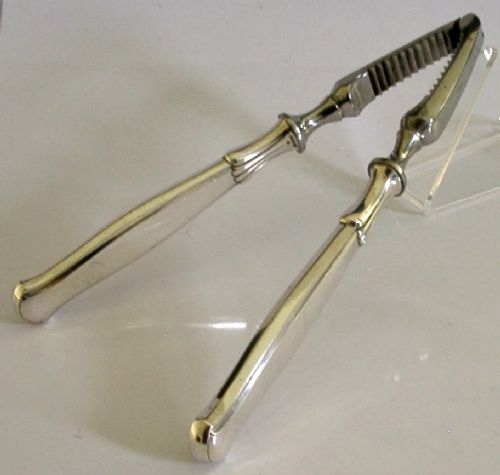
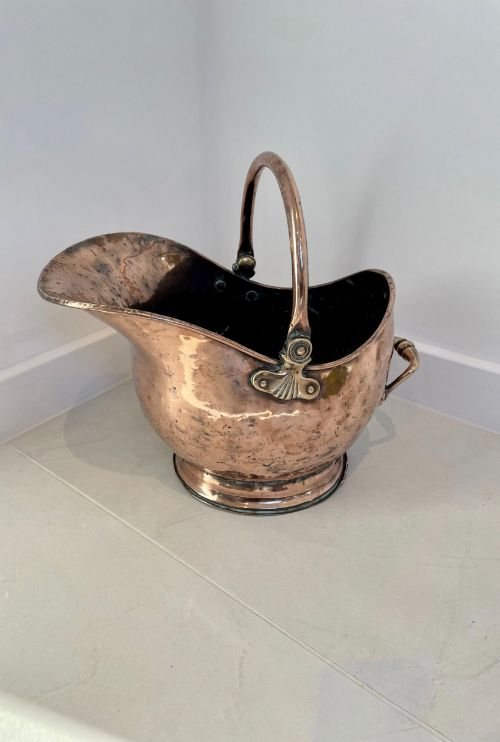
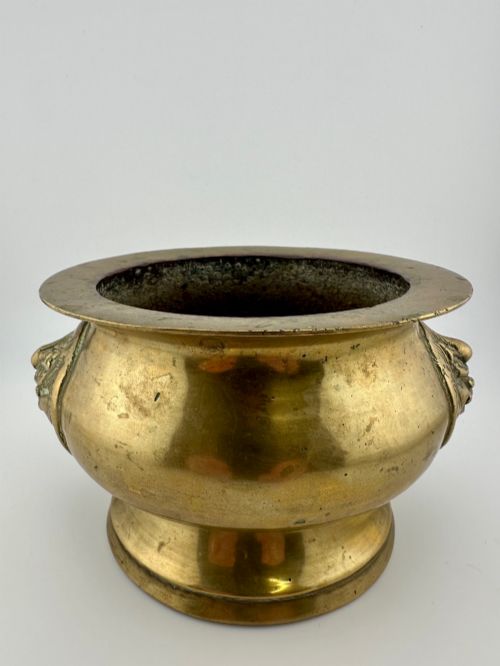
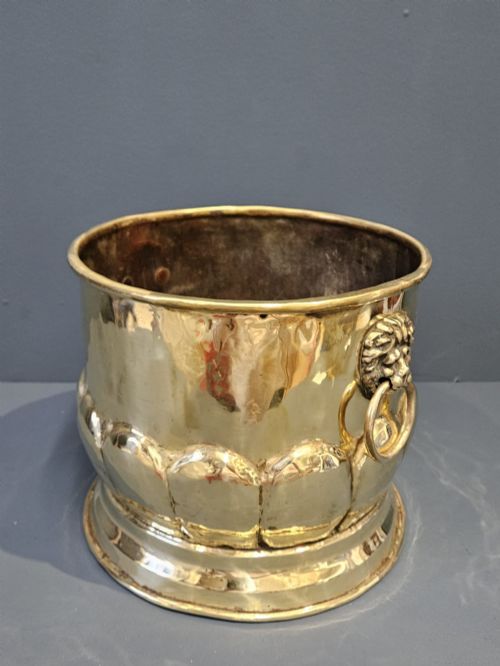
When you search for antique metal handles, you encounter a diverse collection of utilitarian hardware and vessels featuring integral metal grips, ranging from Japanese door pulls to heavy domestic cookware. The listings lean heavily towards nineteenth-century copper and brass kitchenware, such as preserve pans, coal scuttles, and kettles fitted with sturdy handles, alongside Asian bronzes adorned with mask or ring grips.
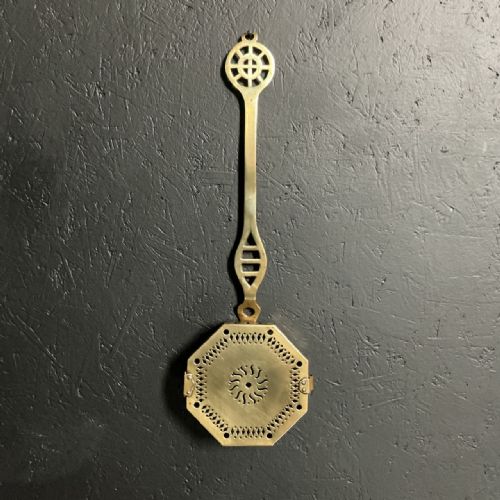
Beyond functional kitchen items, the selection includes decorative planters, censers with stylized handles, and architectural door furniture like hikite pulls. These pieces cross multiple periods, from eighteenth-century Georgian items to Victorian household metalwork and twentieth-century decorative pieces.
Materials and construction methods
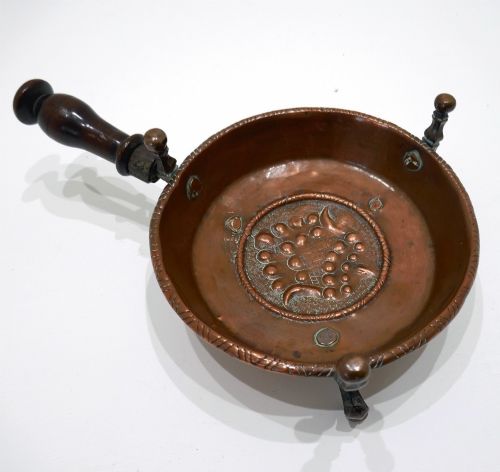
The objects in these listings rely primarily on copper, brass, and bronze, worked through casting, hammering, and riveting. Heavy copper pans and jam pots utilise thick sheet metal joined with dovetail seams or rivets, paired with cast brass or iron handles attached securely for heavy lifting.
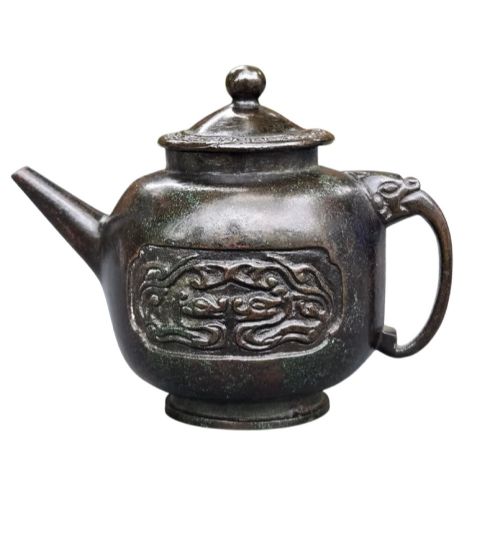
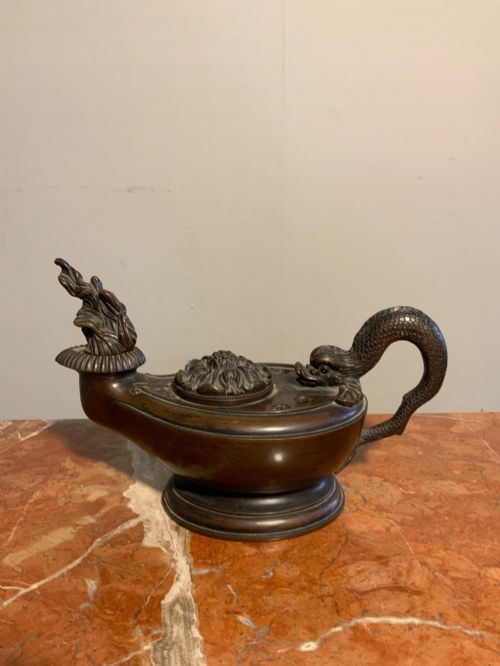
Censers, vases, and door pulls demonstrate sophisticated casting techniques, including lost-wax methods seen in Chinese bronzes and Japanese Meiji period vessels. Details such as lion mask handles or intricate surface patterns are cast directly into the metal or chased by hand afterwards.
Antique Metal Handles Retail Price Guide 2026
Typical asking prices for metal handles among the pieces listed under this phrase on Sellingantiques today, from the lower quarter to the upper quarter. They describe what is for sale here now, not the wider market.
Several walking sticks double as concealed sword handles, offering secret defence alongside nineteenth-century elegance.
What distinguishes finer examples
Quality in these metal objects rests on the crispness of the casting and the integrity of the construction. Superior pieces show sharp, deep relief in decorative handles and mask mounts, without the blurring typical of secondary recasts.
The weight of the metal and the robustness of handle attachment also separate everyday utility items from finer decorative works. Original fixings, substantial gauge copper or bronze, and balanced proportions mark the upper tier of the range.
Keith Murray·Mappin and Webb
The Antique Metal Handles Glossary
- Hikite
- A type of recessed door pull found on Japanese sliding doors. They are frequently made of metal or enamel and set flush into the woodwork.
- Censer
- A vessel used for burning incense. Antique examples in bronze often feature elaborate animal-form handles such as lion masks or elephant heads.
- Jardiniere
- An ornamental pot for holding plants. Victorian examples in brass or copper frequently incorporate sturdy swing handles on the sides.
- Spelter
- An alloy of zinc and lead used as a cheaper substitute for bronze. It is commonly found cast into nineteenth-century decorative urns and figures.
- Seal mark
- A stamped or cast mark identifying the period or maker of Asian bronzes. They help to date pieces from dynasties such as the Ming or Qing.
Antique Metal Handles: Frequently Asked Questions
How do I clean antique copper and brass?
These metals respond best to gentle cleaning with traditional metal polishes that respect the aged surface. Avoid harsh abrasives that remove the natural warmth accumulated over centuries.
Leaving a degree of darker patination in recessed areas often highlights the craftsmanship of the handles and mounts. Regular dusting and occasional soft wiping maintain the finish without stripping character.
What is an archaistic bronze?
Archaistic bronzes are later pieces designed in the style of much older dynasties, copying ancient ritual vessel forms. These objects often appropriate ancient motifs like taotie masks and ring handles.
Such pieces reflect a long tradition of reverence for antiquity, particularly in Chinese metalwork from the Qing period. They combine historic aesthetics with the casting technology of their actual date of manufacture.
How can I tell Victorian brass from Georgian?
Georgian brass and copper items typically display hand-hammered marks and simpler, heavier construction suited to open hearths. The surfaces show the irregularity of manual working methods.
Victorian pieces often benefit from more mechanized rolling and stamping techniques alongside sand casting. They frequently embrace eclectic revival styles such as Gothic or Neoclassical motifs.