


Antique Metal Fireplace Supports
These antique metal fireplace supports bring sturdy grace to an open hearth, pairing utility with enduring decorative design.
Antique Metal Fireplace Supports
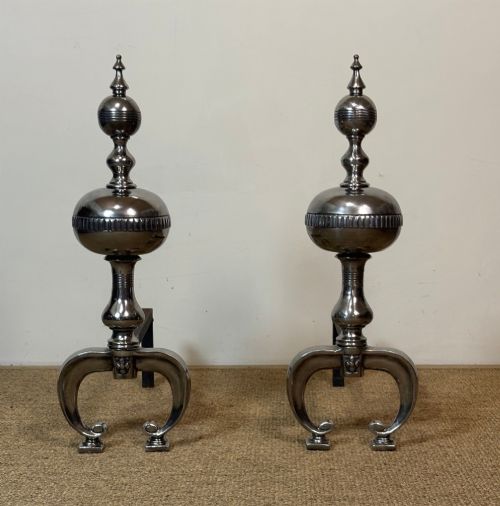
When you search for antique metal fireplace supports, you encounter heavy functional pairs designed to elevate logs within a hearth. The most common examples on this page are brass and wrought iron andirons, also known as fire dogs, originating from the Victorian era and the nineteenth century.
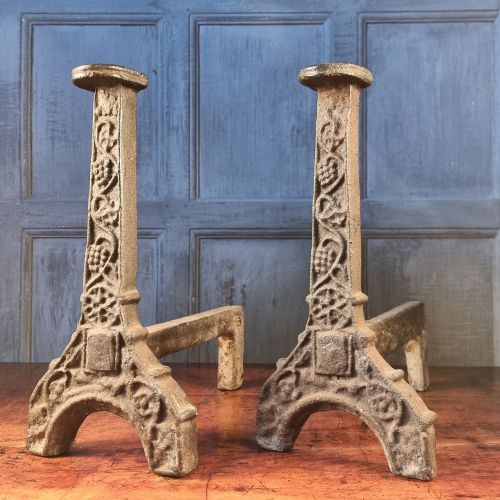
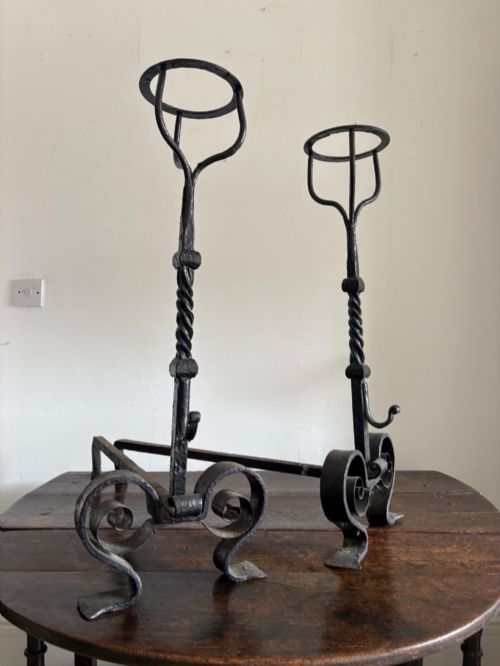
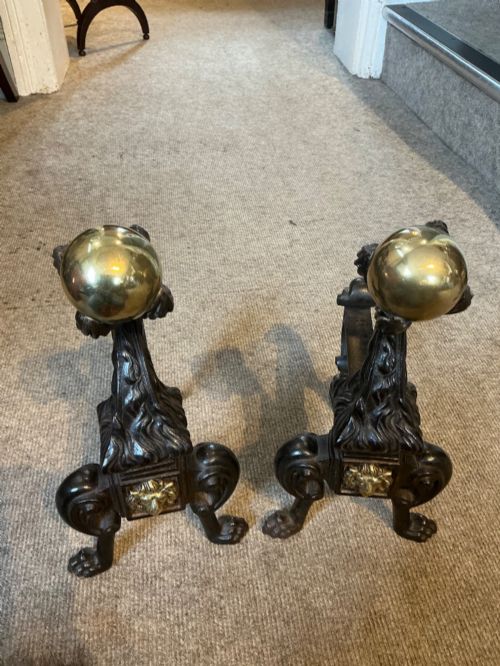
Beyond standard Victorian pairs, the selection includes robust sixteenth century Gothic firedogs, early nineteenth century bronze chenets, and hand-forged Arts and Crafts steel pieces. These hearth accessories take various forms, from simple utilitarian bars to ornate figural designs tailored for country houses.
How they were made
Blacksmiths and founders shaped these heavy hearth supports using traditional metalworking techniques such as hand-forging wrought iron and casting molten brass or bronze. Artisans often combined materials, pairing sturdy iron frames with polished brass finials or mounting bronze elements onto steel bases.
Decorative surface work involved meticulous chasing, ormolu mounting, and occasionally gilt brass finishes to catch the firelight. Hand-forged pieces display visible hammer marks from the forge, while cast examples exhibit intricate relief patterns reflecting Gothic, Baroque, or Regency styles.
What varies in quality
Quality rests primarily in the integrity of the metalwork, the weight of the casting, and the crispness of any decorative chasing. Superior examples display balanced proportions and substantial gauge metal that withstands centuries of intense hearth heat without warping.
Artistic execution and material purity further separate standard items from exceptional pairs, particularly when makers combined cast bronze, ormolu, and hand-forged steel. The finesse of the surface finish and the originality of the mounts dictate the distinction between ordinary utility and high-status decorative art.
The Antique Metal Fireplace Supports Glossary
- Andiron
- A horizontal metal support raised on legs, used in pairs to hold logs in an open fireplace. They often feature decorative vertical fronts facing the room.
- Firedog
- An alternative term for an andiron, originating from medieval hearth furniture designed to keep wood elevated for better air circulation. These metal supports often double as fire dogs.
- Chenet
- The French term for an andiron, frequently applied to ornate continental pieces cast in bronze or brass, sometimes featuring ormolu mounts.
- Wrought iron
- Iron that has been heated and hammered into shape by a blacksmith, yielding a fibrous grain and high resistance to fatigue under heat.
- Ormolu
- Gilded bronze, where finely ground gold is amalgamated with mercury and applied to cast bronze, common in decorative French hearth furnishings.
Antique Metal Fireplace Supports: Frequently Asked Questions
What are antique fireplace supports used for?
These metal supports elevate firewood above the hearth floor to improve air circulation and help logs burn efficiently. They also prevent burning wood from rolling out into the room.
Beyond practical utility, ornamental front pillars add decorative presence to a fireplace even when no fire is lit.
How do I clean antique brass andirons?
Maintenance requires gentle dusting with a soft, dry cloth to preserve any accumulated historic patina. Avoid harsh chemical polishes that strip away age and character from the metal.
If cleaning is essential, use warm soapy water and dry thoroughly immediately to prevent corrosion.
Can I use these andirons in a working fireplace?
Most solid metal pieces remain entirely functional for holding logs in an active hearth. Wrought iron and cast iron designs withstand high temperatures reliably.
Confirm that the depth and height of the supports suit your specific hearth dimensions before burning wood.
How do I identify the period of metal firedogs?
Dating relies on observing manufacturing techniques, material combinations, and stylistic motifs such as Gothic revival arches or Arts and Crafts hand-hammered surfaces. Machine-rolled steel and uniform machine casting generally point towards later periods.
Hand-forging marks, heavy cast bronze, and specific joinery details help distinguish earlier sixteenth and nineteenth century examples.