

Antique Metal Dog
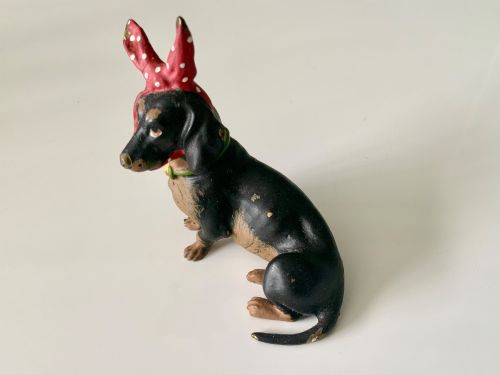
An antique metal dog brings character to a room, taking the form of heavy bronze sculptures, functional fire irons, and small desk accessories.
Antique Metal Dog
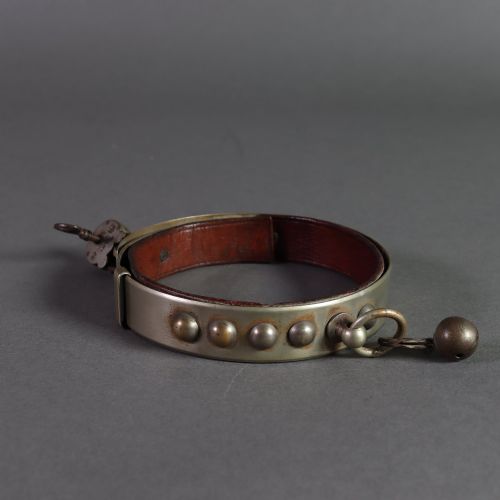
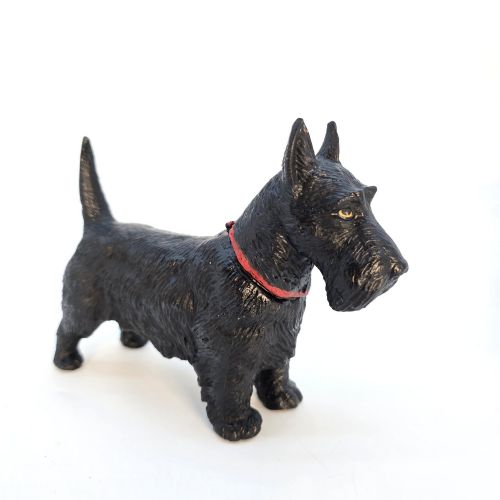
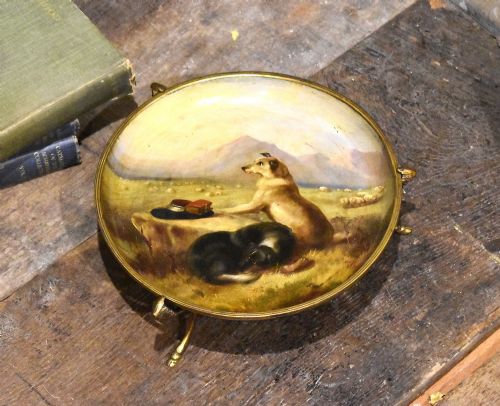
When you search for an antique metal dog, you encounter a varied group of objects ranging from domestic fireplace furniture to small desk accessories and cabinet figures. The most frequent examples on this page date from the Victorian period through to the 1930s, often cast in bronze, brass, or iron.
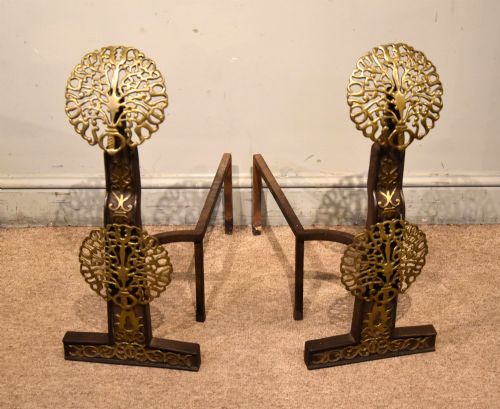
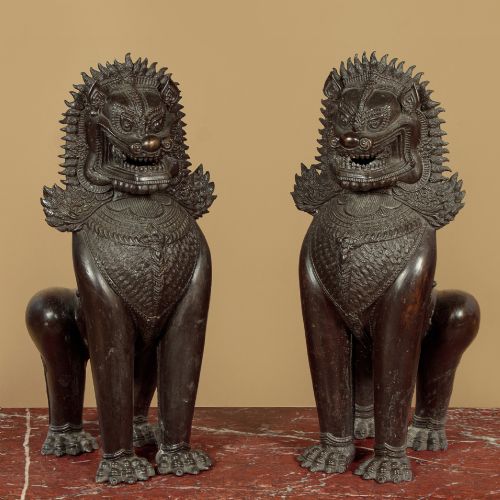
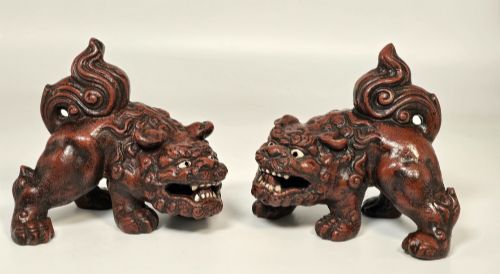
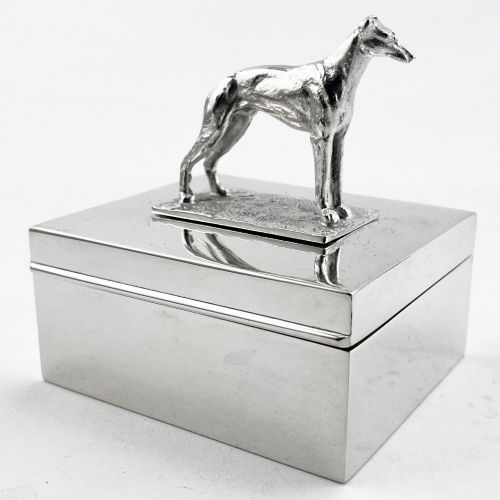
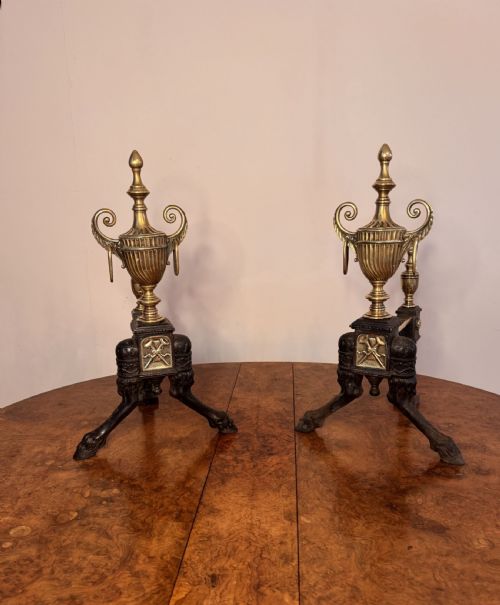
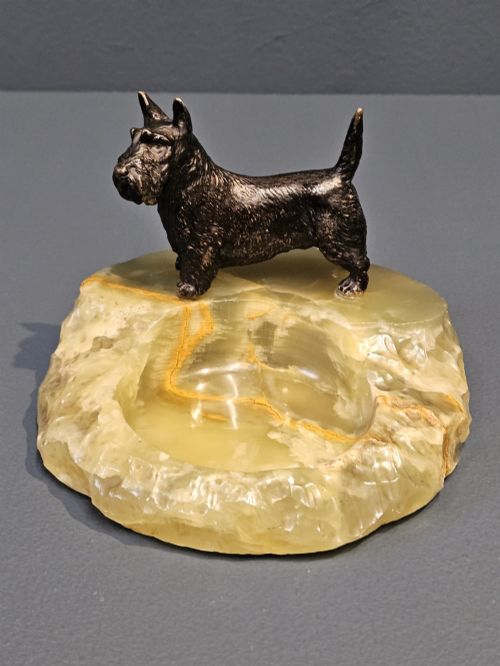
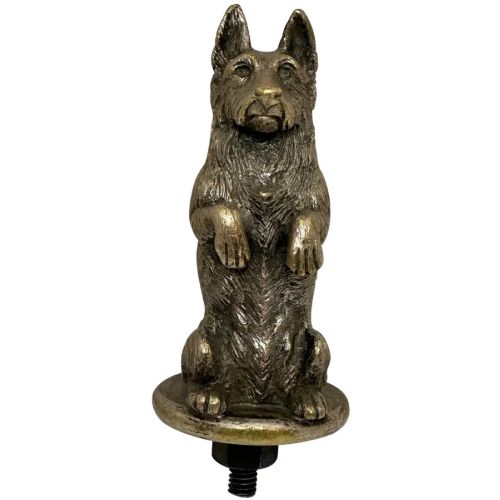
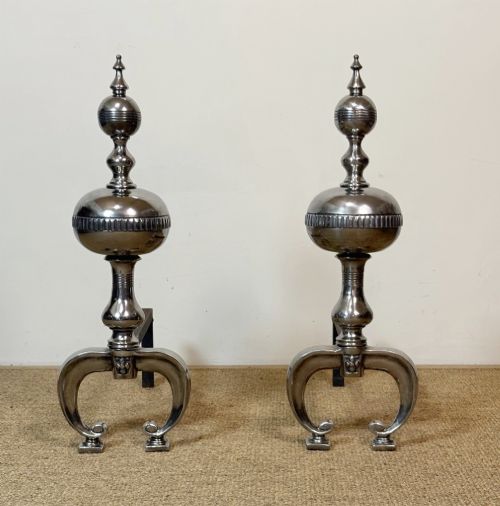
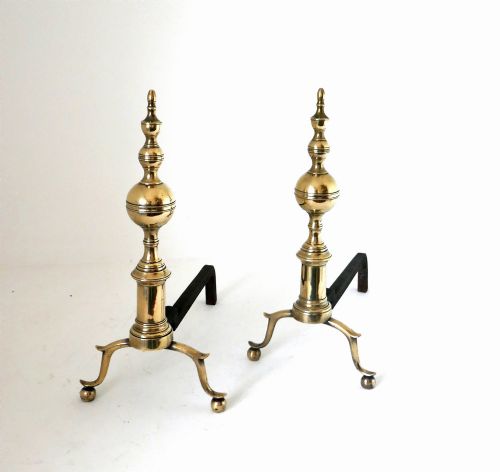
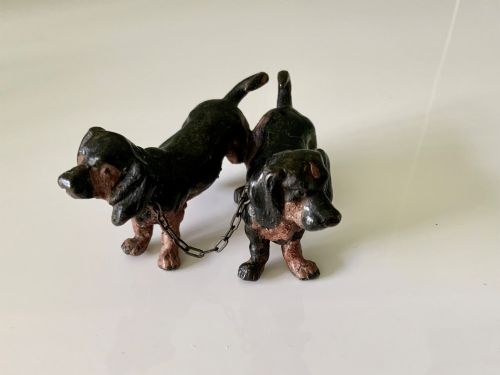
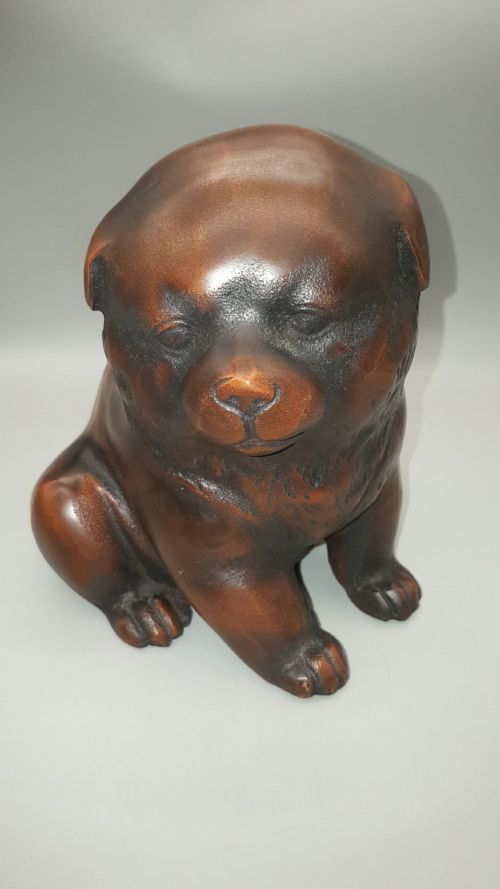
The utility of these pieces spans multiple rooms, appearing as heavy wrought iron and steel fire dogs by the hearth, or as cold painted bronze table pieces and car mascots. Sculptural representations vary from realistic hounds and terriers to stylized Art Deco depictions and Japanese bronzes.
Origins stretch across European workshops, American foundries, and Asian metalwork traditions, each bringing distinct casting methods to the domestic representation of canines. Buyers meet both utilitarian hearth hardware and purely decorative sculptures designed for display on desks or mantelpieces.
Materials and construction methods
Foundries utilised traditional casting techniques, pouring molten bronze, brass, spelter, or iron into intricate moulds to capture the texture of fur and muscle. Heavier utilitarian items like fire dogs and andirons were frequently forged from wrought iron and steel by blacksmiths.
Antique Metal Dog Retail Price Guide 2026
Typical asking prices for metal dog among the pieces listed under this phrase on Sellingantiques today, from the lower quarter to the upper quarter. They describe what is for sale here now, not the wider market.
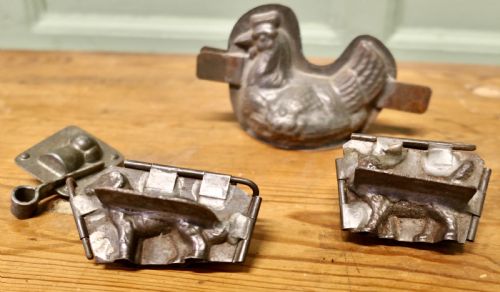
Among the heavy iron and bronze hounds rest tiny chocolate moulds shaped as obedient pets.
Assessing quality in metal canine figures
The crispness of the casting separates standard production pieces from superior works, particularly where fur, eyes, and anatomy are rendered with fine detail rather than soft outlines. Hand-finishing and chasing after the casting process reveal the maker's hand on better examples.
Substance and material composition dictate longevity, as dense bronze and solid hand-forged iron outlast lighter alloy castings and spelter alternatives. Preserved original surface treatments, such as cold paint or patination, hold greater integrity than later repainted surfaces.
C Masson·Unno Shomin·Tsunemitsu·Asprey
The Antique Metal Dog Glossary
- Andiron
- A horizontal metal support used in an open fireplace to hold logs above the hearth. These often feature decorative terminals shaped as animals.
- Bronze
- An alloy consisting primarily of copper, traditionally used for durable sculptures and fine castings. It takes patination well.
- Spelter
- A zinc alloy frequently utilised as a less expensive substitute for bronze in decorative figures. It is softer and lighter than true bronze.
- Cold painted
- A method where paint is applied to cold metal, commonly bronze, without subsequent firing. This finish is susceptible to flaking over time.
- Chenet
- The French term for an andiron or fire dog. They frequently incorporate sculptural brass or bronze figures.
Antique Metal Dog: Frequently Asked Questions
What are fire dogs used for?
Fire dogs support firewood inside an open hearth to allow air circulation underneath the burning logs. They keep the fuel elevated for a cleaner and more efficient burn.
In addition to utility, decorative pairs often ornament the fireplace when the hearth is unlit. Their heavy metal construction stabilized large timber logs in period homes.
How do I clean bronze figures?
Bronze surfaces require only gentle dusting with a soft, dry cloth to remove accumulated particles. Avoid harsh chemical cleaners or abrasive polishes that strip the original patina.
Applying occasional microcrystalline wax helps protect the metal from atmospheric moisture. Professional advice should be sought before attempting any aggressive restoration.
What is cold painted bronze?
Cold painting involves applying polychrome pigments directly onto a cold bronze casting rather than firing enamel in a kiln. Austrian workshops popularized this technique for small animal sculptures.
Because the paint is unfired, pieces require careful handling to prevent chipping. Surviving original paint significantly contributes to the character of the piece.
How do I date metal dogs?
Dating relies on stylistic markers, casting techniques, and the type of metal alloy used in the construction. Art Deco pieces display distinct geometric styling, while Victorian and earlier examples favour heavier cast iron or brass.
Makers' marks, signatures, and country of origin stamps also assist in determining the era. Comparing the construction methods to known manufacturing periods narrows down the date.