



Antique Metal Cooking Pot
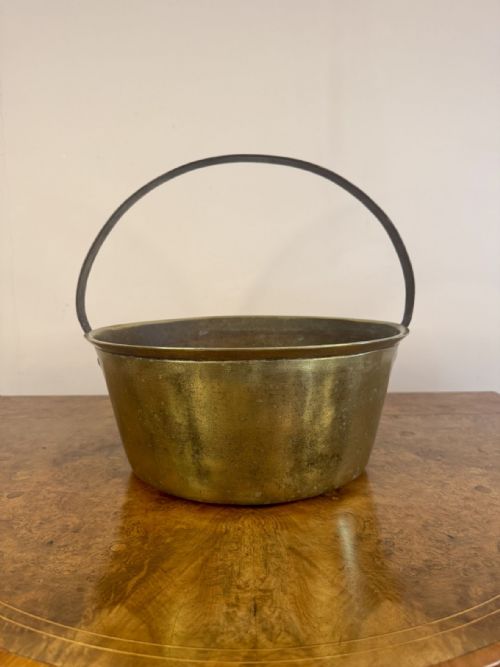
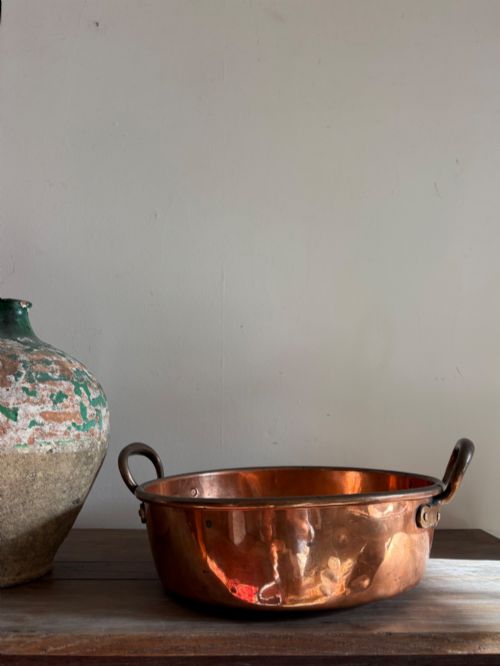
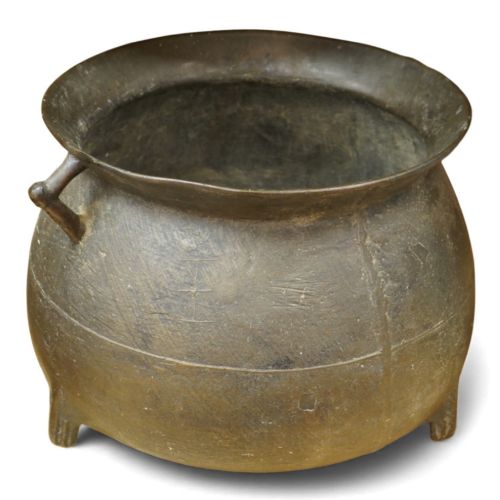
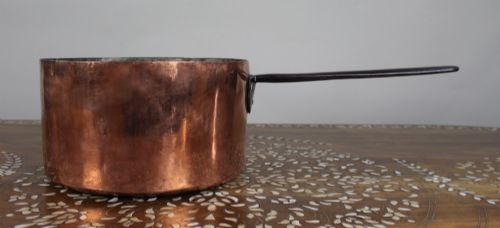
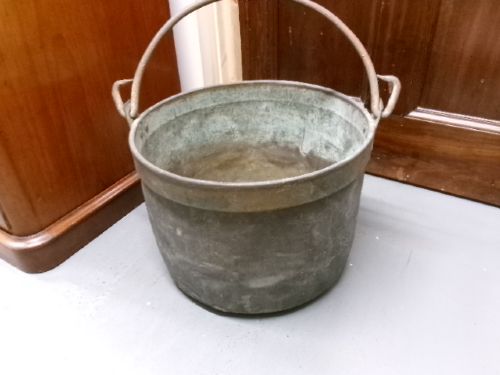
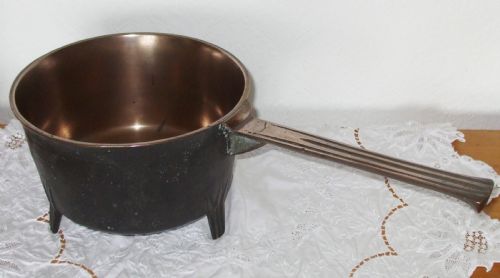
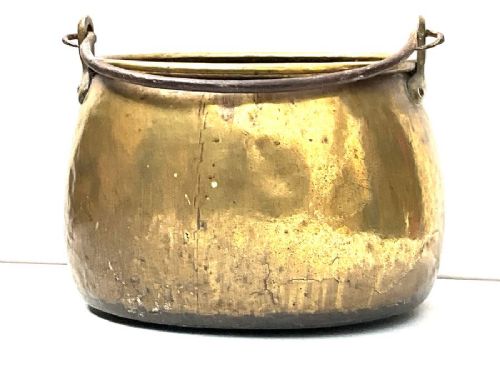
These heavy copper vessels and bronze cauldrons are an antique metal cooking pot, chosen for hearth display and substantial kitchen utility.

Antique Metal Cooking Pot
An antique metal cooking pot spans centuries of kitchenware, ranging from early hearth vessels to later display pieces. You encounter heavy copper saucepans, bronze cauldrons, and brass jam pans most frequently.
The material shifts from early cast bronze and leaded bronze of the seventeenth century to beaten copper and brass by the Georgian and Victorian periods. Forms include large cauldrons, preserve pans, skillets, and lidded cooking vessels.
Origins stretch across English workshops, French country kitchens, and continental foundries. These items function equally as kitchenalia and fireplace accessories.
How they were made
Early cauldrons and skillets utilise cast bronze and leaded bronze poured into moulds, often featuring integral feet and handles. Later vessels rely on heavy sheet copper or brass, hammered and shaped over forms.
Joints and handles frequently show hand-riveting, alongside iron swing handles and wrought iron hangers. Surface finishes retain original patination from open hearth use and period maintenance.
Antique Metal Cooking Pot Retail Price Guide 2026
Typical asking prices for metal cooking pot among the pieces listed under this phrase on Sellingantiques today, from the lower quarter to the upper quarter. They describe what is for sale here now, not the wider market.
Listings feature copper, iron, brass, bronze, and tin across Georgian, Victorian, and seventeenth century periods.
What varies in quality
Thickness of metal distinguishes everyday vessels from superior heavy-gauge saucepans and cauldrons designed for serious culinary work or prominent display. Weight indicates the amount of copper, brass, or bronze utilised in the body.
The integrity of construction, such as clean riveting and well-fitted lids, separates standard pots from exceptional examples. Maker stamps and original patination add distinction to the piece.
Hodges and Sons·Liptons
The Antique Metal Cooking Pot Glossary
- Cauldron
- A large metal pot with a rounded base, often standing on three small feet for hearth cooking. These deep vessels frequently feature a swing handle.
- Skillet
- A small cooking pot or pan fitted with a single long horizontal handle and short legs. Also known as a posnet, this form dates back to the seventeenth century and earlier.
- Jam pan
- A wide, open brass or copper pan designed for preserving fruit over a heat source. They usually possess two handles or a single swinging bail handle.
- Daubiere
- A specialised lidded cooking pot used for slow-braising meats. French examples often appear in heavy copper.
- Trammel
- An adjustable iron hook used in the hearth to suspend cooking pots at varying heights over the fire. These hearth accessories often accompany older metalware.
Antique Metal Cooking Pot: Frequently Asked Questions
How do I date an old copper pot?
Dating relies on construction methods, handle attachments, and material thickness. Hand-beaten seams, dovetail joints, and heavy cast handles point towards earlier Georgian and Victorian manufacture.
Stamped maker marks and specific patination styles further help narrow down the period of production.
Were these pots used on open fires?
Many of these vessels were designed specifically for open hearth cooking, sitting directly on embers or suspended from trammel hooks. Heavy bronze cauldrons and iron-handled skillets handled direct flame.
Later copper saucepans transitioned to enclosed stove tops as kitchen layouts evolved during the nineteenth century.
How should I clean copper and brass?
Preserving the historic surface usually involves gentle washing with warm soapy water. Many collectors prefer to retain the dark, original patination rather than polishing the metal to a bright shine.
Harsh abrasives can damage hand-beaten surfaces and remove centuries of accumulated character.
What is a bronze posnet?
A posnet is a small, three-legged cooking pot with a long handle used for heating liquids or melting ingredients over coals. They are typically cast in bronze or brass during the seventeenth and eighteenth centuries.
The three feet kept the vessel stable amidst the ashes of an open fireplace.