

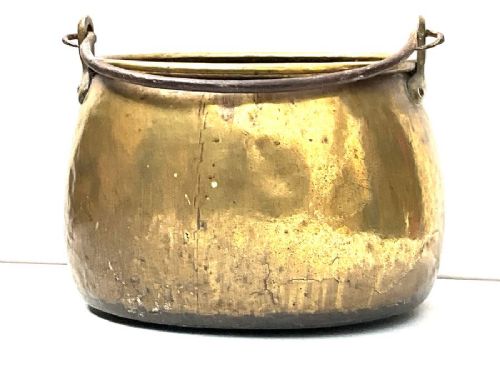


Georgian Cooking Pot
These georgian cooking pot pieces bring sturdy hearth utility and rich metal warmth into modern rooms.
Georgian Cooking Pot
A georgian cooking pot encompasses heavy metal cookware and hearth accessories designed for open fire and stove cooking during the eighteenth and early nineteenth centuries. Buyers searching for a georgian cooking pot encounter robust pans, saucepans, cauldrons, skillets, and preserving pots shaped for domestic hearths.
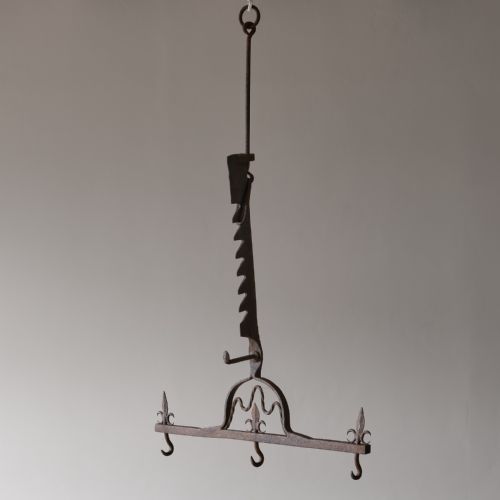
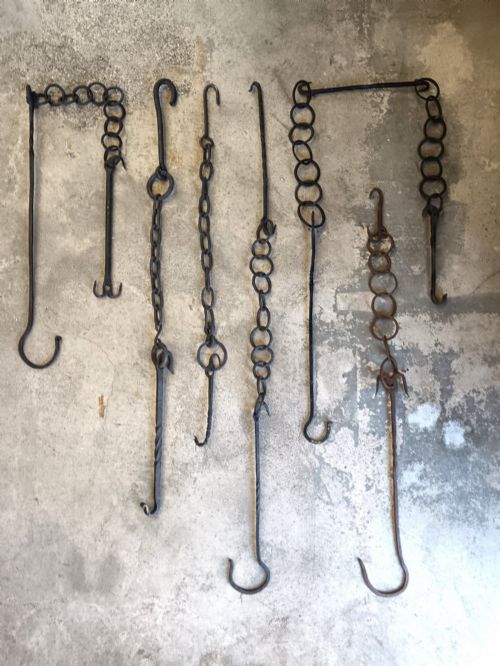
The selections span pieces fashioned from copper, brass, bronze, iron, and wrought iron, alongside essential hanging gear like trammel hooks and chimney jacks. Most surviving examples bridge kitchen utility with rustic country charm, reflecting the practical demands of period domestic life.
How They Were Made
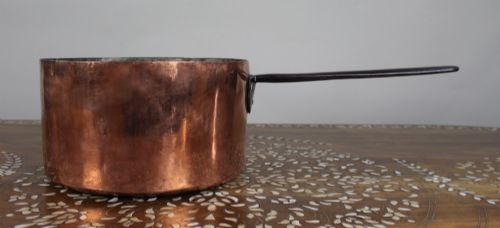
Metalsmiths shaped copper and brass into vessels through hand-beating and riveting, often creating heavy-walled saucepans and preserving pans designed to withstand direct flames. Iron and bronze elements relied on traditional casting and forging techniques, yielding durable skillets, pots, and adjustable trammels.
Makers utilised wrought iron for structural chimney gear and pot hangers, hammering the metal while hot to ensure immense strength. Surface finishes display the distinct marks of hand-forging and early riveting methods rather than industrial uniformity.
Georgian Cooking Pot Retail Price Guide 2026
Typical asking prices for georgian cooking pot among the pieces listed under this phrase on Sellingantiques today, from the lower quarter to the upper quarter. They describe what is for sale here now, not the wider market.
The listings feature copper, brass, bronze, iron, wrought iron, and tin across Georgian and nineteenth-century periods.
What Varies in Quality
Substantial metal gauge and generous proportions distinguish the finest cooking vessels and pans from lighter utility wares. Wall thickness and the integrity of hand-forged joints or rivets dictate the structural resilience of each piece.
The presence of maker marks, careful lid fitting, and well-preserved surface patinas on copper and bronze elevate certain vessels. Simpler iron items depend entirely on the clean execution of the blacksmith's forge work and the survival of original hanging components.
Liptons
The Georgian Cooking Pot Glossary
- Trammel
- An adjustable iron hook used in chimney hearths to suspend pots at varying heights above the fire. It allows precise temperature control during open-fire cooking.
- Skillet
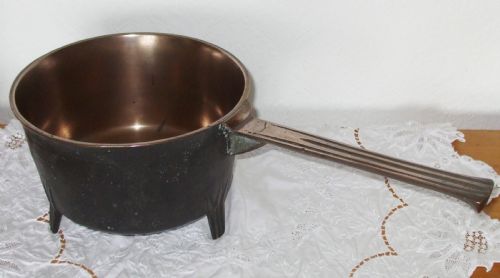
- A small metal cooking pot featuring a flat base and a long handle, often supported on three short legs. Early examples in bronze or brass were widely used for melting or frying.
- Posnet
- A small pot with feet and a single handle, closely related to the skillet. These vessels sat directly in the embers of a hearth.
- Cauldron
- A large rounded cooking vessel designed for boiling or stewing over an open fire. They typically feature sturdy carrying handles or loop attachments.
- Riveted
- Joined together using metal pins hammered flat on either side. This technique secures handles and joins heavy sheet metal plates on copper and brass pans.
Georgian Cooking Pot: Frequently Asked Questions
How were these pots used on a hearth?
These metal vessels sat directly in the embers or hung from adjustable iron trammels and chimney jacks above an open fire. Cooks altered the distance from the flame to control boiling and simmering.
Heavier bronze and copper pans conducted heat efficiently for preserving and sauce-making, while iron pots endured direct contact with glowing coals.
Can I still cook with a Georgian copper pan?
While many surviving copper and bronze vessels retain sound construction, historic culinary metalwork often contains trace elements or lacks modern lining standards. Most collectors choose to display them as kitchenalia and hearth decoration.
Using them today requires careful assessment of the interior metal surface and historical lining integrity.
How do I clean and polish old copper?
Gentle washing with warm soapy water removes dust and grime without harming the historic surface. Harsh abrasive cleaners strip away the natural patination that builds over centuries.
Many collectors prefer leaving the mellow oxidation untouched to preserve the authentic age of the metal.
How do I tell an 18th-century pot from a later one?
Early pieces display hand-forged wrought iron work, irregular hand-beaten copper panels, and early riveted handle attachments. Later nineteenth-century items often show more uniform machine-rolled sheet metal and standardised fittings.
Material choices also shift, with bronze and heavy wrought iron dominating earlier hearth equipment.
Where should I display heavy brass or bronze pans?
These substantial metal pieces suit traditional hearth settings, kitchen dressers, or open shelving where their warm tones stand out. Large preserving pans and cauldrons work well on floor-standing stands or deep hearth bases.
Ensure any hanging trammels or chimney jacks are secured to firm structural supports due to the weight of the iron.