



Bronze Tripod Pot
These bronze tripod pot examples are sturdy three-legged vessels spanning centuries of domestic and ritual use, prized for their heavy patination.
Bronze Tripod Pot
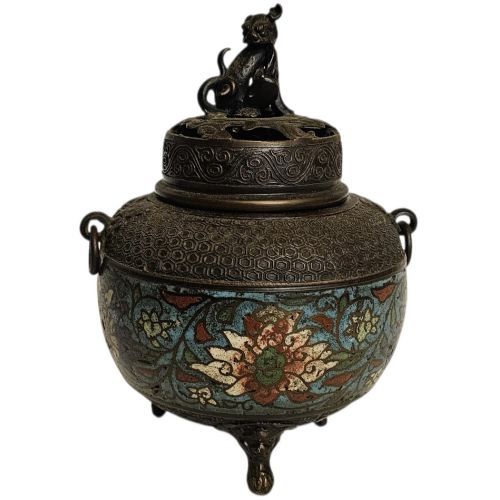
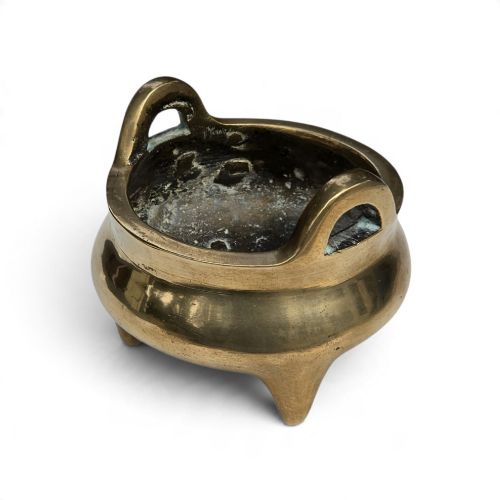
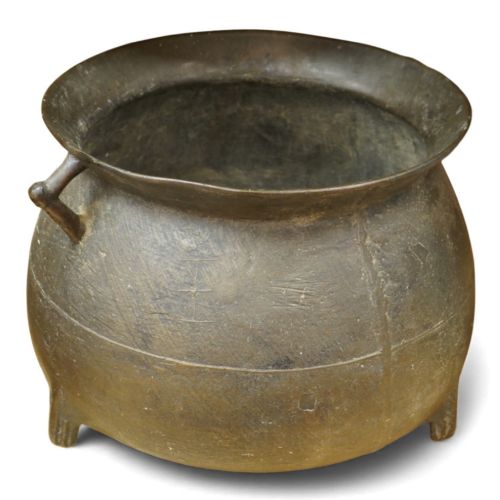
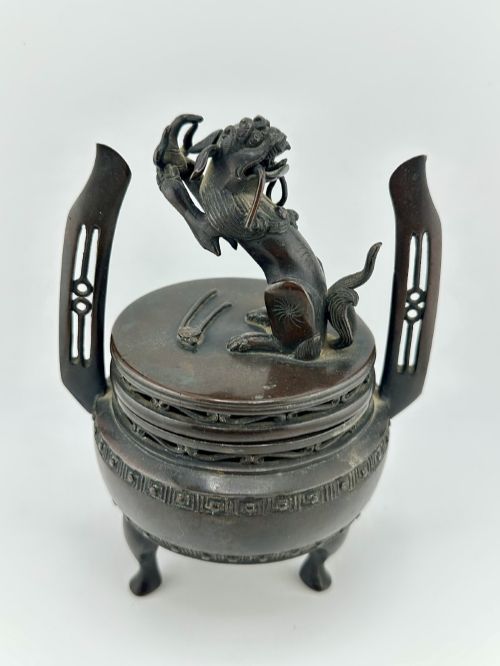
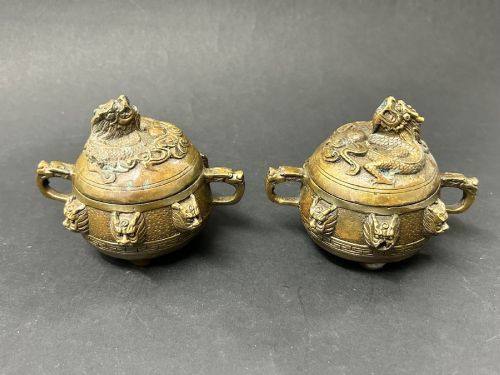
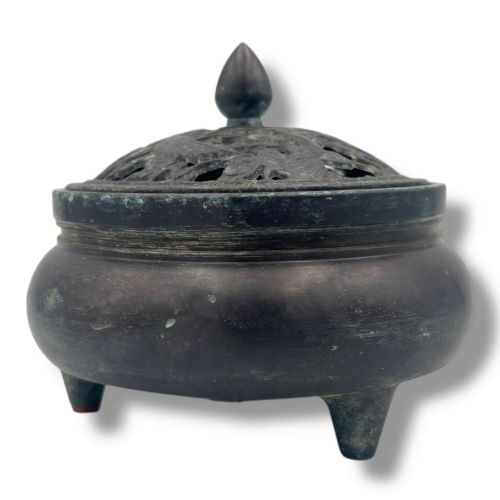
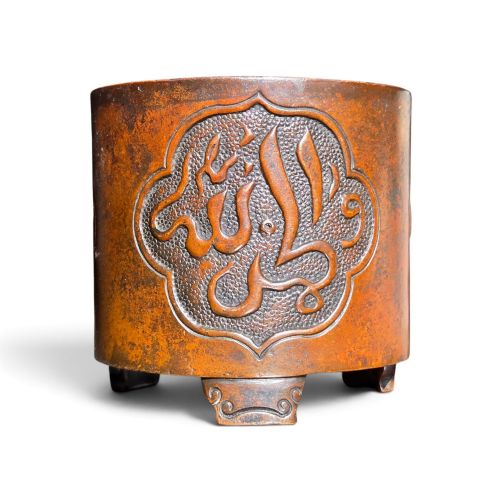
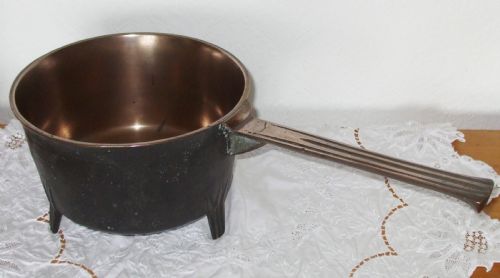
When you search for a bronze tripod pot, you encounter an array of utilitarian vessels and ritual burners supported on three distinct legs. The selections range from domestic cooking equipment like cauldrons and skillets to scholar's studio censers.
You are most likely to meet Chinese censers bearing Qing Dynasty styles alongside English and Continental cookware from the seventeenth and eighteenth centuries. These items serve either as ritual incense vessels or as historic kitchenalia.
The forms vary from monumental lidded censers with dragon handles to diminutive miniature vessels and large cauldrons. Oriental jardinières also appear among the metalware.
How they were made
The pieces are primarily shaped from cast bronze, leaded bronze, and copper alloy, sometimes incorporating iron or wooden stands made of zitan wood. Molten metal was poured into moulds to form the heavy walls and integral tripod legs.
Surface decoration involves cast relief motifs such as dragons, phoenixes, and masks, occasionally accented with cloisonné enamel. Craftspeople finished the metal surfaces by hand, resulting in deep patinas that develop through age and use.
Bronze Tripod Pot Retail Price Guide 2026
Typical asking prices for bronze tripod pot among the pieces listed under this phrase on Sellingantiques today, from the lower quarter to the upper quarter. They describe what is for sale here now, not the wider market.
One tiny scholar's studio censer weighs a mere one hundred and sixty-three grams, proving that heavy historical presence comes in miniature packages.
What varies in quality
Quality rests in the crispness of the cast relief, the weight and thickness of the metal walls, and the stability of the three legs. Superior examples show precise detailing in handles, lids, and finials such as qilin figures.
The depth and natural warmth of the bronze patina distinguish finer works from duller surfaces. The presence of contemporary fitted stands or original covers further elevates the standing of a piece.
The Bronze Tripod Pot Glossary
- Bronze
- An alloy consisting primarily of copper, traditionally combined with tin. It forms the robust structural foundation for these vessels.
- Censer
- A sacred vessel designed for burning incense. These often feature pierced lids to release fragrant smoke.
- Cauldron
- A large metal pot with a rounded body and legs, historically used for open-fire cooking. Seventeenth-century examples often display regional casting marks.
- Skillet
- A domestic cooking vessel featuring three legs and a long handle for hearth placement. Georgian examples represent standard domestic metalware.
- Patina
- The surface sheen and coloration developed through oxidation and handling over centuries. A rich patina indicates age and careful preservation.
Bronze Tripod Pot: Frequently Asked Questions
What is a bronze tripod pot used for?
These vessels historically served either as ritual incense burners in scholar's studios or as heavy-duty cookware over open hearths. Domestic forms like cauldrons and skillets handled food preparation, whilst censers held aromatic materials.
Today, collectors appreciate them both as historic decorative objects and as functional display pieces for interiors.
What is the difference between a censer and a cauldron?
A censer is typically designed for ritual use, featuring decorative pierced covers, mythical beast handles, and stable tripod bases meant for tabletops. They often originate from Asian traditions.
A cauldron is a utilitarian cooking vessel built with thick walls to withstand direct hearth heat, usually lacking intricate ritual iconography.
Are these pots made of solid bronze?
Yes, the pieces are formed from cast metal alloys, specifically bronze, leaded bronze, and copper alloy. The casting process creates thick, heavy walls designed for durability.
Some examples also incorporate mixed materials, such as contemporary zitan wood stands or enamel work.
How should I clean my bronze pot?
You should generally leave the historic surface undisturbed, as aggressive cleaning removes the valuable aged patina. Dusting with a dry soft cloth is usually sufficient for maintenance.
Avoid chemical polishes and abrasive cleaners that can strip away centuries of natural oxidation.