



Antique Metal Centerpiece
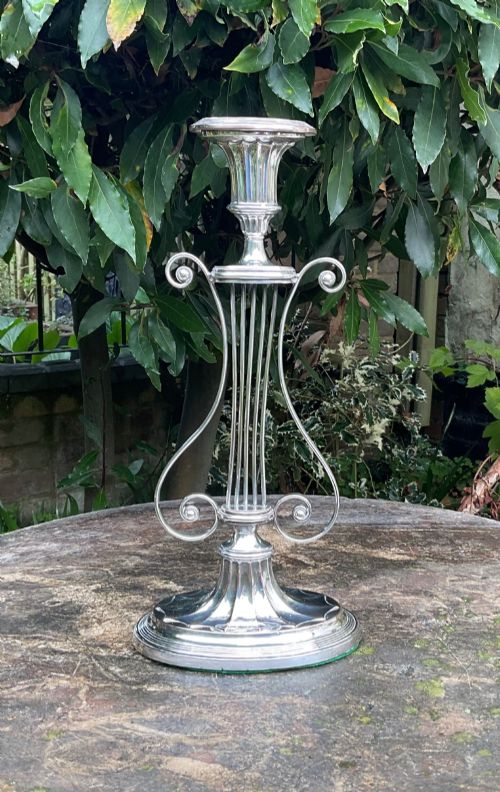
An antique metal centrepiece anchors a dining table or sideboard with sculptural presence, combining heavy cast metals and intricate decorative detail.
Antique Metal Centerpiece
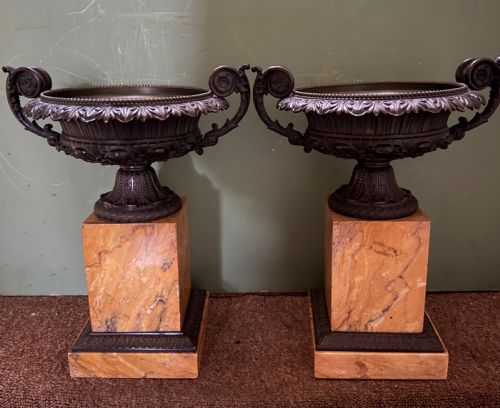
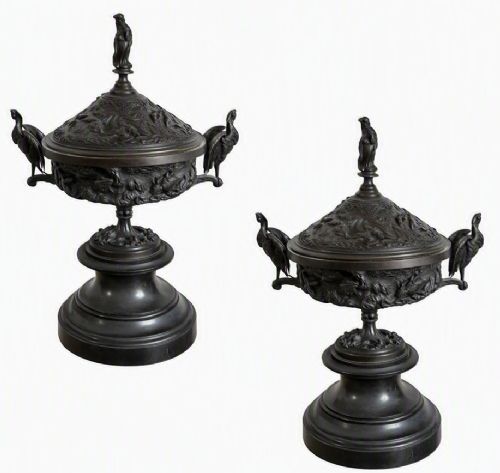
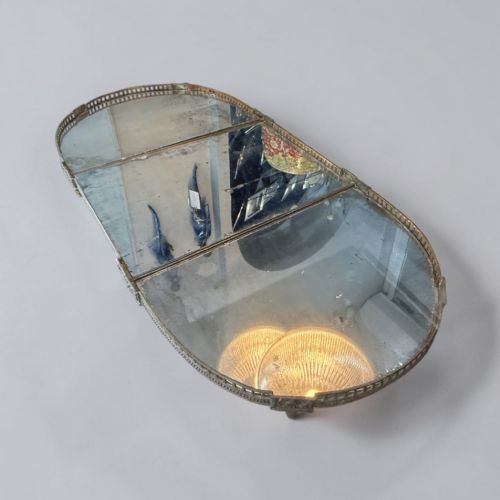
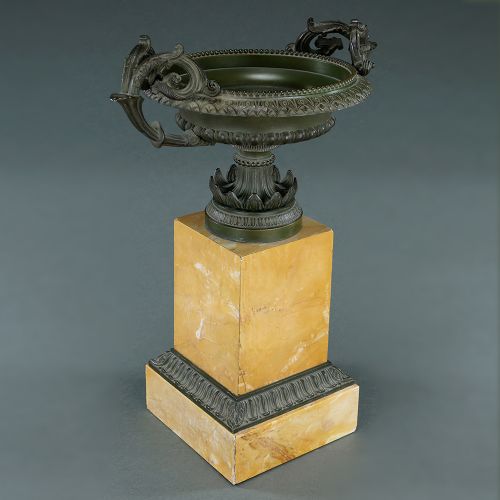
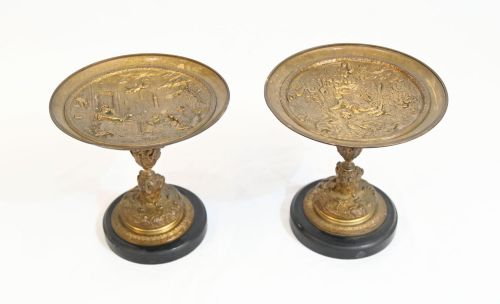
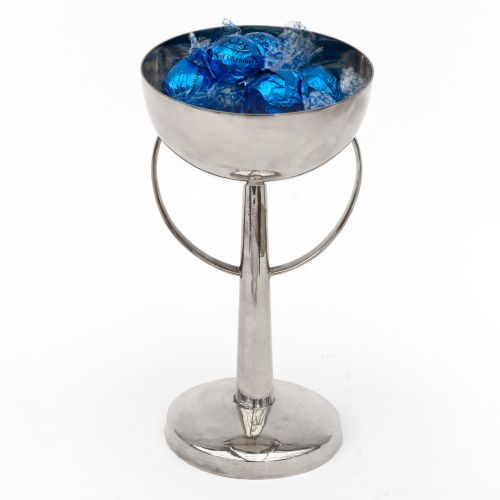
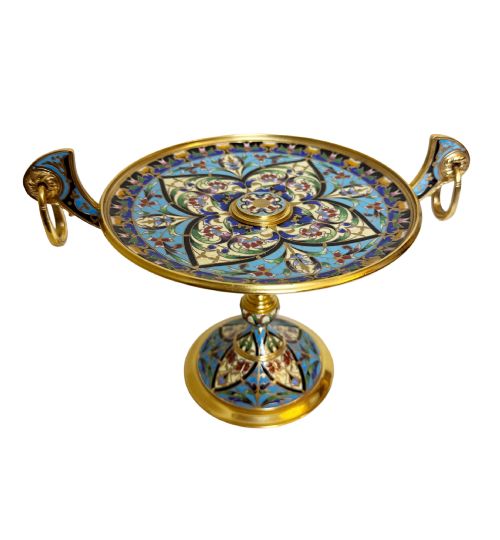
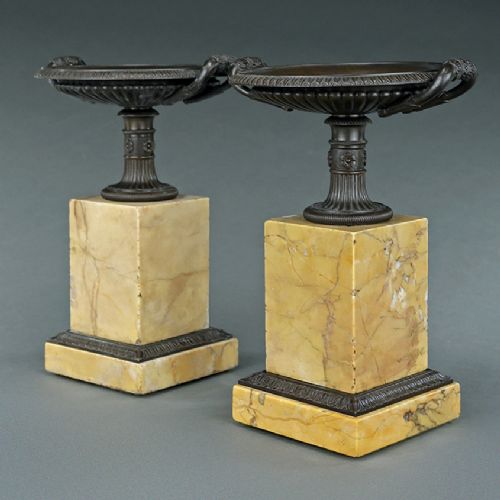
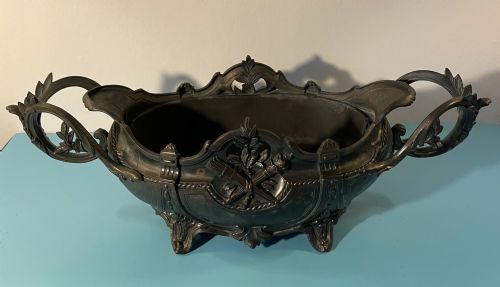
When searching for an antique metal centrepiece, expect to encounter grand ornamental vessels designed to command the middle of a table, including tazzas, coupe aux cigognes covered urns, jardinieres, and decorative bowls.
The majority of these pieces originate from nineteenth century French workshops, embracing styles from French Empire and Neoclassical to Art Nouveau and French Rococo Revival.
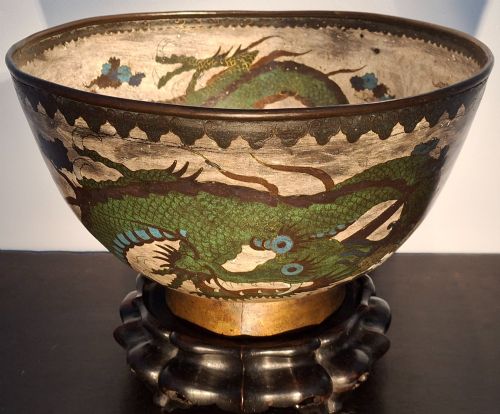
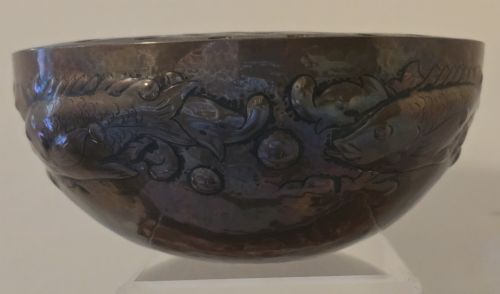
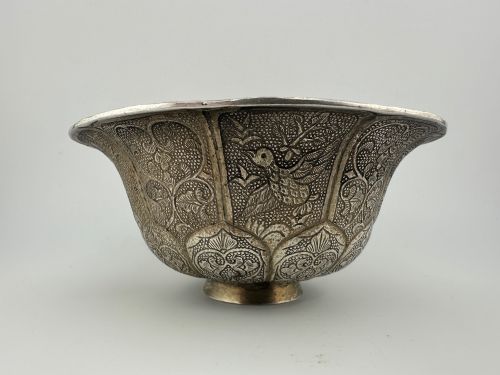
Other notable regional contributions include British Arts and Crafts copper and pewter bowls, alongside Japanese cloisonne and Chinese export vessels.
Materials and Techniques
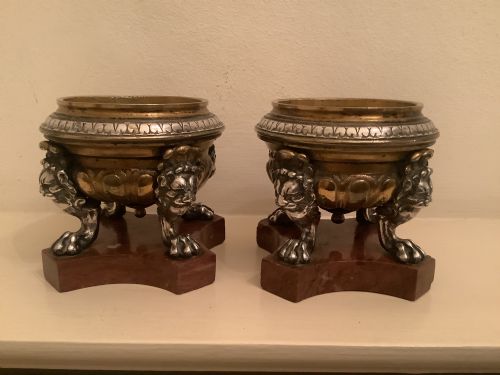
These objects rely heavily on cast and patinated bronze, brass, copper, and silver plate, often enhanced with fire-gilt or ormolu highlights.
Many elaborate examples incorporate contrasting structural elements such as Siena marble bases, cut crystal bowls, and inset agate cabochons.
Surface decoration ranges from chased and engraved details to champleve enamel and applied figural castings of cherubs, birds, and classical figures.
Antique Metal Centerpiece Retail Price Guide 2026
Typical asking prices for metal centerpiece among the pieces listed under this phrase on Sellingantiques today, from the lower quarter to the upper quarter. They describe what is for sale here now, not the wider market.
Listings feature 19th Century French bronze, silver plate, and marble centrepieces alongside British Arts and Crafts copper and pewter bowls.
Craftsmanship and Proportion
The distinction between ordinary and exceptional pieces rests upon the crispness of the metal chasing and the depth of the patination.
Superior examples demonstrate harmonious proportions between metal mountings and their supporting marble or crystal components, avoiding heavy-handed assembly.
Signatures from recognised makers or documented workshops elevate certain works, reflecting superior foundry skill and refined aesthetic intent.
Jules Moigniez·Liberty and Co·Oliver Baker·Lerolle Fres
The Antique Metal Centerpiece Glossary
- Tazza
- A shallow bowl or cup mounted on a stem and foot, frequently utilised for serving fruit or displaying decorative motifs.
- Ormolu
- Finely ground high-carat gold applied to a bronze base using a mercury amalgamation technique, yielding a rich golden finish.
- Jardiniere
- An ornamental pot or stand designed to hold growing plants or floral arrangements upon a table or floor.
- Champleve
- An enamelling technique where troughs or cells are sunk into the metal surface and filled with vitreous enamel before firing.
- Epergne
- A large table centrepiece featuring a central bowl with multiple branching arms suspending smaller dishes or baskets.
Antique Metal Centerpiece: Frequently Asked Questions
How were these centrepieces used?
These pieces served primarily as ornamental focal points for dining rooms and drawing rooms, occasionally functioning as fruit bowls, flower planters, or bon bon dishes. Wealthy households utilised them during dinners to display floral arrangements or confectioneries.
Over time, many transitioned into pure display objects, prized for their sculptural weight and detailed metalwork rather than utilitarian dining use.
How do I clean an antique metal surface?
Cleaning requires extreme caution to avoid stripping original patination, silver plating, or ormolu finishes from the metal surface. Dusting gently with a dry microfibre cloth is generally sufficient for regular maintenance.
Avoid abrasive chemical polishes, particularly on gilded, patinated bronze, or plated items, as these treatments permanently damage the historic surface integrity.
How can I tell periods apart?
Distinguishing periods relies on observing stylistic markers, such as the strict symmetry and classical motifs of Regency and French Empire pieces versus the organic, flowing lines characteristic of Art Nouveau work. Material choices also offer clues, with heavy cast bronze dominating nineteenth century French output and hammered copper defining later Arts and Crafts pieces.
Examining construction techniques, base assemblies, and any maker stamps helps narrow down the exact decade of manufacture.