






Antique Metal Bust
An antique metal bust brings character and sculptural presence to a room, capturing historical figures, mythological subjects and literary icons in solid form.
Antique Metal Bust
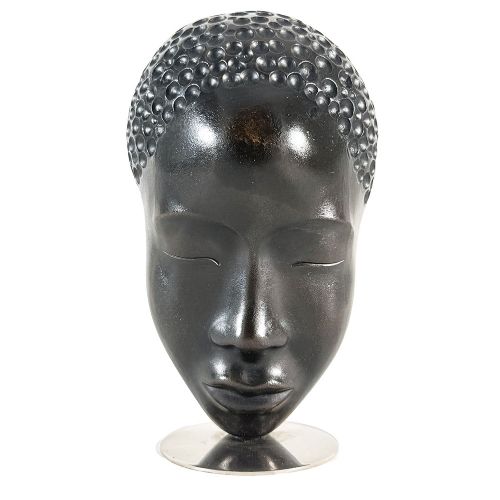
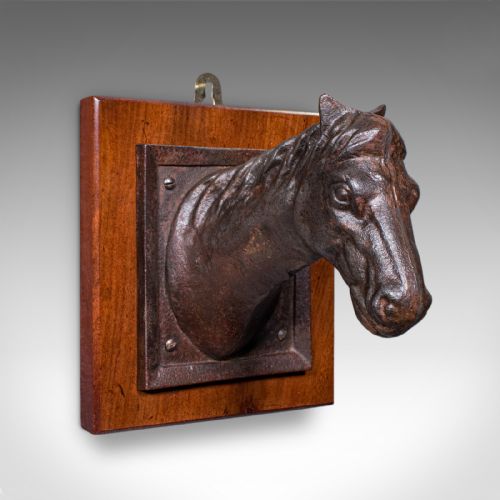
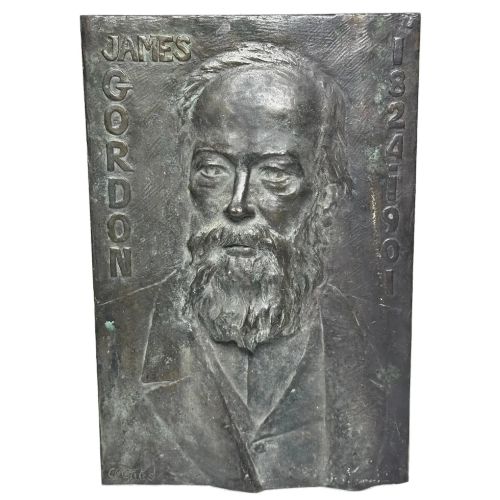
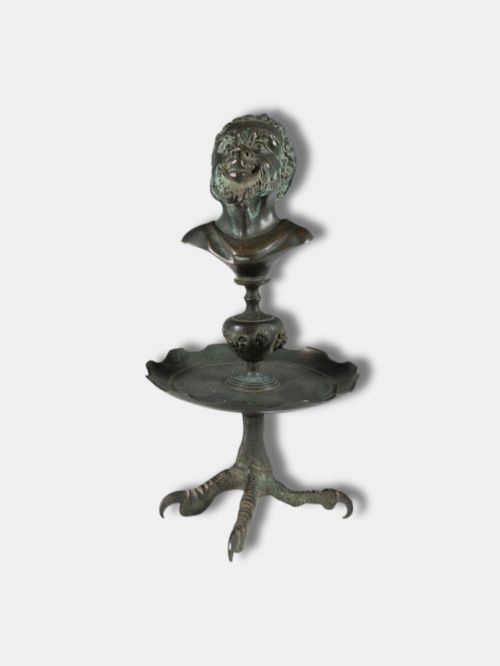
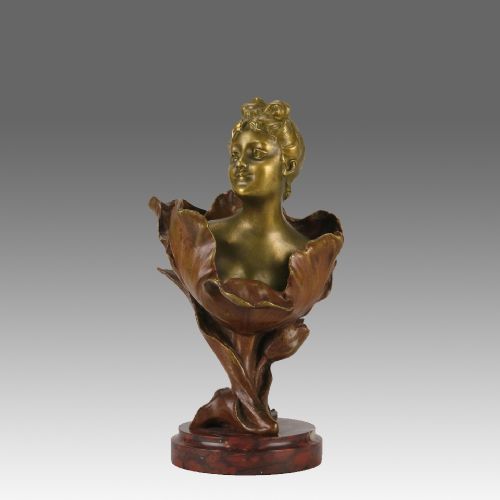
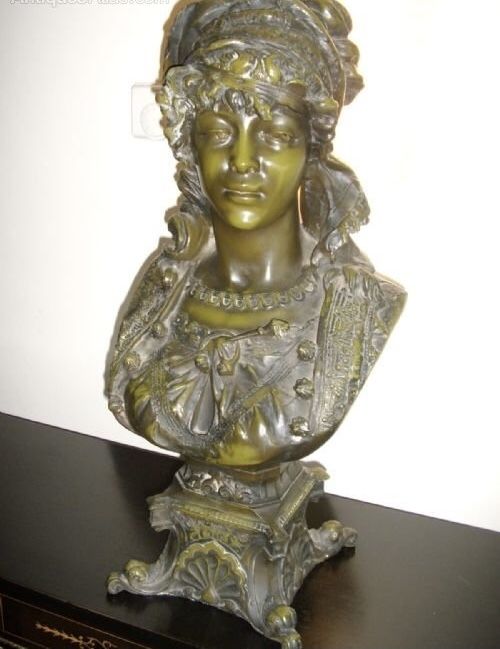
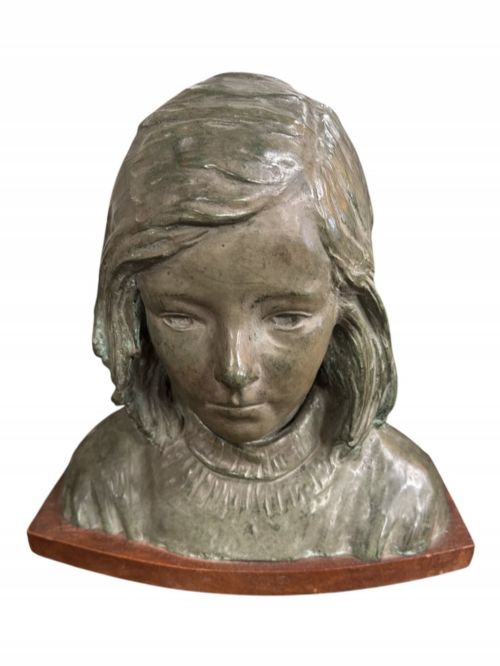
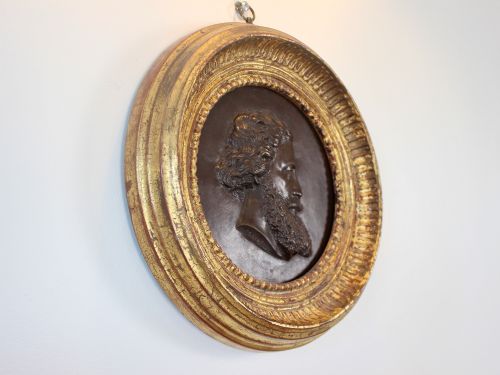
When you search for an antique metal bust, you encounter sculptural works cast in bronze, iron, spelter and gilt metal representing human portraits, animals and mythological figures. These pieces range from monumental portrait plaques and clock ornaments to freestanding works mounted on marble or wooden plinths.
The versions most frequently met on this page originate from nineteenth-century and early twentieth-century workshops in France, England and beyond. Makers captured subjects as diverse as classical deities, literary figures like William Shakespeare, political leaders and anonymous young women in styles spanning Neoclassical, Art Nouveau and Victorian aesthetics.
How they were made
Finishing treatments defined the final appearance, combining patinated bronze, gilt applications and painted highlights. Many sculptures incorporate integrated or separate mounts of dark marble, onyx and wood to provide stability and visual contrast.
Among the historical subjects preserved in metal, William Shakespeare appears multiple times on marble plinths and atop mantel clocks.
What varies in quality
The choice of material and base construction influences the overall impact, with heavy cast bronze and fine patination marking out the most accomplished pieces. Signatures from recorded sculptors and founders further elevate the status of an individual casting.
Henri Godet·Adolphe Jean Lavergne·Georges Van Der Straeten·Leonhard Posch·P H Mourey
The Antique Metal Bust Glossary
- Spelter
- A zinc alloy commonly utilised in the late nineteenth century as a less expensive alternative to bronze. It was frequently painted or given a bronze-like finish to emulate heavier metals.
- Patina
- The surface coloration and sheen developed naturally over time or applied chemically by the founder. This protective and decorative layer enhances the contours of the metal.
- Plinth
- A heavy base supporting the sculpture, often fashioned from contrasting materials such as marble or onyx. It provides both physical stability and an aesthetic boundary for the bust.
- Gilt bronze
- Bronze that has been coated with a thin layer of gold or gold leaf to produce a bright, luminous surface. It appears frequently in decorative clock mounts and classical figures.
- Portrait plaque
- A flat-backed sculptural relief intended for wall hanging or mounting onto furniture and clocks. These pieces capture profiles and bust-length portraits in metal.
Antique Metal Bust: Frequently Asked Questions
What is an antique metal bust made of?
These sculptures are cast from metals such as bronze, iron, spelter and gilt bronze. Many examples incorporate secondary materials like marble or onyx for their bases and plinths.
Foundries selected these metals depending on the desired weight, detail and intended market for the finished sculpture.
How do I identify the period?
Dating relies upon stylistic markers such as Neoclassical drapery, Victorian ornamentation or the sinuous floral lines typical of Art Nouveau. Signatures, foundry marks and the composition of the base material also offer clues to the era of creation.
Examining the casting technique and surface patination helps narrow down the decade in which the piece was cast.
How were these busts displayed?
Historically, busts stood on library desks, mantelpieces and dedicated wooden columns within domestic interiors. Some functioned as architectural salvage, coat hooks or decorative components integrated into mantel clocks.
Today, they suit placement on side tables, bookshelves and desk tops where their sculptural form can be appreciated closely.
What is spelter?
Spelter is a zinc-based alloy that gained popularity during the Victorian era for producing affordable decorative sculptures. It is softer and lighter than bronze and typically bears a painted or bronze-toned surface coating.
Pieces made from spelter allowed households to acquire detailed sculptural art without the expense of cast bronze.