


Antique Merchant Counter
An antique merchant counter brings tangible weight and commercial history straight into a room, offering robust utility wrapped in decades of daily service.
Antique Merchant Counter
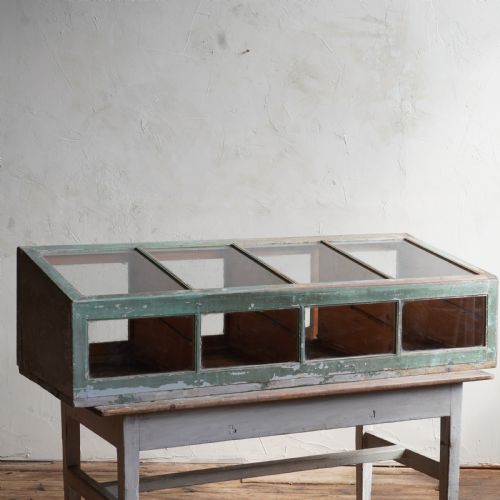
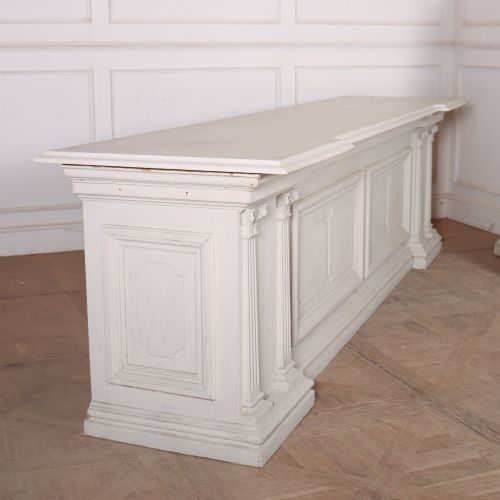
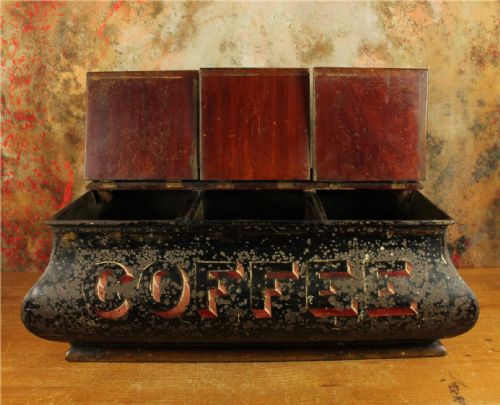
An antique merchant counter serves as a focal point of historic utility, encompassing heavy wooden shop counters, multi-drawer banks, and tabletop display cabinets designed for trade. These pieces originate from various eras including the Victorian and Edwardian periods, as well as the early twentieth century.
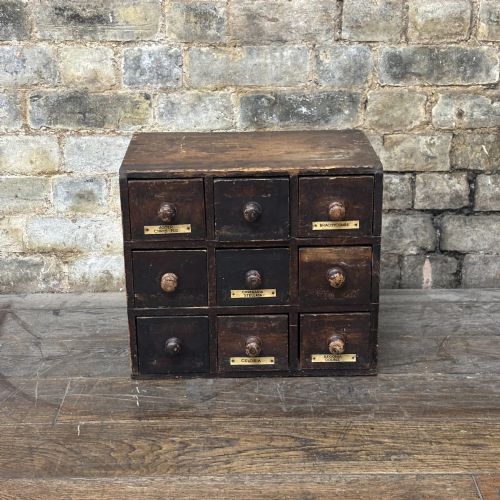
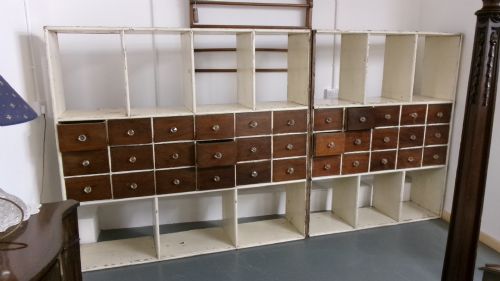
The selection ranges from large French panelled oak and mahogany shop counters to smaller pine banks of drawers, painted shop fittings, and countertop needle cabinets. Buyers most frequently encounter sturdy timber constructions built originally for drapers, chemists, and general merchants.
Origins span English, French, Italian, and Hungarian workshops, reflecting diverse regional commercial needs through specialised forms like seed chests, chemist fittings, and display units.
Materials and construction methods
Pine, mahogany, oak, and walnut form the structural backbone of these counters and cabinets, frequently paired with brass hardware, iron accents, and glass panels.
Surfaces display original paint treatments, distressed finishes, and gilt decoration, alongside polished hardwoods that reveal the grain accumulated from decades of handling.
Joinery techniques prioritize absolute strength, utilising panelled construction, robust multi-drawer housing, and adjustable feet to withstand heavy retail use.
Listings feature items spanning the nineteenth century through the nineteen-twenties, constructed from pine, mahogany, oak, and painted wood.
Factors of distinction
Quality rests upon the integrity of the original timber and the survival of authentic surface finishes, such as untouched paint or undisturbed patination on walnut and mahogany.
The complexity and scale of the piece, particularly multi-drawer configurations like chemist fittings or drapers chests, dictate the level of craftsmanship and functional capacity.
Retaining original details like brass handles, glass panes, and maker markings elevates a piece beyond standard utilitarian survivals.
Fairbanks Scales·Bartlett and Sons
The Antique Merchant Counter Glossary
- Bank of drawers
- A multi-drawer unit designed for systematic storage behind a shop counter. These units often feature numerous small compartments tailored for haberdashery or apothecary items.
- Toleware
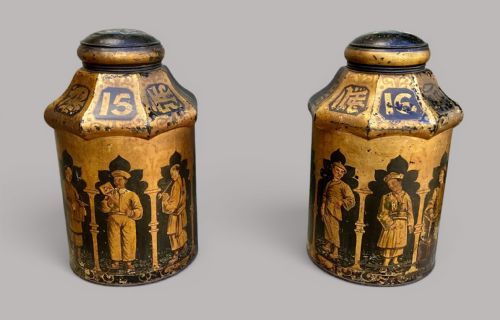
- Lacquered or enamelled metalware, frequently decorated with hand-painted motifs or gilt chinoiserie. These items were commonly used for storing tea or dry goods in commercial settings.
- Draper counter
- A long timber counter specifically built for measuring and displaying textiles. They frequently incorporate banks of shallow drawers for needles, threads, and ribbons.
- Chemist shop fitting
- Specialised cabinetry and drawer systems created for pharmacies. These pieces often utilise numbered or labelled drawers designed to hold medicinal ingredients securely.
Antique Merchant Counter: Frequently Asked Questions
How were merchant counters used originally?
Merchants utilised these counters as the physical barrier between customers and stock, serving both as a workspace for wrapping goods and a display surface for wares.
Many incorporated deep drawers and specialised compartments beneath the top surface to keep inventory organised and close at hand during busy trading hours.
Where do these counters fit in a home?
A large shop counter works effectively as a kitchen island or a substantial sideboard in a dining space, providing generous surface area and practical storage.
Smaller drawer banks and tabletop cabinets find a natural home in studies, hallways, or living rooms for organising smaller household items.
How do I identify a Victorian shop counter?
Victorian examples typically rely on dense timbers like mahogany or pine, often featuring raised panels, hand-cut dovetail joints, and traditional brass or iron hardware.
They carry the distinct patina of nineteenth-century commercial use, marked by honest wear and robust structural joinery built to endure constant daily trade.
What maintenance do old wooden counters need?
These pieces require minimal intervention beyond occasional dusting with a dry cloth and the application of natural wax to nourish dry timber.
Keeping them away from direct heat sources and extreme moisture fluctuations protects the historic wood and preserves original painted or polished surfaces.