


Antique Meissen Cherub
These antique meissen cherub figures and decorative works bring spirited porcelain artistry and classical mythology into the room.
Antique Meissen Cherub
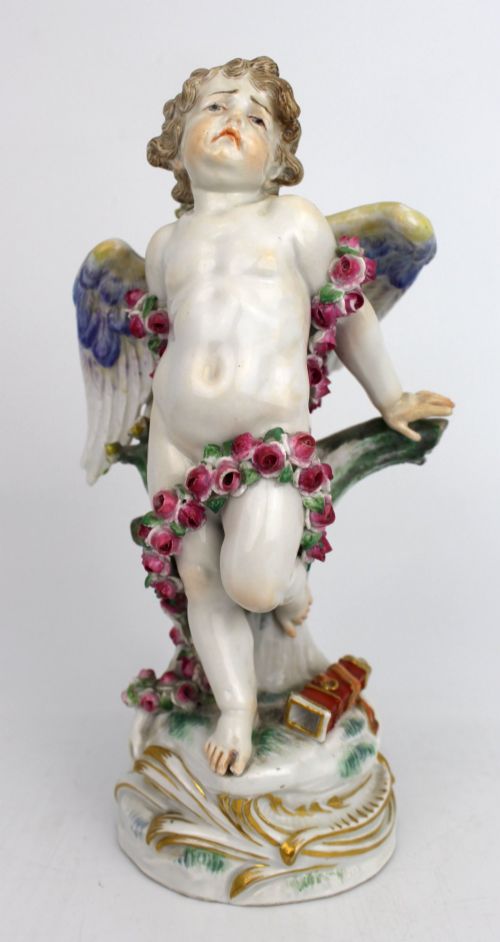
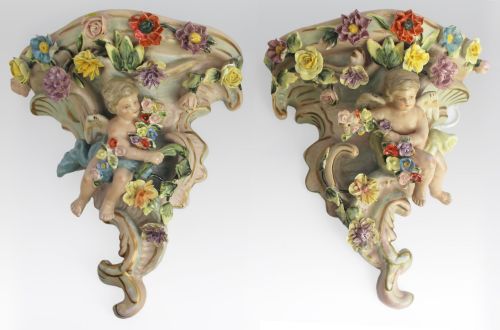
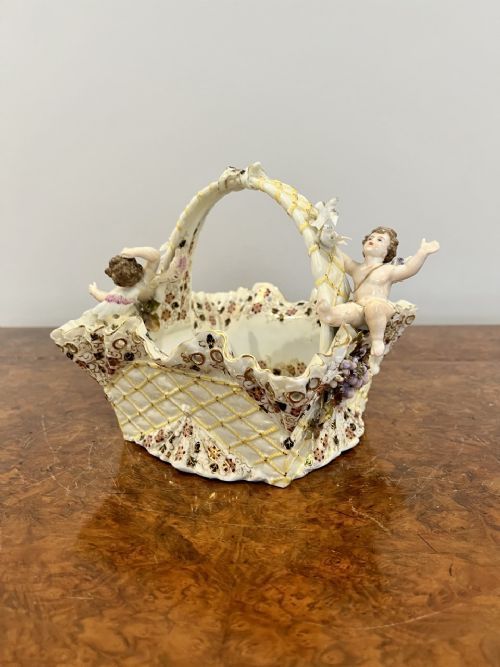
When searching for an antique meissen cherub, collectors encounter various forms including figurines, candelabra, wall corbels, and centrepieces. These works capture divine putti and allegorical figures, often drawing on Rococo Revival styles and eighteenth-century designs.
The pieces on offer span the eighteenth, nineteenth, and early twentieth centuries, encompassing genuine Meissen manufacture alongside continental porcelain works and Dresden productions in similar styles. Figures holding attributes like tricorne hats or disguising themselves appear frequently among the listings.
Forms range from single decorative figurines to large table oil lamps, clocks, and matched pairs of vases. Buyers find both standalone sculptural figures and functional items adorned with modeled porcelain putti.
Assessing quality and craftsmanship
Finely modeled examples display crisp facial expressions, delicate hand-painting on the flesh and garments, and intricate detailing in auxiliary elements such as flowers and baskets. Lesser pieces show softer moulding and simplified brushwork on the porcelain surface.
The complexity of the form dictates much of the distinction, as multi-figure groups, candelabra, and clock garnitures require advanced kiln management and skillful assembly. Intact gilding and well-preserved painted enamel details further elevate the standing of a piece.
Listings feature periods spanning from the eighteenth century through the Edwardian era, utilising materials such as hard-paste porcelain, enamel, gold leaf, and gilt bronze.
Johann Joachim Kändler·Paul Scheurich
The Antique Meissen Cherub Glossary
- Hard-paste porcelain
- A dense ceramic material composed of kaolin and petuntse, fired at high temperatures to produce a durable, vitrified body. It serves as the standard medium for fine European figures.
- Blanc de Chine
- A French term for white porcelain without coloured glaze, often associated with unpainted sculptural figures. It highlights the purity of the ceramic form and the quality of the modeling.
- Rococo Revival
- A nineteenth-century design movement that revived the asymmetrical scrolls, naturalistic motifs, and exuberant ornamentation of the mid-eighteenth century. It heavily influences many nineteenth-century cherub figures and frames.
- Candelabra
- Branched lighting fixtures designed to hold multiple candles, frequently modelled with porcelain putti or figural columns. They combine sculptural display with functional room illumination.
- Potpourri
- A decorative vessel with a pierced lid designed to hold dried scented plant materials. These containers often feature applied cherubs and floral encrustations.
Antique Meissen Cherub: Frequently Asked Questions
What is an antique meissen cherub?
An antique meissen cherub refers to porcelain figurines and decorative objects depicting winged putti, cupid figures, or angelic motifs produced by the Meissen factory or in its stylistic tradition.
These pieces range from standalone eighteenth-century sculptural figures to nineteenth-century candelabra, clocks, and decorative centrepieces featuring modeled cherubs.
How were these porcelain pieces used?
Many cherub figures served purely as decorative ornaments on mantelpieces, consoles, and tables within period interiors. Other items combined sculpture with function, acting as oil lamps, mirrors, wall brackets, or vessels for potpourri.
Larger candelabra and centrepieces were also deployed during formal dining and entertaining to provide ambient illumination and decorative splendor.
How do I care for porcelain figures?
Display these porcelain works away from direct sunlight and areas subject to sudden temperature shifts to protect the painted surfaces and applied elements. Dusting should be done gently with a soft, dry brush.
Avoid using water or chemical cleaners on gilt or hand-painted areas, as moisture can degrade delicate pigments and metallic leaf.
How can I tell the period?
Dating relies on examining the porcelain body, painting style, base characteristics, and overall design vocabulary. Eighteenth-century works display distinct sculptural handling compared to nineteenth-century Rococo Revival revivals or early twentieth-century interpretations.
Associated makers, stylistic cues, and secondary materials like brass or gilt bronze also help place a piece within its historical era.