


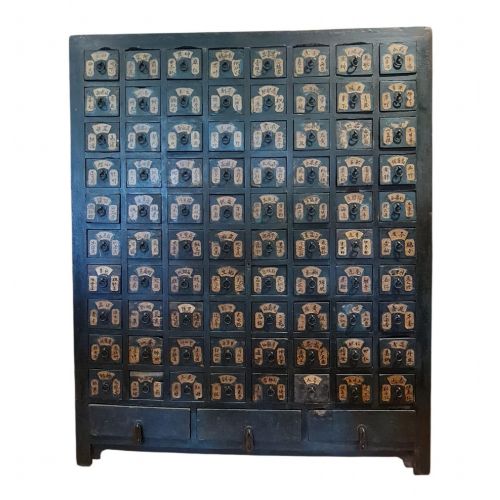


Antique Medicine Chest
An antique medicine chest holds centuries of remedies in mahogany, elm, and brass, offering collectors compact craftsmanship and apothecary history.
Antique Medicine Chest
An antique medicine chest serves as a portable or stationary dispensary, housing bottles, drawers, and compartments designed for pharmaceuticals and remedies. When searching for an antique medicine chest, buyers encounter domestic travelling cases alongside larger apothecary cabinets from Georgian, Victorian, and regional overseas workshops.
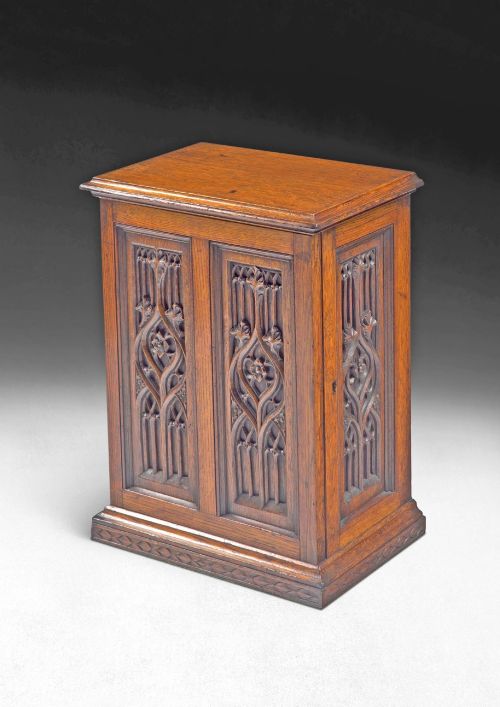
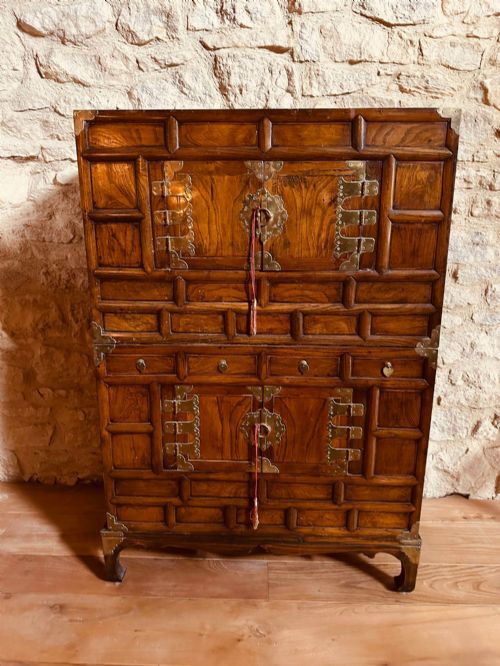
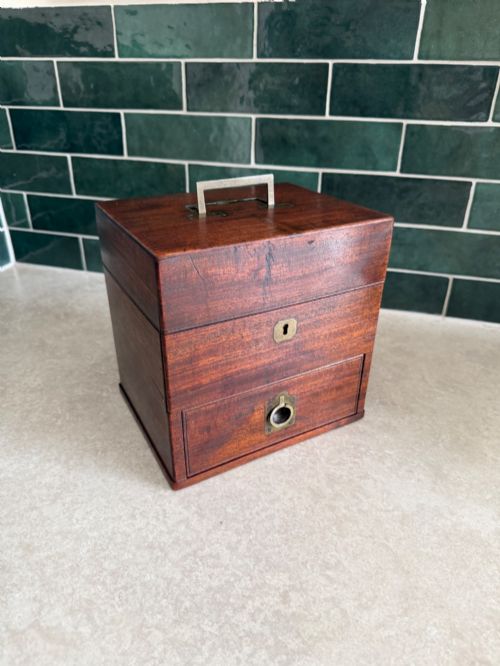
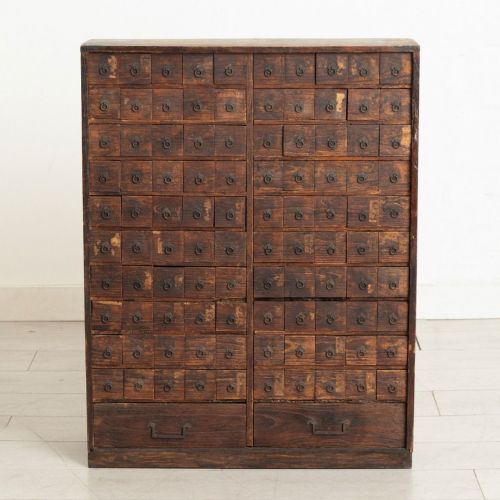
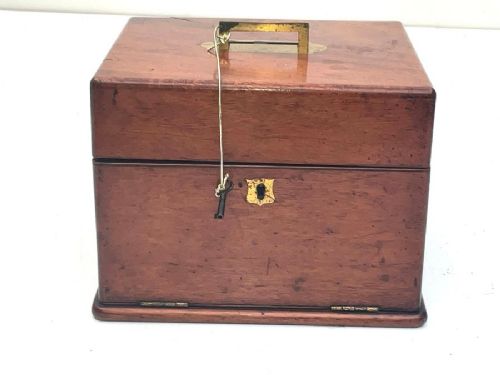
The domestic travel versions typically take the form of fitted mahogany or walnut boxes with flush brass handles, secure locks, and internal glass bottles. Larger wall-mounted or freestanding variations appear as multi-drawer chests originating from Chinese provinces, Korea, or European country workshops.
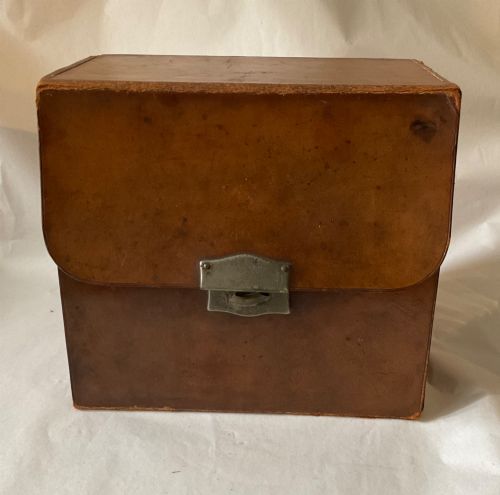
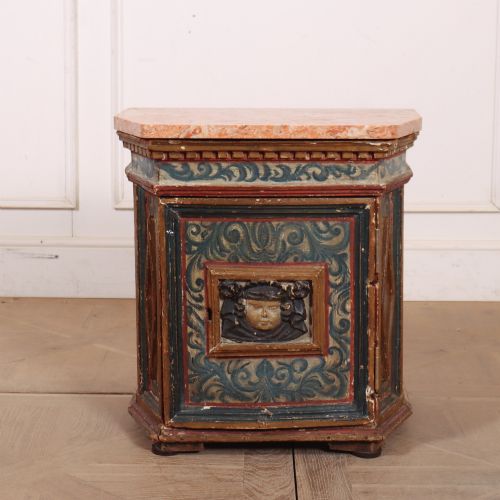
Period pieces range from compact 18th-century spice and medicine cupboards to elaborate 19th-century campaign chests. These utilitarian containers reflect the medical and travelling practices of past centuries, utilising dense timbers to protect delicate glass vessels and contents.
Assessing quality and craftsmanship
Quality rests upon the integrity of the timber, the precision of the internal joinery, and the retention of original components. Superior examples preserve their fitted glass bottles, working brass locks, and original keys, whereas lesser pieces suffer from missing internal partitions or replaced hardware.
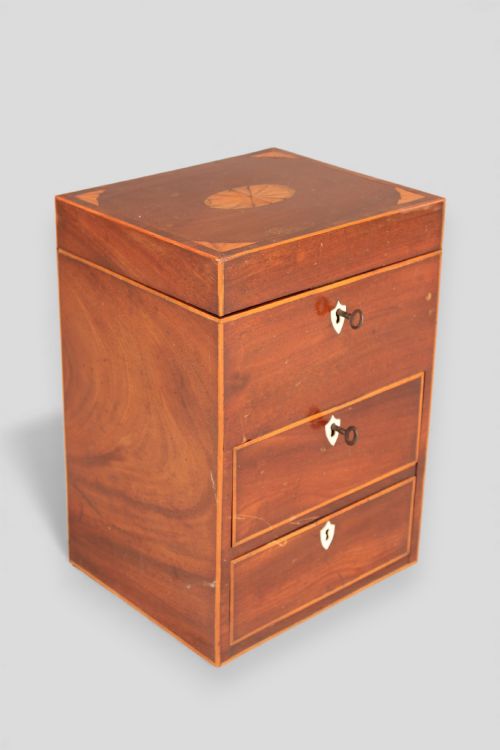
The refinement of the exterior veneer work and the complexity of the internal drawer configuration distinguish standard utility containers from finer campaign pieces. Original painted surfaces or intricate brass mounts elevate the regional and aesthetic standing of an individual chest.
Antique Medicine Chest Retail Price Guide 2026
Typical asking prices for medicine chest among the pieces listed under this phrase on Sellingantiques today, from the lower quarter to the upper quarter. They describe what is for sale here now, not the wider market.
Materials recorded across current pieces include mahogany, elm, oak, pine, brass hardware, velvet, paper, and glass bottles.
The Antique Medicine Chest Glossary
- Campaign box
- A portable wooden chest built with flush brass handles and reinforced corners for travelling officers or doctors. These units protect contents during transit.
- Apothecary cabinet
- A multi-drawer storage unit designed for sorting medicinal herbs, pills, and dry ingredients. These cabinets range from small desktop boxes to large banks of drawers.
- Fitted interior
- An internal arrangement of wooden dividers, slots, and secret compartments created to hold specific glass bottles and medical instruments securely.
- Flush handle
- A metal pull recessed into the wood surface so that it does not project beyond the edge of the chest. This prevents catching during travel.
- Spice cupboard
- A small wall-mounted or tabletop wooden cabinet with internal small drawers or shelves. They share similar forms with early medicine chests.
Antique Medicine Chest: Frequently Asked Questions
What is an antique medicine chest?
An antique medicine chest is a wooden container fitted with drawers, compartments, or glass bottles designed to hold pharmaceuticals, remedies, and medical instruments.
These pieces range from portable campaign boxes used by travellers to large multi-drawer apothecary cabinets found in dispensaries and homes.
How were medicine chests used?
They served to organise and transport medicines, potions, powders, and healing instruments securely for domestic, professional, or travelling use.
Travellers and physicians relied on fitted internal partitions to keep fragile glass bottles intact during bumpy journeys across land or sea.
How do I date a medicine chest?
Dating relies on identifying the timber, hardware style, construction joints, and the form of the accompanying glass bottles. Georgian and Regency pieces often feature clean mahogany lines with brass campaign inlays, while Victorian examples introduce walnut and different locking mechanisms.
Regional pieces from China or Korea display distinct local cabinetry methods, such as elm construction and characteristic metal backplates.
Do medicine chests come with bottles?
Some survive with their original collection of glass bottles, stoppers, and jars intact, while others are offered empty or with replacement glassware.
Complete sets featuring original labelled bottles command greater interest from collectors who value the historical completeness of the interior.
Where should I place a medicine chest?
These chests suit display on tabletops, sideboards, or desks where their fitted interiors and polished wood surfaces remain visible.
Wall-mounted cupboards function well in kitchens or studies, offering practical display space while maintaining historical character.