



Antique Medallion Carpet
An antique medallion carpet brings a powerful central motif into a room, anchoring the space with centuries of weaving tradition.
Antique Medallion Carpet
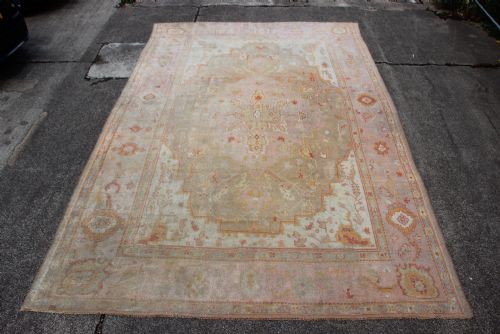
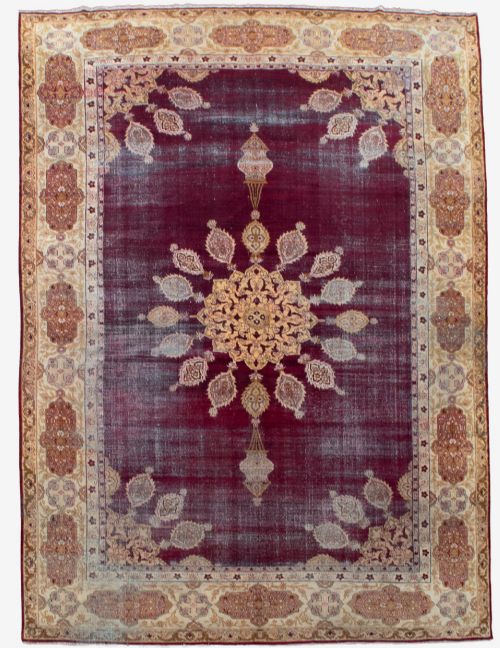
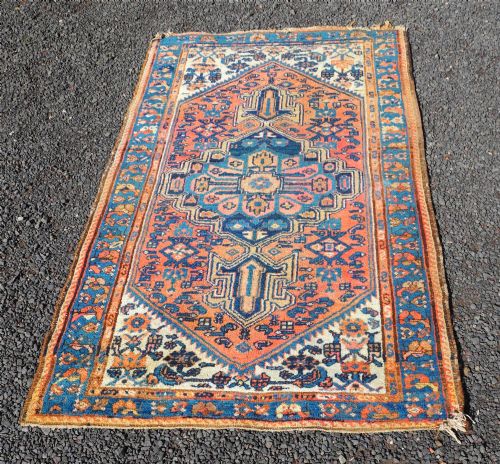
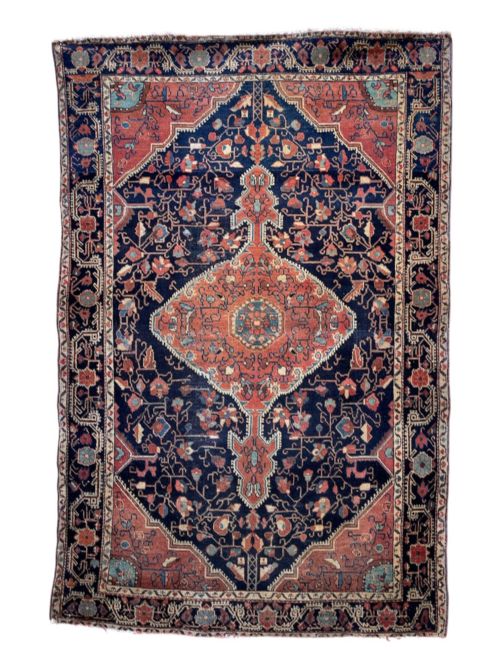
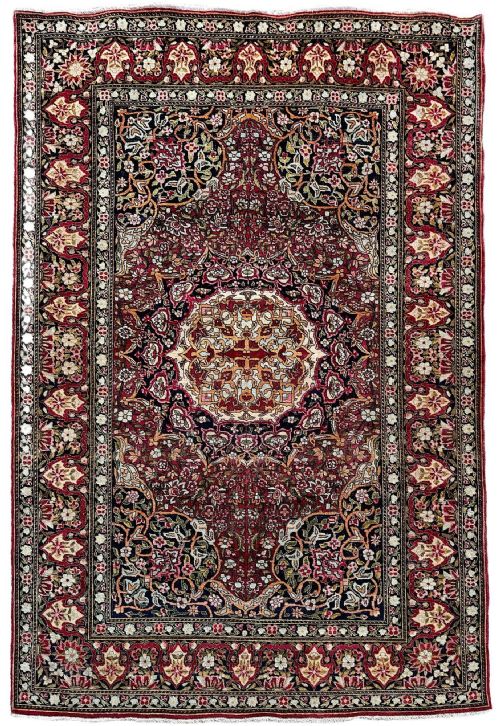
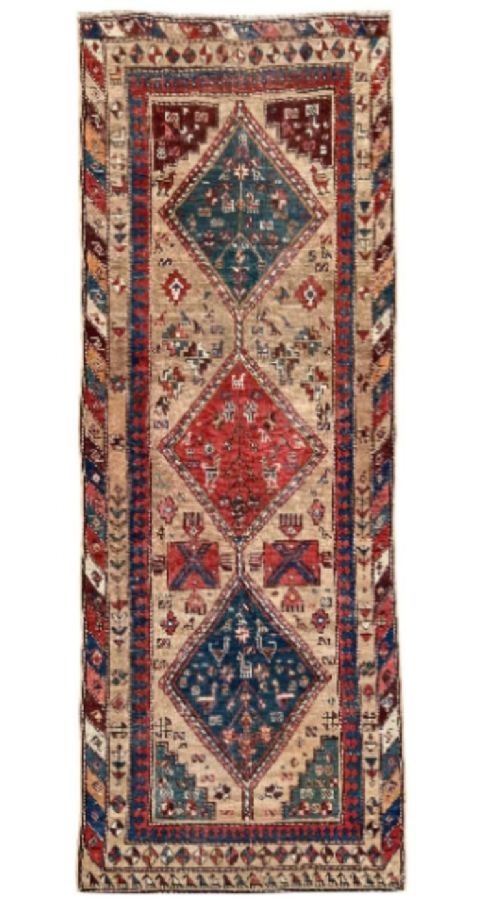
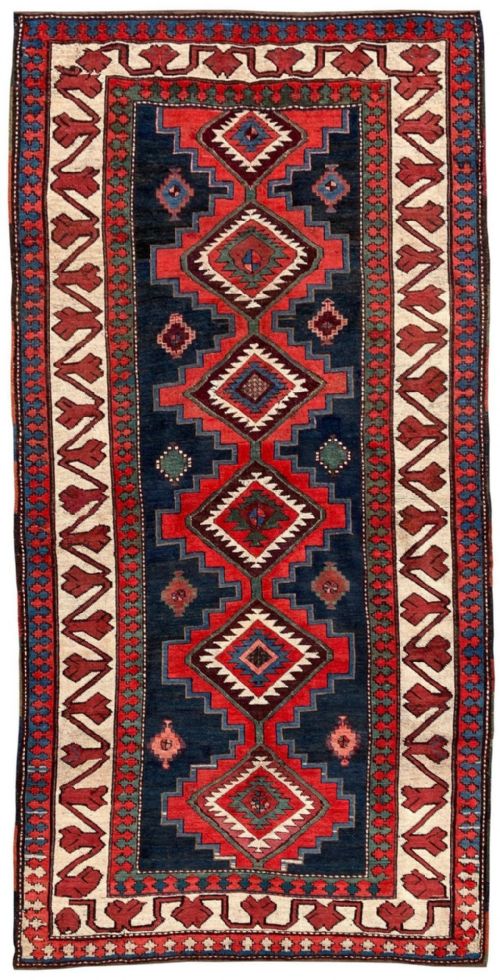
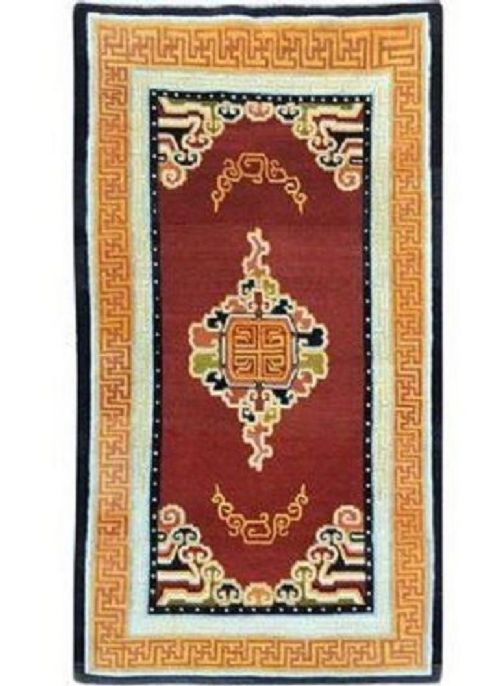
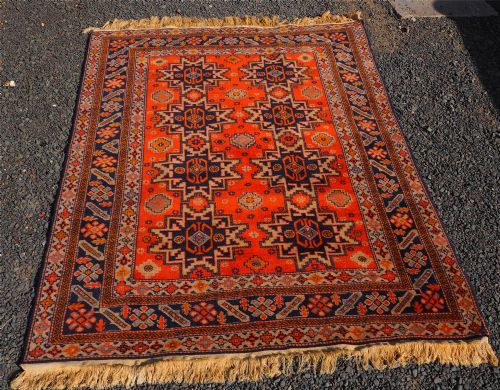
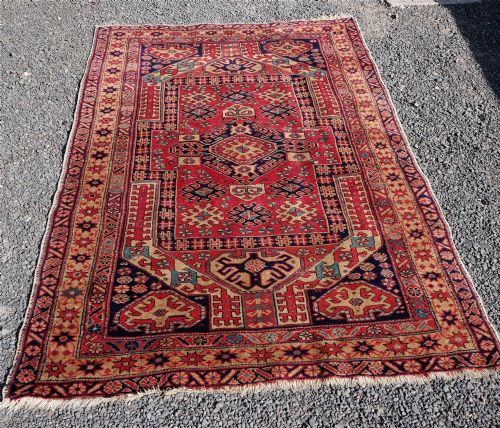
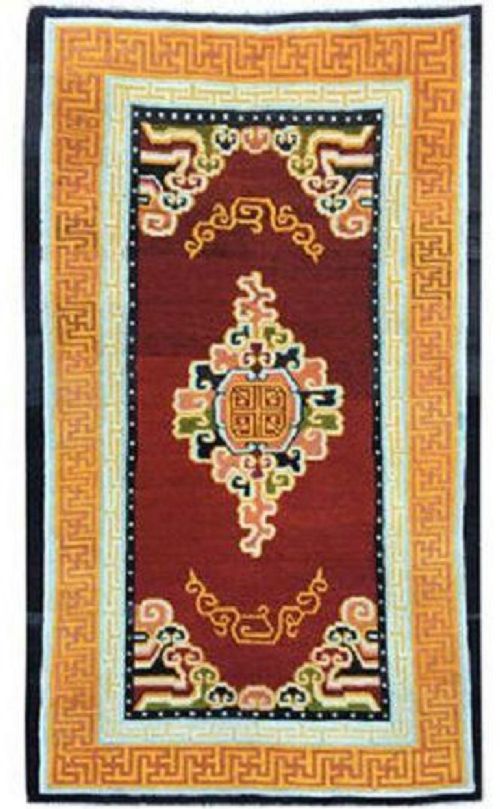
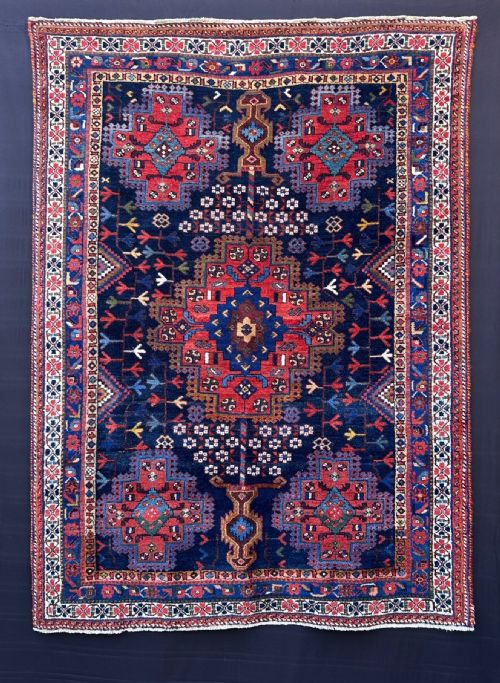
When you search for an antique medallion carpet, you encounter heavy floor coverings defined by a prominent central design motif, originating primarily from Persian, Indian, Turkish, and Caucasian workshops during the nineteenth and early twentieth centuries. These pieces encompass roomsize examples, large country house formats, and tribal weaves from periods spanning from the 1880s through to 1910 and beyond.
The regional variations include Persian Heriz, Serapi, Kirman, Isfahan, Fereghan, Kashan, Tabriz, and Luri styles, alongside Anatolian traditional works from Avanos in Cappadocia, Amritsar pieces from India, and Timuri or Baluch tribal formats. Traditional Persian and Indian designs dominate the selection, offering both classic medallion layouts and star medallion fields.
What varies in quality
Quality in these carpets rests upon the harmony and preservation of the palette, where soft colours and outstanding hues elevate certain examples above others. The integrity of the pile, whether maintained in full condition or showing the distressed character of age, shapes the visual weight of the central medallion design.
The precision of the regional weaving style, from the bold geometry associated with Heriz and Serapi to the finer detail of Isfahan and Kashan work, dictates the artistic standing of each individual carpet.
Antique Medallion Carpet Retail Price Guide 2026
Typical asking prices for medallion carpet among the pieces listed under this phrase on Sellingantiques today, from the lower quarter to the upper quarter. They describe what is for sale here now, not the wider market.
Some carpets carry the distinct dust of old country houses, whispering of muddy boots and sprawling hounds from decades past.
Hajji Jalili
The Antique Medallion Carpet Glossary
- Medallion
- A prominent central ornamental motif placed in the field of a carpet. This focal design element anchors the surrounding patterns.
- Pile
- The upright yarn loops or cut ends that form the soft surface of the carpet. Full pile indicates minimal wear to this upper wool layer.
- Warp
- The vertical foundation threads stretched tightly on the loom before knotting begins. Cotton is commonly used for this structural support.
- Weft
- The horizontal threads passed across the warp strands to lock the knots in place. Together with the warp, it forms the grid of the carpet.
- Field
- The background area enclosed by the outer borders of the carpet. This space often contains stars, tribal motifs, or secondary floral patterns.
Antique Medallion Carpet: Frequently Asked Questions
Where should I place a large carpet?
These roomsize and country house floor coverings sit best in principal reception rooms or large dining spaces where the central medallion can command the floor.
Ensure the room has sufficient clearance around the edges so the outer borders remain visible rather than hidden beneath heavy built-in furniture.
How do I identify a Heriz design?
Heriz pieces typically display a bold, geometric central medallion set against a structured field with strong, architectural lines.
They originate from the Northwest of Persia and often utilise robust wool well-suited to heavy domestic traffic.
Are these carpets suitable for daily use?
Constructed with durable wool pile on cotton foundations, these antique pieces were originally built to serve as functional floor coverings in active households.
Placing a quality underlay beneath the carpet helps cushion the fibres and prevents slipping during everyday movement.
What does a star medallion signify?
A star medallion variation introduces multi-pointed geometric motifs to the centre of the field, drawing the eye directly into the heart of the design.
This particular layout appears across several regional traditions, including specific Kashan and tribal formats.