




Antique Maritime Harbour Landscape
An antique maritime harbour landscape brings the historical coastal life and bustling tidal havens of past centuries straight into a room.
Antique Maritime Harbour Landscape
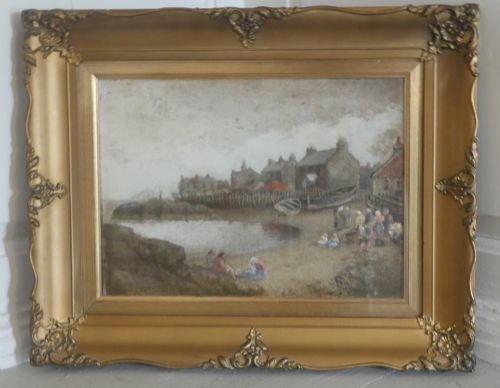
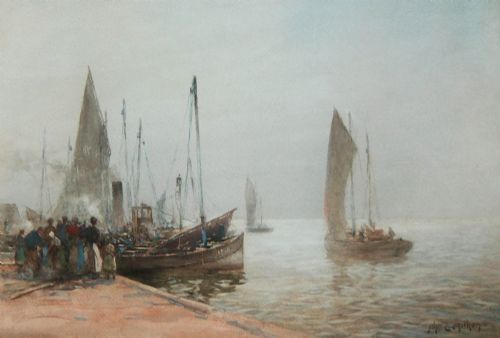
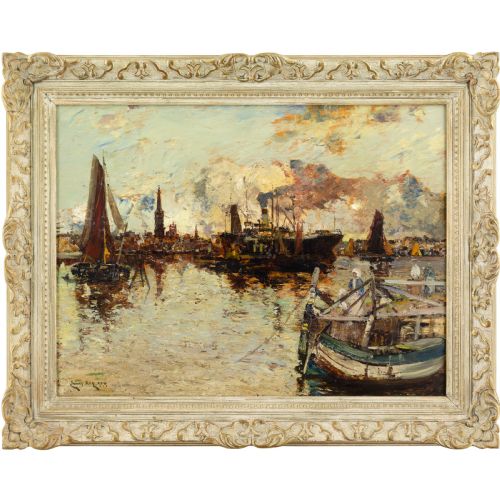
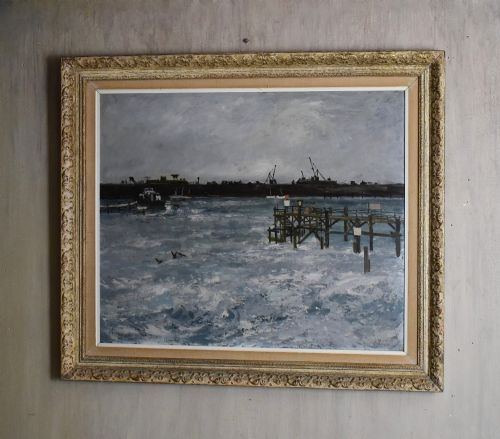
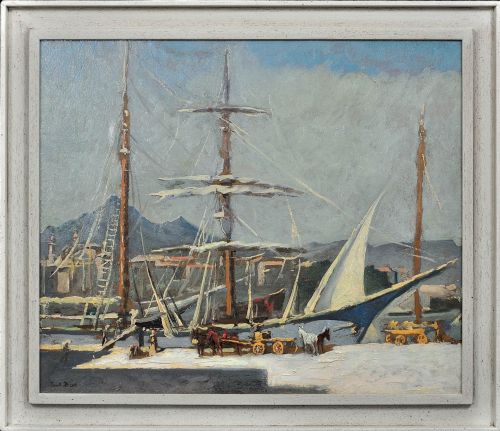
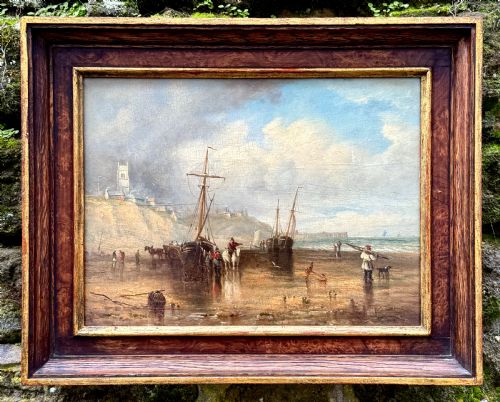
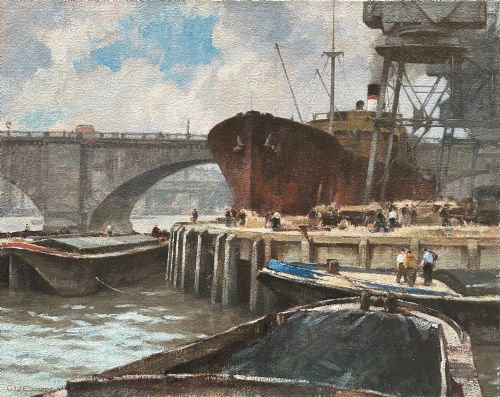
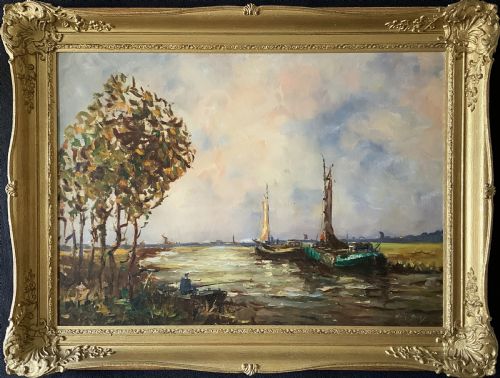
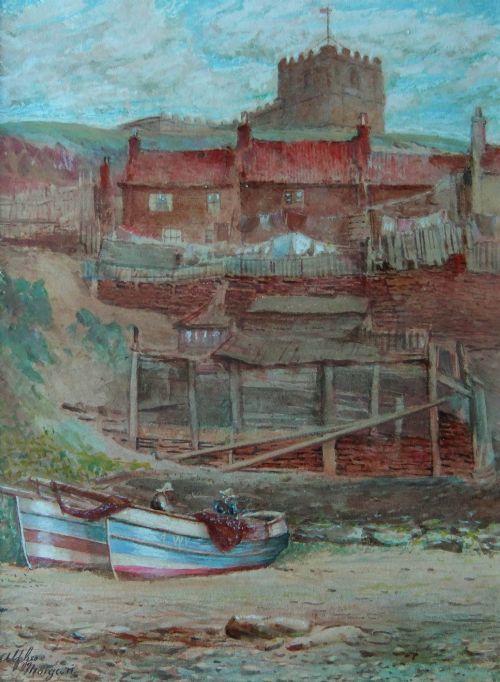
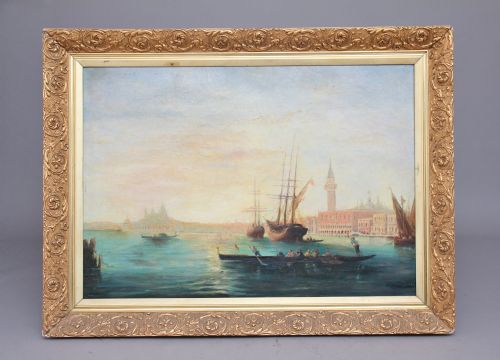
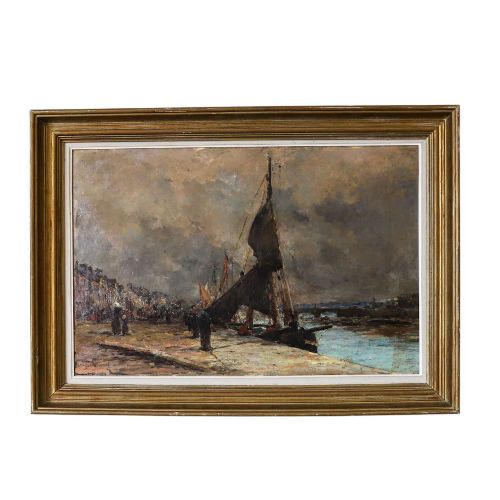
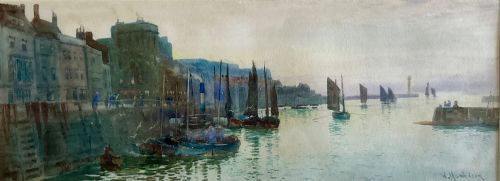
An antique maritime harbour landscape captures coastal communities, fishing fleets, and tidal quays through historical paintings and watercolours. These works record ports from Cornwall to Venice, preserving the appearance of busy docksides from past eras. Buyers seeking this phrase encounter framed scenes ranging from early works to mid-century depictions.
The selections span the Victorian and Edwardian periods alongside the early twentieth century, incorporating British Impressionism and regional marine styles. Common subjects include Yorkshire fishing ports, Scottish havens, and continental canals rendered by named artists and regional painters. Oil paintings on canvas and delicate paper watercolours form the core of the selection.
Compositions alternate between tranquil evening departures and choppy seas against dramatic skies, reflecting the changing light of the shore. Gilt wood frames frequently enclose these canvases and paper pieces, maintaining their period presentation. Each painting serves as a direct window into historical maritime trade and coastal habitation.
How They Were Made
Painters utilised oil paint on canvas or board, applying rich pigments to build depth in water and atmospheric coastal skies. Watercolours on paper offered artists a fluid medium to capture translucent light over harbour waters and distant headlands. Gilt wood frames were constructed to complement the finished works and protect the edges of the canvas or paper.
Artists worked en plein air or in studios using preparatory sketches gathered at specific ports like Whitby, St Ives, or Rotterdam. Brushwork ranged from meticulous academic detail to looser impressionistic strokes that suggested movement in sails and tidal currents. Pigments were layered carefully to record the shifting tones of sea, stone quays, and evening light.
Several artists braved choppy northern seas just to capture the precise tilt of a Yorkshire fishing boat at low tide.
What Varies in Quality
The handling of light and atmospheric perspective distinguishes accomplished marine works from simpler topographical records. Strong compositions balance architectural harbour elements, such as piers and rigging, with expansive coastal skies and water reflections. Skilled handling of medium, whether transparent watercolour washes or layered oil impasto, creates convincing depth and texture in the sea.
Provenance and legible signatures by documented artists elevate certain pieces, connecting them directly to known regional painting groups. The preservation of the original framing, particularly period gilt wood surrounds, adds integrity to the presentation of the canvas or paper. The specificity of the depicted location and the vitality of the figures at work further define the distinct character of each piece.
James E. Aitken·John E. Aitken·William Banks Fortescue·James Kay RSW·Hector Caffieri·Thomas Creswick·Willem Bos·Alfred G. Morgan·William Matthison·Thomas Hodgson Liddell·Frank Kelsey·F A Roylance·George F Pennington·Charles William Wyllie·William Edward Webb·Edward Matthew Elliott·Jean-Baptiste Olive·James Fry·William Lee Hankey·Arthur Tucker·Adrian Van Porten·Tom Clough·Stanley Leader·Claude Lorrain·William Tuck
The Antique Maritime Harbour Landscape Glossary
- Oil on Canvas
- A traditional painting technique where oil-based pigments are applied to a stretched woven fabric support. This method allows for rich colour blending and textured impasto effects.
- Watercolour
- A painting method utilising water-soluble pigments on paper to achieve translucent washes of colour. It was widely employed by British artists for quick coastal studies.
- Gilt Wood
- Wood carved and coated with a thin layer of gold leaf or metallic gilt finish. These frames were tailored to enhance maritime paintings of the Victorian and Edwardian periods.
- Impasto
- Paint applied thickly to a canvas so that the strokes stand out visibly from the surface. Artists used this technique to capture the rough texture of crashing waves.
- Marine Landscape
- A genre of fine art focused primarily on the sea, ships, coastal architecture, and harbour life. These works document the maritime heritage of British and European shores.
Antique Maritime Harbour Landscape: Frequently Asked Questions
What is a maritime harbour landscape?
A maritime harbour landscape is a fine art painting or watercolour depicting coastal ports, shipping vessels, and tidal docksides. These works document historical harbours, fishing fleets, and coastal architecture from previous centuries.
Artists focused on capturing the specific atmosphere of working ports, often recording named locations across Britain and Europe. The genre encompasses varied styles from Victorian realism to early twentieth-century impressionism.
How were these coastal paintings displayed?
Historical coastal paintings were traditionally housed in bespoke wooden frames, frequently finished with a gilt surface to complement the artwork. These frames protected the edges of the canvas or paper while adding formal presence to the interior display.
Many surviving pieces retain their period frames, which help date the artwork and maintain its historical context. Proper placement away from direct sunlight protects both the frame gilding and the pigments used in the painting.
How do I tell watercolours apart from oils?
Watercolours are executed on paper, often showing the fine texture of the sheet beneath translucent washes of pigment. They are typically displayed behind protective glass to prevent moisture damage.
Oil paintings are created on stretched canvas or wooden boards using thick, opaque pigments that sit visibly on the surface. These works do not require glass protection and often display visible brushstrokes or textured impasto.
Where did these artists find their subjects?
Artists travelled to active fishing ports, tidal rivers, and coastal trading hubs along the British coastline and continental Europe. Locations such as Whitby, St Ives, and Rotterdam provided constant activity with shipping, docks, and maritime architecture.
Painters observed local fishermen, incoming tides, and harbour fortifications to record authentic scenes of maritime labour. These topographical details make the paintings valuable historical records of changing coastal towns.