


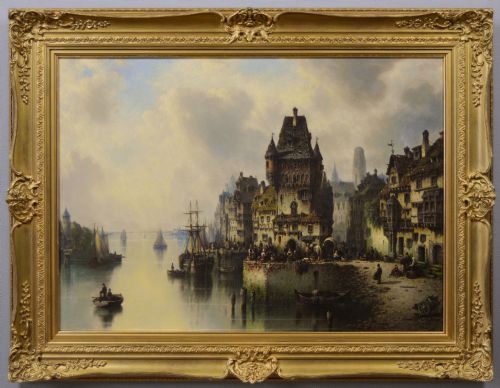


Canvas Port Scene Artwork
Canvas port scene artwork captures the bustle and quiet of historic harbours, offering a window into maritime life through traditional brushwork.
Canvas Port Scene Artwork
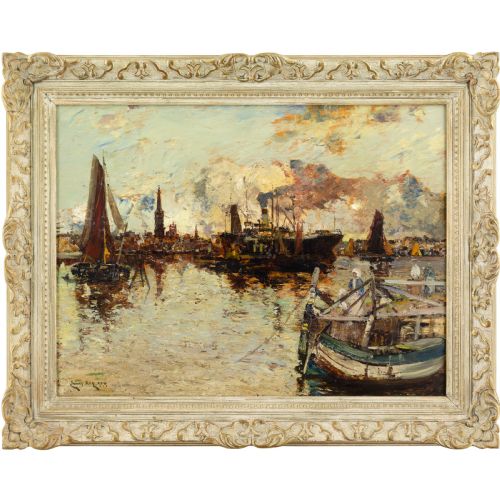
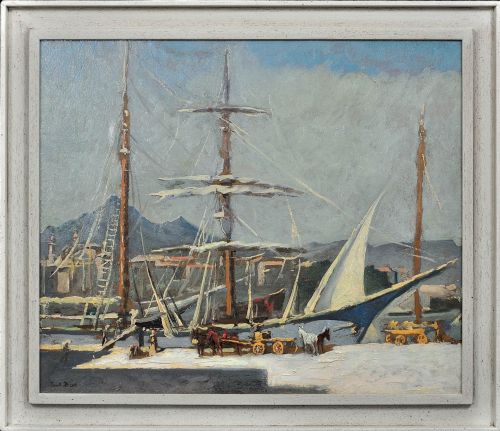
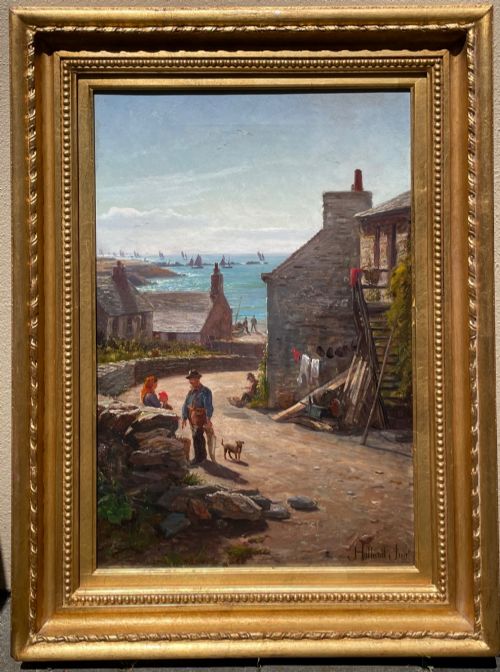
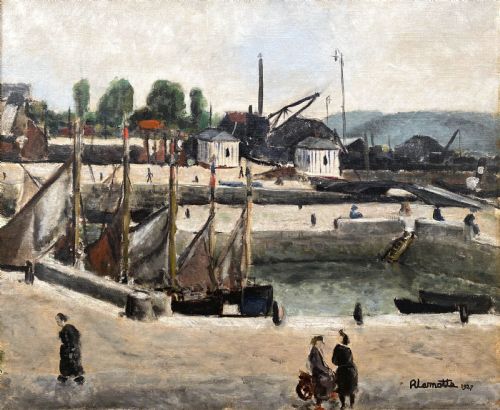
Canvas port scene artwork encompasses oil paintings depicting maritime activities, harbours, and coastal towns. These works capture ships, quaysides, and coastal architecture from various historic periods.
Buyers frequently encounter pieces from the Victorian era through the mid-twentieth century, including French Impressionist, post-impressionist, and realist interpretations. The subjects range from busy commercial ports like Palermo and Antwerp to quiet fishing villages in Cornwall and the Isle of Man.
How canvas port scene artwork was made
Artists painted primarily with oil paint on stretched canvas, utilising the texture of the fabric to catch light and hold pigment. Brushwork ranges from smooth, classical application to thick, impressionistic impasto that builds the texture of water and stone.
Many works retain their original period frames, often constructed from wood and finished in giltwood or carved gilt wood. These frames complement the maritime subject matter and protect the edges of the canvas.
Listings feature oil paint on canvas supported by wood and gilt wood frames across periods from the seventeenth century to the 1950s.
What varies in quality
The handling of light and atmosphere separates accomplished works from ordinary topographical records, particularly in how artists render water and sky. Painters such as Henri Ottman or Ludwig Hermann demonstrate distinct command over colourist techniques and spatial depth.
Condition of the oil paint and canvas surface influences the visual impact, along with the preservation and age of the accompanying wood frame. Works attributed to identified artists or specific schools often show greater stylistic cohesion.
James Kay RSW·Paul Bret·John Holland·Gyrth Russell·Henri Ottman·Ludwig Hermann
The Canvas Port Scene Artwork Glossary
- Oil on Canvas
- Pigments bound in drying oil applied to a woven fabric support. This combination allows for rich colour blending and durability over centuries.
- Impressionism
- A nineteenth-century painting style characterised by relatively small, thin, yet visible brush strokes and an open composition. It emphasises accurate depiction of light and its changing qualities.
- Giltwood
- Wood carved and covered with a thin layer of gold leaf or gold paint. Frames finished in this manner frequently accompany nineteenth-century and early twentieth-century paintings.
- Marine Seascape
- A work of art depicting the sea, ships, or harbour views. These scenes focus heavily on maritime architecture, vessels, and coastal weather.
Canvas Port Scene Artwork: Frequently Asked Questions
What periods do these paintings cover?
The works span from the seventeenth century through to the mid-twentieth century. Major representations include Victorian pieces alongside early twentieth-century French Impressionist and post-impressionist examples.
Dates and styles vary widely, reflecting shifts in artistic approaches to marine subjects across different European schools.
How do I care for an oil painting on canvas?
Keep the artwork away from direct sunlight, high humidity, and rapid temperature changes. These environmental controls protect the canvas and the stability of the oil paint layers.
Dust the surface gently with a soft, dry brush and avoid using water or liquid cleaners on either the canvas or the frame.
Are original frames usually included?
Many listings feature period frames made from wood, including gilt wood and giltwood surrounds. These frames are chosen to match the era of the painting.
Inspect the specific details of each listing to confirm whether the artwork retains its historic frame or has been remounted.
What subjects are common in port scenes?
Common subjects include unloading ships, busy harbours, fishing ports, and coastal towns across Britain, Italy, France, and Canada. Artists recorded both commercial shipping and quiet maritime daily life.
Compositions range from industrial cityscapes to serene coastal landscapes and classical harbour views.