




Antique Marine Seascape
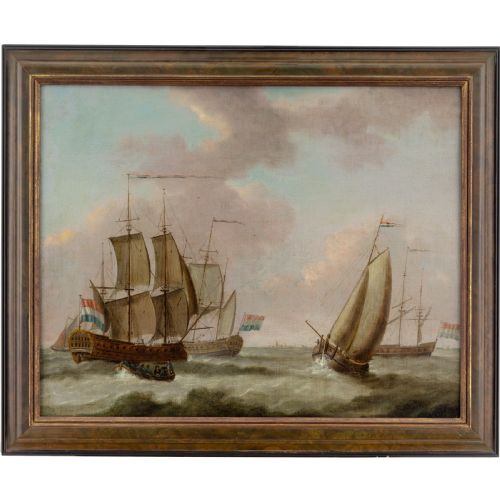
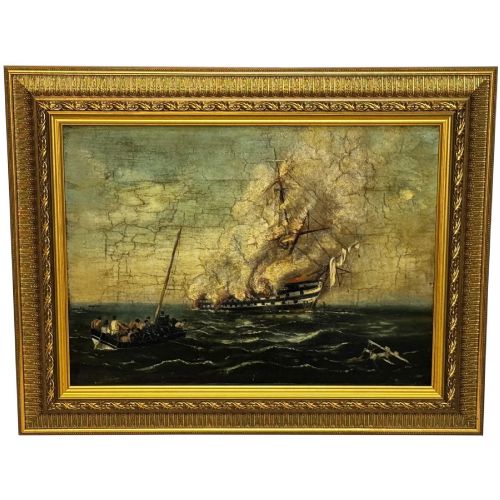
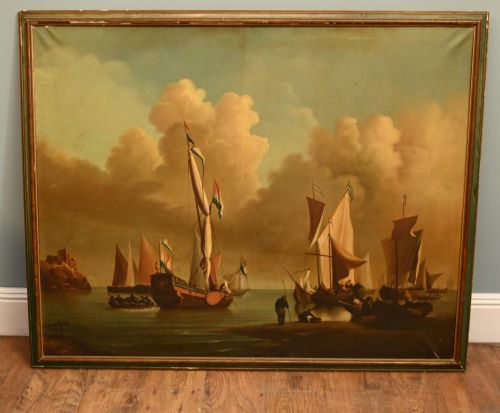
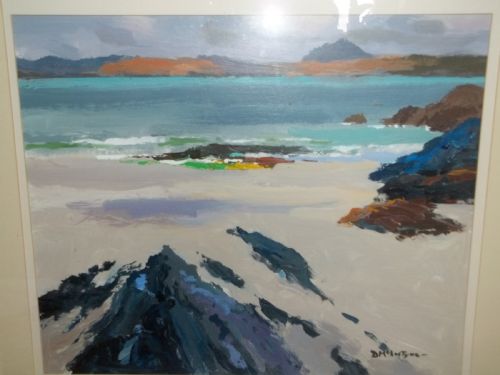
When you search for an antique marine seascape, you are looking at oil paintings and watercolours recording sailing ships, harbours, and coastal weather.
Antique Marine Seascape
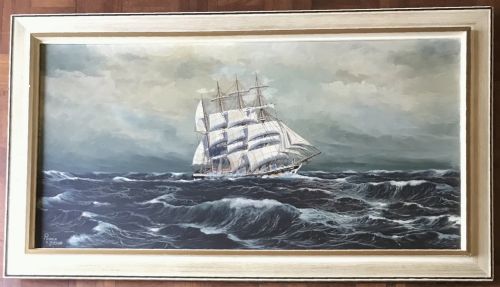
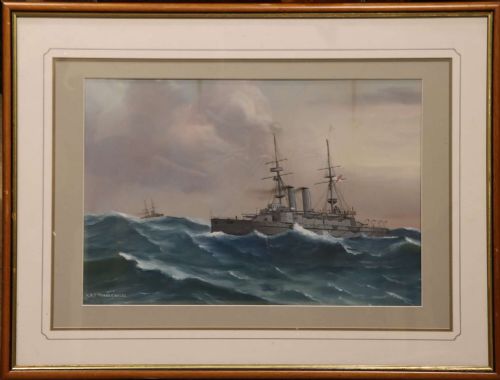
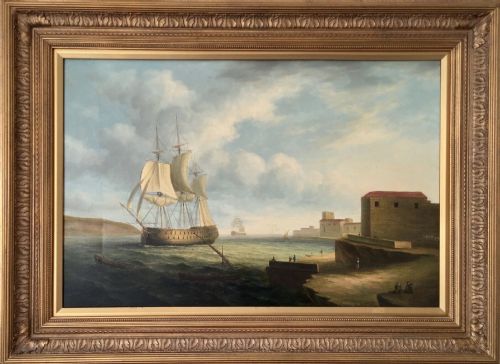
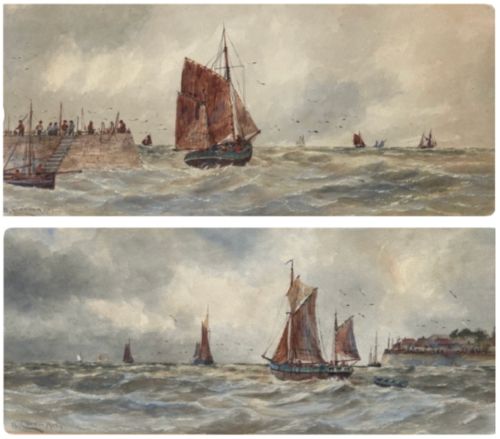
An antique marine seascape captures the movement of water, coastal weather, and vessels ranging from traditional fishing boats to three-masted schooners and steamships. These works appear primarily as oil paintings on canvas, panel, or board, alongside watercolours and gouache works on paper.
The material spans Victorian and Edwardian periods, stretching from the mid-nineteenth century into the early twentieth century. Buyers encounter depictions of specific harbours such as Valletta, Brighton, St Ives, and the Port of London, alongside dramatic open sea encounters in heavy gales.
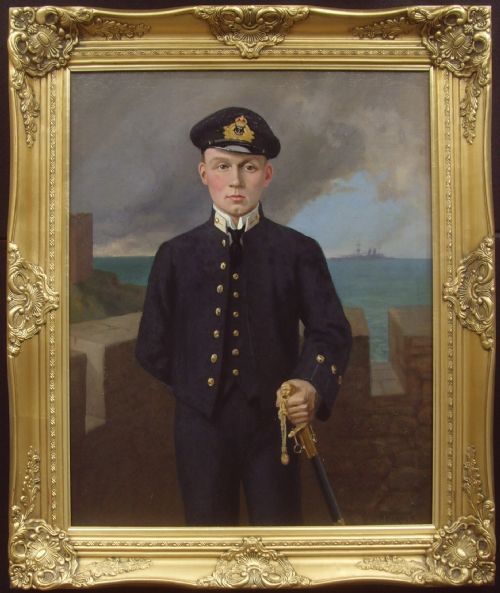
Framed watercolours and oils frequently present scenes in original or period gilt wood frames, reflecting maritime history through depictions of naval vessels, merchant ships, and daily coastal life.
How they were made
Artists painted oil on canvas, panel, or board, applying pigment to capture the shifting light of sunrise and sunset upon the sea. Other works utilised watercolour and gouache on paper, often finished with delicate pencil or ink line work to delineate rigging and harbour architecture.
Canvases were stretched over wooden supports and secured within gilt wood frames that protected the edges and completed the presentation. Brushwork ranged from smooth, detailed academic rendering to textured impasto conveying rough waves and stormy skies.
Listings feature works executed in oil on canvas, oil on board, watercolour, and gouache across the nineteenth and twentieth centuries.
What varies in quality
Quality rests in the artist's command of atmospheric perspective, water movement, and accurate nautical rigging. Stronger examples demonstrate precise handling of light reflecting off sea spray and clouds, while lesser works rely on formulaic compositions.
The condition of the paint surface and the survival of the original or period gilt wood frame influence the integrity of the piece. Clear provenance, legible signatures, and identifiable ships or locations elevate the historical interest of the work.
James Hardy·James Orrock·William Cannon·Eugène-Louis Gillot·William McAlpine·B. Nash·Charles Edward Dixon·William Banks Fortescue·John Rose Miles·Frank Watson Wood·William Broome·Bernard Gribble·Bonaventura Peeters·Frank William Scarbrough·F. Corpuz·Hector Caffieri·Bernard Benedict Hemy·Thomas Creswick·Willem Bos·TB Hardy·Charles Euphraisie Kuasseg·John Wilson Carmichael·Lai Fong·Joseph Farquharson·Leopold Pascal
The Antique Marine Seascape Glossary
- Gouache
- An opaque watercolour paint that dries to a matte finish, allowing artists to build solid areas of light upon darker washes.
- Impasto
- Paint applied thickly to a canvas or board so that the physical brushstrokes stand proud of the surface, adding texture to waves and clouds.
- Panel
- A flat wooden support used as an alternative to stretched canvas for oil paintings during the nineteenth century.
- Provenance
- The documented history of ownership that traces a painting from its creation to the present day.
- Seascape
- A work of art depicting the sea, coastal views, shipping, or marine subjects.
Antique Marine Seascape: Frequently Asked Questions
What subjects appear in these paintings?
These works depict sailing ships, merchant vessels, warships, fishing boats, and rescue craft operating in calm harbours or stormy seas. Coastal views feature cliffs, piers, and beaches around British and European ports.
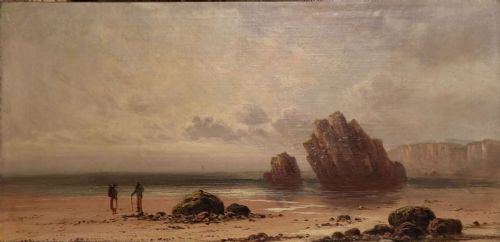
Scenes also record specific historical vessels, naval engagements, and daily maritime labour such as oyster picking and landing the catch.
How do I care for an oil painting?
Oil paintings on canvas or panel require stable indoor humidity away from direct sunlight and heat sources to prevent the paint film from cracking. Dust should be removed gently from the surface using a soft, dry brush without applying pressure.
Watercolours on paper demand protection behind glass with acid-free mounts to prevent fading and moisture damage over time.
How do I identify the period of a seascape?
Dating relies on clothing styles of figures on shore, the rigging and architecture of the vessels depicted, and the construction methods of the stretcher or frame. Signatures, dates inscribed on the reverse, and artist biographical records provide precise chronological markers.
Nineteenth-century works often show romanticised handling of light, whereas twentieth-century pieces incorporate modernist or impressionist tendencies.
Were these painted outdoors or in studios?
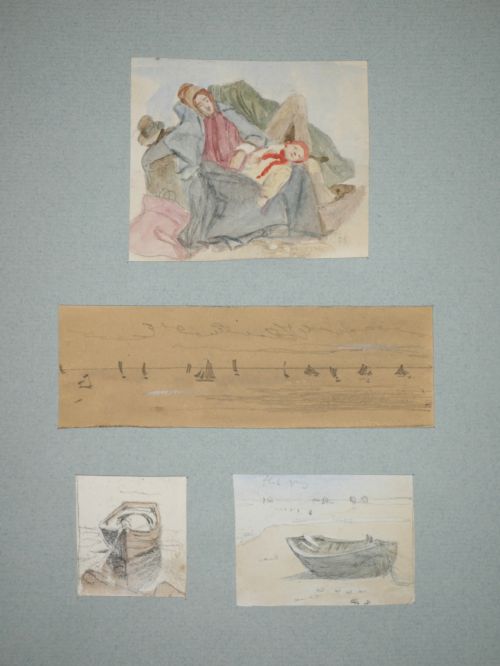
Many artists sketched marine subjects and coastal weather directly from life on the shore, capturing transient effects of light and wave action in rapid watercolours or oil sketches. Finished exhibition pieces were subsequently developed inside studios using these observational studies for reference.
Large-scale historical battle scenes and panoramic harbour views required extensive preparatory drawings before execution on canvas.