



Antique Marble Top Mirror
An antique marble top mirror combination unites cool stone and gleaming glass within console tables, washstands and dressing pieces.

Antique Marble Top Mirror
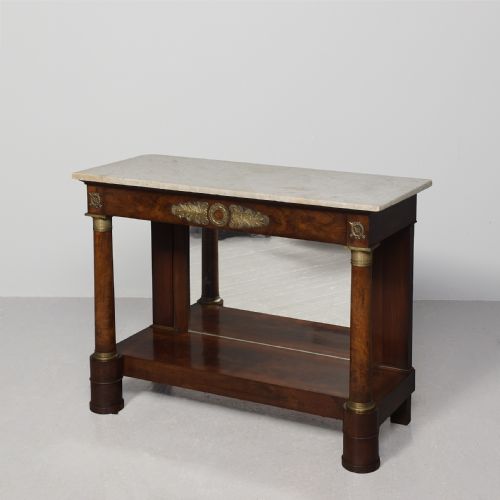
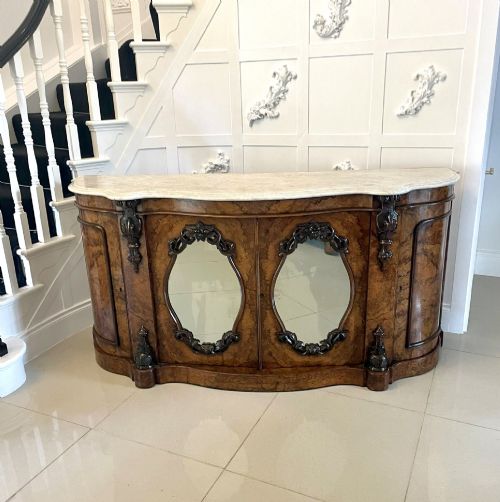
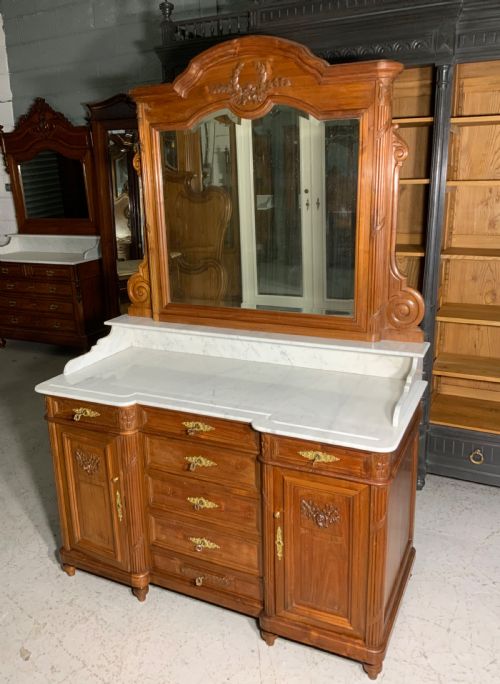
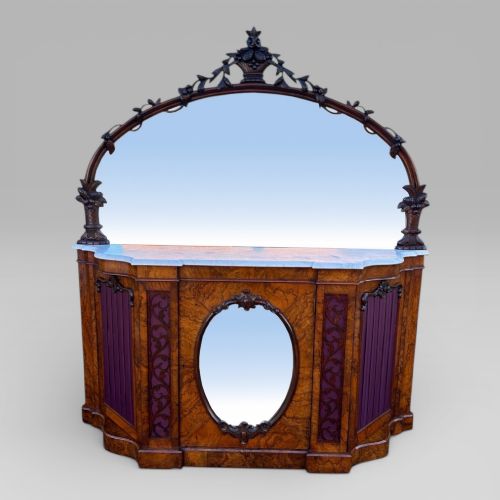
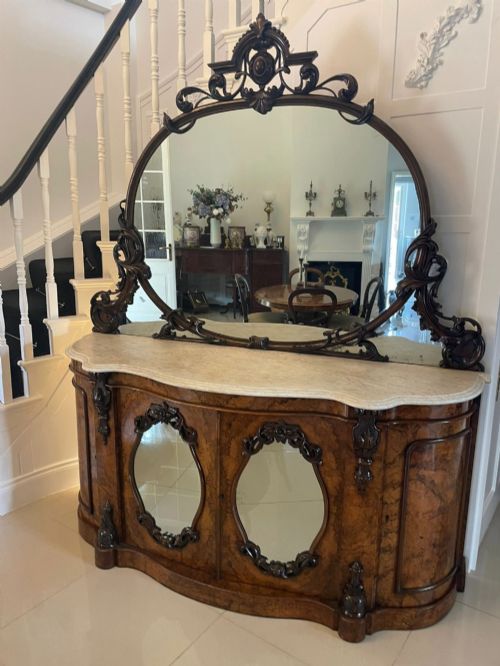
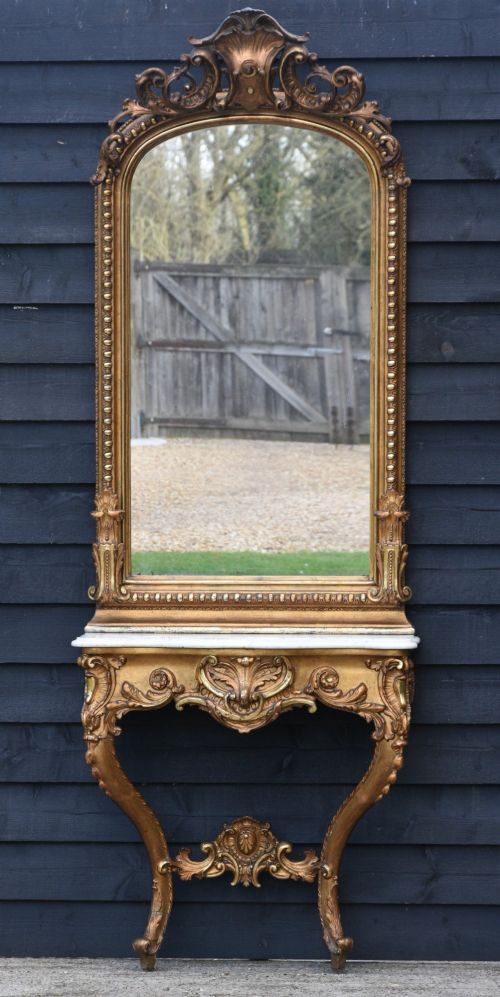
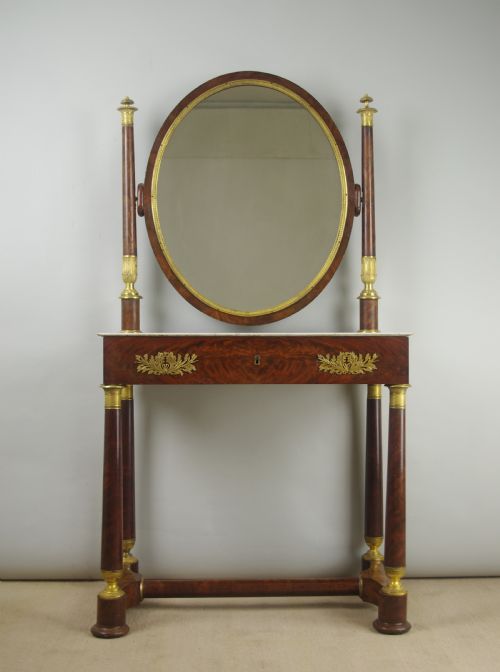
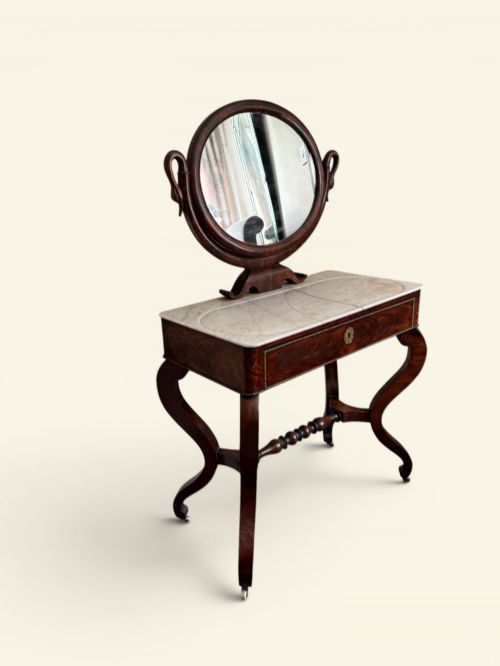
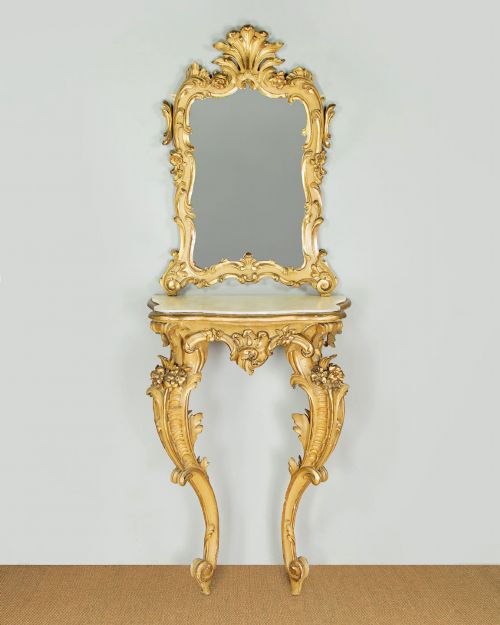
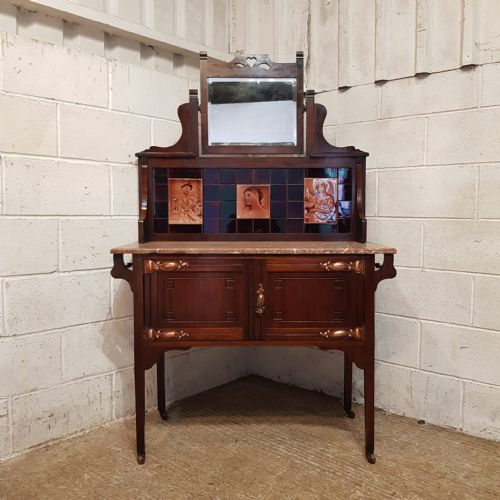
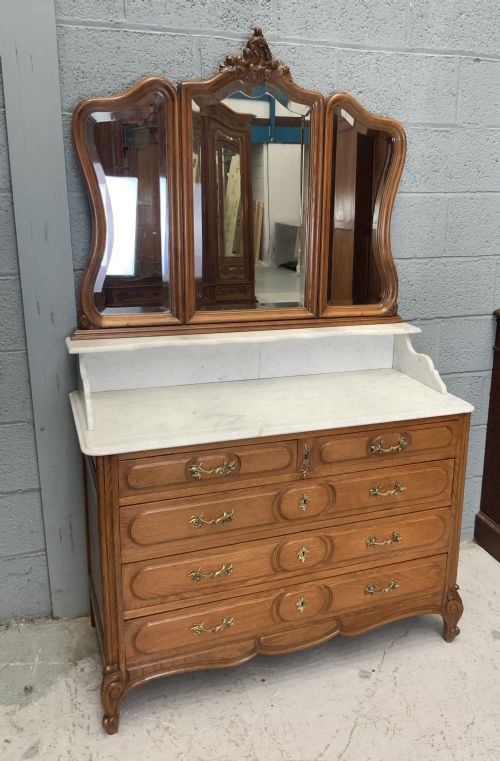
When searching for an antique marble top mirror, you will discover that these pieces most frequently appear as console tables paired with pier mirrors, washstands with splashbacks, and dressing tables featuring integrated swing mirror plates. The form bridges functional furniture and decorative wall display, drawing together heavy stone surfaces and reflective glass in one cohesive design.
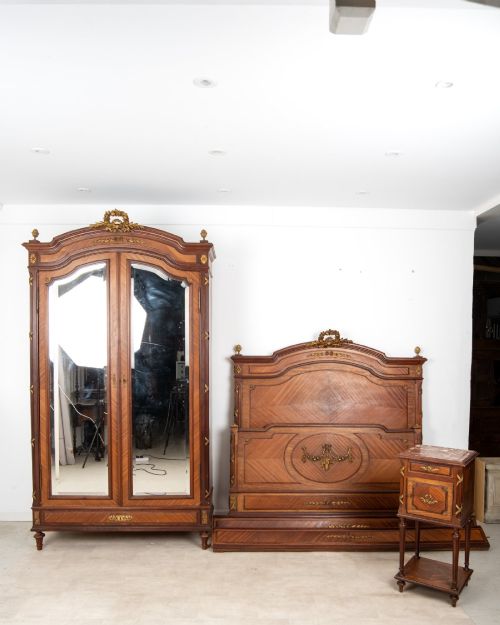
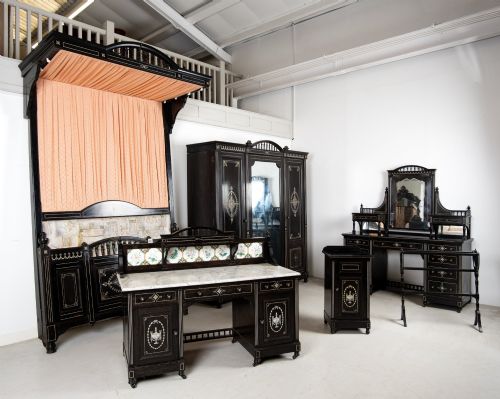
The pieces on this page span the nineteenth century into the Edwardian era, with strong representation from Victorian walnut and French Rococo or Empire revival styles. Console tables with mirror backs and washstands with marble surfaces form the bulk of the available selection, reflecting how these items were utilised in period drawing rooms and bedrooms.
Materials and construction methods
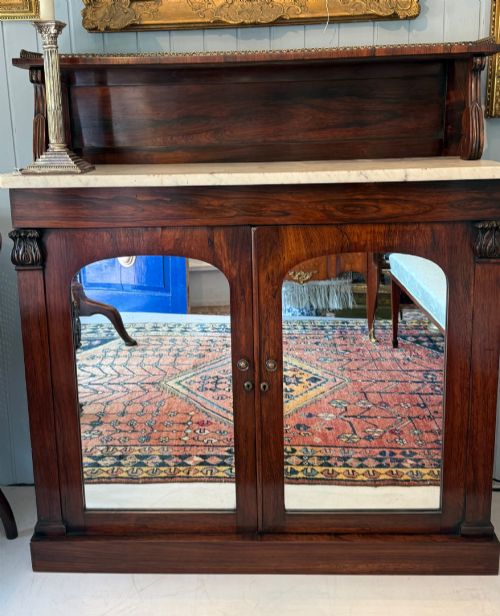
Makers constructed the primary frames of these pieces using dense timbers such as mahogany, walnut, rosewood, and oak, often mounting heavy slabs of figured or white marble onto the upper surfaces. Ormolu mounts, brass details, and giltwood or parcel-gilt finishes frequently accent the woodwork, creating a contrast between natural grain and polished metal.
Glass mirrors were set into carved wooden frames or integrated directly into the upper superstructure of credenzas, washstands, and dressing chests. Cabinetmakers employed precision joinery and veneer work, particularly in French kingwood and burr walnut examples, securing heavy stone tops with stable internal framing.
Antique Marble Top Mirror Retail Price Guide 2026
Typical asking prices for marble top mirror among the pieces listed under this phrase on Sellingantiques today, from the lower quarter to the upper quarter. They describe what is for sale here now, not the wider market.
Materials recur in combination, pairing white and figured marble with giltwood, burr walnut, and ormolu mounts.
Distinguishing quality in design and execution
The distinction between standard examples and the finest work lies in the depth of the wood carving, the choice of timber figure, and the integration between the table base and the mirror superstructure. Superior pieces exhibit crisp hand-carving on giltwood or walnut frames and utilise thick, well-figured marble slabs that fit flush against the supporting structure.
Makers who supplied high-end clients paid careful attention to secondary timbers, original mercury or silvered mirror plates, and refined hardware such as detailed ormolu mounts. The harmony of proportion between the stone top, the timber base, and the reflecting glass determines the overall standing of the piece.
François Linke·G. Durand
The Antique Marble Top Mirror Glossary
- Console table
- A table designed to stand against a wall, frequently supported by wall brackets or front legs and paired with a matching mirror.
- Pier mirror
- A tall mirror specifically designed to hang on the wall space between windows, often placed directly above a console table.
- Credenza
- A low sideboard or cabinet, frequently featuring mirrored backs and marble tops during the Victorian period.
- Ormolu
- Gilt bronze mounted onto furniture frames as a decorative embellishment, common in French pieces from the nineteenth century.
- Trumeau
- An architectural mirror or panel set into a wall or wooden frame above a mantelpiece or console.
Antique Marble Top Mirror: Frequently Asked Questions
What rooms suit an antique marble top mirror?
Console tables with integrated mirror backs suit hallways and drawing rooms where they reflect light and provide a surface for decorative objects. Washstands and dressing pieces integrate naturally into bedrooms and bathrooms.
The substantial weight of the marble and the height of the mirror require secure wall fixing or stable floor placement. These items anchor a room, combining practical tabletop surfaces with vertical reflective glass.
How do I care for antique marble?
Marble surfaces require prompt wiping of spills to prevent staining, particularly from acidic liquids such as lemon juice or wine. Use soft cloths and mild, pH-neutral soap rather than abrasive cleaners.
Applying a specialist wax helps protect the polished surface from daily wear. Regular dusting maintains the natural sheen of the stone without damaging the underlying polish.
Are the mirror plates original?
Many nineteenth-century pieces retain their original glass, which often exhibits slight foxing, small dark spots, or minor silvering losses due to age. These characteristics confirm the authenticity of the plate and distinguish antique glass from modern replacements.
Some pieces have had their mirror plates replaced during their working life to improve reflection clarity. Inspecting the backing boards and the mounting pins helps determine whether the glass dates to the period of the frame.
How do I tell Victorian from Edwardian styles?
Victorian examples frequently display heavier proportions, dark walnut or mahogany timbers, and elaborate carving influenced by Rococo or Renaissance revivals. Burr walnut credenzas and heavy console tables with mirror backs typify this mid-to-late nineteenth-century output.
Edwardian pieces tend to be lighter in scale, often incorporating simpler lines, inlaid satinwood, or painted finishes. Washstands from this later period show a transition toward practical domestic hygiene with tiled backs and simpler marble slabs.