

Antique Marble Portrait
When you seek an antique marble portrait, you encounter carved likenesses in stone and metal that capture figures from history, myth and literature.
Antique Marble Portrait
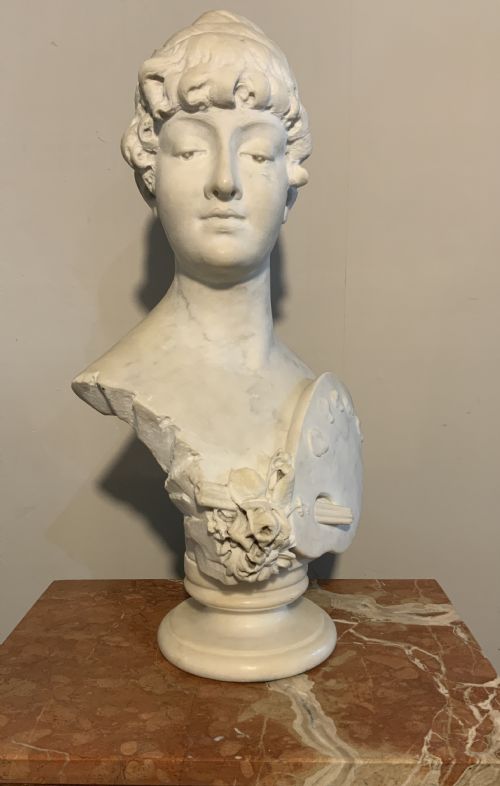
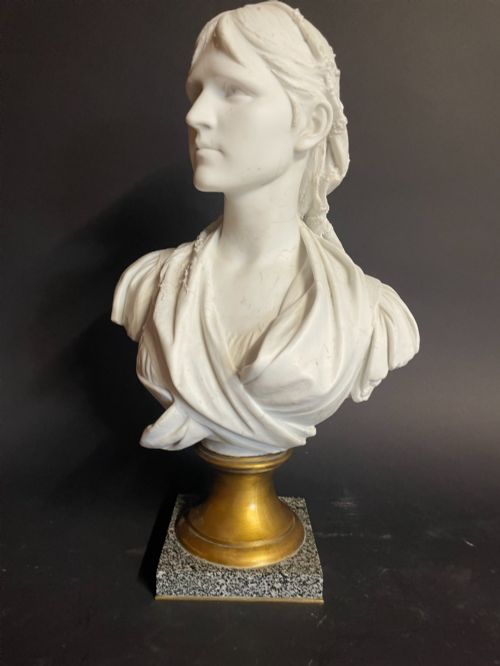
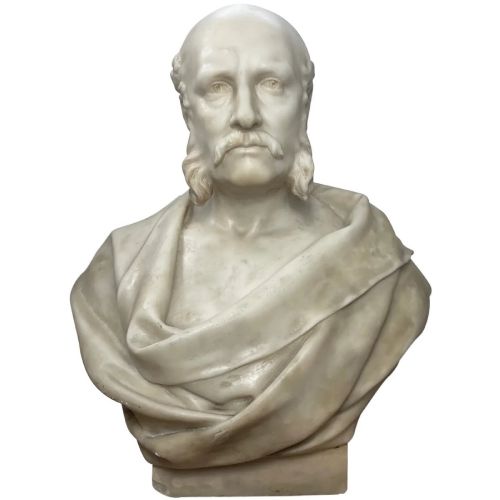
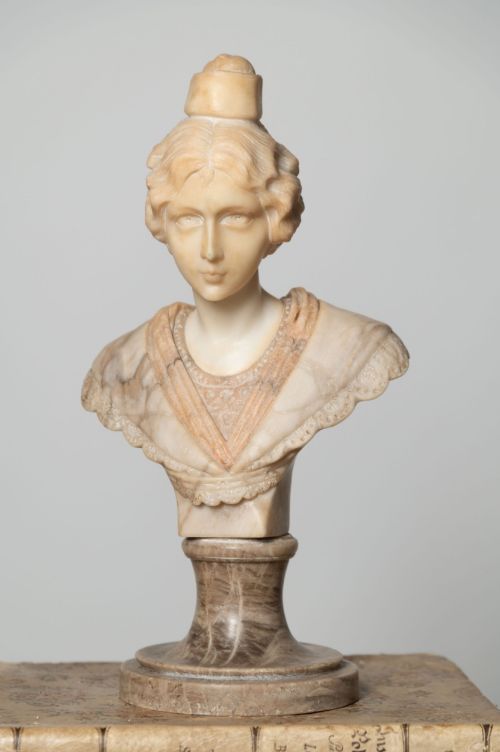
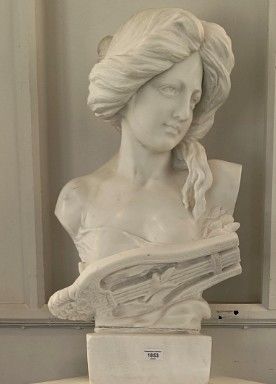
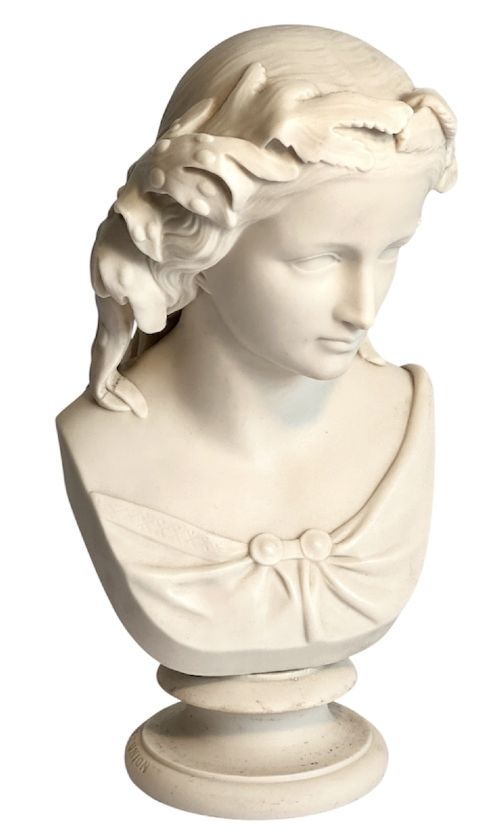
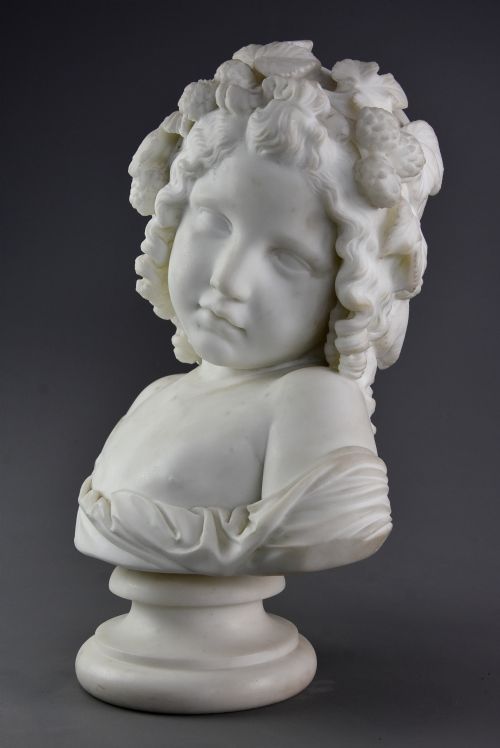
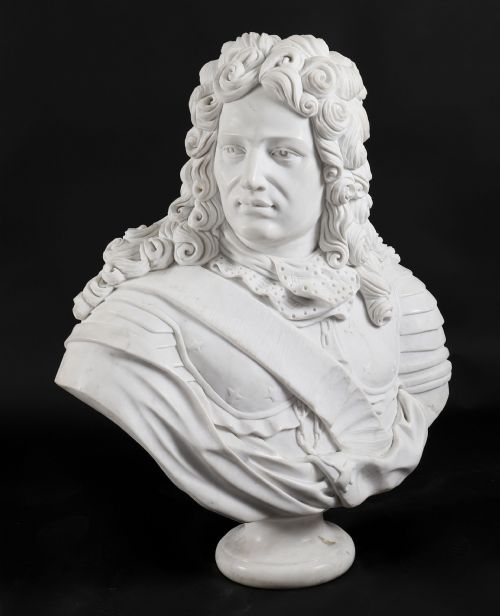
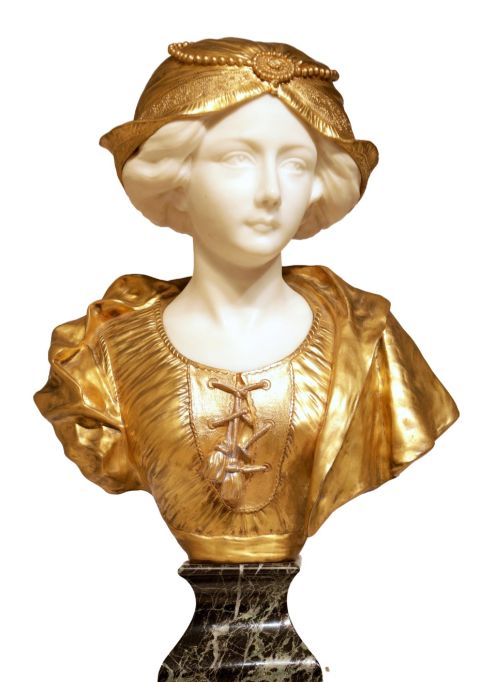
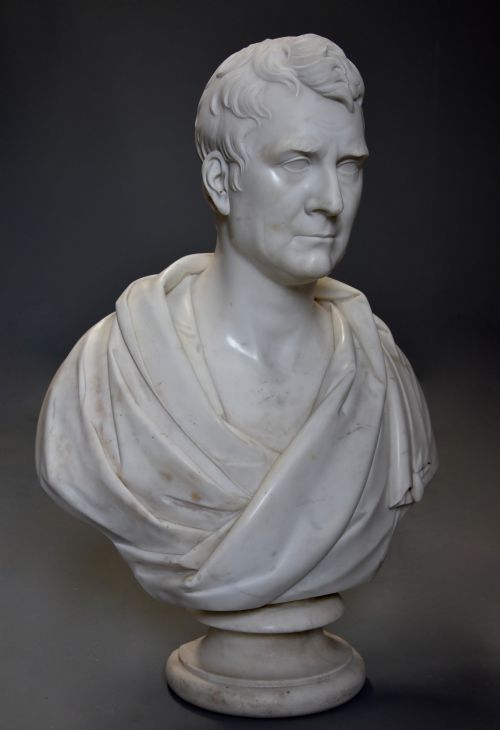
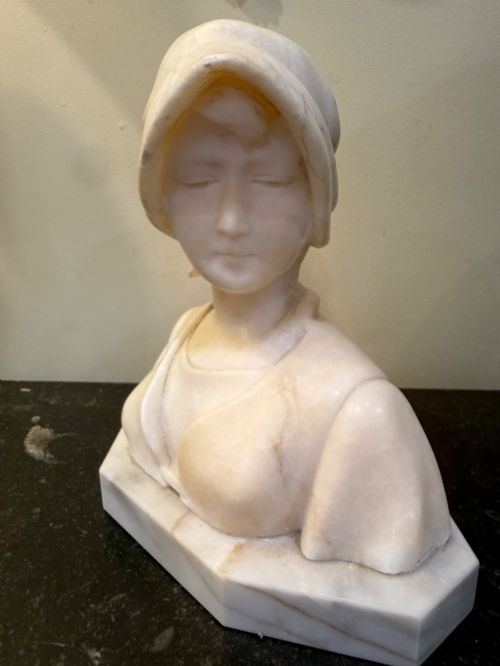
An antique marble portrait presents the likeness of a specific individual, executed primarily in white marble, Carrara marble or alabaster, often taking the form of a portrait bust or a wall plaque. These works span the eighteenth, nineteenth and early twentieth centuries, reflecting neoclassical, Victorian, Art Nouveau and Grand Tour influences.
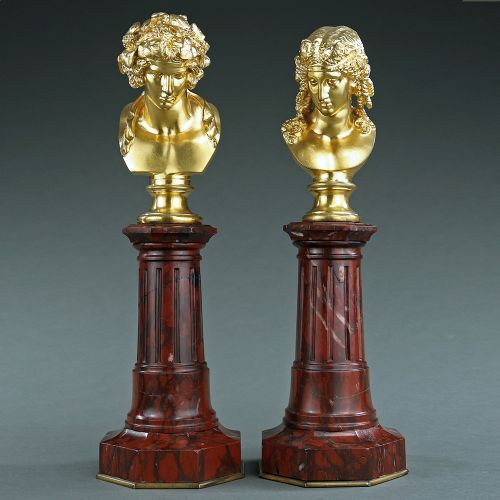
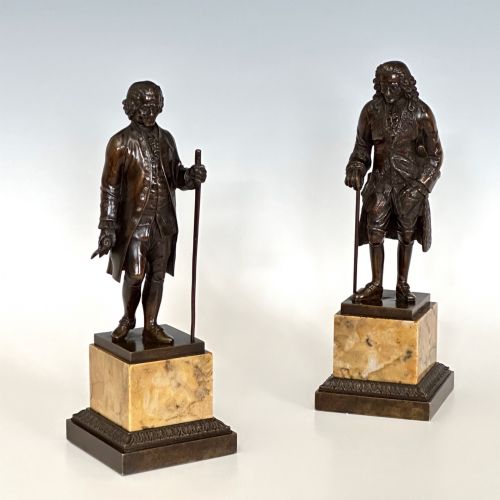
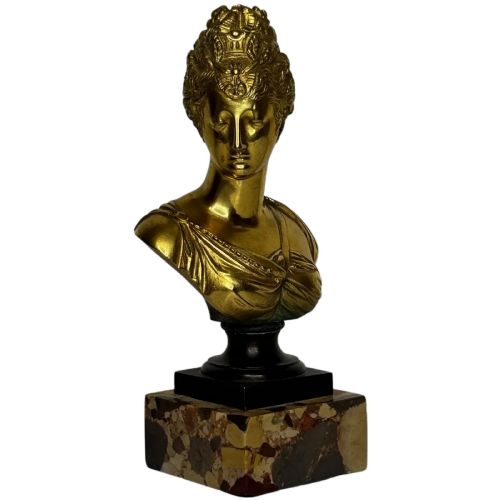
The most common pieces on this page are nineteenth-century busts depicting classical muses, historical figures, literary icons like Dante, or unidentified young women and gentlemen. Sculptors also utilised bronze, brass and gilt bronze alongside stone, sometimes mounting metal portraits upon marble bases.
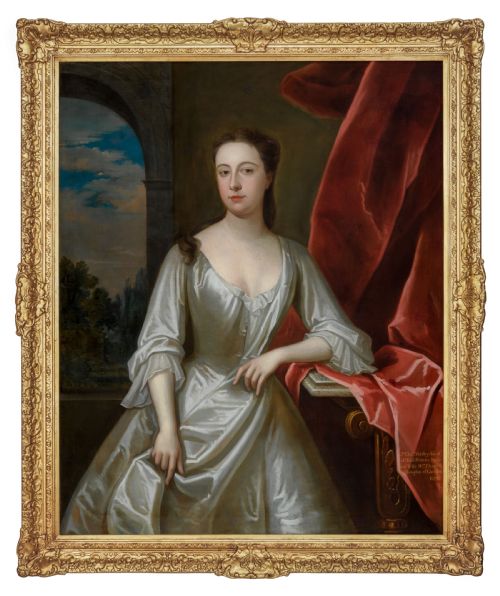
Subjects range from civic leaders and Members of Parliament to mythological deities and allegorical figures. Alongside freestanding sculpture, you find profile plaques and occasional oil paintings that incorporate marble tables within their composition.
How they were made
Bronze components were cast using traditional methods, then patinated or gilt before being secured to heavy marble plinths or bases. Sculptors frequently signed their finished works directly into the stone or metal surface.
Several gentlemen carved in stone here share shelf space with literary giants, Roman deities, and a remarkably stern French rabbit.
What varies in quality
The strength of a portrait lies in the sensitivity of the carving and the psychological depth given to the subject's expression. Master carvers captured subtle shifts in muscle structure, gaze and texture, whereas lesser pieces remain stiff and formulaic.
Material selection dictates much of the visual weight, with flawless Carrara marble and fine alabaster commanding greater presence than mixed stone or coarse-grained alternatives. The integration of supporting bronze elements and signed inscriptions further distinguishes studio work from commercial output.
Sir Godfrey Kneller·Affortunato Gory·Georges-Charles Coudray·George Minne·John Wenlock Rollins·Mieczyslaw Leon Zawiejski·Alajos Strobl
The Antique Marble Portrait Glossary
- Bust
- A sculpted representation of a person's head, shoulders and upper chest. These pieces usually stand upon an integrated or separate plinth.
- Carrara marble
- A type of white or blue-grey marble quarried in the city of Carrara in Tuscany, prized for its purity and used extensively for classical sculpture.
- Grand Tour
- A nineteenth-century cultural journey undertaken by wealthy young Europeans, resulting in the acquisition of classical antiquities and portrait busts.
- Neoclassical
- A style spanning the eighteenth and nineteenth centuries that drew inspiration from the art and culture of classical antiquity.
- Parian ware
- A fine-grained bisquit porcelain developed in the nineteenth century that imitated white marble, often utilised for portrait busts.
Antique Marble Portrait: Frequently Asked Questions
Where should I display a marble bust at home?
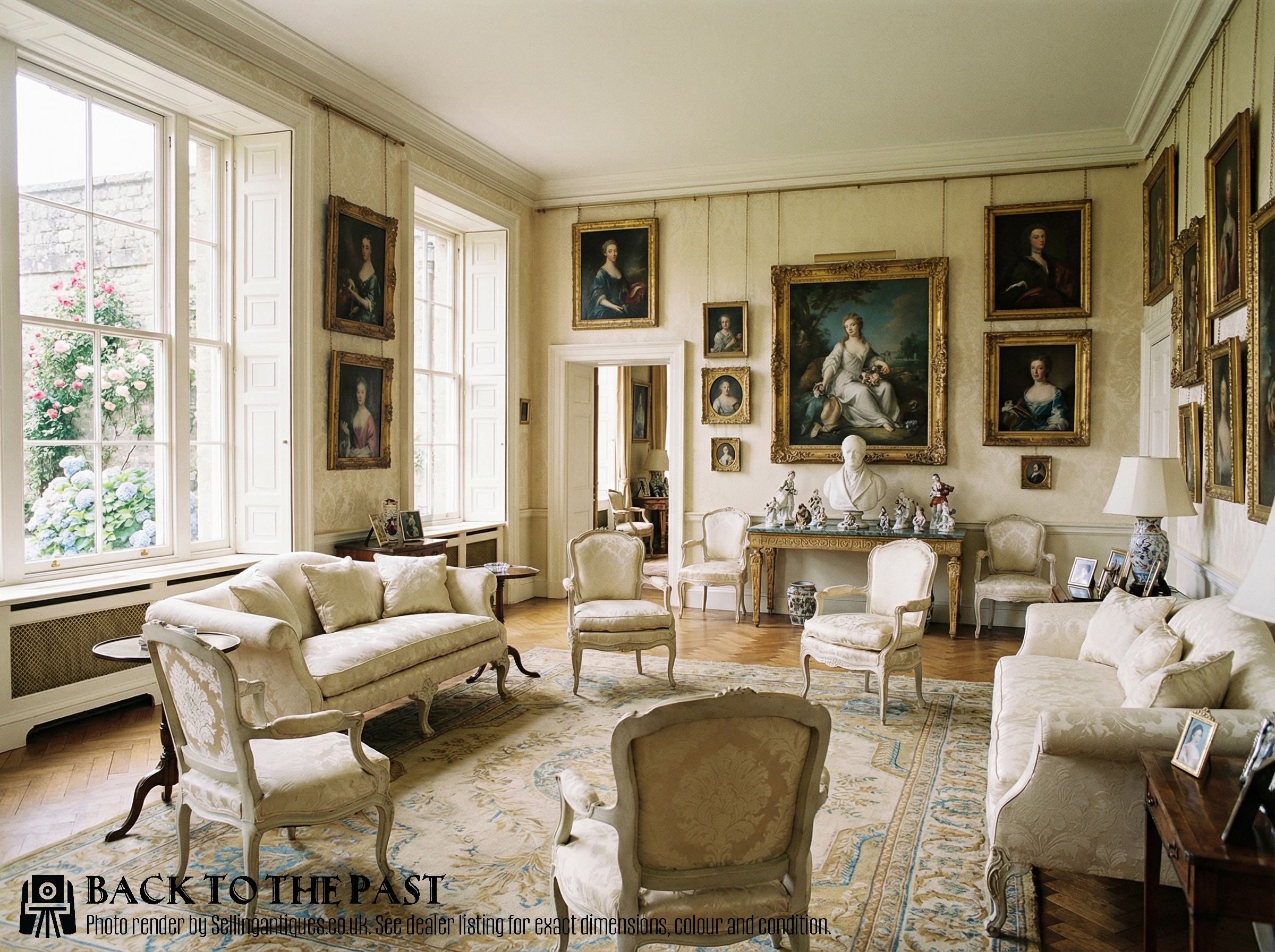
These heavy stone and bronze pieces require sturdy console tables, desks or dedicated pedestals capable of supporting significant weight. Placing them away from direct heat sources protects the stone and any applied patination from thermal shock.
Good natural lighting from the side emphasises the carved contours of the face and the texture of the hair.
How do I tell nineteenth-century pieces from later copies?
Nineteenth-century works display tool marks, hand-finished polishing and natural ageing appropriate to the stone or metal. Signatures from recorded sculptors active during this period offer strong chronological markers.
Later reproductions often exhibit uniform machine-cut surfaces, lack the subtle anatomical observation of period originals, and use modern mounting hardware.
What is the difference between marble and alabaster portraits?
Marble is a hard, metamorphic rock that resists scratching and yields a crisp, enduring finish favoured for monumental portraiture. Alabaster is a softer, gypsum-based stone with a translucent quality that allows light to penetrate beneath the surface.
Alabaster pieces require gentler handling and protection from moisture due to the porous nature of the material.