

Marble Portrait Bust
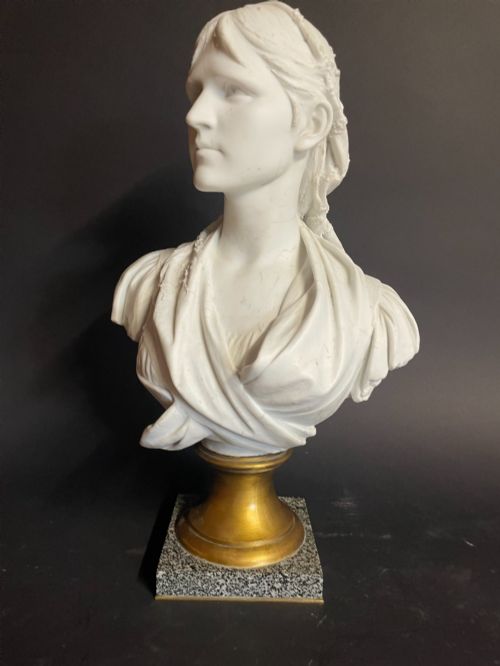
A marble portrait bust brings the gravity and presence of classical sculpture directly into a room.
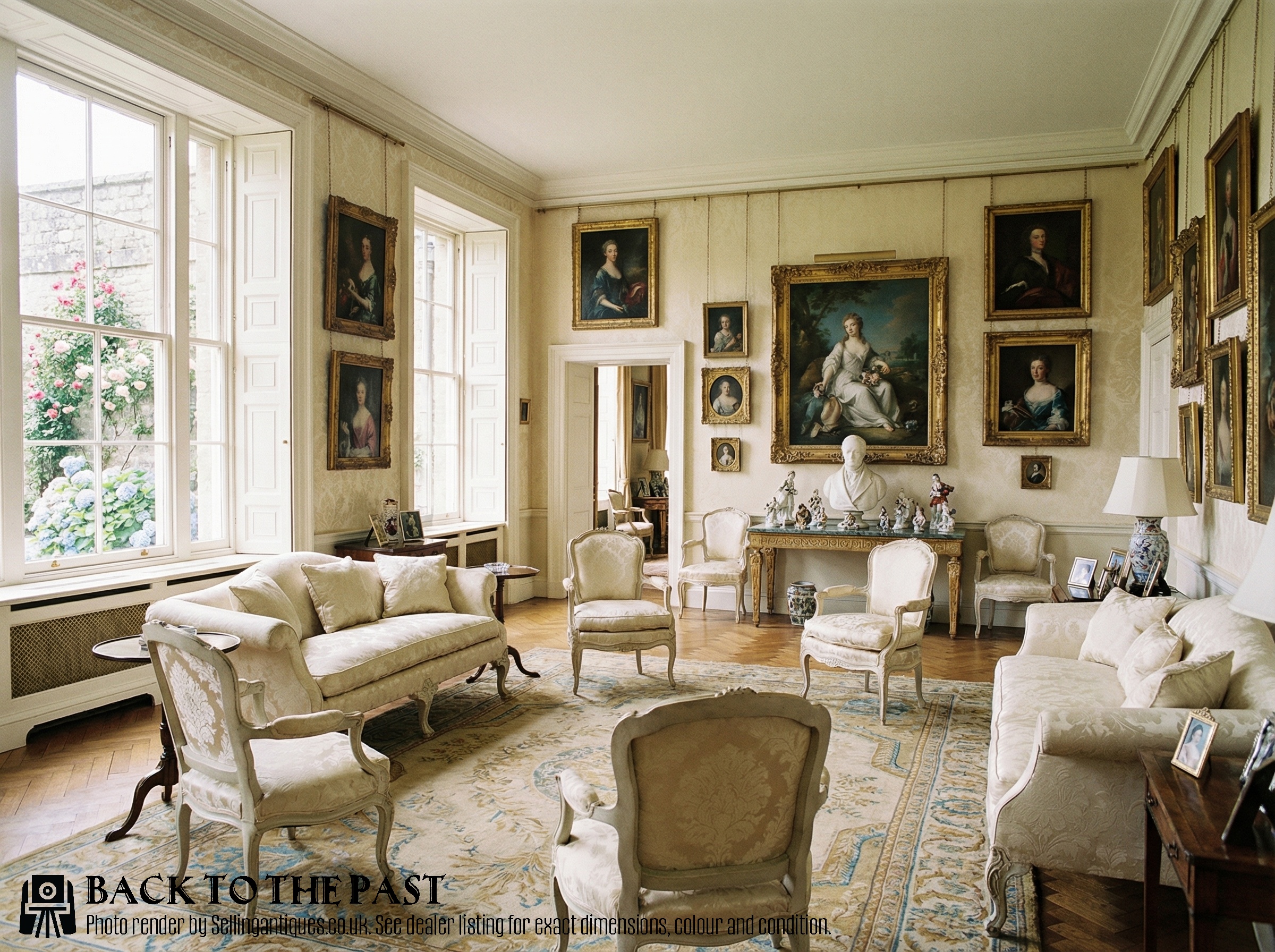
Marble Portrait Bust
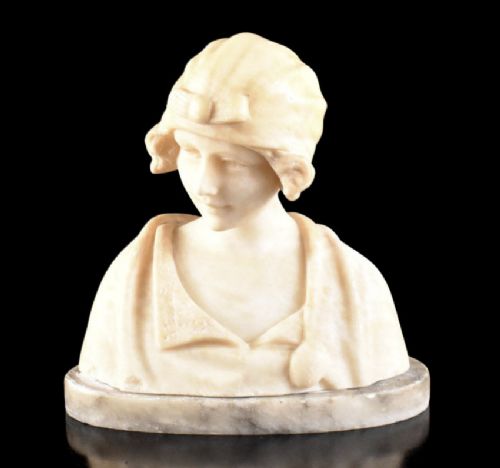
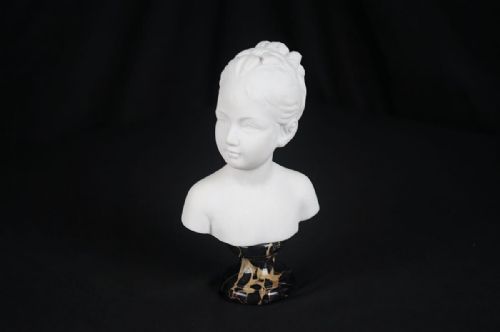
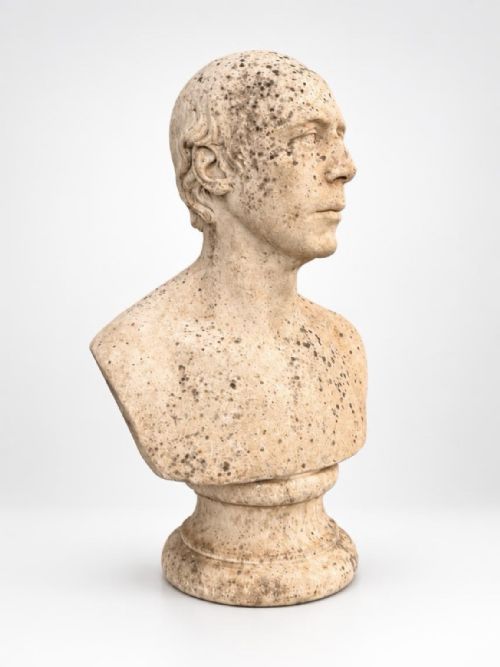
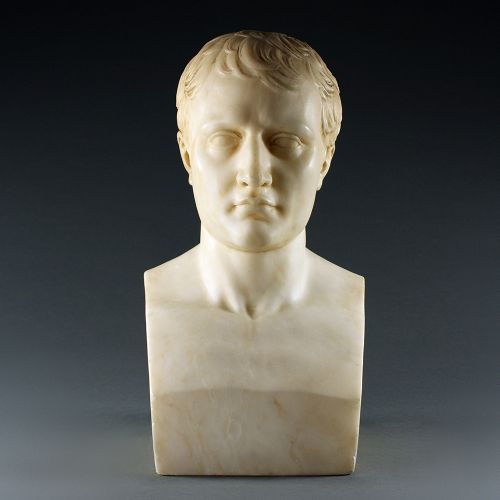
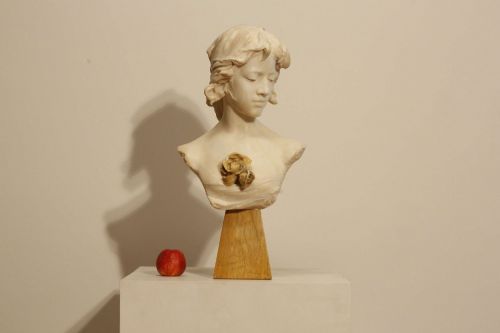
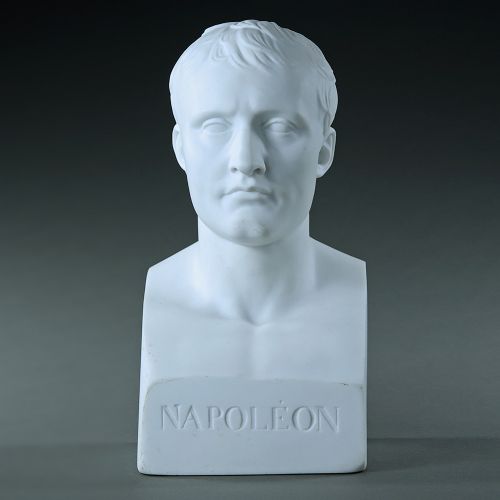
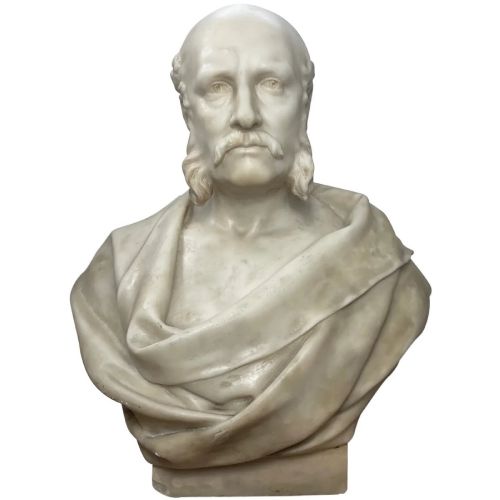
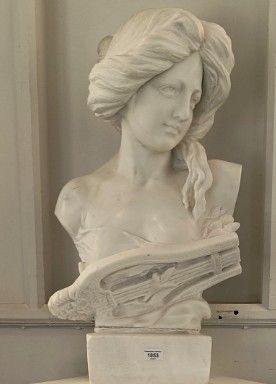
A marble portrait bust captures likenesses of historical figures, mythological subjects, and private citizens across the nineteenth and twentieth centuries. These pieces range from modest library busts of literary figures to monumental civic portraits carved to commemorate local notables.
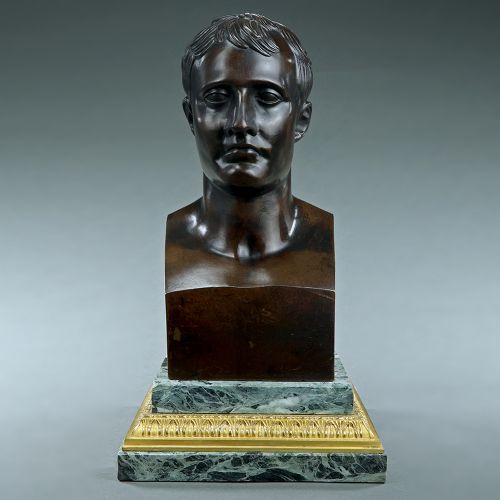
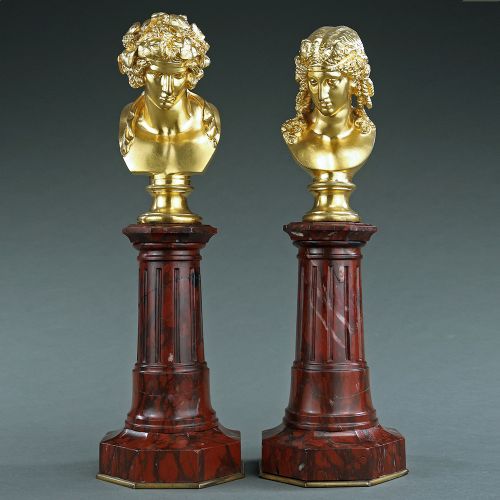
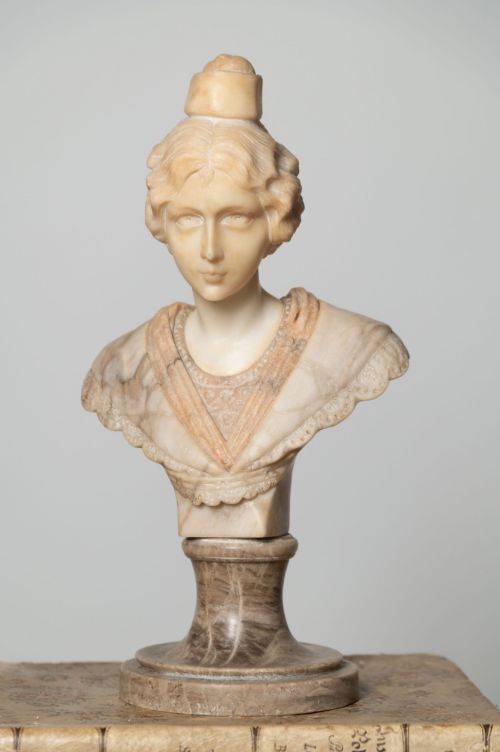
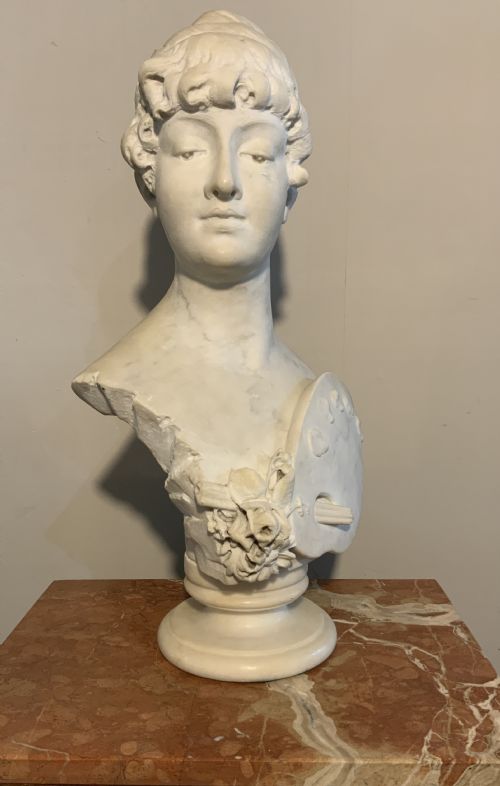
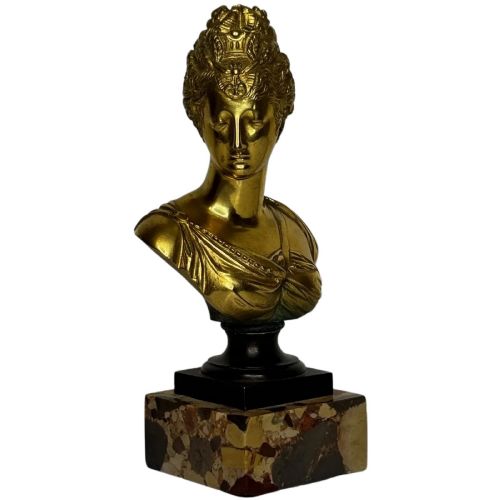
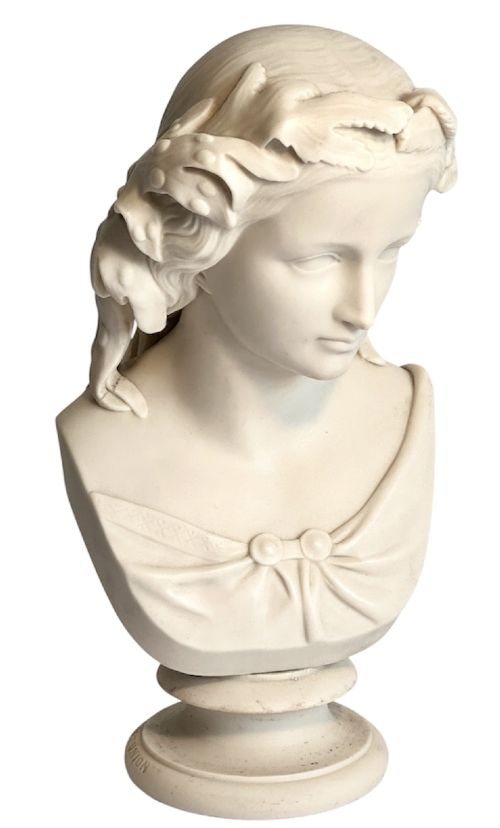
The selection leans heavily towards nineteenth-century production, alongside pieces from the early twentieth century, originating from Italian, French, and British workshops. Alongside traditional white and Carrara marble, you encounter works executed in alabaster, mixed marbles, and bronze.
Beyond standard three-dimensional busts, the format extends to profile plaques and wall-mounted reliefs depicting classical poets and philosophers.
Materials and carving
The primary medium is stone, specifically Carrara marble and softer alabaster, which allowed sculptors to achieve subtle flesh tones and delicate drapery through hand carving. Multi-media works combine white marble with coloured stones, such as vert de mer marble bases, to add visual depth.
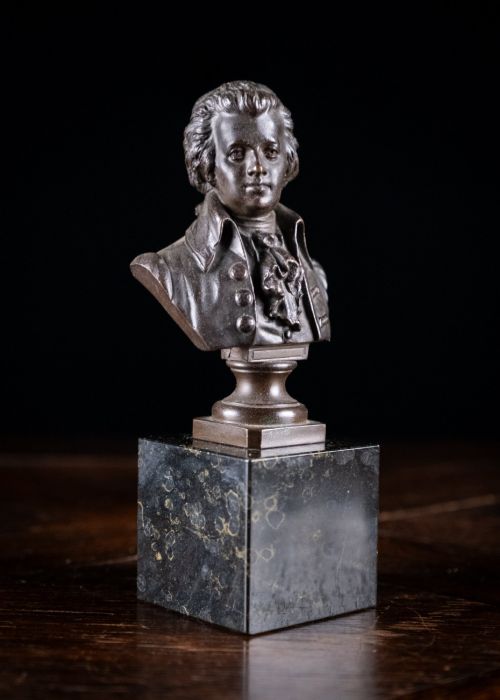
Bronze also plays a significant role, often cast and patinated or combined with gilt elements, mounted onto dedicated stone plinths to create contrasting textures.
Marble Portrait Bust Retail Price Guide 2026
Typical asking prices for marble portrait bust among the pieces listed under this phrase on Sellingantiques today, from the lower quarter to the upper quarter. They describe what is for sale here now, not the wider market.
Listings feature works spanning the seventeenth through to the twentieth centuries, utilising marble, alabaster, stone, and bronze.
Assessing the work
Quality rests upon the sensitivity of the carving and the fidelity of the expression, distinguishing mass-produced library ornaments from masterworks shaped by named sculptors. Finer examples display meticulous attention to hair, fabric texture, and the natural fall of light across the facial planes.
The choice of stone further separates the tiers, with pure translucent Carrara marble and finely figured alabaster demanding greater skill from the artisan than coarser mixed stones.
Affortunato Gory·Georges-Charles Coudray·John Wenlock Rollins·Giuseppe Bessi·Janko Brayovitch
The Marble Portrait Bust Glossary
- Carrara marble
- A type of white or blue-grey marble quarried in the city of Carrara in Tuscany, prized by sculptors for its fine, uniform grain.
- Alabaster
- A fine-grained, translucent stone often used for nineteenth-century portraiture due to its softness and warm, waxy appearance.
- Patination
- The natural or artificial ageing of a bronze surface that alters its colour and sheen over decades of exposure.
- Neoclassical
- A Western cultural movement drawing inspiration from the classical art and culture of ancient Greece and Rome.
- Grand Tour
- A traditional trip of Europe undertaken by upper-class European young men of means to accumulate art and culture.
Marble Portrait Bust: Frequently Asked Questions
Where should I display a marble bust?
These sculptures require sturdy placement on pedestals, deep mantelpieces, or heavy library bookcases where their weight is fully supported. Positioning them away from direct heat sources protects the stone from thermal shock and drying.
Natural light from the side accentuates the carved contours and facial expressions best, revealing the subtle textures of the marble or alabaster.
How do I clean marble and alabaster?
Routine maintenance requires only a soft, dry cloth to remove dust from the crevices of the hair and drapery. Moisture and harsh cleaning agents must be avoided entirely, particularly with softer alabaster which dissolves easily.
Professional advice should be sought before attempting any wet cleaning on antique stone surfaces to prevent permanent staining.
Are these pieces signed?
Many better pieces carry signatures, monograms, or foundry marks carved directly into the base or shoulder of the stone or cast into the bronze. These inscriptions help attribute works to specific European sculptors and workshops active in the nineteenth century.
Unsigned pieces remain common, often representing skilled studio output rather than named master production.
What is a library bust?
Library busts are smaller-scale portraits, frequently depicting classical authors, poets, or philosophers like Dante and Virgil, intended for domestic study display. They served an educational and decorative purpose in nineteenth-century homes.
These pieces contrast with monumental civic portraits commissioned for public buildings and memorial halls.