

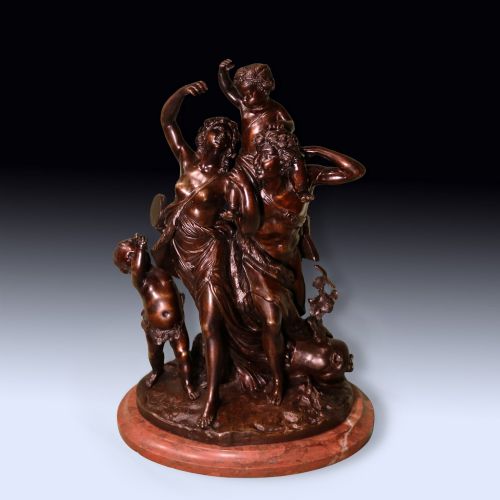


Antique Marble Figural Sculpture
When seeking an antique marble figural sculpture, you find carved studies of human and mythological forms mounted in mineral bases.
Antique Marble Figural Sculpture
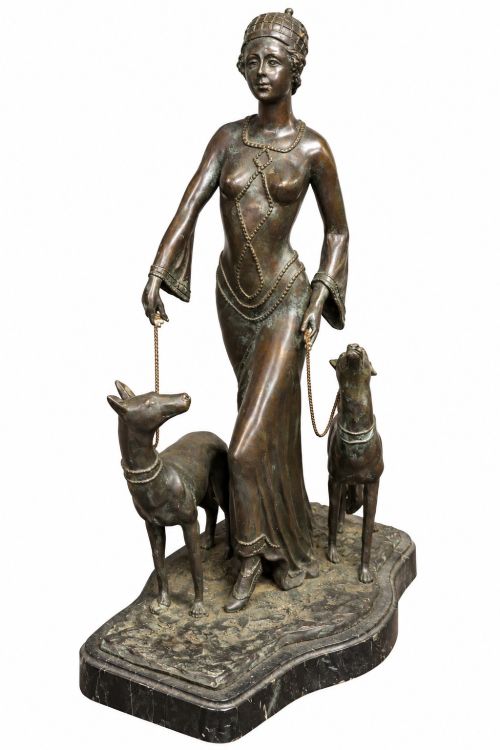
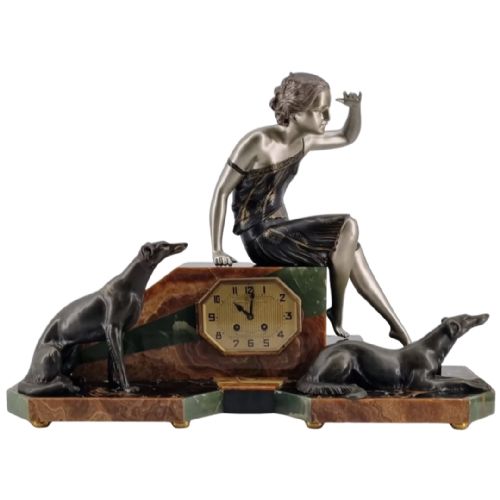
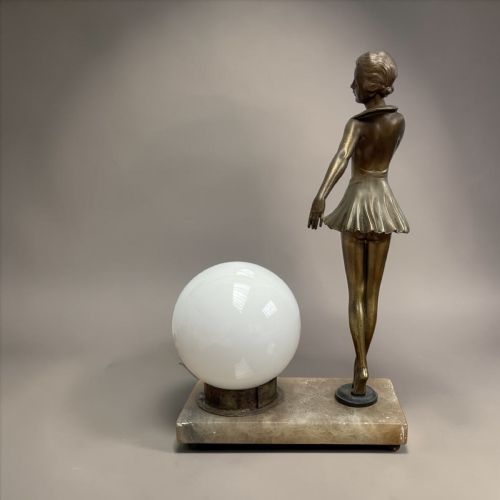
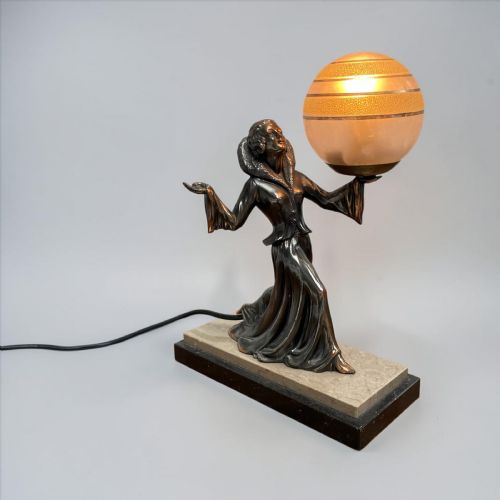
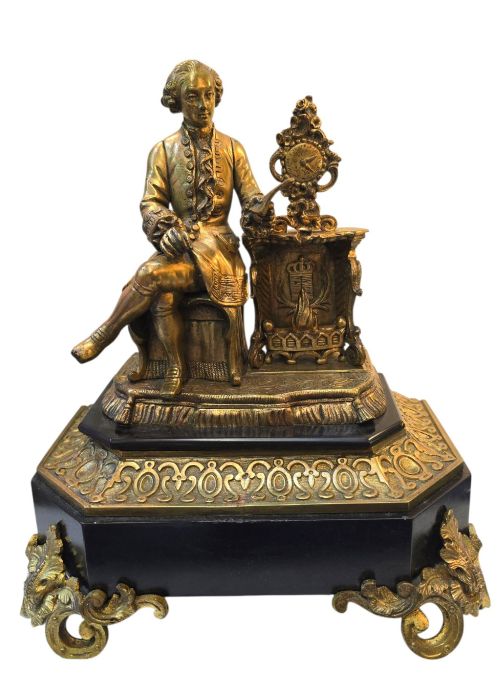
An antique marble figural sculpture captures human, mythical or allegorical forms carved from stone, often paired with mixed media bases. The inventory spans the nineteenth century through the art deco era, encompassing mantel clocks, table lamps and freestanding statues.
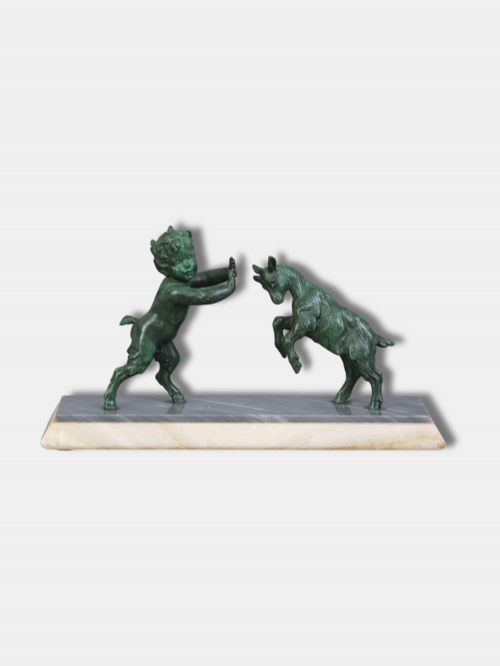
French workshops and Italian carvers produced many of these figurative works, utilising materials such as white marble, veined onyx and translucent alabaster. Figures range from classical muses and mythological fauns to dancers and children captured in domestic scenes.
Buyers encounter subjects varying from single figures to elaborate pairs supporting torcheres or clock movements. The integration of the carved stone figure with metal mounts defines the typical composition of these decorative objects.
How They Were Made
Sculptors carved figures directly from blocks of marble and alabaster, utilising chisels and rasps to define musculature, drapery and facial expressions. Softer stones like alabaster allowed for delicate translucency, while dense marbles provided durability for larger figures.
Foundries cast accompanying metal elements in bronze, spelter or brass using the lost-wax method or sand casting, afterwards applying patinas or gilding. Ormolu mounts and brass fittings were then secured to stone plinths to support the figural groupings.
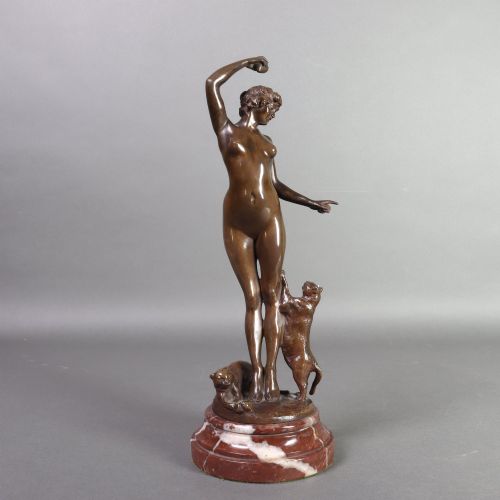
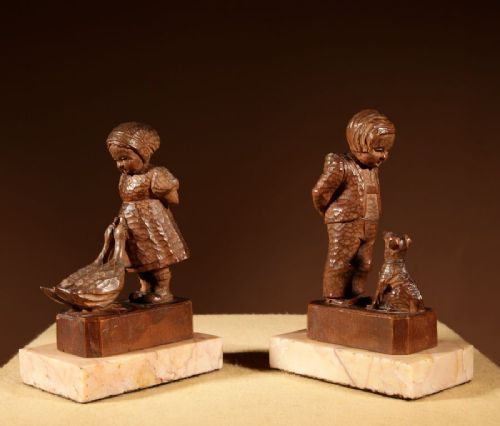
A bronze frog prince and a child sharing space with cats and dogs remind us that sculptors loved domestic chaos.
What Varies In Quality
The integration between the figural carving and its base indicates the standard of manufacture. High quality items combine harmonious materials, such as contrasting marble plinths with finely chased bronze or ormolu mounts, without visible structural gaps.
Emile Carlier·Georges Van Der Straeten·Carrier-Belleuse·E. Drouot·Ernst Barrias·Alexandre Kelety·Carl Kauba·Victor Paillard·Bruno Zach
The Antique Marble Figural Sculpture Glossary
- Alabaster
- A fine-grained, soft stone that is easily carved and possesses a translucent quality. It was frequently utilised for nineteenth-century figurative sculptures and lamp bases.
- Ormolu
- Gilded bronze produced by applying a mercury and gold amalgam to a bronze base and heating it. This technique imparts a rich golden finish to decorative mounts.
- Spelter
- An alloy of zinc and other metals used as a less expensive alternative to bronze. It frequently serves as the metal base for figural sculptures and clock cases from the late nineteenth and early twentieth centuries.
- Patina
- The surface sheen or coloration developed through age or chemical treatment on metal and stone. It adds depth to bronze and brass figures.
- Torchere
- A tall stand or ornamental lamp designed to hold lights. In sculpture, figures are sometimes depicted holding these lighting fixtures.
Antique Marble Figural Sculpture: Frequently Asked Questions
How do I clean an antique marble sculpture?
Dust the surface regularly with a soft, dry cloth to prevent accumulation in carved crevices. Avoid using household detergents or excess water, which can damage unsealed stone and historical patinas.
For stubborn marks, consult a professional conservator rather than attempting chemical cleaning at home. Moisture can penetrate porous marble and cause permanent staining or weaken internal metal pins.
Where were these figural sculptures displayed?
Nineteenth-century interiors featured these sculptures on mantelpieces, central tables and pedestals within principal reception rooms. Clock garnitures and sculptural pairs often adorned drawing room surfaces as both timepieces and decorative focal points.
Later art deco examples transitioned to sideboards and specialised lamp tables, reflecting changing domestic architecture and interior design preferences.
How do I distinguish marble from alabaster?
Marble is a hard, crystalline metamorphic rock that resists scratching and typically shows varied veining patterns. Alabaster is a softer, gypsum-based stone that can be scratched with a fingernail and often exhibits a glowing, translucent quality when held near light.
Sculptors selected alabaster for smaller, intimate figures where light penetration enhanced the carving, while structural or large-scale works required durable marble.
What is a figural clock garniture?
A figural clock garniture consists of a central mantel clock accompanied by matching side ornaments, such as urns or figural torcheres. These sets were designed to sit harmoniously on a fireplace mantel or sideboard as a unified decorative display.
The figures incorporated into these sets often depict mythological or allegorical characters cast in bronze and mounted upon marble or onyx bases.