


Antique Maple Table
An antique maple table brings the distinctive grain and pale warmth of timber into a room, offering both everyday utility and period character.
Antique Maple Table
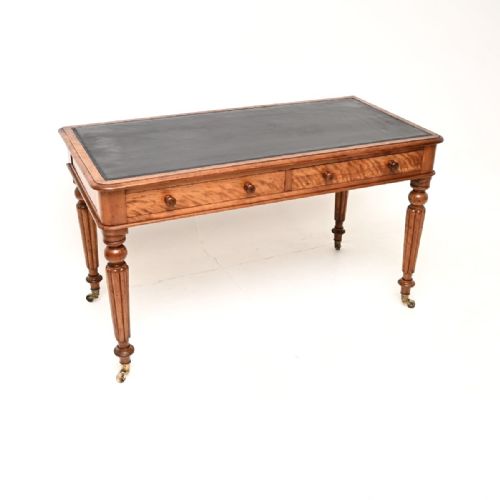
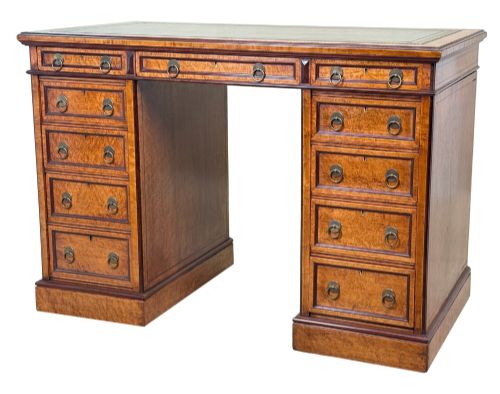
When searching for an antique maple table, buyers encounter a variety of forms spanning the nineteenth and twentieth centuries, including occasional tables, writing desks, and dining tables.
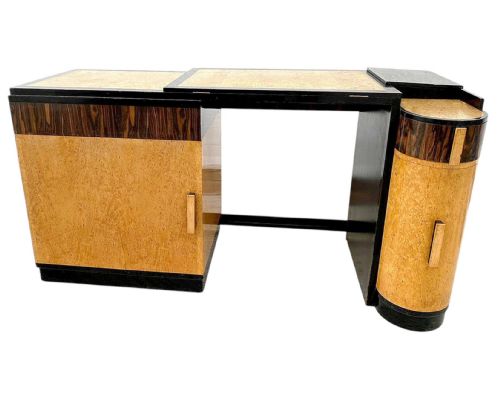
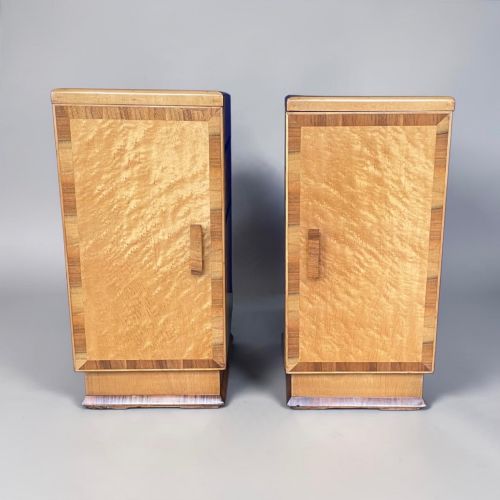
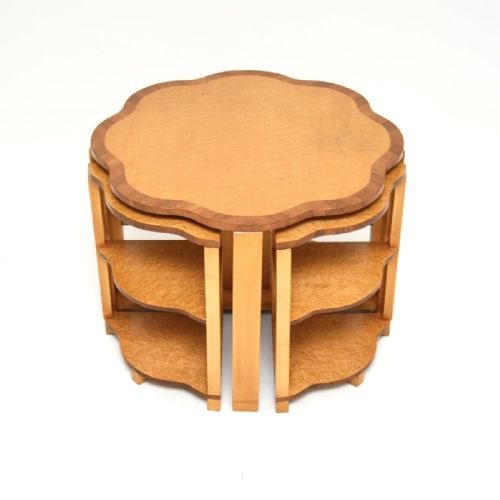
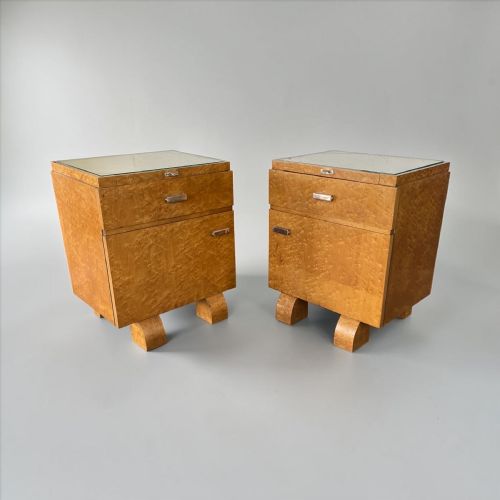
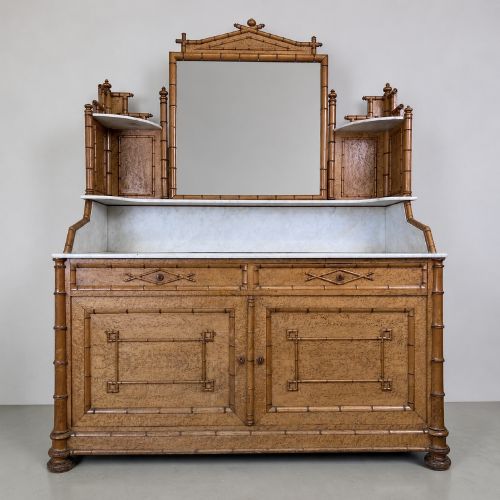
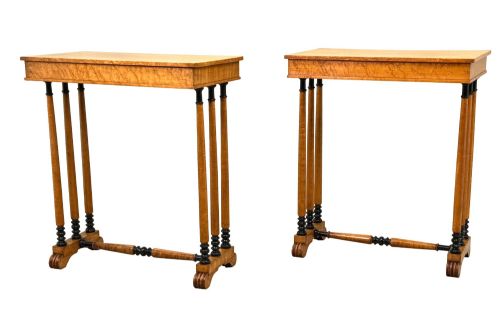
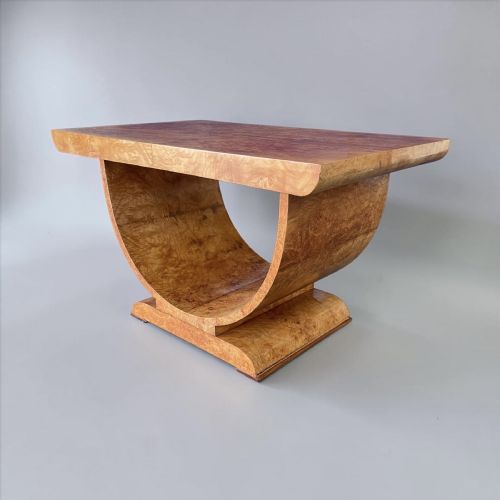
The material appears in several distinct guises, from the shimmering figuring of birdseye maple to the dense patterns of burr root maple, often set within Victorian or Art Deco contexts.
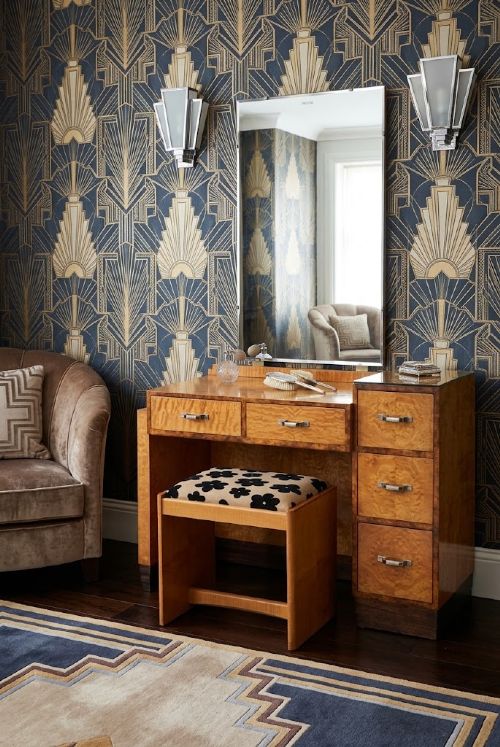
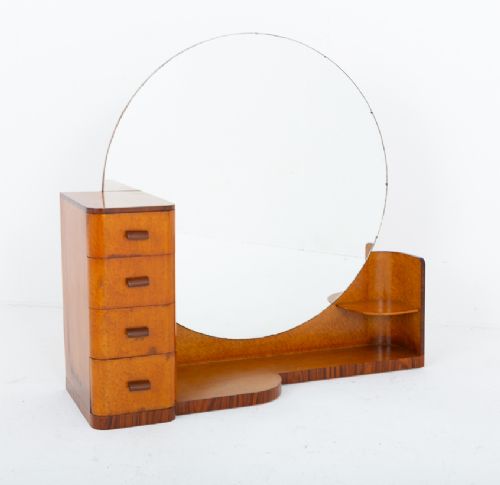
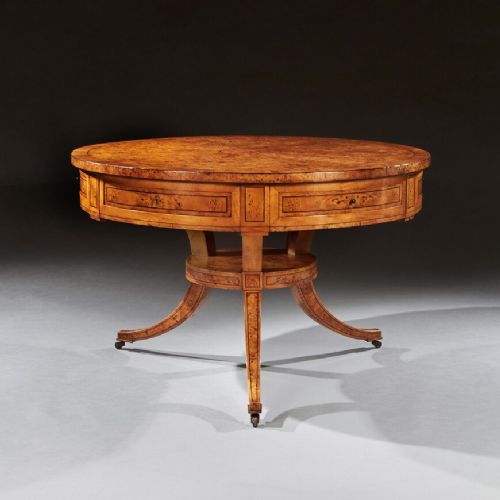
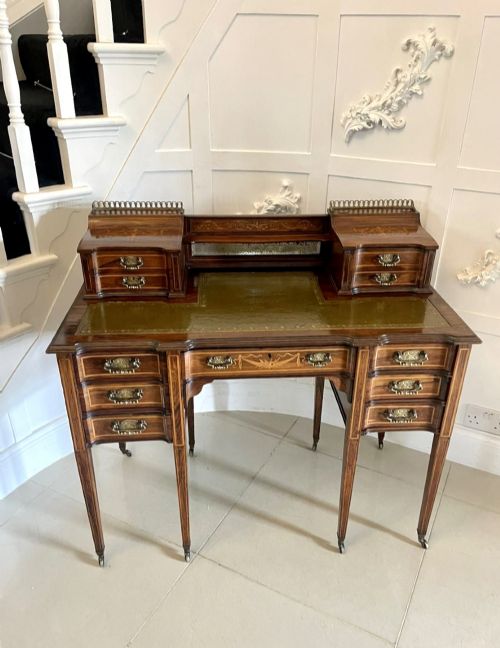
On this page, the most frequent examples range from compact Regency tripod tables and Victorian writing desks to streamlined Art Deco dining suites and coffee tables.
How they were made
Cabinet makers utilised solid maple and decorative veneers, often laying thin sheets of birdseye or burr maple over secondary timbers to showcase the natural figuring of the wood.
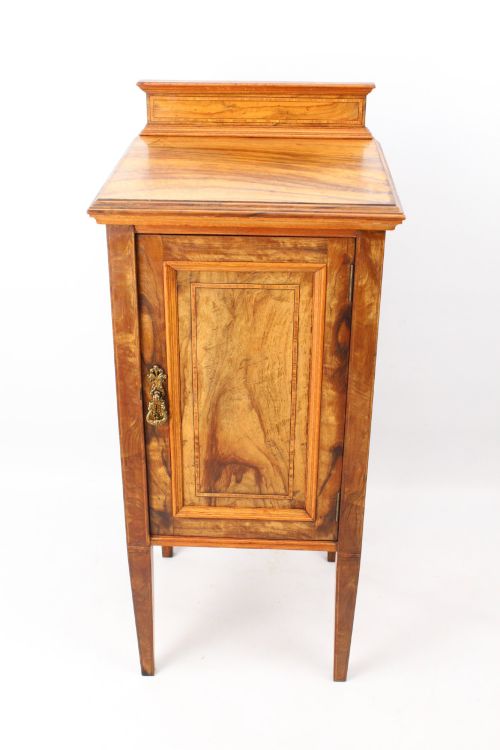
Construction techniques combined traditional joinery with contrasting inlay work, frequently incorporating materials such as mahogany, walnut, satinwood, and brass hardware.
Surface finishes were meticulously rubbed down to protect the pale timber while enhancing the characteristic optical depth of the grain.
Antique Maple Table Retail Price Guide 2026
Typical asking prices for maple table among the pieces listed under this phrase on Sellingantiques today, from the lower quarter to the upper quarter. They describe what is for sale here now, not the wider market.
The listings on this page span the Regency period through to the Art Deco era, featuring work in birdseye maple, burr maple, satinwood, and walnut.
What varies in quality
Quality rests upon the selection and matching of the timber veneers, where symmetrical grain patterns and harmonious colour distribution separate exceptional pieces from ordinary ones.
The precision of the cabinet work, the integrity of the underlying structure, and the retention of original brass fittings or leather inserts define the tier of craftsmanship.
Provenance and maker attribution elevate certain items, particularly those bearing the marks of prominent nineteenth and twentieth-century cabinet makers.
Maple and Co·Edward and Roberts·Hille·Harry and Lou Epstein
The Antique Maple Table Glossary
- Birdseye maple
- A figure in maple wood that resembles tiny, swirling eyes, caused by growing conditions that disrupt the smooth growth of the fibres.
- Tripod table
- A small freestanding table supported by a central pillar above three spreading legs, common in Regency and Victorian rooms.
- Veneer
- A thin slice of decorative timber applied to a sturdier base wood to provide an ornamental surface without structural weight.
- Inlay
- A technique where contrasting materials are embedded into the surface of a piece to form decorative patterns or borders.
Antique Maple Table: Frequently Asked Questions
How do I clean an antique maple table?
Maintenance requires only a soft, dry cloth to remove dust and preserve the polished surface of the pale timber. Avoid modern silicone sprays or excess moisture, which can penetrate historic finishes and damage delicate veneers.
Periodic application of a quality conservation wax helps nourish the wood without building up heavy residues. Keeping the table away from direct sunlight and radiators prevents the maple from drying out and splitting over time.
What styles suit an antique maple table?
The pale, luminous quality of birdseye and burr maple allows these tables to sit comfortably within both traditional period interiors and modern minimalist spaces. Art Deco examples bring geometric flair, while Regency and Victorian pieces add warmth and classical proportion.
Pairing the table with contrasting dark woods or neutral surroundings highlights the distinctive figuring of the grain. They function equally well as standalone centrepieces or integrated functional items in living rooms and studies.
How do I date an antique maple table?
Dating relies on examining the construction methods, timber choices, and stylistic cues present in the design. Regency and early nineteenth-century examples often feature delicate tripod bases or simpler work table formats, while Victorian pieces lean towards heavier pedestal desks and writing tables.
Art Deco versions from the 1930s typically display clean, streamlined silhouettes in blonde birdseye maple, frequently accompanied by matching chairs or cabinets. Maker stamps and structural hardware provide further clues to the exact decade of manufacture.
Are maple tables durable for daily use?
Maple is a dense and hard domestic timber, making these tables robust enough for regular household tasks when treated with reasonable care. Writing desks, occasional tables, and dining furniture were built to withstand active daily service.
Using coasters, placemats, and protective pads safeguards the historic polish against heat and moisture marks. With sensible precautions, these tables transition easily from decorative display to practical daily service.