
Antique Mantelpiece Figures
These antique mantelpiece figures bring domestic interiors alive with bronze casts, glazed ceramics and sculpted metal standing proudly upon the hearth.
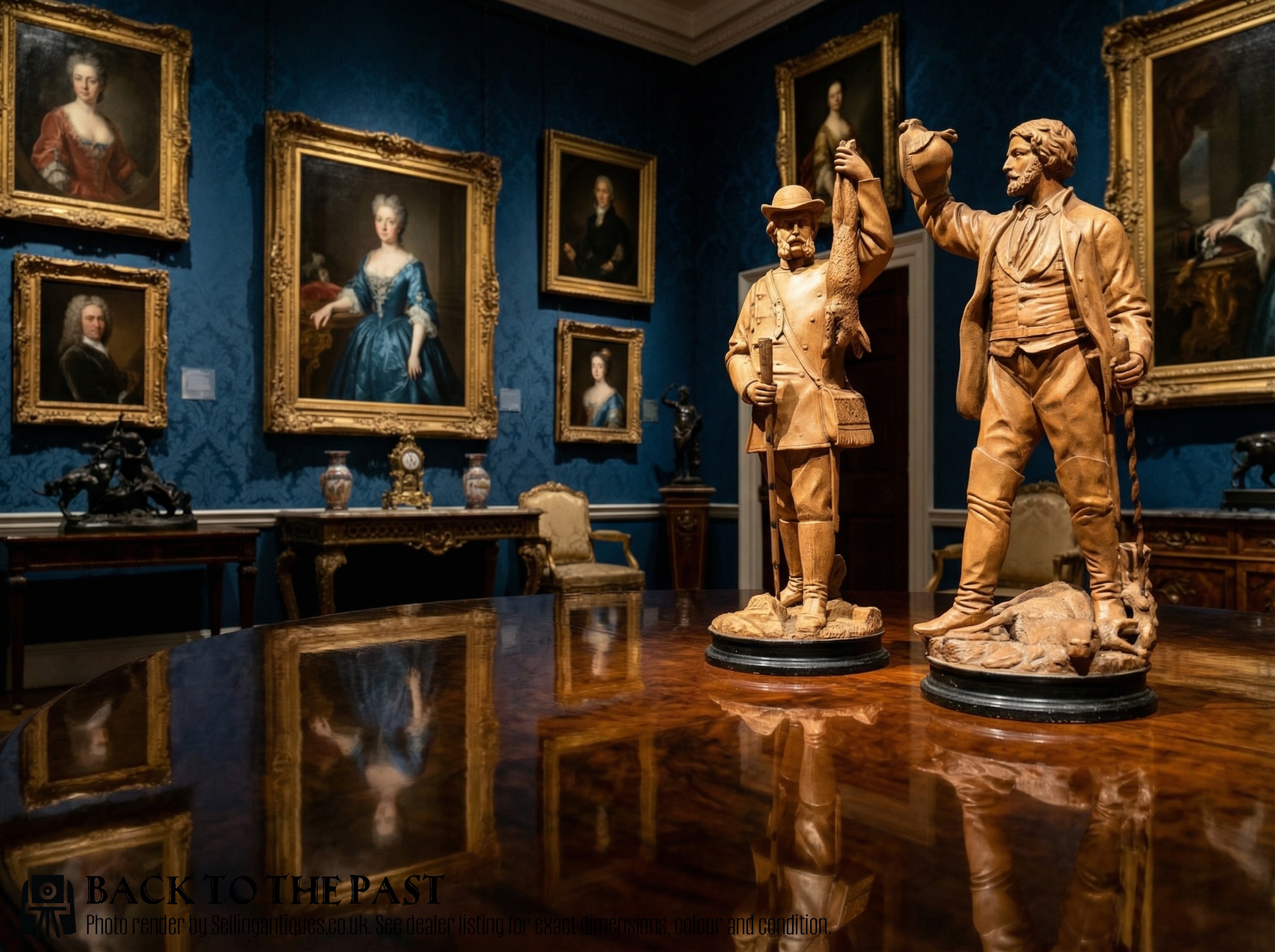
Antique Mantelpiece Figures
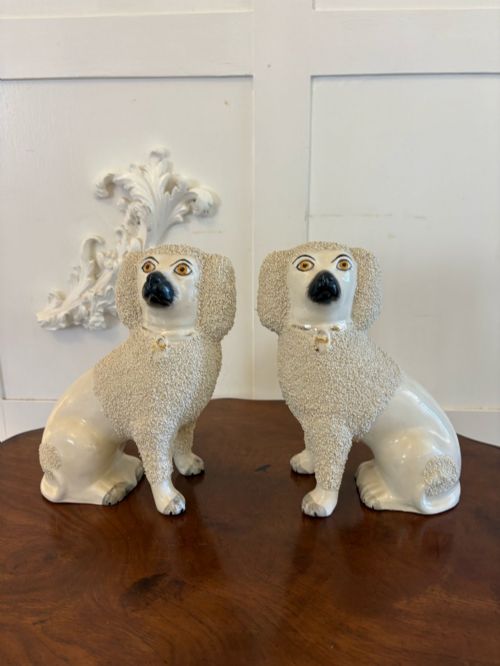
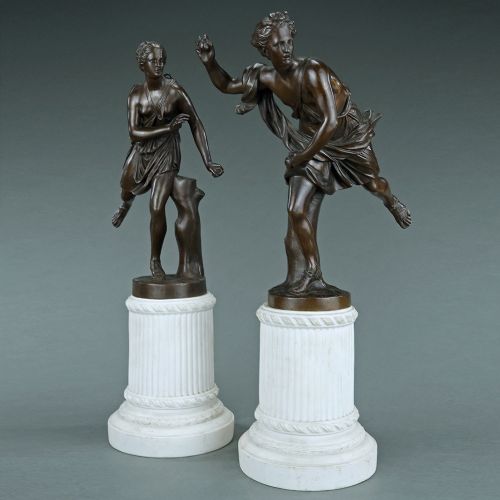
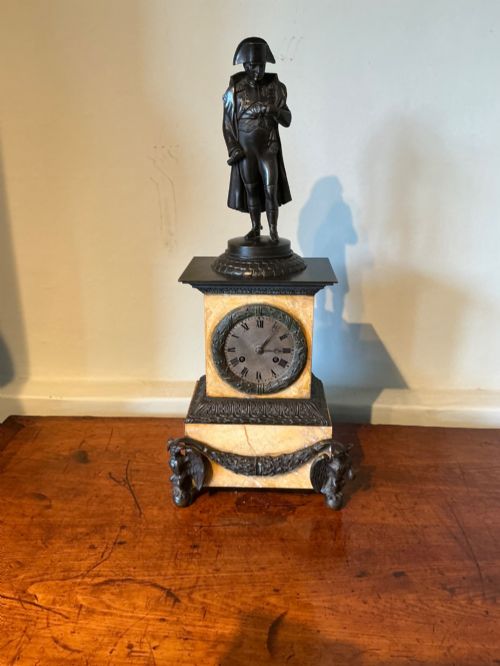
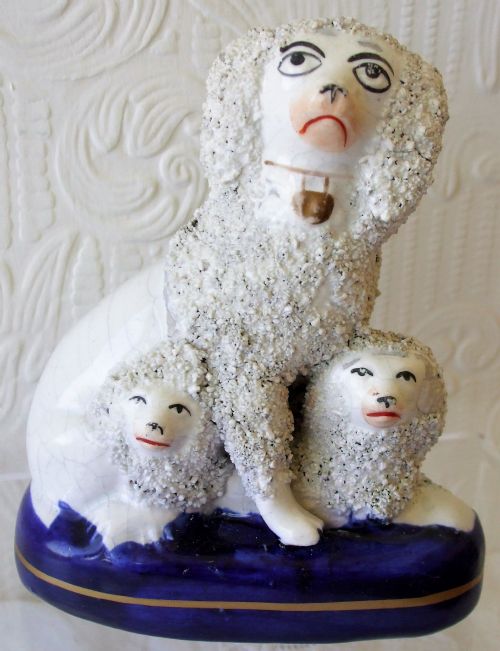
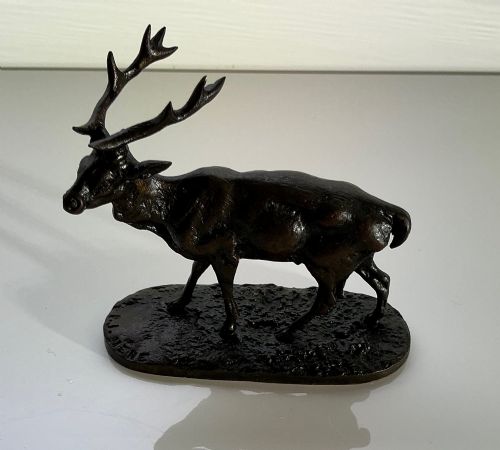
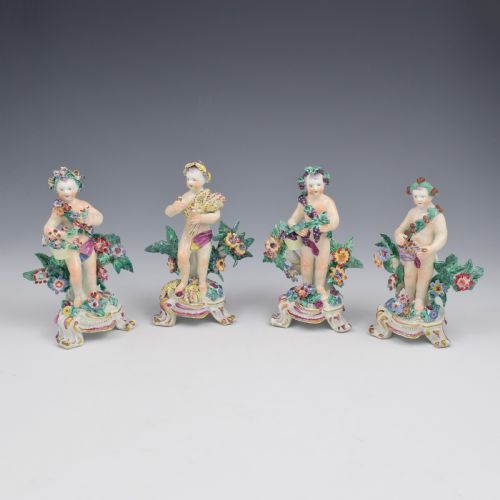
When you search for antique mantelpiece figures, you encounter sculptural objects designed specifically to ornament the fireplace. These pieces include earthenware portrait groups, bronze animal studies, porcelain figurines, and figural clock cases originating from the nineteenth and early twentieth centuries.
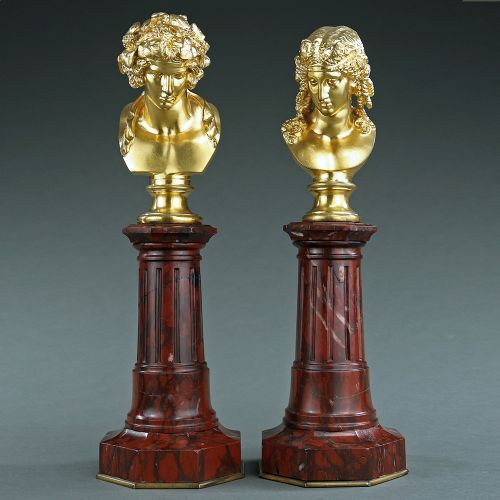
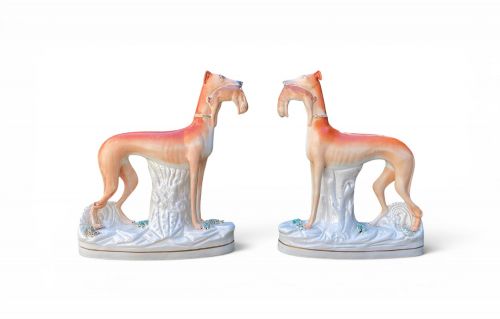
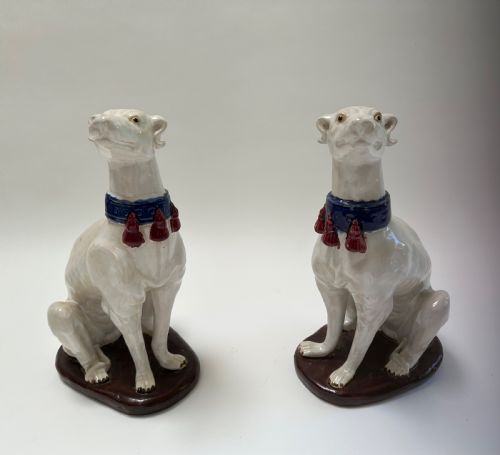
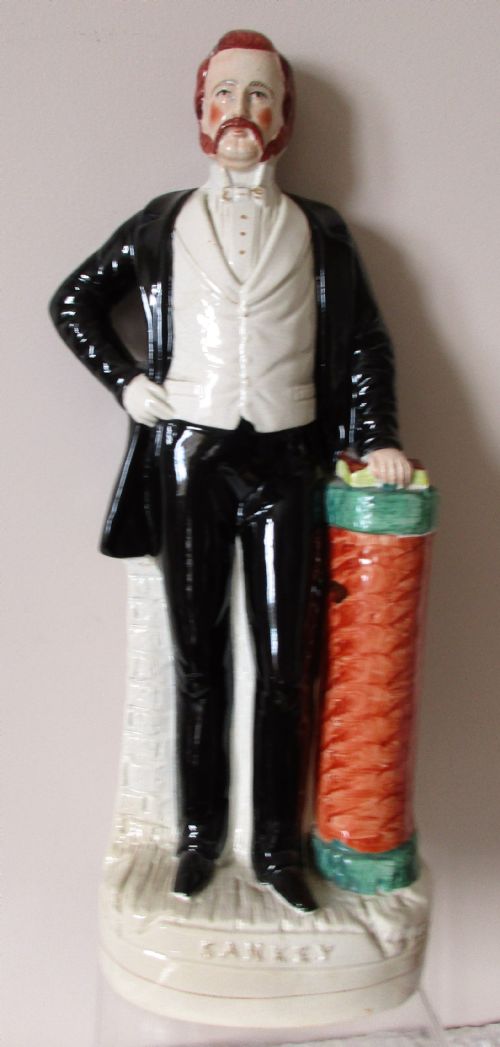
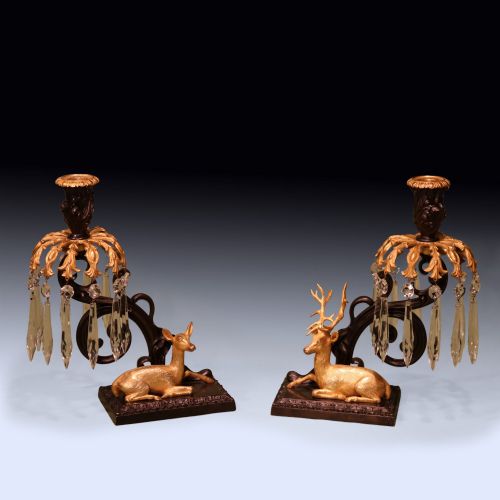
Staffordshire pottery figures and French bronze casts dominate the selection, offering everything from poodles and greyhounds to classical busts and historical personages. You also find practical variations such as spill vases, candelabras, and chimney ornaments sharing the same decorative purpose.
The periods represented stretch from Regency and Victorian iterations through to Art Deco designs of the nineteen-thirties. Whether executed in glazed ceramic or gilt metal, each object reflects the aesthetic priorities of its respective decade.
Materials and construction
Pottery and earthenware examples rely on moulded clay finished with lead glaze, enamel, or copper lustre, often hand-painted in vibrant pigments. Staffordshire potters shaped these figures in two-part moulds before firing and glazing the earthenware bodies.
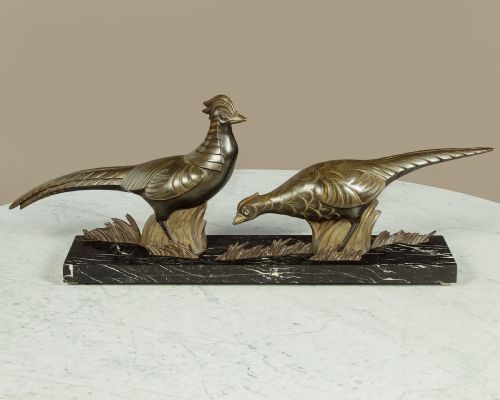
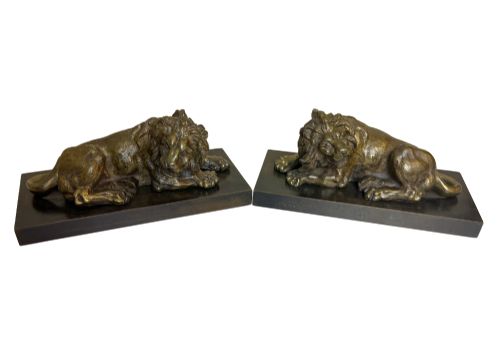
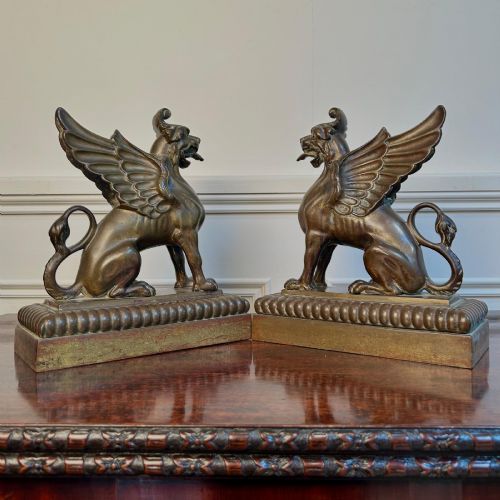
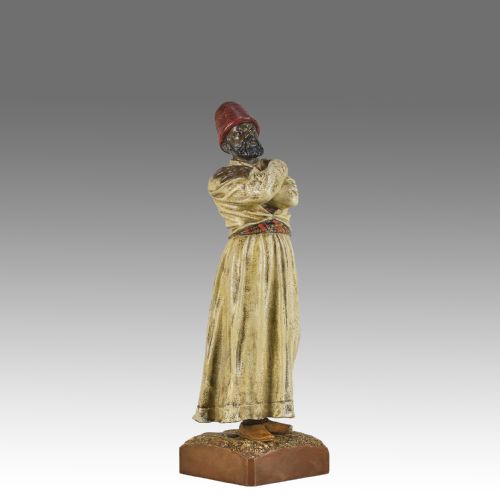
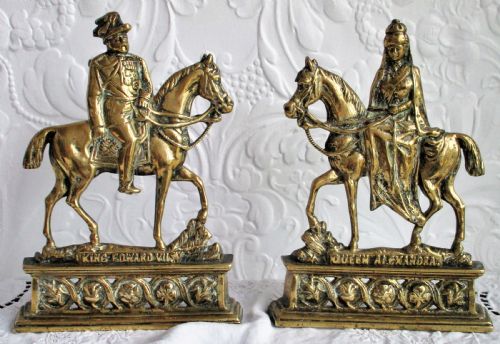
Metal pieces utilise bronze, brass, spelter, and ormolu, sometimes enhanced with cold-painting or gold leaf. Founders employed the lost-wax method for fine bronze sculptures, while spelter offered a more accessible metal alternative for decorative figures and mantel clocks.
Whirling dervishes and golden pheasants share the mantelpiece with earnest Victorian poodles and stoic historical monarchs.
Distinctions in quality
In metalwork, the weight of the bronze, the sharpness of the chiselling after casting, and the depth of the gilding or patination determine the distinction between ordinary foundry output and masterworks.
Barbedienne·Franz Bergman·PJ Mene·Emile-Coriolan Guillemin·Edouard Drouot·Volkstedt Richard Eckert
The Antique Mantelpiece Figures Glossary
- Spelter
- A zinc alloy frequently used in the nineteenth and twentieth centuries as a cheaper substitute for bronze. It takes patination well to simulate heavier metals.
- Spill vase
- A hollow ceramic figure incorporating a small cylinder designed to hold tapered wooden spills for lighting fires or pipes. These dual-purpose items were common on Victorian mantelpieces.
- Flatback
- A Staffordshire pottery figure moulded with a flat, undecorated rear side intended to stand flush against a wall. This technique saved time and materials during production.
- Ormolu
- Gilt bronze produced by applying a finely ground mercury-gold amalgam to a bronze base and heating it. This French decorative technique creates a rich golden finish.
- Cold-painted
- A method where enamel paint is applied to a metal object without subsequent firing in a kiln. Franz Bergman utilised this technique extensively on Austrian bronzes.
Antique Mantelpiece Figures: Frequently Asked Questions
What periods do these figures cover?
The selections span the nineteenth and early twentieth centuries, encompassing Victorian, Regency, and Art Deco aesthetics.
You encounter nineteenth-century Staffordshire pottery alongside Art Deco spelter sculptures and French bronzes from the eighteen-eighties.
How were chimney ornaments used?
Chimney ornaments sat upon the mantelpiece to decorate the hearth, often framing a central clock or mirror.
Some pieces, such as spill vases and candelabras, served practical functions alongside their ornamental presence in the room.
Are Staffordshire figures made of porcelain?
Most traditional Staffordshire mantelpiece ornaments utilise earthenware pottery rather than true porcelain.
Potters moulded and glazed these clay figures, applying enamel colours or copper lustre before a final kiln firing.
How do I distinguish bronze from spelter?
Bronze is heavier, denser, and carries a warmer patination that resists scratching compared to zinc-based spelter.
Spelter figures are lighter in weight and frequently show a painted or electroplated surface finish rather than a natural bronze patina.