
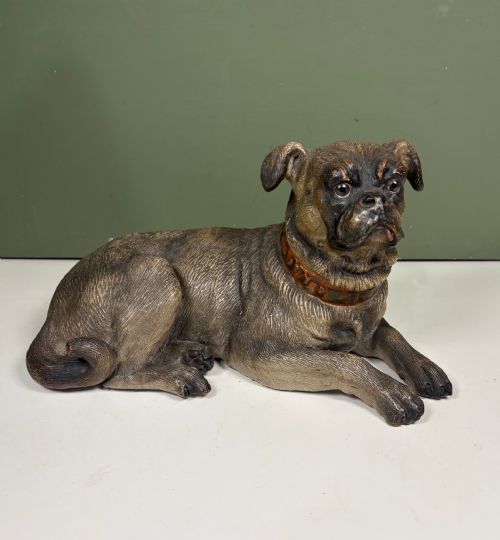


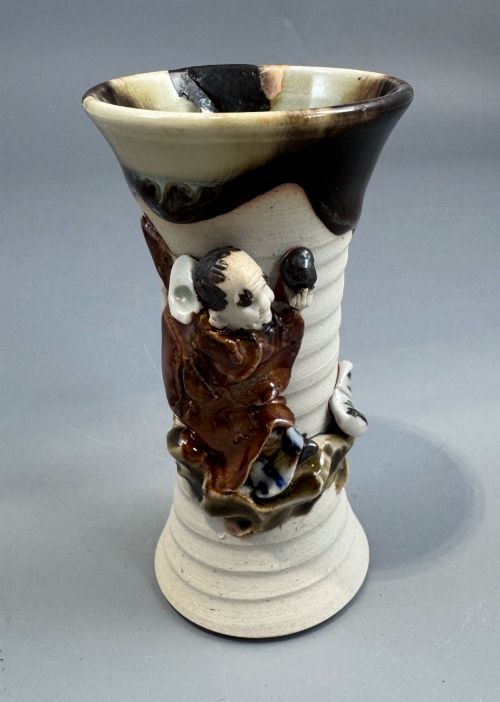


Brown Pottery Figures
Brown pottery figures span centuries and continents, bringing character to a room through modelled earthenware, stoneware and terracotta.
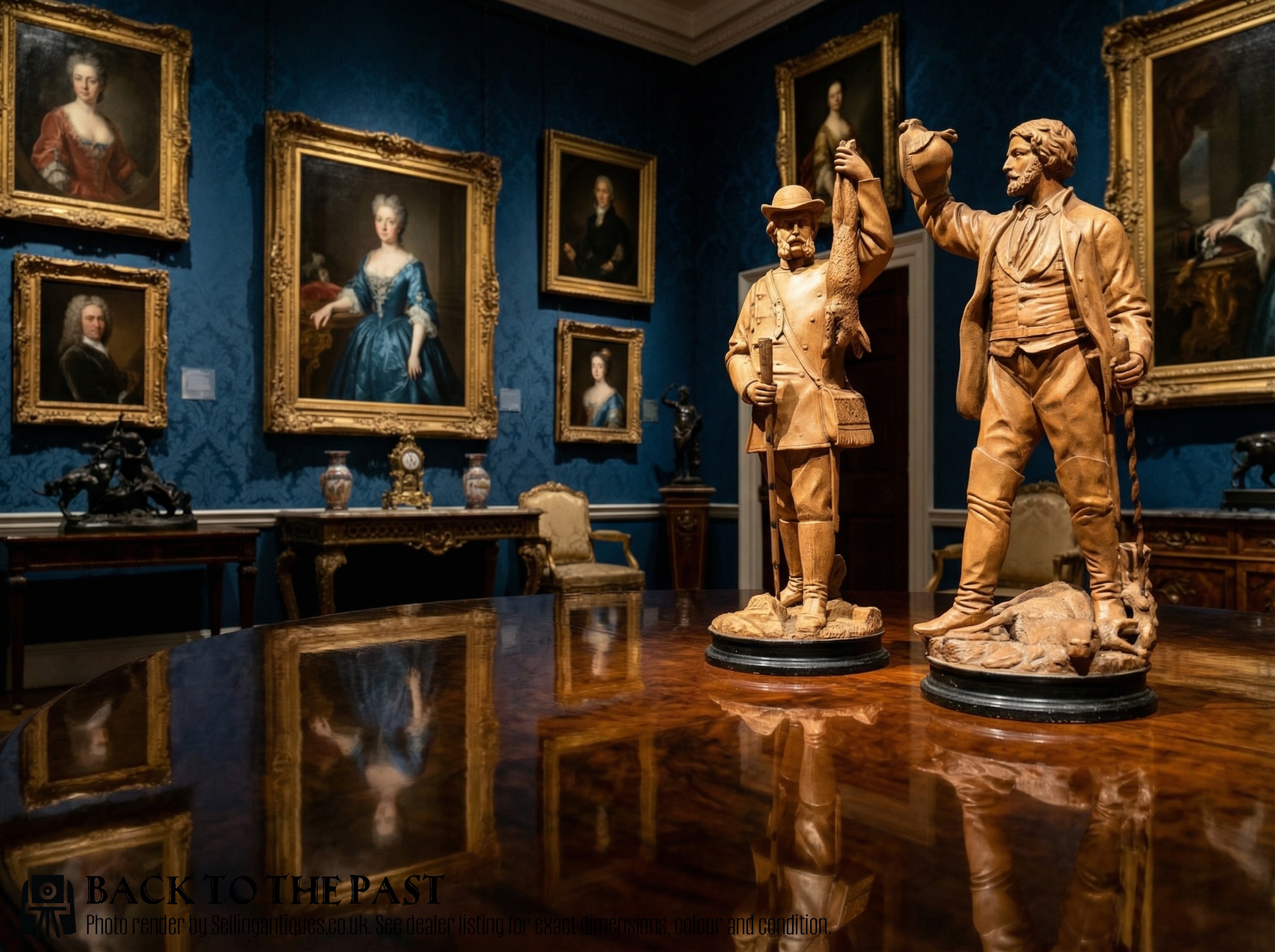
Brown Pottery Figures
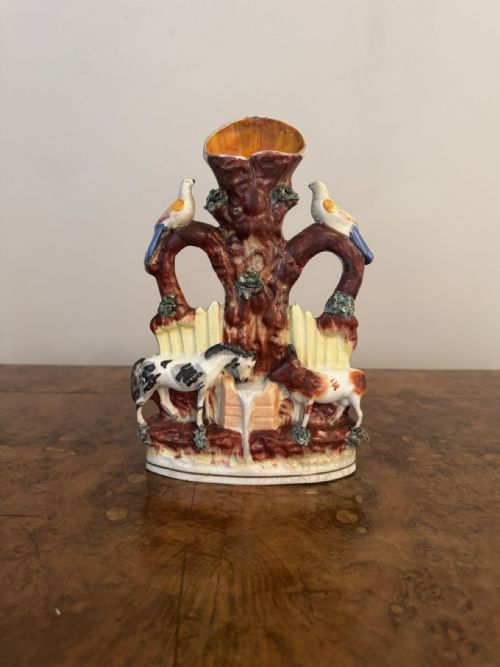
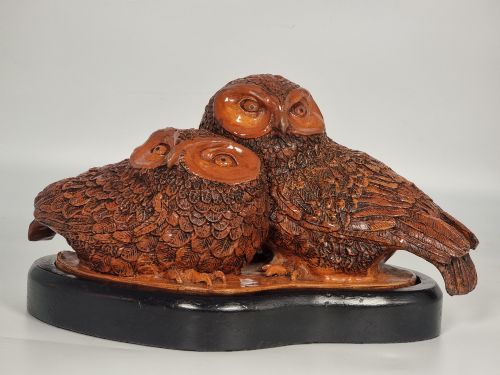
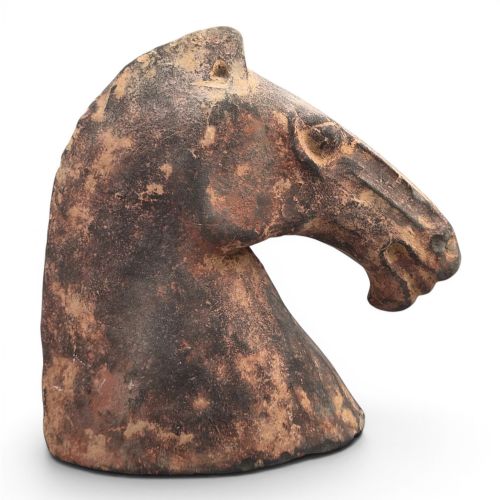
Brown pottery figures encompass a broad sweep of sculptural ceramics, ranging from Victorian Staffordshire dogs and lions to Chinese Shiwan animal figures and ancient terracotta pieces. When searching for brown pottery figures, collectors frequently encounter Staffordshire earthenware animals, including spaniels, greyhounds and pugs, alongside Asian stoneware and earthenware sculptures.
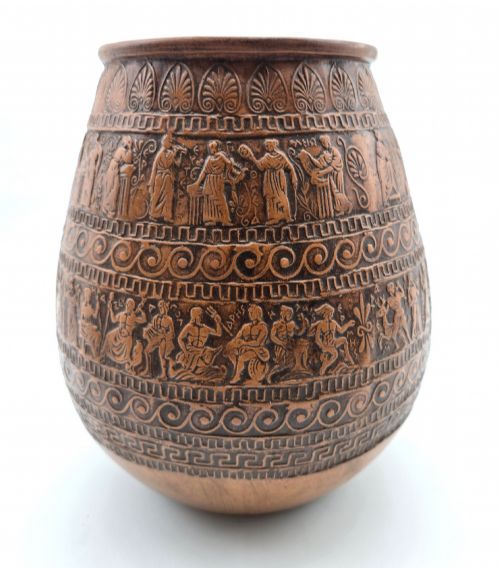
The objects extend from decorative mantel ornaments and spill vases to large tomb figures and classical vessels. Pieces arrive from periods spanning pre-sixteenth century examples up to early twentieth-century works, reflecting diverse global ceramic traditions.
Materials and Working Methods
Makers utilised earthenware, stoneware and terracotta, shaping the clay by hand, moulding or casting before firing. Surfaces received lead glaze, treacle glaze, enamel or sancai finish to seal the ceramic body and provide colour.
Potteries such as Staffordshire works, Rockingham and Asian kilns applied these glazes to highlight modelled details on lions, dogs, human figures and mythological subjects. Subsequent firing fixed the glaze, producing the rich brown tones characteristic of these pieces.
Several Staffordshire greyhounds hold dead hares in their mouths, adding a remarkably grim touch to nineteenth-century mantelpiece decor.
Assessing Quality and Execution
The distinction also lies in the fidelity of the expression and the integrity of the ceramic body. Superior sculptures maintain structural balance and clear character in the faces of animals or human subjects.
Rockingham Pottery·Inoue Ryōsai Workshop·Lancaster and Sons·Goldscheider·Rozenburg
The Brown Pottery Figures Glossary
- Treacle glaze
- A rich, dark brown lead glaze that produces a glossy, molasses-like surface appearance. Potters applied this extensively on nineteenth-century figures and lions.
- Staffordshire
- A major English ceramic producing region known for earthenware figures, animals and spill vases. These factories turned out vast numbers of mantel ornaments.
- Terracotta
- Fired unglazed or glazed clay of a brownish-red colour. Sculptors utilised this porous material across various ancient and European traditions.
- Spill vase
- A hollow ceramic holder designed to hold wooden spills for lighting fires or pipes. Figures frequently incorporate these vases beside animal models.
- Stoneware
- A dense, hard ceramic fired at high temperatures until vitrified. This body resists moisture and forms robust figures and vessels.
Brown Pottery Figures: Frequently Asked Questions
Were Staffordshire dogs meant for display?
Staffordshire spaniels and greyhounds served primarily as decorative mantel ornaments in Victorian homes. Owners typically arranged pairs on either side of a fireplace or on a shelf.
Some variants functioned as spill vases to hold wooden tapers for lighting lamps and hearths. Their cheerful presence brought domestic comfort to nineteenth-century parlours.
How can I tell nineteenth-century figures apart?
Examine the base, weight and glaze characteristics to differentiate eras. Nineteenth-century Staffordshire pieces often feature flat backs, vent holes and hand-painted details beneath a clear lead or treacle glaze.
Heavier stoneware and terracotta sculptures from the period display different clay bodies and surface treatments. Comparing the modelling style against documented factory examples helps confirm origins.
Are all brown pottery figures English?
These figures originate from diverse regions and historical periods. While English potteries produced large quantities of Staffordshire animals, Asian kilns manufactured Shiwan lion dogs and terracotta figures.
European workshops also contributed terracotta and earthenware sculptures. Each tradition employed distinct local clays and glazing techniques.