
Antique Mantel Bracket Clock
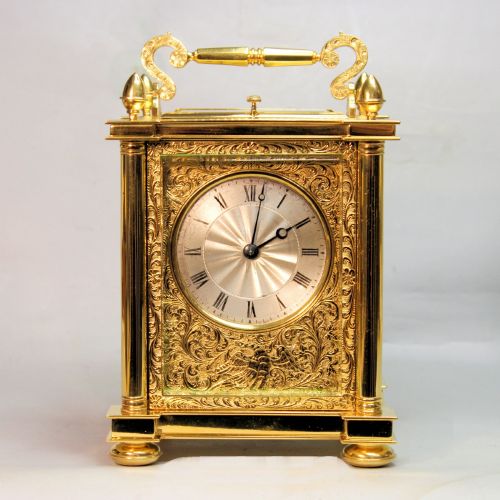
An antique mantel bracket clock sits on a surface, measuring time through gears and springs inside a polished wooden or ormolu case.
Antique Mantel Bracket Clock
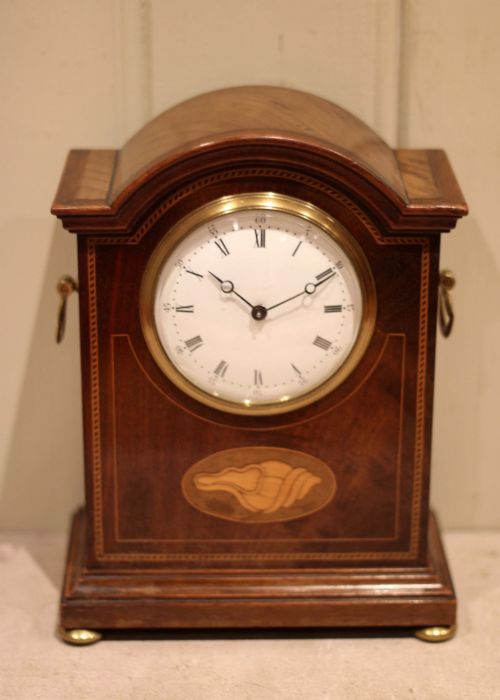
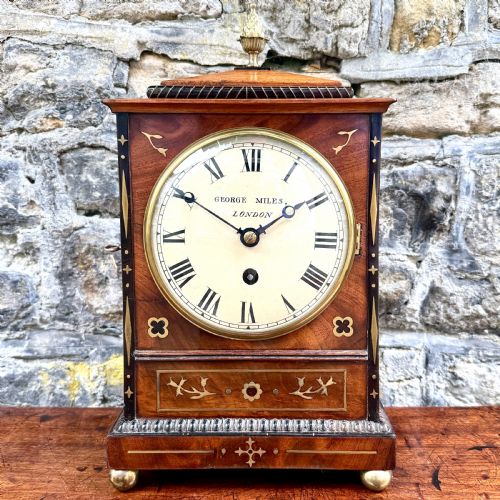
An antique mantel bracket clock is a portable timepiece designed for domestic use on tables, shelves, or wall brackets, combining mechanical precision with decorative cabinetry. The form encompasses traditional English fusee clocks alongside continental variations from periods spanning the seventeenth to the early twentieth centuries.
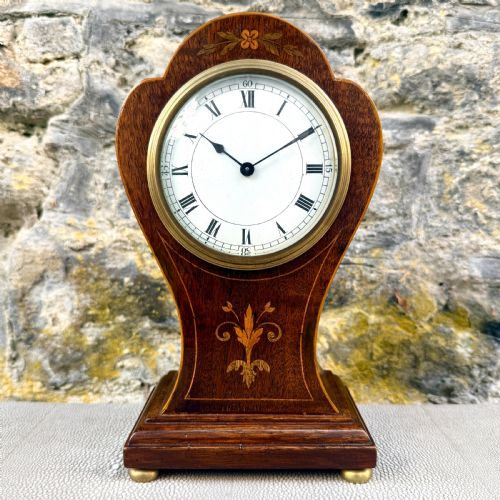
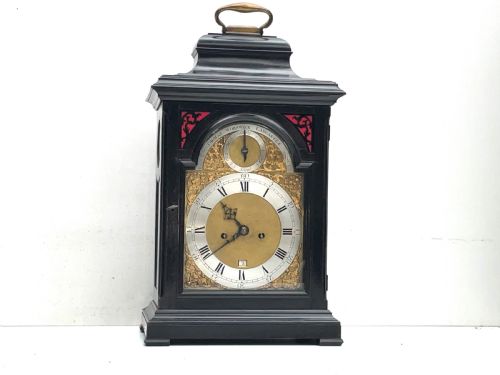
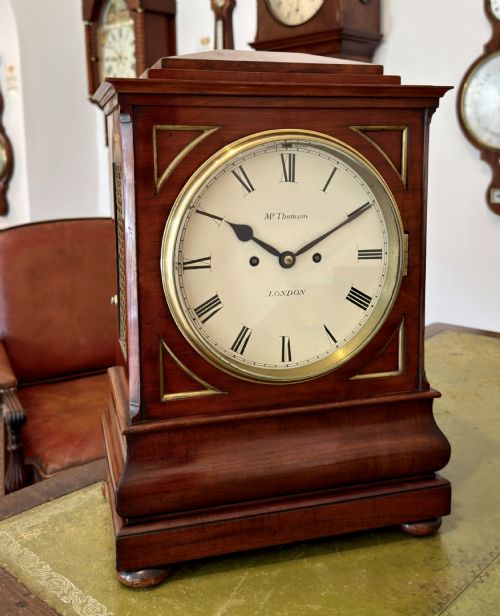
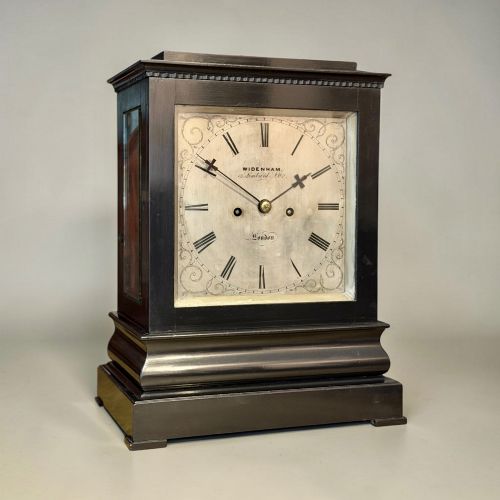
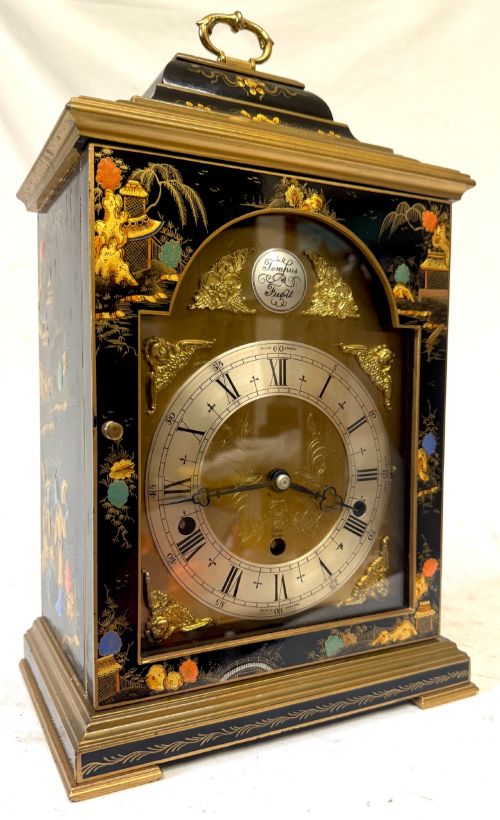
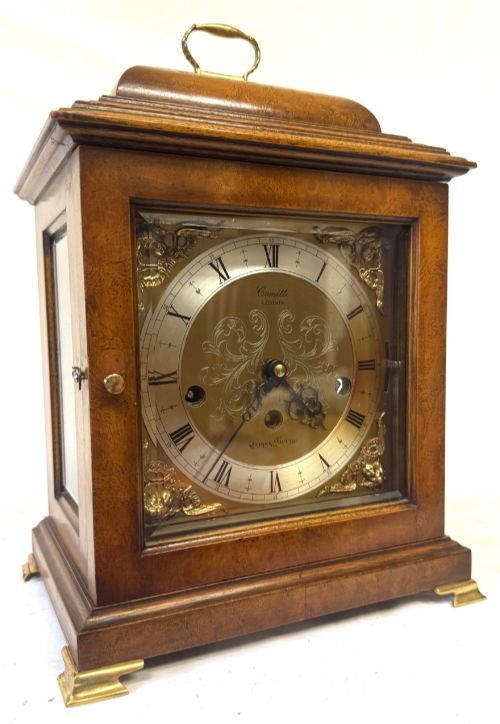
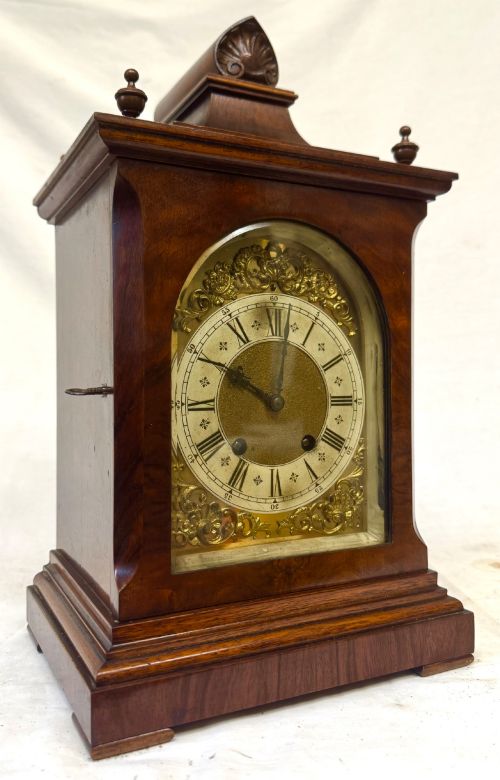
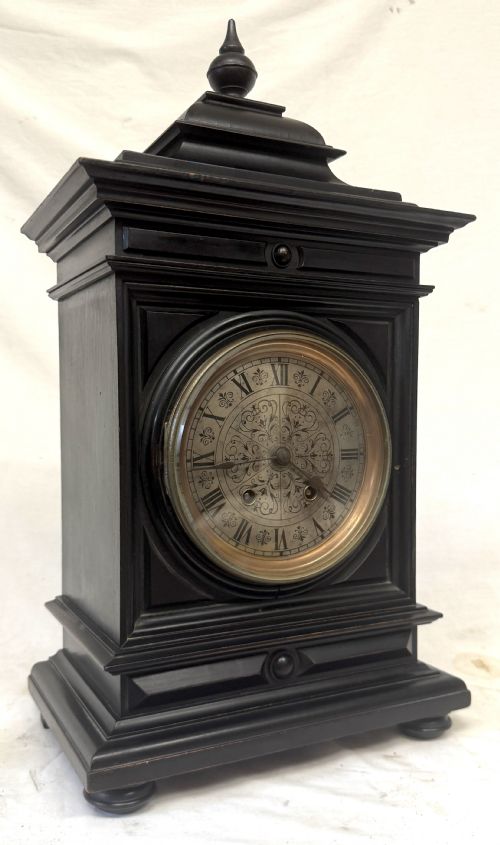
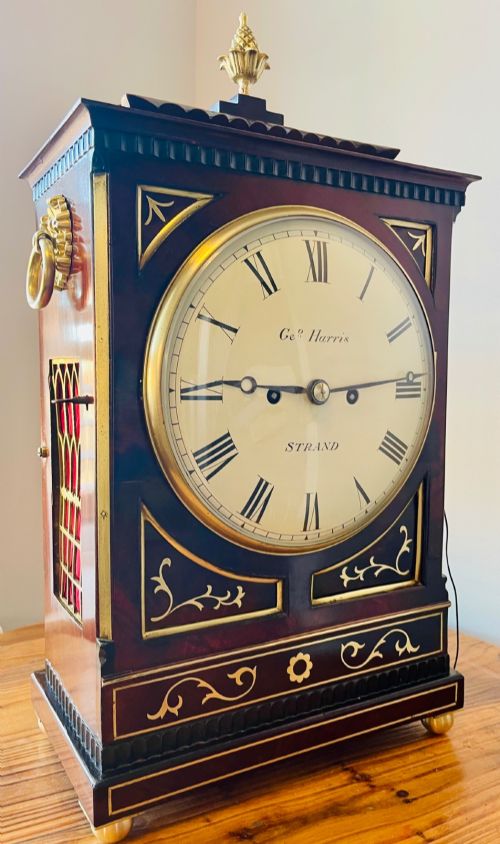
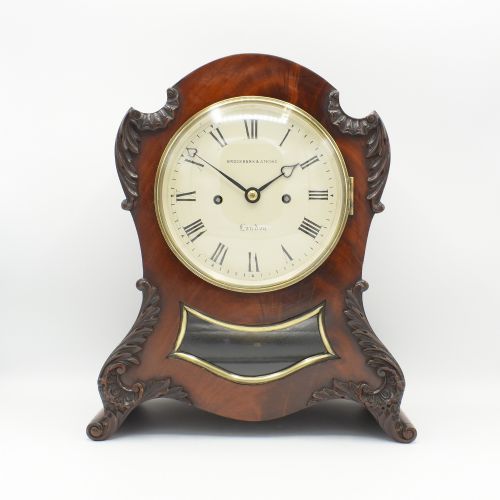
Mahogany, walnut, and ebonised wood appear frequently in the case construction, often paired with brass dials, silvered chapters, or glazed panels. Variations range from small balloon shapes and library clocks to imposing triple-fusee and architectural designs.
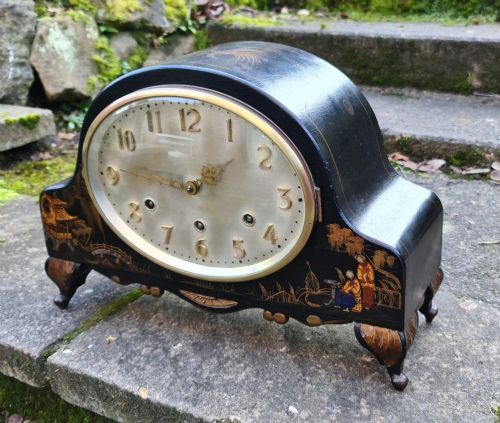
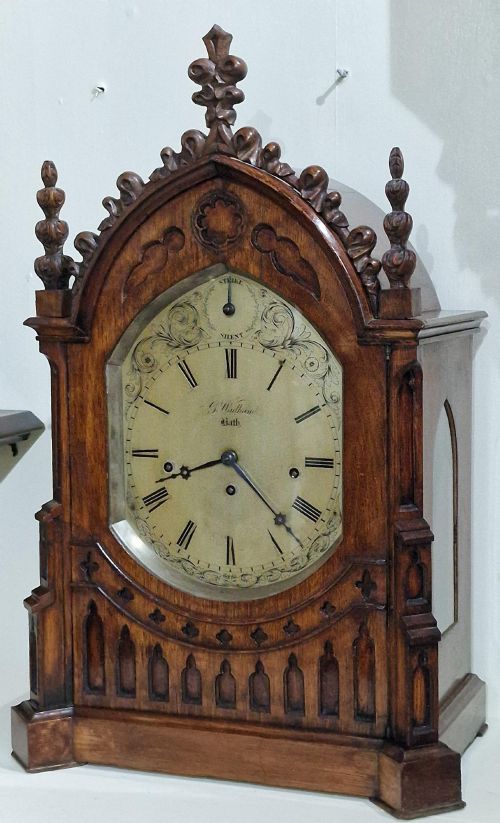
Georgian and Regency examples sit alongside Victorian, Edwardian, and French nineteenth-century pieces on this page. These clocks originated as robust timekeepers for wealthy households and municipal settings before evolving into ornamental furnishings.
How they were made
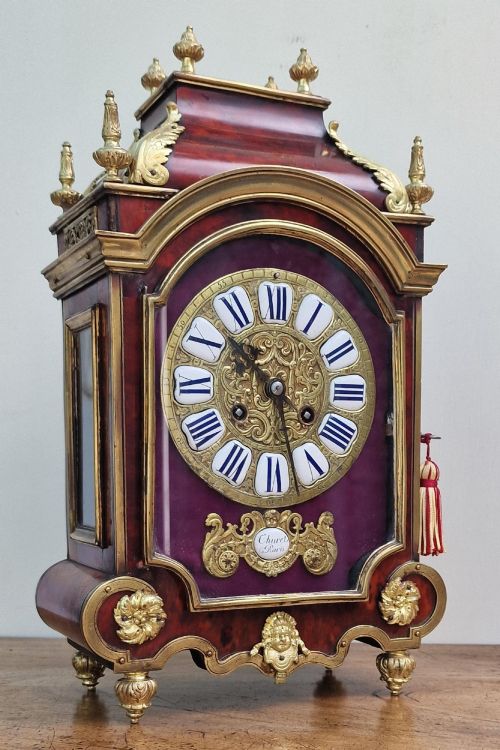
Cabinetmakers constructed the wooden housings using timbers such as mahogany, oak, walnut, and rosewood, frequently incorporating marquetry, inlay, or tortoiseshell finishes. Ormolu mounts and brass detailing added structural framing and decorative contrast to the timber cases.
Horologists fitted mechanical movements driven by fusee or spring mechanisms, utilising brass gears, enamel or silvered dials, and protective glass bezels. Intricate work by makers involved precision cutting of escapements, chimes, and striking trains to ensure accurate timekeeping.
A cuckoo springs from the dial of at least one walnut mantel bracket clock on this page.
What varies in quality
The refinement of the movement mechanics separates standard production timepieces from superior examples, seen in the complexity of fusee setups and quarter-striking capabilities. Precision in escapement design dictates how steadily the gear train regulates the transfer of power.
The choice of cabinet timber and the execution of decorative elements determine visual hierarchy among pieces. Finely figured mahogany, intricate brass inlay, and well-preserved tortoise-shell or ormolu mounts elevate the status of a clock.
Thomson of London·Widenham of London·Cousens & Whiteside·Lenzkirch·George Wadham·Thuret·Brockbanks & Atkins·William Gard·Mappin & Webb·Webster·Barwise·Charles Pratt·Barber & North·Thomas Jackson·John Spershott·Frodsham·John Grant·P Forrester Hull·James Voak·Greening
The Antique Mantel Bracket Clock Glossary
- Fusee
- A conical pulley used in mechanical clocks to maintain an even pull on the movement as the mainspring unwinds. This device compensates for the decreasing tension of the spring over time.
- Verge movement
- An early form of escapement controlling the release of the gear train via a crown wheel and pallet crossbar. It represents a traditional mechanical arrangement found in older timepieces.
- Ormolu
- Gilded bronze applied to clock cases for decorative ornamentation. This technique provides a bright metallic finish against dark wooden surfaces.
- Silvered dial
- A metal clock face treated to produce a textured silver finish beneath the chapter numerals. These dials offer high legibility and contrast against brass bezels.
Antique Mantel Bracket Clock: Frequently Asked Questions
What is an antique mantel bracket clock?
An antique mantel bracket clock is a portable mechanical timekeeper housed in a decorative wooden, brass, or tortoiseshell case. These objects were built for domestic interiors to stand on furniture or designated wall brackets.
The pieces combine horological engineering with period cabinetmaking, featuring movements driven by springs and fusees. Examples range from simple timepieces to complex quarter-striking instruments.
How do I identify the period?
Period identification relies on matching case styles, timber choices, and dial characteristics to documented historical eras. Georgian and Regency pieces often feature clean mahogany cases, while Victorian examples introduce heavier ebonised wood or elaborate marquetry.
Maker signatures inscribed on dials or movements provide further chronological markers. Architectural details such as Gothic Revival arches or Edwardian inlay place pieces within specific decades.
Where were these clocks placed?
These clocks were designed for prominent domestic spaces where guests and family members gathered. They stood upon mantelpieces, tables, chests of drawers, or dedicated wooden wall brackets.
The portable nature of bracket clocks allowed owners to move them between rooms as needed. Wall mounting also kept the mechanism level and secure in larger rooms.
How do mechanical movements work?
Mechanical movements rely on wound spring power regulated by an escapement and pendulum or balance wheel. The gear train translates this stored energy into steady rotations that drive the hands across the dial.
Striking and chiming trains use additional gear systems to ring bells or gongs at set intervals. Fusee mechanisms regulate the mainspring force to ensure consistent timekeeping as power diminishes.