

Antique Male Oil Painting
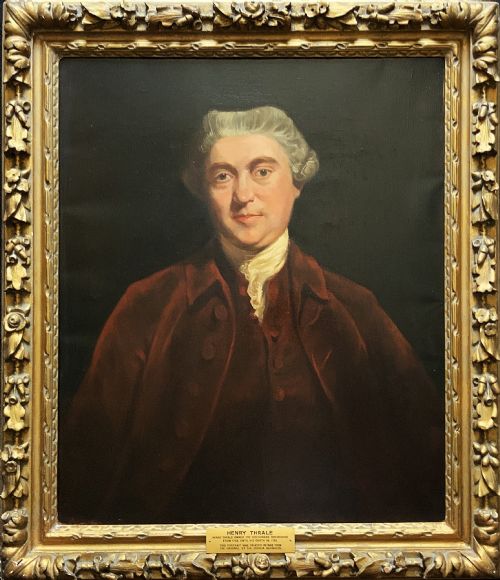
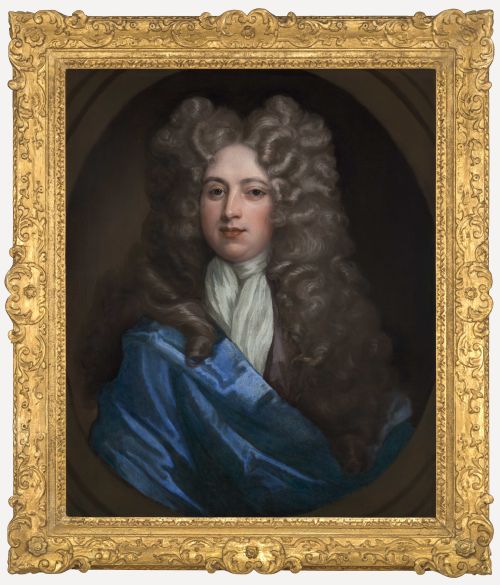
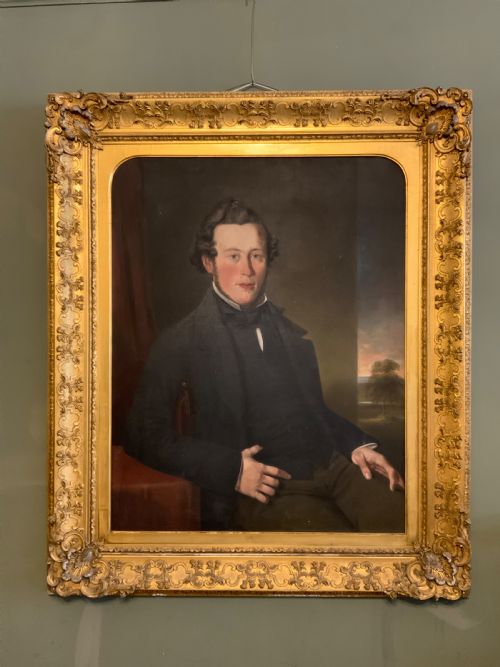
An antique male oil painting captures the likeness, status and character of gentlemen from past centuries through pigment and canvas.
Antique Male Oil Painting
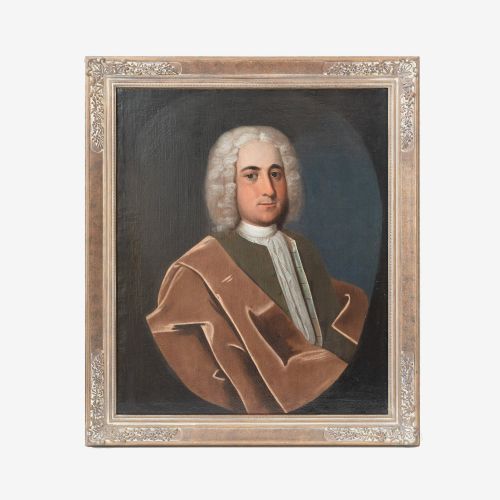
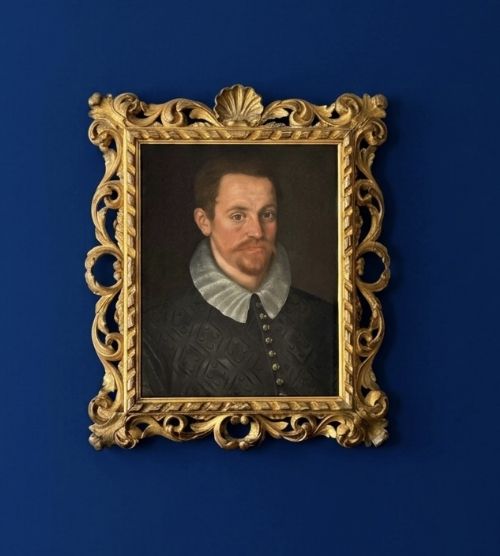
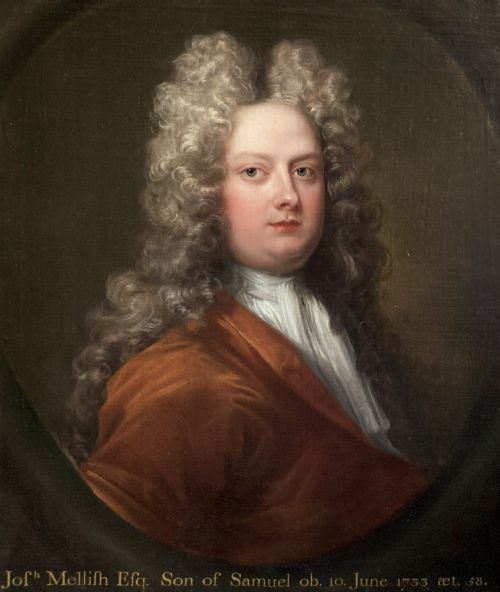
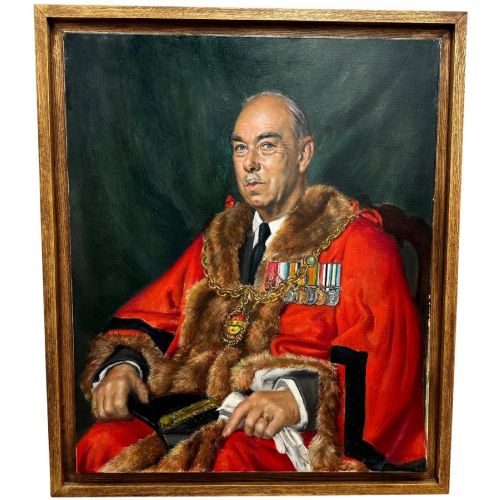
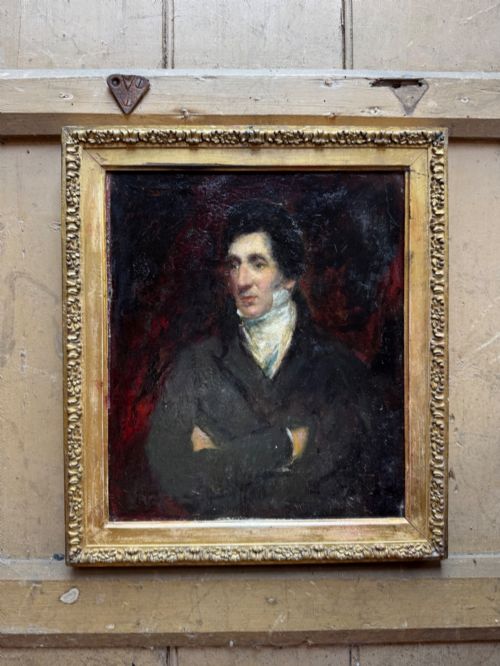
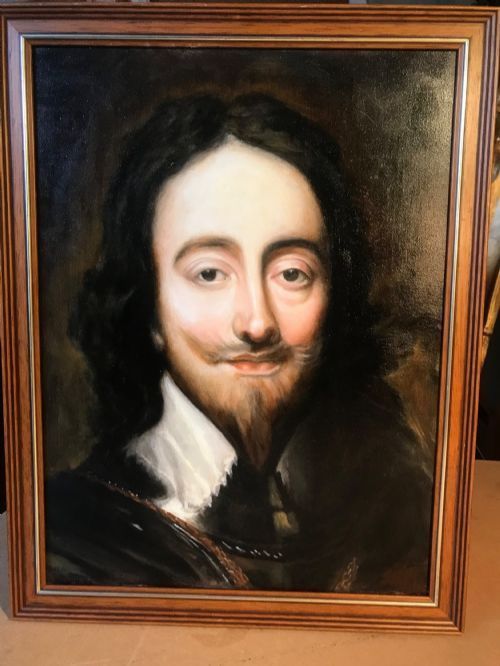
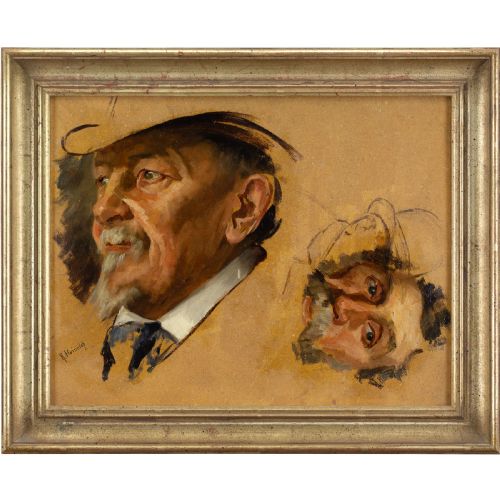
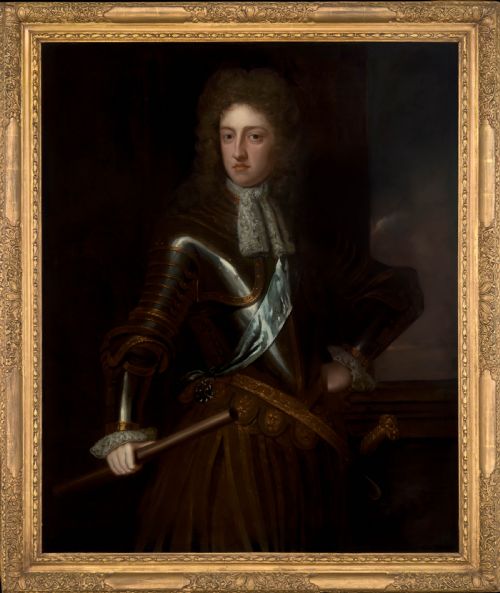
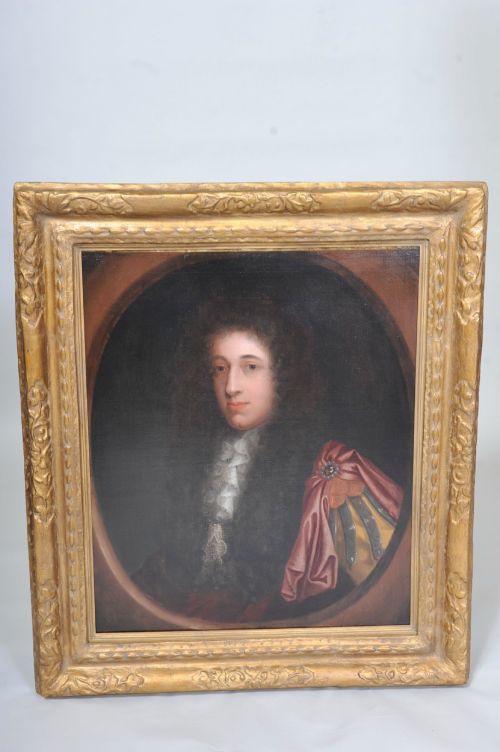
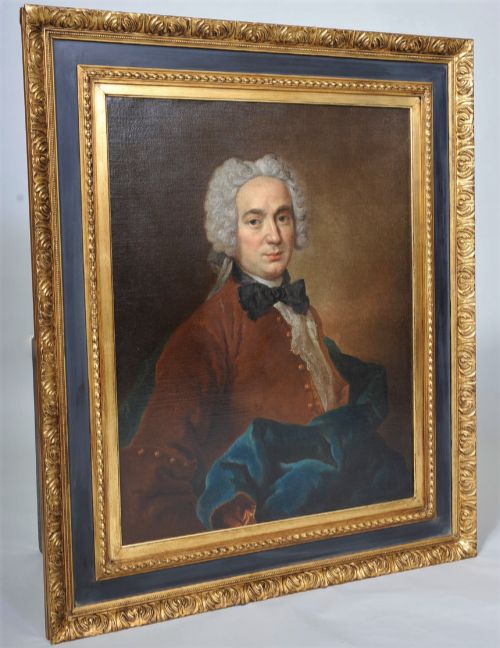
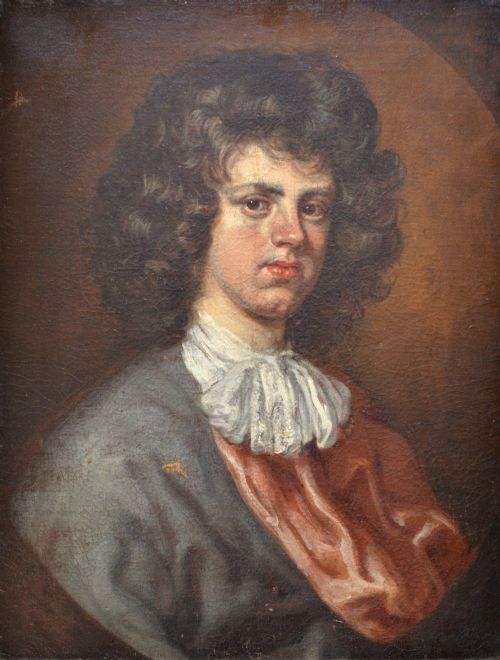
An antique male oil painting typically portrays a known historical figure, a gentleman, or a sitter from the 17th, 18th, or 19th century. These works range from formal studio portraits in elaborate attire to intimate portrait studies executed in oil on canvas, board, or wood.
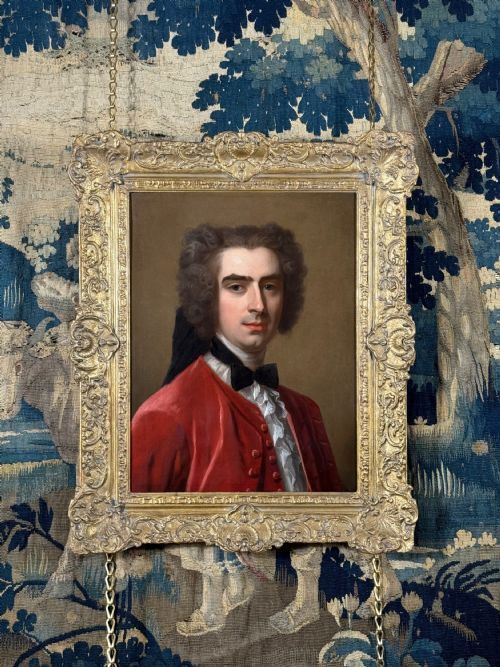
The selection on this page includes English, Scottish, Dutch, and German school paintings spanning the Baroque, Georgian, Regency, and Victorian periods. Sitters appear in periwigs, doublets, cloaks, and scarlet jackets, reflecting their contemporary fashion and social standing.
How they were made
Artists built these portraits using oil paint applied to stretched canvas, wooden panels, or board, often set within period frames of giltwood or carved wood enriched with gold leaf. Painters layered translucent glazes over opaque underpaintings to render skin tones, fabrics, and dramatic lighting effects.
Many works originated in the studios of prominent portraitists or followed the style of established masters, employing traditional workshop methods of sketching, priming, and meticulous brushwork to achieve depth and realism.
Several gentlemen on this page sport elaborate periwigs that rival small mammals in volume and architectural complexity.
What varies in quality
The provenance of the piece, the attribution to a recognised hand or studio, and the survival of the original canvas and stretcher frame contribute significantly to the standing of the work.
Charles Jervas·Jean Baptiste Van Loo·Sir Godfrey Kneller·Thomas Murray·Sir Joshua Reynolds·Edouard Pingret·John Closterman·Sir Peter Lely
The Antique Male Oil Painting Glossary
- Oil on canvas
- Pigment mixed with drying oil applied to a woven fabric support stretched over a wooden frame. This medium allowed artists to blend colours smoothly and work with slow-drying layers.
- Giltwood
- Wood carved and coated with gold leaf or metallic powder to create a brilliant decorative finish. These frames often match the period of the painting they enclose.
- Studio of
- A term indicating a work produced by assistants or pupils under the direct supervision of a master artist. Such pieces typically reflect the technical standards and compositions of the master's workshop.
- Periwig
- A voluminous artificial hairstyle worn by men of high status during the late seventeenth and early eighteenth centuries. Its presence helps date portrait sitters accurately.
- Old Master
- A European artist of high skill working before the nineteenth century. These painters established foundational traditions in portraiture and composition.
Antique Male Oil Painting: Frequently Asked Questions
How do I date an antique portrait?
Examine the clothing, hairstyle, and framing materials visible in the artwork. Specific garments like periwigs, ruffs, or scarlet jackets correspond closely to documented periods of fashion.
Canvas preparation, stretcher construction, and inscriptions on the reverse also provide reliable clues to the age of the piece.
What does studio of mean on a painting?
This attribution indicates the work came from the workshop of a master artist. Assistants or pupils executed the painting under the master's guidance, often replicating successful compositions.
Such works share the technical style and quality of the primary artist while remaining distinct pieces from their workshop.
How should I care for an oil painting?
Keep the artwork away from direct sunlight, high humidity, and radical temperature fluctuations. These environmental controls protect the canvas and paint layers from cracking or warping.
Dust the surface gently with a soft, dry brush and avoid using water or chemical cleaners on the paint or giltwood frame.
Why are some portraits unsigned?
Many historical portraits were produced as commissions by busy workshops where signing every canvas was not standard practice. Attributions are established later by art historians comparing brushwork, sitters, and provenance records.
An unsigned painting can still possess exceptional artistic quality and historical importance.