


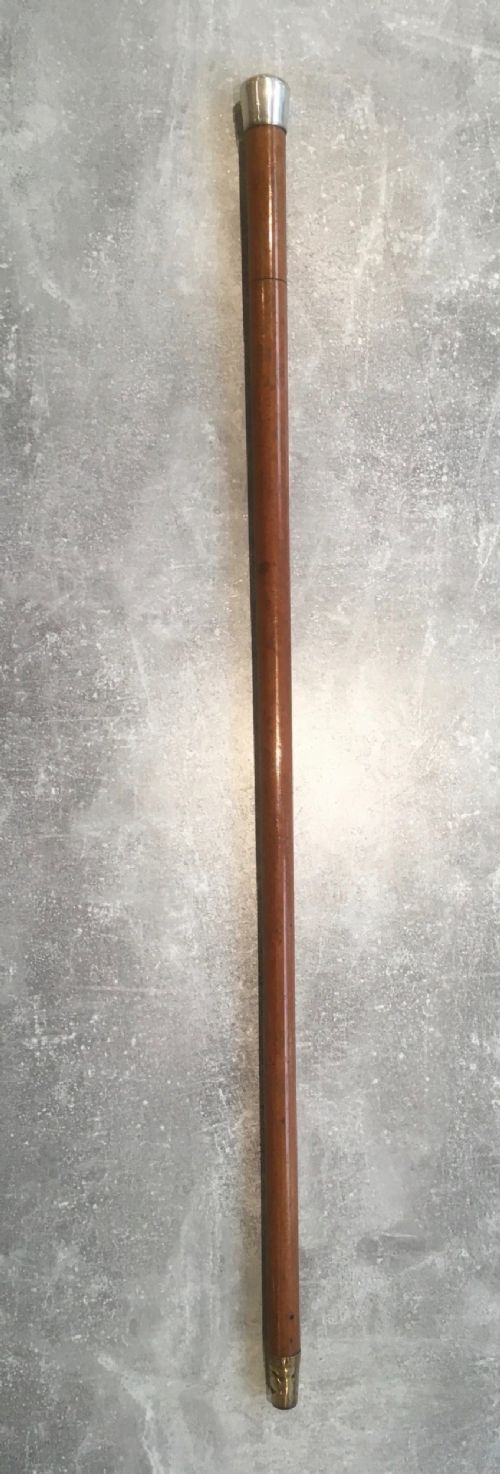

Antique Malacca Stick
These antique malacca sticks combine natural cane shafts with metal mounts and hidden blades, offering both daily utility and gentlemanly style.
Antique Malacca Stick
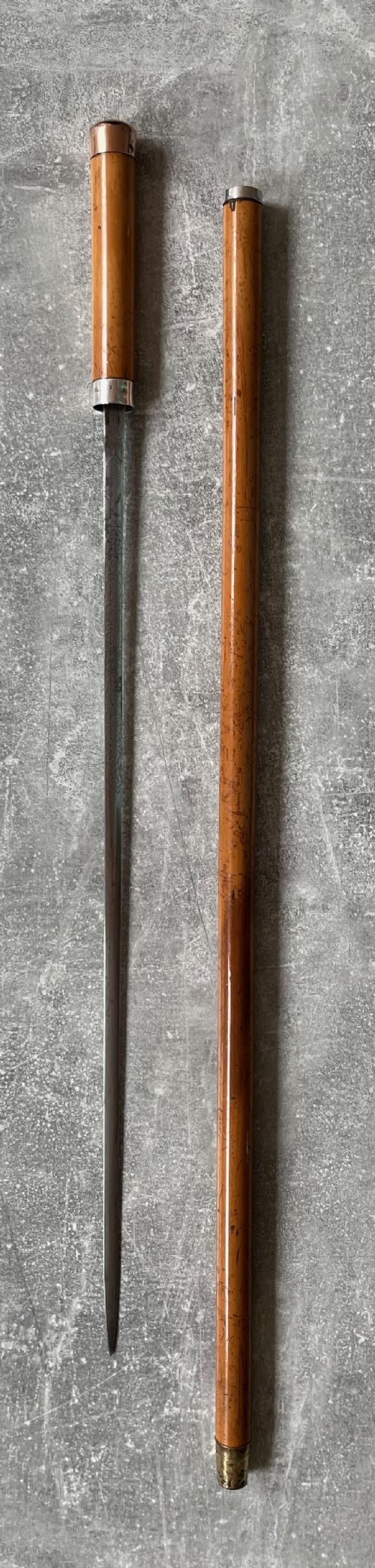
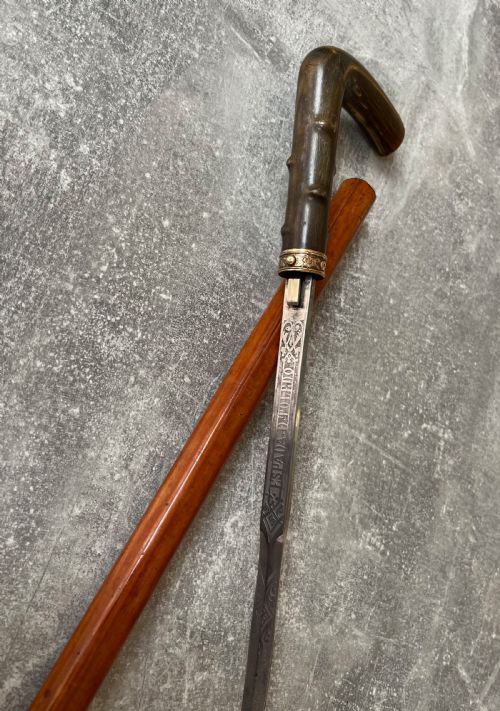
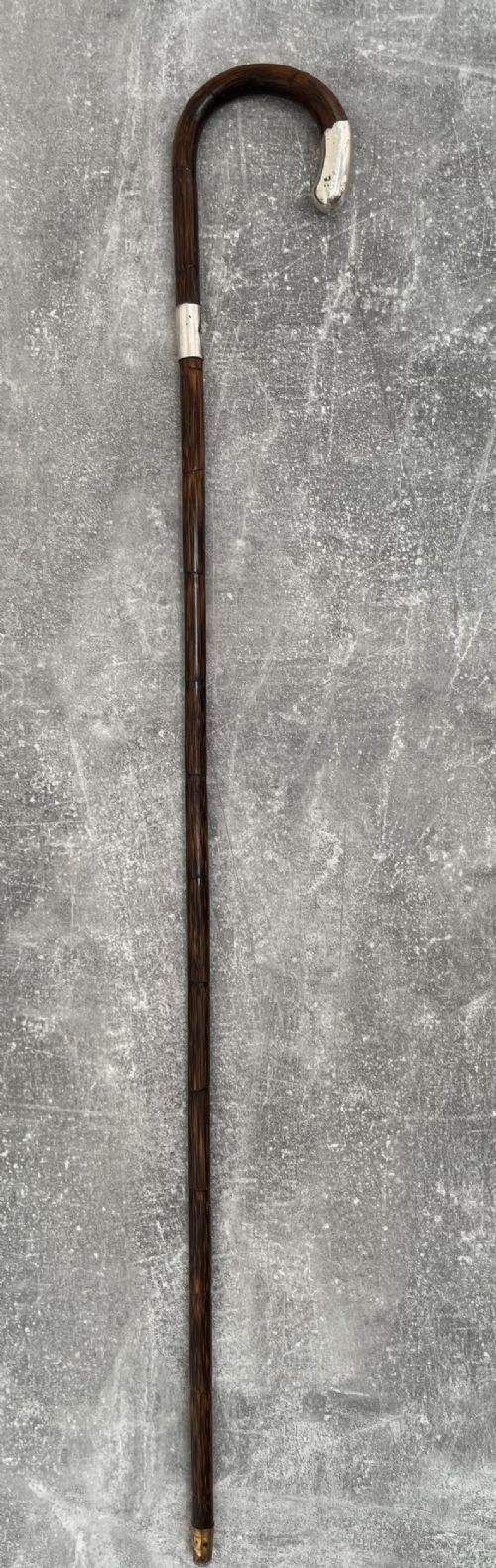
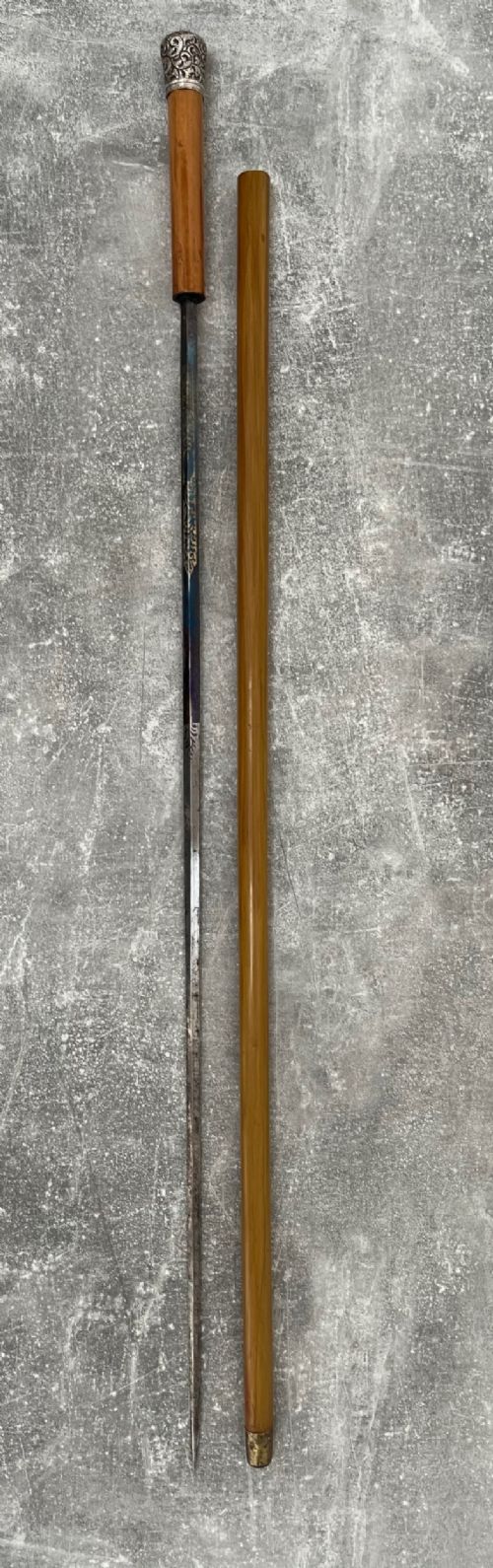
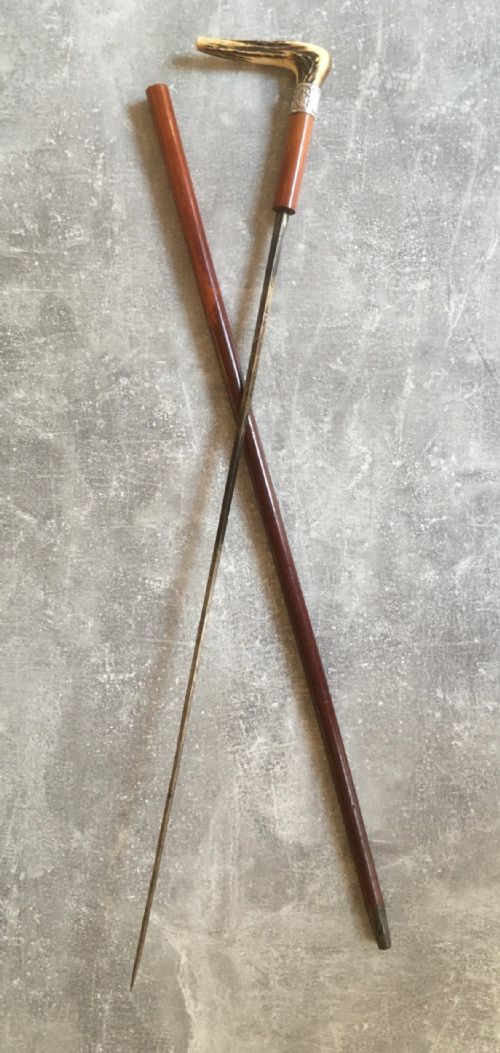
When you search for an antique malacca stick, you encounter slender shafts of distinctive mottled cane fitted with handles made of horn, bone, antler, or metal. The majority of pieces appearing here take the form of walking sticks and sword sticks, designed for personal support and discrete defence.
Originating largely from the Victorian and Edwardian eras, alongside pieces dated around eighteen eighty and the nineteenth century, these canes often incorporate silver collars, repousse knops, or gold and brass mounts. Chinese export examples frequently feature intricate silver work upon the shaft.
The dominant subtype across current listings and past sales is the sword stick, housing blades by makers such as Wilkinson or Toledo. Plain walking canes without concealed blades also appear, sometimes paired with specific pommels like greyhound designs or corkscrews.
How they were made
The foundational material is malacca cane, recognised by its brownish skin and distinct nodes, shaped into straight shafts through controlled heating. Steel blades, including etched Toledo and Wilkinson examples, fit snugly within the hollow interior of the cane.
Handles and mounts utilise sterling silver, silver plate, gold, brass, horn, bone, and antler. Metals are frequently embossed, chased, or engraved with repousse work to form decorative grips and collars.
Listings feature periods spanning the Victorian and Edwardian eras, alongside specific years from eighteen eighty to nineteen ten.
What varies in quality
The standard of an antique malacca stick rests upon the quality of its metalwork and the precision of the blade fitting. Pieces featuring hallmarked silver repousse knops or gold mounts sit above plain collars.
Blade execution distinguishes ordinary specimens from superior examples, particularly those bearing named blade origins like Toledo or Wilkinson steel alongside secure button release mechanisms.
Wilkinson·Toledo
The Antique Malacca Stick Glossary
- Malacca
- A sturdy cane derived from species of rattan originating in Southeast Asia, prized for its mottled brown surface and resilience. It serves as the primary shaft material for these walking sticks.
- Knop
- A rounded knob or handle at the top of a stick, often cast in silver or carved from bone and horn. It provides the grip for the user's hand.
- Collar
- The metal band encircling the cane just below the handle, frequently bearing hallmarks or silver repousse decoration. This band reinforces the joint between the handle and the shaft.
- Toledo blade
- A steel blade produced in Toledo, Spain, known for historical sword-making traditions and often found etched inside these concealed sword canes.
- Swagger stick
- A short, light cane traditionally carried by military officers as a badge of rank rather than for physical support.
Antique Malacca Stick: Frequently Asked Questions
What is a malacca stick?
An antique malacca stick is a walking cane fashioned from imported Southeast Asian malacca cane, often fitted with metal handles or concealed blades.
These pieces date predominantly from the nineteenth and early twentieth centuries, serving both practical walking support and personal protection.
How do sword sticks work?
Sword sticks conceal a steel blade within the hollow interior of the malacca shaft, secured by a mechanical catch or button release.
Owners press the button to disengage the internal lock and draw the blade from the wooden scabbard body.
How do I date an antique stick?
Dating relies upon silver hallmarks stamped onto the collars or mounts, which indicate specific assay offices and year letters.
Stylistic indicators such as Edwardian proportions or Victorian repousse work also help place the piece within a specific decade.
Were these canes used every day?
Gentlemen and ladies carried walking sticks as standard accessories for outdoor attire throughout the Victorian and Edwardian periods.
They functioned simultaneously as fashion statements, physical aids, and covert self-defence tools in urban environments.