

Antique Mahogany Wall Mirror
An antique mahogany wall mirror brings rich timber grain and period presence to a room, reflecting light while anchoring a wall with traditional craft.
Antique Mahogany Wall Mirror
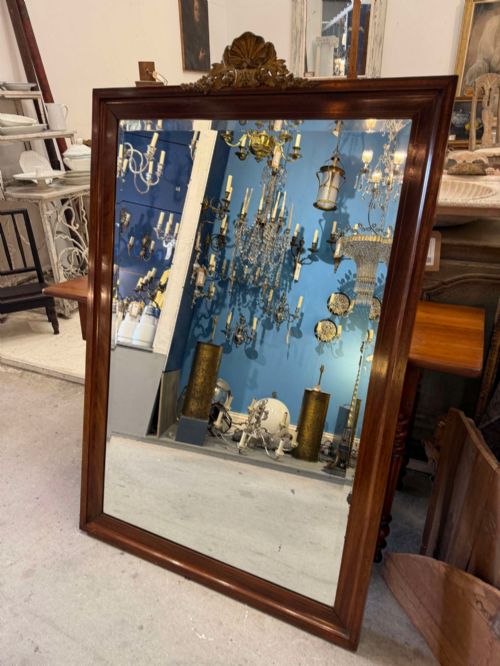
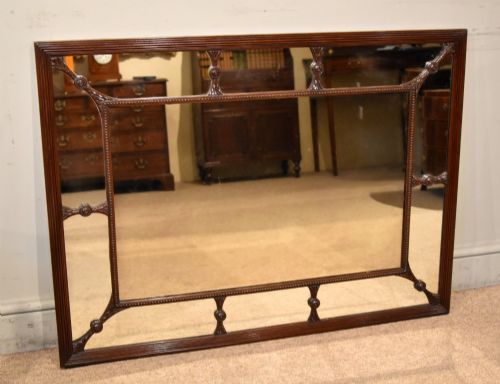
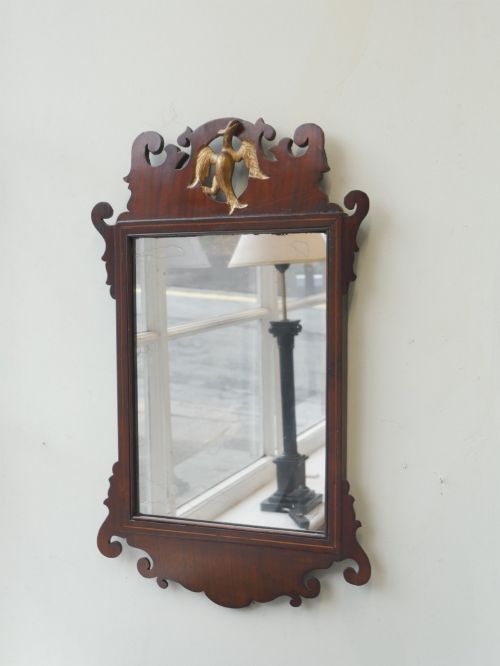
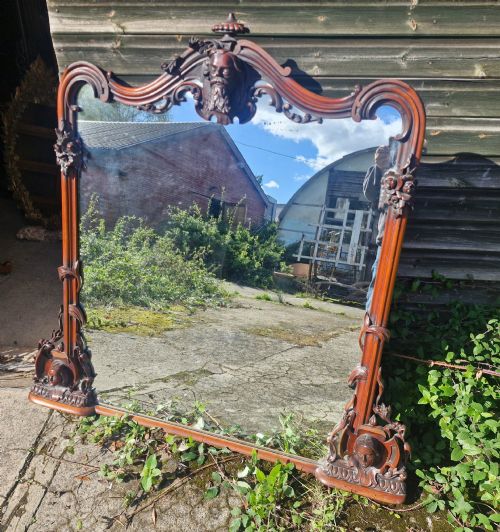
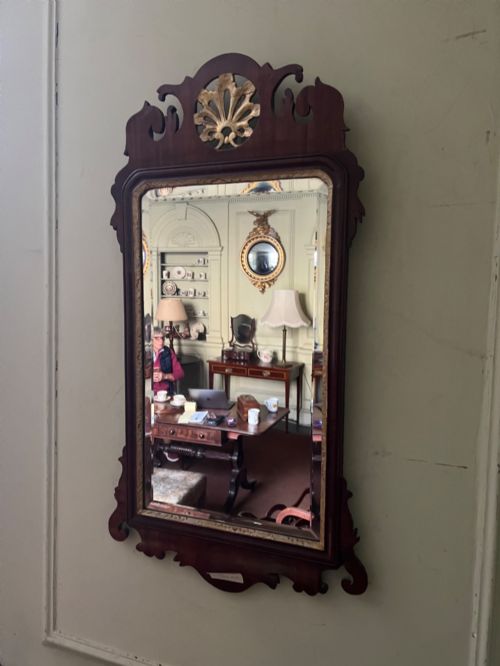
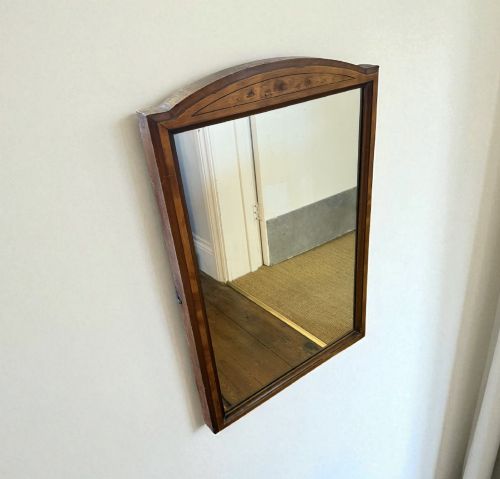
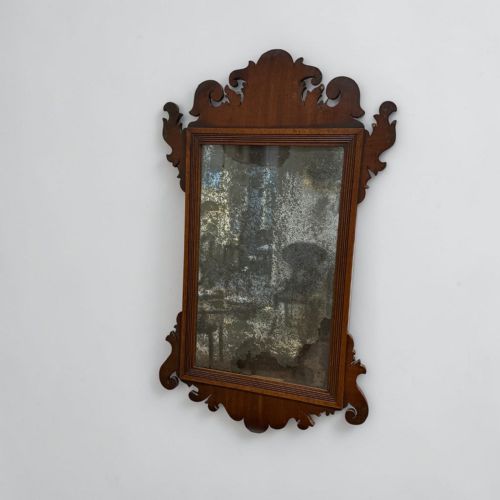
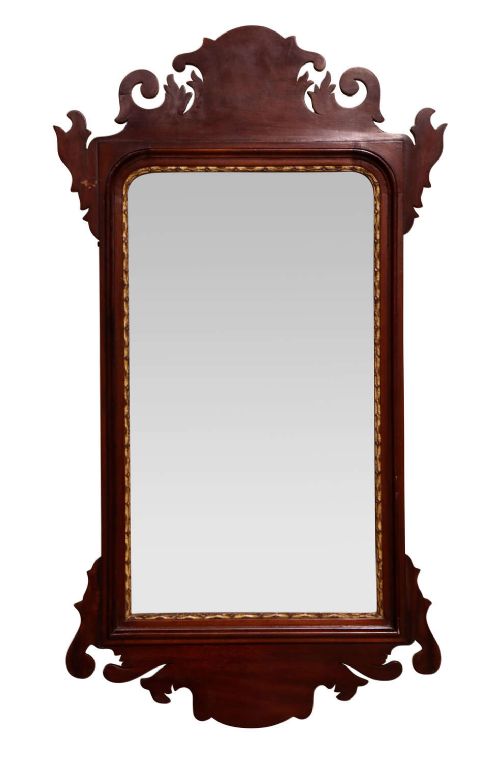
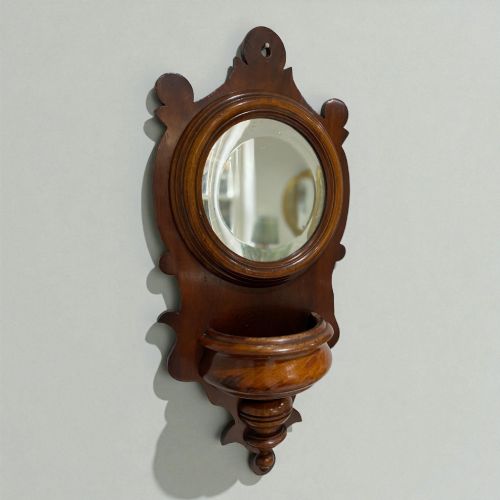
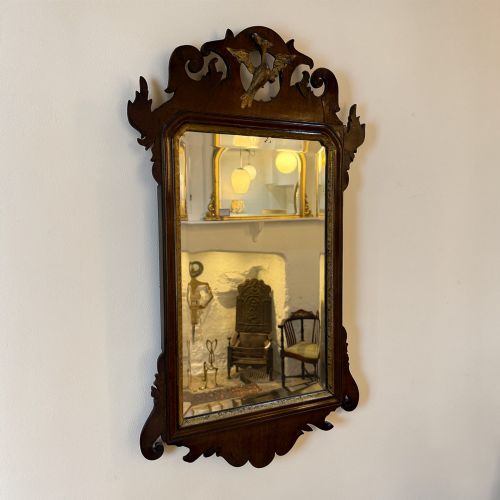
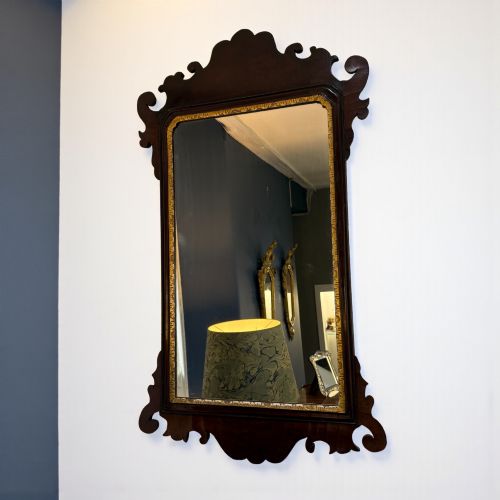
When searching for an antique mahogany wall mirror, collectors encounter formats ranging from compact fretwork designs to large overmantel pieces. The selection includes rectangular hanging dressing mirrors, architectural arched shapes, and elaborate Dutch marquetry examples.
The periods represented span the Georgian era through the Victorian and Edwardian decades, alongside Regency and Arts and Crafts interpretations. Simpler wall-hanging formats appear alongside tall overmantel mirrors designed to sit above a fireplace.
Materials and construction
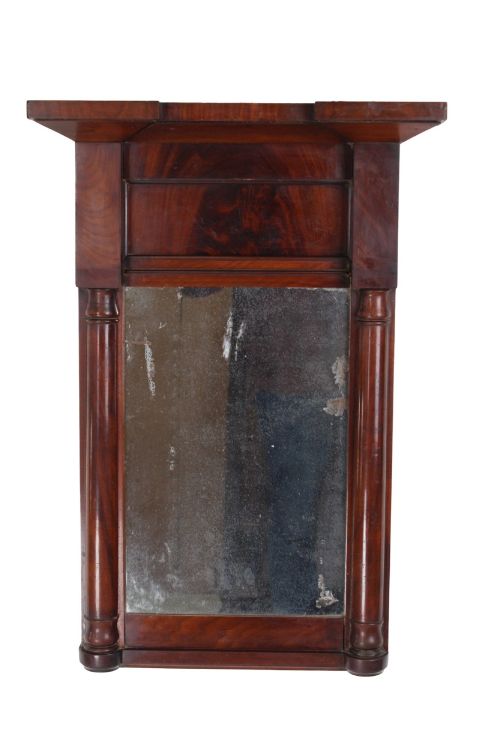
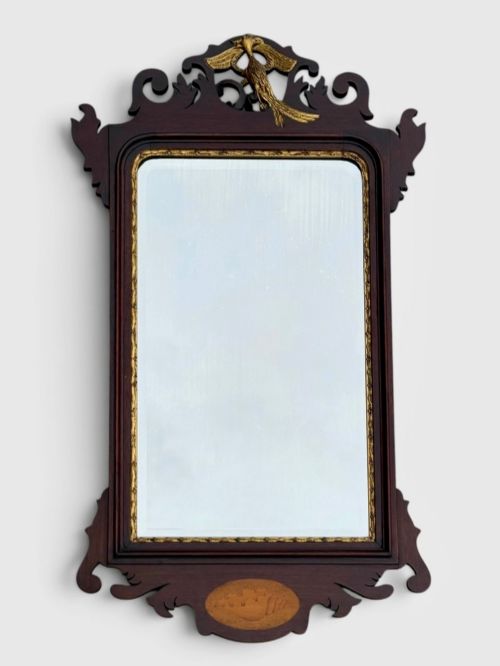
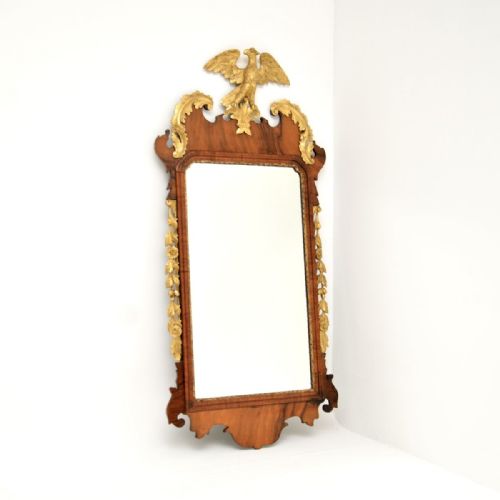
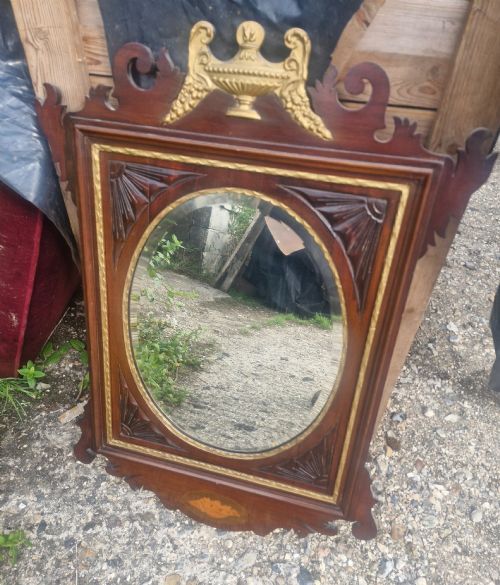
Frames utilise solid timber and veneers, frequently highlighting the rich figure of flame mahogany or incorporating contrasting satinwood inlay. Mirror glass is set within timber rebates, sometimes accompanied by gilt details, ebonised touches, and carved fretwork borders.
Cabinetmakers constructed these frames using traditional joinery appropriate to the period, shaping the timber into arched tops, wavy outlines, or rectangular proportions. Surface finishes developed through hand-applied polishes that highlight the depth of the mahogany grain.
Antique Mahogany Wall Mirror Retail Price Guide 2026
Typical asking prices for mahogany wall mirror among the pieces listed under this phrase on Sellingantiques today, from the lower quarter to the upper quarter. They describe what is for sale here now, not the wider market.
Certain Victorian variants include a concealed compartment, offering a clever hidden space behind the glass.
Judging execution
The distinction between standard examples and finer pieces lies in the crispness of the carving, the complexity of the fretwork, and the selection of timber veneers. Flame mahogany and intricate marquetry inlay elevate the visual impact of a frame significantly.
Proportion and balance dictate the presence of a piece on the wall, where superior execution is evident in the harmony between glass size and frame moulding. The integration of parcel gilding or delicate stringing demonstrates higher ambition in workshop production.
The Antique Mahogany Wall Mirror Glossary
- Overmantel mirror
- A large horizontal mirror designed specifically to hang above a fireplace mantelpiece. These substantial pieces often feature architectural framing.
- Fretwork
- Thin wood panels cut with a fretsaw into decorative geometric or scroll patterns. This technique defines the delicate borders of Chippendale style and Edwardian frames.
- Marquetry
- The art of applying pieces of veneer to a structure to form decorative patterns. Dutch examples frequently employ this technique with floral motifs.
- Parcel gilt
- Portions of a frame highlighted with gold leaf while other areas show the natural wood. This method accentuates carved details and mouldings.
- Satinwood
- A light-yellow exotic timber used for contrasting inlay work on darker mahogany surfaces. It creates decorative borders and geometric stringing lines.
Antique Mahogany Wall Mirror: Frequently Asked Questions
How do I hang a heavy overmantel mirror?
Heavy overmantel mirrors require secure wall fixings distributed evenly to support the substantial weight of timber and glass. Professional installation into masonry or studs ensures safety.
Position the mirror at a height that reflects room light effectively while anchoring the proportions above a fireplace or sideboard.
How do I date an antique mirror?
Dating relies on construction methods, timber choice, edge bevelling, and stylistic markers associated with specific design periods. Georgian pieces differ significantly in moulding profile from Victorian or Edwardian interpretations.
Examining the backboards, fixings, and glass characteristics provides further clues to the manufacturing era.
Can these mirrors go in a bathroom?
Antique mirrors with original silvering and wooden frames are sensitive to moisture and humidity fluctuations. Placing them in damp environments risks damaging the timber and degrading the glass backing.
Dry interior rooms with stable temperatures offer the safest environment for preserving historical mirrors.