



Antique Mahogany Suite
An antique mahogany suite brings cohesive period design into a room through matching seating or chamber furnishings.
Antique Mahogany Suite
An antique mahogany suite comprises coordinated sets of furniture designed for dining rooms, reception rooms, or bedrooms. Pieces range from large dining table and chair assemblies to three-piece salon groupings and multi-item bedroom suites containing wardrobes, dressing tables, and washstands.
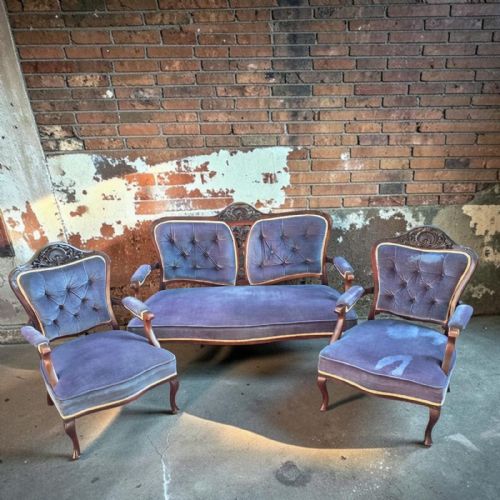
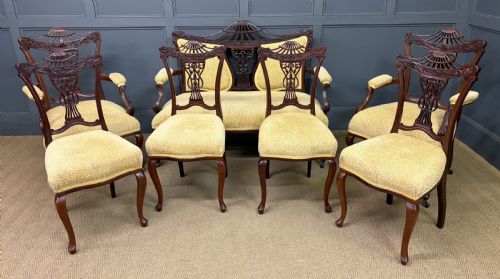
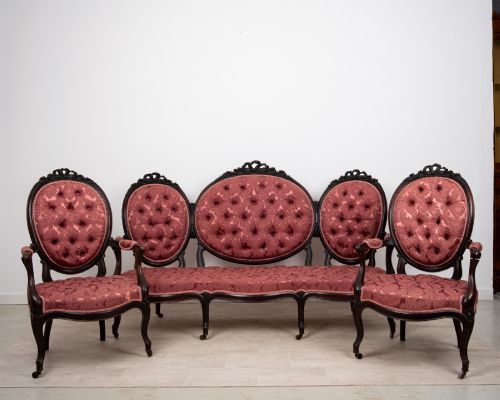
The selections span from the early nineteenth century through the Edwardian era, incorporating styles such as Chippendale Revival, Hepplewhite, Regency, and French Empire. Salon and parlour suites typically include a settee accompanied by matching armchairs and side chairs, often reflecting Victorian or Edwardian craftsmanship.
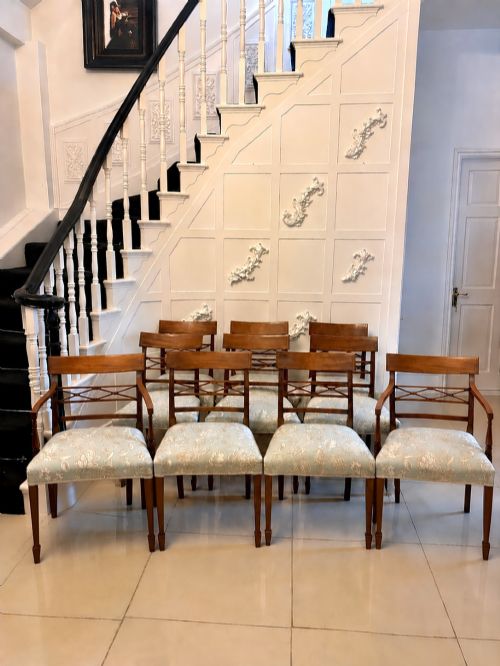
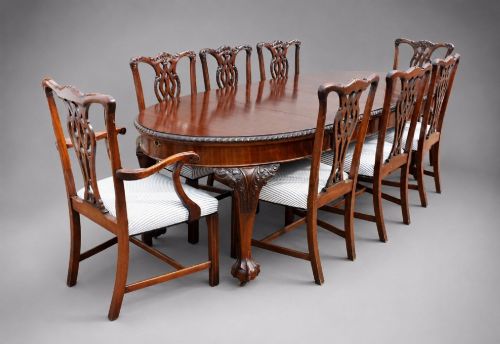
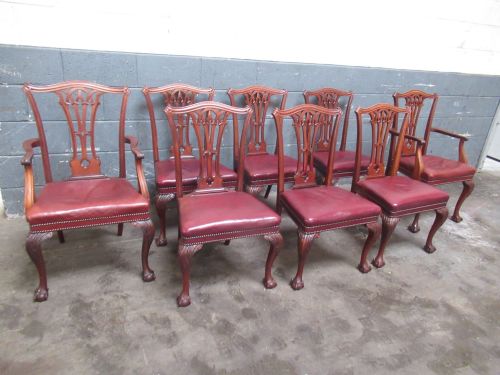
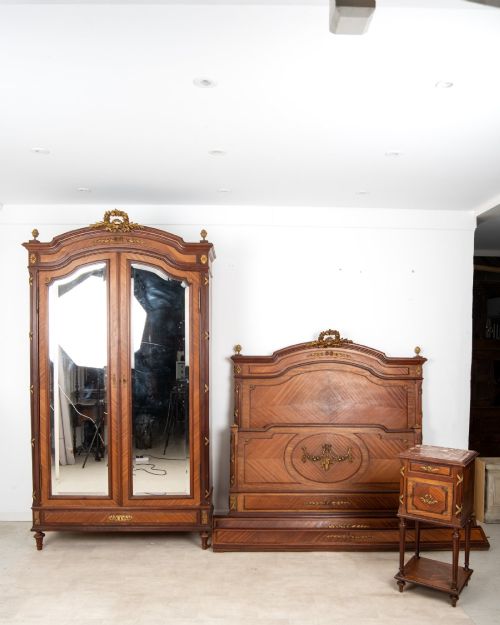
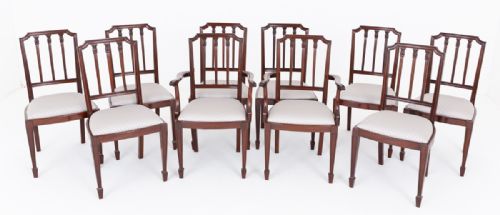
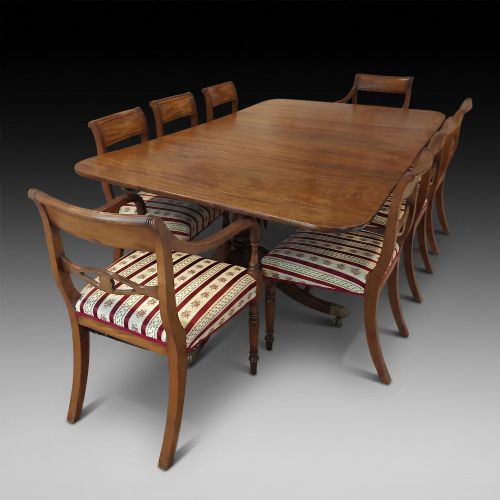
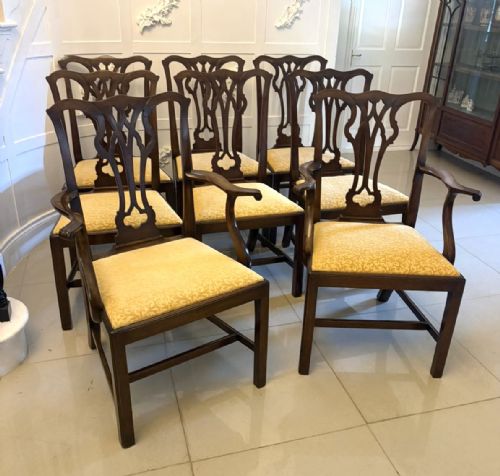
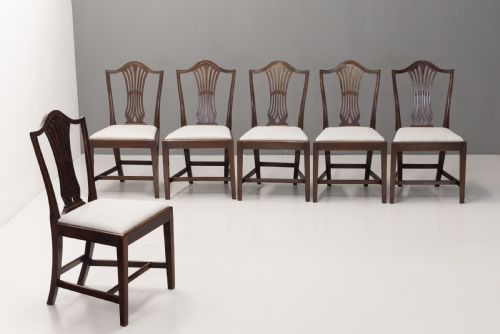
Dining suites appear as matched sets of chairs, frequently numbering eight to sixteen pieces, paired with large extension tables. Bedroom suites present unified mahogany construction with decorative inlay, brass hardware, and matching cabinetry built for period interiors.
Materials and Technique
Makers utilised solid mahogany and mahogany veneers, frequently combining them with secondary woods like satinwood for contrasting string inlay and marquetry panels. Structural integrity relied on traditional joinery, sturdy frame construction, and carved details executed by hand.
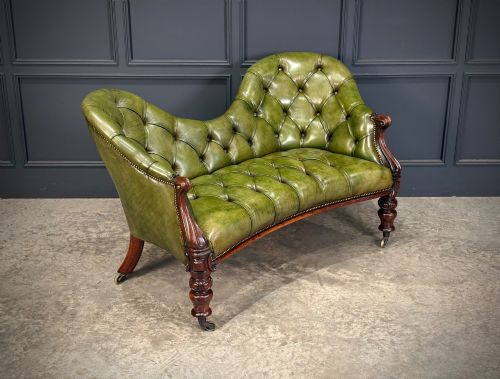
Seating and sofas incorporated cane webbing, known as bergère, or were upholstered over springs and webbing using leather, velvet, or woven fabric. Surface finishes were hand-polished to highlight the natural grain and deep reddish-brown tone of the timber.
Hardware elements such as brass castors, handles, and hinges were integrated into tables, chairs, and large bedroom wardrobes to ensure both function and decorative alignment across the suite.
Dining sets occasionally turn up with sixteen chairs, suggesting previous owners maintained an exceptionally busy social calendar.
Craftsmanship and Proportion
Quality depends upon the uniformity of the timber selection across every piece in the suite, ensuring consistent grain patterns and rich colour depth. Superior sets display meticulous hand-carving and precise marquetry inlay rather than superficial stamped ornamentation.
Structural stability and balanced proportions distinguish finer examples, particularly in large dining sets and multi-piece bedroom wardrobes where weight-bearing joints must remain tight and true. The original condition of upholstered frames, leather inserts, and cane panels also influences the integrity of the ensemble.
Howard and Sons·Shoolbred·Spillman and Co·Waring and Gillow·J. S. Kinsey
The Antique Mahogany Suite Glossary
- Bergère
- An enclosed upholstered armchair with a wooden frame and cane sides or back. This French-inspired seating style gained widespread popularity during the Edwardian period.
- Carver
- An armchair designed with elbow rests, traditionally placed at the head and foot of a dining table. These matched the smaller side chairs in a dining suite.
- Marquetry
- Decorative veneer work arranged in geometric or pictorial patterns using contrasting woods like satinwood. Craftspeople applied these details to the surfaces of salon and bedroom suites.
- Settee
- A long upholstered seat with a back and arms, built to accommodate multiple people. They form the central seating piece in Victorian and Edwardian salon suites.
- Salon Suite
- A matched grouping of reception room seating, typically comprising a settee and several armchairs or side chairs. These sets were designed for formal entertaining in nineteenth-century homes.
Antique Mahogany Suite: Frequently Asked Questions
What is included in a salon suite?
A salon suite typically consists of a matching settee, armchair, and several side chairs designed for a formal reception room. These groupings share identical carved wooden frames, upholstery fabrics, and inlay details.
Such suites were intended to create a unified aesthetic in Victorian and Edwardian sitting rooms, offering both seating capacity and decorative harmony.
How do I date a mahogany dining suite?
Dating relies on stylistic revival periods, structural design, and joinery methods evident in the chairs and tables. Pieces referencing Chippendale or Hepplewhite designs often date from later revival periods around nineteen hundred rather than the eighteenth century.
Examining the underside of the table and chair frames reveals construction traits characteristic of Victorian or Edwardian workshops.
Are bedroom suites practical for modern homes?
Antique bedroom suites provide extensive storage through matching wardrobes, dressing tables, and washstands designed for period interiors. Their large proportions require careful measurement of modern bedroom spaces before placement.
Freestanding wardrobes in these suites often feature modular disassembly systems to assist with transport and installation in contemporary rooms.
How do I care for mahogany furniture?
Maintenance involves dusting with a soft, dry cloth and avoiding placement near direct heat sources or strong sunlight. These precautions protect the timber finish and prevent the veneer from drying out.
Leather upholstery and cane panels benefit from periodic gentle conditioning to maintain flexibility and strength across the seating pieces.