


Antique Luri Carpet
An antique luri carpet is a tribal floor covering woven in Western Persia that brings robust geometric energy and rich natural dyes into a room.
Antique Luri Carpet
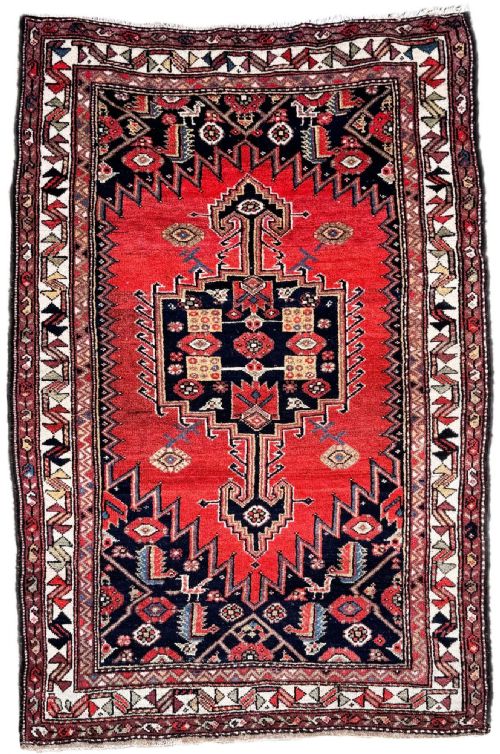
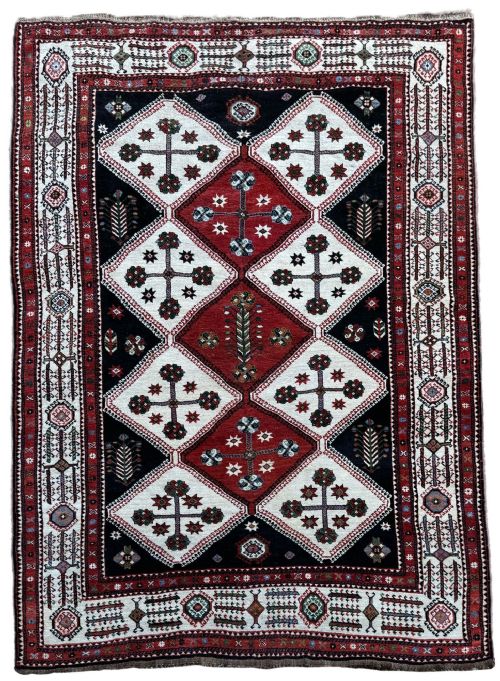
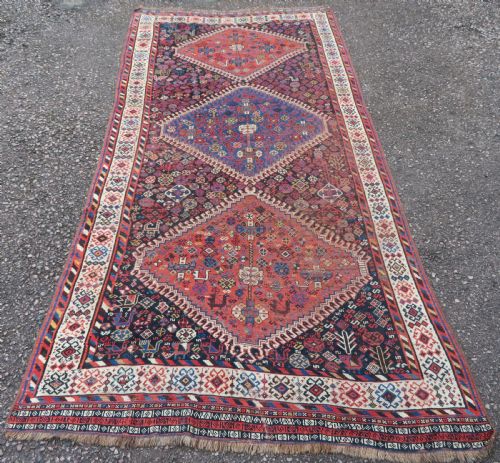
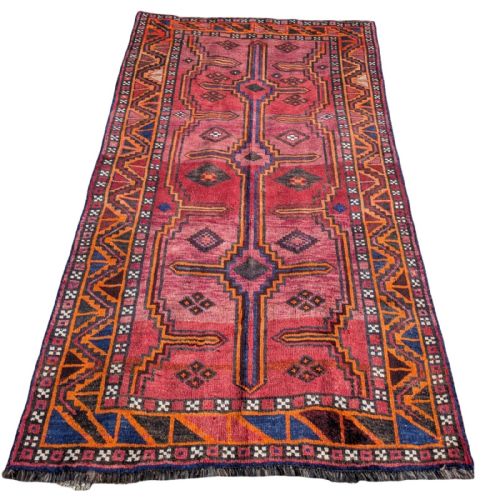
When you search for an antique luri carpet, you are looking at tribal textiles woven by the Luri tribes of Luristan in Western Persia. These pieces range from small saddle-bag faces and runners to larger format carpets and kelleh rugs.
The versions most likely to meet you on this page span the late nineteenth century and the early twentieth century. They often feature tribal designs, repeating shields, tree of life motifs, or medallion fields.
These nomadic and village textiles share stylistic ground with neighbouring Qashqai and Khamseh weaving traditions. They serve as durable floor coverings with deep cultural roots in Persian tribal art.
How They Were Made
These carpets are hand-woven utilising hand-spun wool and natural dyes. The reliance on traditional spinning and dyeing methods gives the wool a tactile depth and variation that responds well to natural light.
The construction is rooted in tribal techniques native to Western Persia. Weavers utilised sturdy wool foundations to ensure the pile and flatweave saddle bags could withstand daily nomadic use.
Materials recorded across these pieces consist entirely of wool, hand-spun wool, and natural dyes utilised in traditional Persian village and nomadic weaving.
What Varies in Quality
Quality in these tribal textiles rests on the handling of the wool and the vibrancy of the natural dyes. Superior examples exhibit a dense, resilient weave and a clear, balanced distribution of tribal motifs across the field.
The distinction between standard village production and finer weaving lies in the precision of the design execution, such as crisp medallion outlines and well-drawn bird and floral elements.
The Antique Luri Carpet Glossary
- Luri
- Pertaining to the Luri tribes of Luristan in Western Persia. Their rugs are known for strong tribal geometry and rustic charm.
- Kelleh
- A long, narrow format rug traditionally used in Persian domestic spaces. These formats sit between standard rugs and full room-size carpets.
- Saddle bag
- A utilitarian woven container used by nomads for transport on animals. Surviving bag faces display concentrated tribal weaving.
- Natural Dyes
- Colourants derived from plants, insects and minerals rather than synthetic compounds. They produce harmonious tones that age gracefully over centuries.
- Tree of Life
- A symbolic motif representing eternity and the connection between earth and heaven. It appears frequently in pictorial tribal weaving.
Antique Luri Carpet: Frequently Asked Questions
Where were antique luri carpets made?
These pieces were woven by the Luri tribes residing in the mountainous region of Luristan in Western Persia. They reflect the nomadic and semi-nomadic traditions of the local tribal groups.
Production often shares aesthetic overlaps with nearby Qashqai and Khamseh weaving communities, reflecting regional trade and shared motifs.
How do I care for an antique luri carpet?
Protect the wool pile by placing a quality underlay beneath the rug to prevent slipping and reduce friction. Vacuum gently with the suction attachment rather than a rotating brush.
Rotate the carpet periodically to ensure even wear from foot traffic and sunlight exposure. Professional cleaning should be undertaken by specialists in antique textiles.
What motifs appear on luri carpets?
Common designs include geometric medallions, repeating shield patterns, and tree of life compositions. Some pieces incorporate stylized birds, flowers, and star fields.
Saddle bag faces often display compact tribal symbols and hooked motifs designed to ward off misfortune.
Are these carpets suitable for heavy traffic?
The sturdy hand-spun wool and dense tribal weave make these runners and carpets resilient against everyday use. They were originally made to endure the rigours of nomadic life.
Placing them in moderate traffic areas allows you to enjoy their robust construction while preserving the historical pile.
How do I date an antique luri carpet?
Dating relies on assessing the wool quality, the palette of the natural dyes, and structural characteristics. Pieces from the nineteenth century often show softer wool and deep patination.
Early twentieth-century examples maintain traditional tribal designs while displaying slightly different structural tightness and dye variations.