
Antique Lowboy Dressing Table
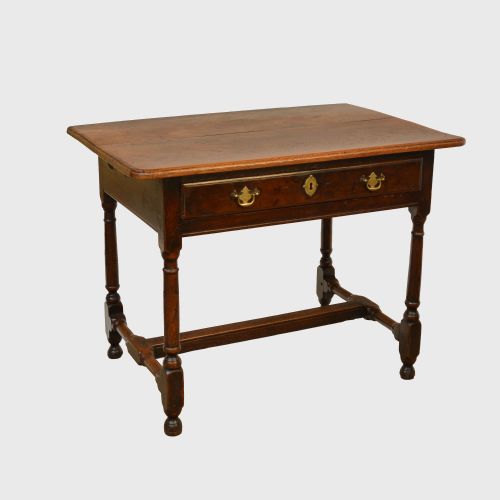
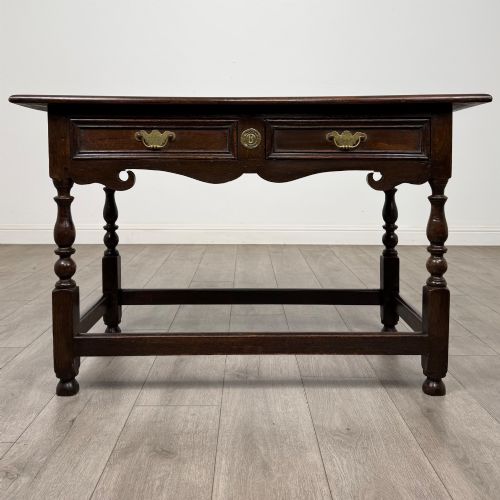
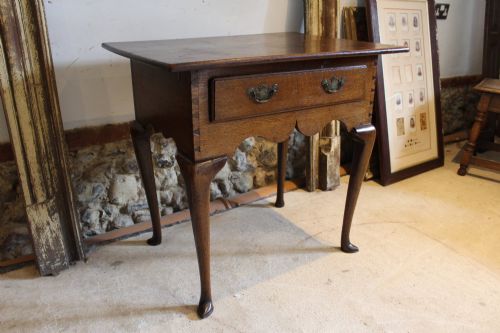
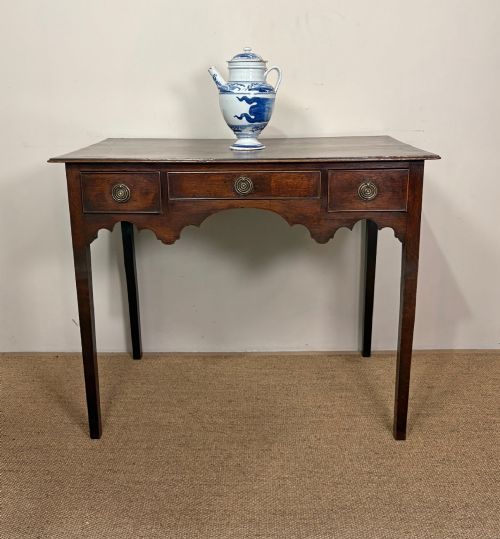
An antique lowboy dressing table is a compact Georgian or earlier side table with drawers, prized for surface space and refined proportions.

Antique Lowboy Dressing Table
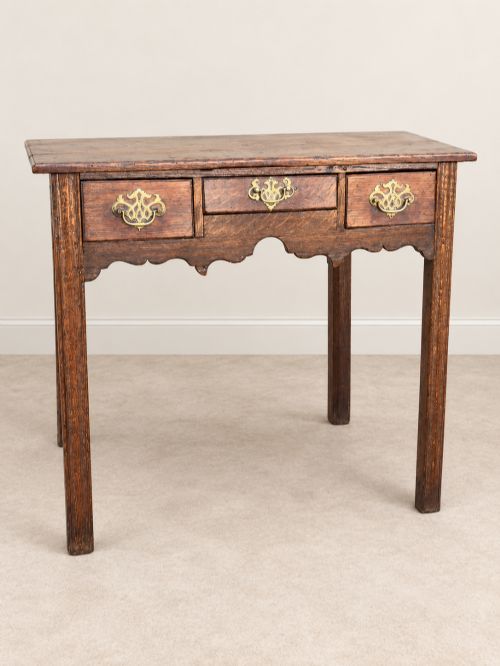
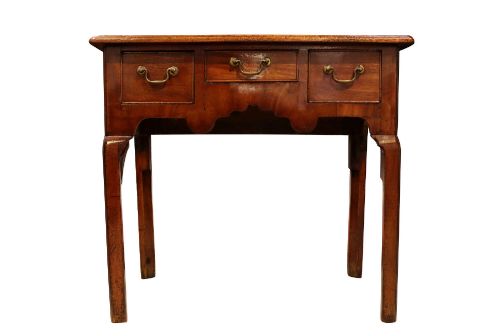
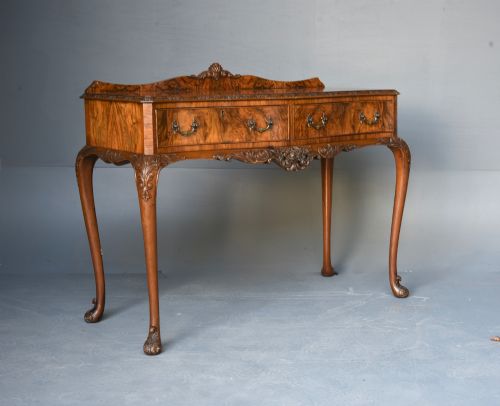
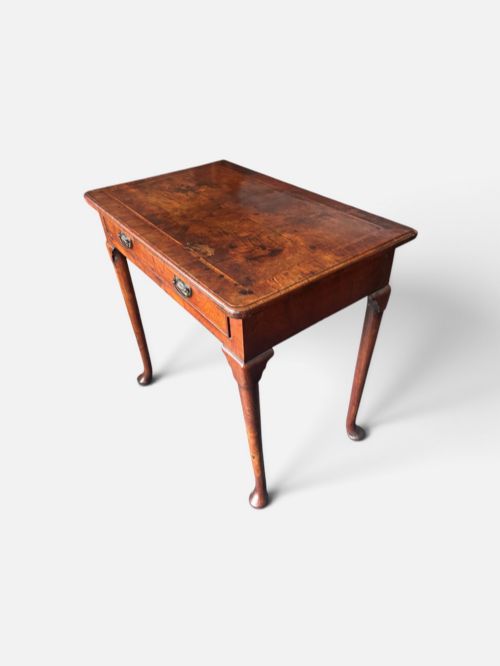
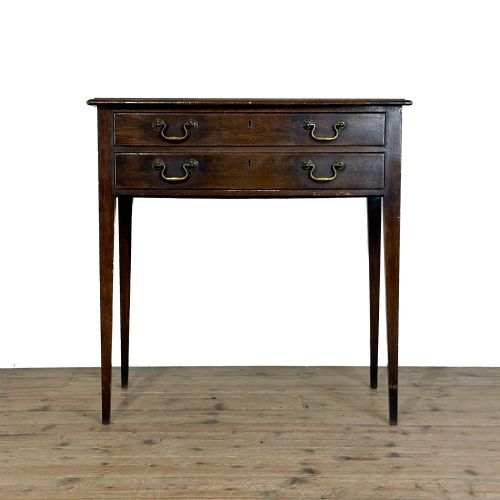
The antique lowboy dressing table appears most frequently in eighteenth-century forms, spanning the George II and George III periods alongside Queen Anne and William and Mary origins. These pieces function as small writing tables, side tables, or low dressing surfaces.
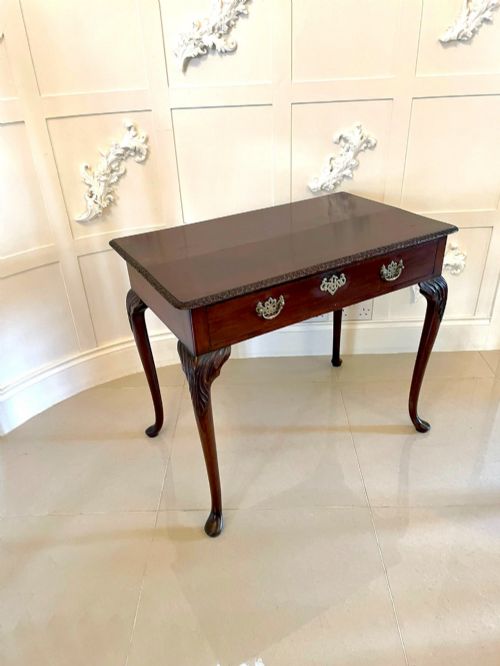
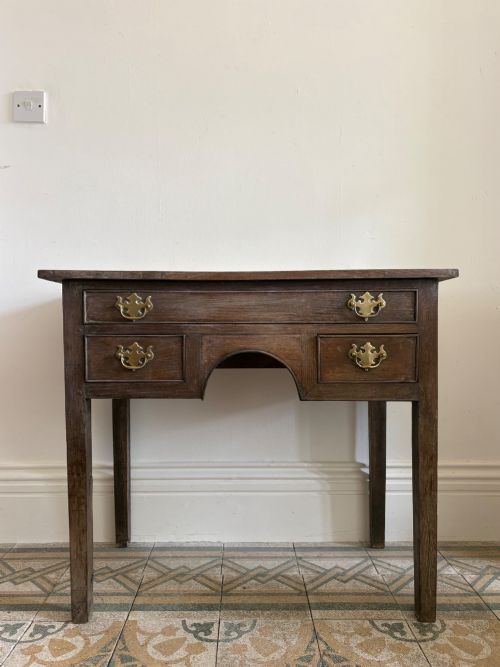
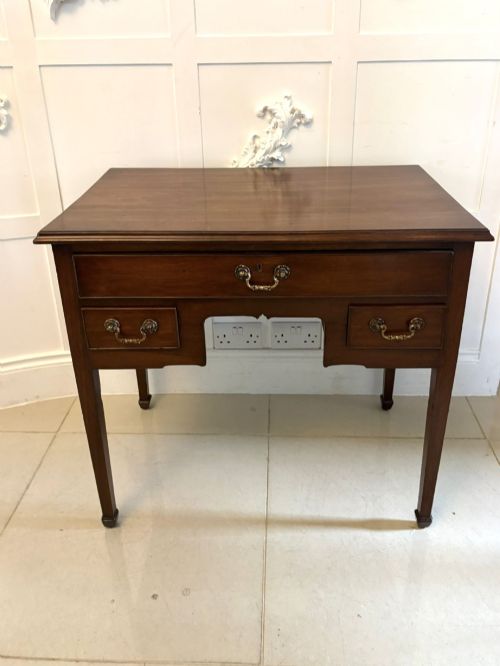
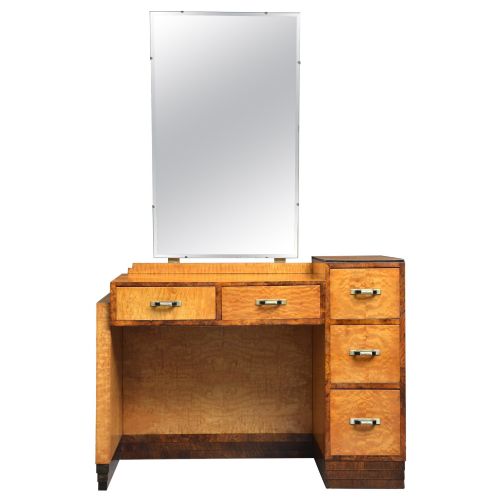
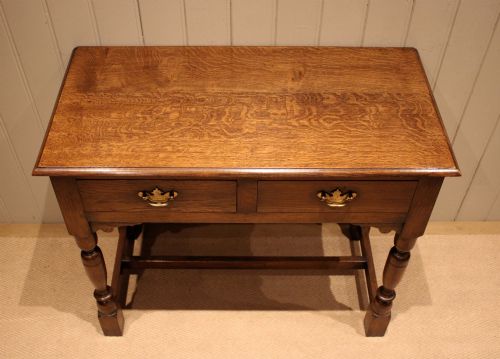
Makers of the period built these low tables in oak, mahogany, and walnut, often with single or multiple drawers arranged beneath the top. Later revivals from the twentieth century reproduce these compact proportions in burr walnut and oak.
Country variants utilise regional timbers including elm, yew, and fruitwood, showing simpler structural lines than their urban counterparts. Buyers find these tables listed under side tables, lowboys, and dressing tables interchangeably.
Character and finish
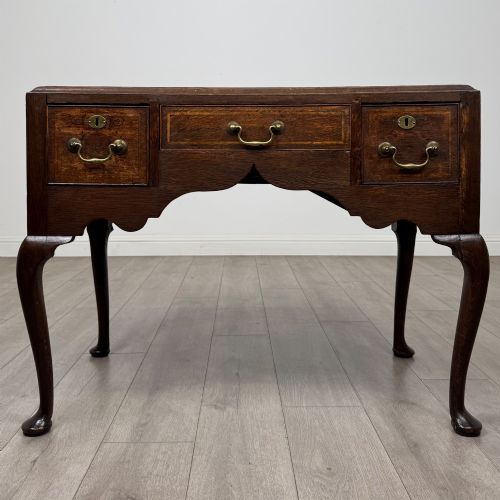
Quality rests in the figure of the timber, particularly where burr walnut or figured elm displays natural grain patterns across the top. Crispness in the shaping of the frieze and the execution of drawer joints separate finer examples from standard production.
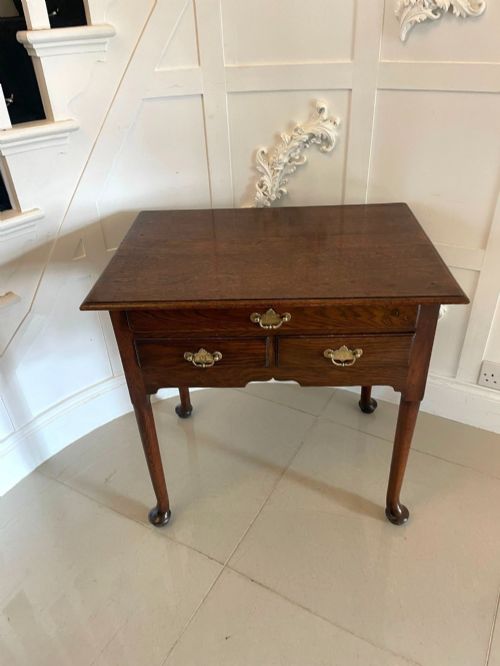
Patina accumulated over centuries on oak and mahogany surfaces indicates age and careful preservation. Original brass hardware and untouched timber surfaces elevate the standing of a piece compared to later replacements.
Heal's
The Antique Lowboy Dressing Table Glossary
- Lowboy
- A small table with one or more drawers, standing on relatively tall legs. This form served various domestic purposes including dressing and writing.
- Burr walnut
- A prized wood veneer showing intricate, swirling grain patterns formed from tree growths. Cabinet makers applied it to prominent surfaces on high-status furniture.
- Frieze
- The horizontal section of the table situated directly beneath the top board. Drawers are typically housed within this structural band.
- Dovetail
- An interlocking joint used in drawer construction, formed by interlocking wedge-shaped fingers. Hand-cut examples indicate traditional craftsmanship.
- Patina
- The deep surface sheen and coloration developed by wood over long periods of use and polishing. It serves as an indicator of genuine age.
Antique Lowboy Dressing Table: Frequently Asked Questions
What is an antique lowboy dressing table?
An antique lowboy dressing table is a small, waist-height table featuring one to three drawers beneath the top surface. These pieces date primarily from the eighteenth century and served multiple domestic uses.
Craftsmen built them in woods like oak, walnut, and mahogany for use in bedchambers and parlours. Their compact footprint allows them to function as modern hall tables or small desks.
How do I tell a George II lowboy from a George III lowboy?
George II lowboys typically exhibit cabriole legs ending in pad or club feet, reflecting curves popular in the earlier eighteenth century. Walnut and oak feature heavily in this period alongside early mahogany.
George III examples shift towards straighter lines, including square or tapered legs. Mahogany becomes the dominant timber during this later reign, though oak country versions remain common.
Where were lowboys placed in a historic home?
Historic households utilised lowboys in bedchambers as dressing tables for grooming items and cosmetics. Their height made them suitable for sitting whilst tending to hair or attire.
They also stood in hallways, parlours, and drawing rooms as side tables for holding lamps or small objects. Their versatile scale suited various secondary reception spaces.
How do I care for an antique wood lowboy?
Preserve the finish by keeping the table away from direct heat sources and strong sunlight, which can dry out old timbers and veneers. Maintain the surface using traditional beeswax rather than modern silicone polishes.
Inspect joints and drawer runners periodically to ensure they move smoothly without excessive friction. Gentle cleaning preserves the historic patina accumulated over centuries.